




Wellness
WUKA and Royal Yachting Association partner to support women and girls in sailing


WUKA has announced a groundbreaking partnership with the Royal Yachting Association (RYA), including RYA Scotland and RYA Northern Ireland, supporting women and girls in sailing.
Building on WUKA’s growing #TackleAnything campaign – which has already reached thousands of girls across sports in the UK – this collaboration brings practical period solutions into sailing.
Together, WUKA and the RYA are committed to breaking down barriers so periods never limit confidence, participation, or performance on the water.
Ruby Raut, WUKA founder & CEO, said: “Partnering with the RYA has been incredibly important for us at WUKA.
“Sailing is an amazing way for women and girls to build confidence, and periods shouldn’t hold anyone back from enjoying the water or reaching their full potential.
“Through this partnership and our #TackleAnything campaign, we’re proud to provide practical solutions and innovative products that help female sailors feel comfortable, confident, and free to focus on learning, performing, and having fun.
“Breaking down barriers and supporting women to tackle anything — on land, at sea, and everywhere in between – has never felt more meaningful.”
WUKA, which stands for Wake-Up Kick Ass, shares the RYA’s commitment to inclusivity and empowerment.
In 2023, WUKA launched #TackleAnything, a campaign supporting women, girls and sportspeople with periods. Since its launch, the initiative has reached 3,576 girls across 46 clubs and partnered with a range of sports across the UK – from Scottish Gymnastics to Titans wheelchair basketball – helping young athletes play without limits and stay confident, comfortable, and in the game.
The brand offers period-friendly aquatic apparel and practical solutions that help women train and compete with freedom of movement and total assurance.
Through this partnership, WUKA will provide innovative period swimwear for young sailors across key RYA programmes, including the NI Sailing Team, the RYA Scotland Performance Pathway Programme, and the British Sailing Pathways Talent Academies.
By combining WUKA’s mission to challenge stigma with the RYA’s commitment to inclusion, the partnership ensures young sailors can focus on what matters most – learning, performing, and enjoying their time on the water – with confidence and comfort. RYA members will also receive a 10 per cent discount on WUKA products.
Sailing offers incredible benefits for women and girls, but time on the water can present unique challenges -particularly during menstruation.
Together, WUKA and the RYA are providing practical solutions that remove these barriers, helping young sailors participate fully and confidently in the sport.
Sara Sutcliffe, RYA CEO, said: “At the RYA, we have been making strides to break down barriers for women of all ages to help ensure they can experience the water in a supportive and positive environment.
“From education workshops and practical sessions, we want to make sure our female sailors are empowered and this partnership is another great example of how we can demonstrate possible tools to equip them to succeed”.
This partnership is part of the RYA’s wider commitment to making sailing a sport where women and girls can thrive. Alongside initiatives such as the Female Futures Group, the Women’s Race Officials Programme and all new Talent Academy Female Future’s Camps; it demonstrates a continued focus on removing barriers and creating meaningful opportunities across every stage of the sailing.
WUKA’s involvement ensures that practical solutions are available on the water, from innovative period swimwear to support resources, helping young sailors feel fully equipped and confident during training and competition.
By integrating these tools into RYA programmes, WUKA brings a new level of comfort and assurance to female athletes, allowing them to focus entirely on performance, enjoyment, and growth in the sport.
For any women and girls looking to learn more about sailing, visit www.rya.org.uk.
For more information on WUKA visit www.wuka.co.uk.













Manchester City has launched a female athlete health platform covering menstrual, pelvic and breast health, as well as nutrition.
The Her City website is designed for the club’s women’s first-team players, coaches, support staff, academy players and parents.
Manchester City says the platform is the first of its kind in the Women’s Super League and was developed over two years.

The project was led by director of performance services Emma Deakin, physical performance scientist Rosie Anderson and PhD student and first-team nutritionist Sarah Malone.
It grew out of PhD research into menstrual, pelvic and breast health and nutrition, with the team seeking to turn that work into an online educational resource.
The website divides the four areas into separate sections and provides peer-reviewed information that the club says has been critically analysed by experts.
Content will continue to be reviewed and updated as further evidence emerges.
Resources include posters, visual explainers, audio materials and downloadable educational content, with information tailored to different groups including players and parents.
The platform aims to improve knowledge, develop critical analysis skills and strengthen communication within football and at home.
It also includes material to help users assess misinformation they encounter on social media or elsewhere.
A confidential contact form allows users to raise concerns or ask questions directly of experts at Manchester City.
Parents of academy players can also access the platform, with resources intended to help them support their children during a key phase of their development.
Manchester City said its longer-term aim is to make the platform available to all women working across City Football Group.


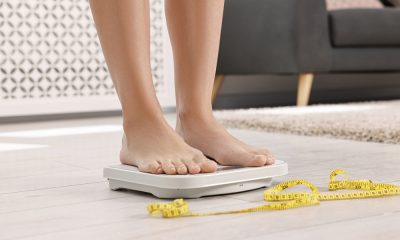
Weight loss surgery was linked to more regular periods and fewer polyendocrine metabolic ovarian syndrome (PMOS) symptoms in women aged 18 to 45 living with obesity in a recent study.
The researchers recommend that women undergoing the procedure have access to preconception care and reproductive counselling to support their reproductive health.
Researchers at the University of Surrey analysed data over 24 months from 84 women who underwent bariatric surgery and 18 women living with obesity who did not have surgery.
Of those who underwent surgery, 49 had gastric bypass procedures and 35 had gastric sleeve surgery.
Women who underwent metabolic bariatric surgery lost more than 30kg on average at 12 and 24 months after the procedure.
Among women with polycystic ovaries, the condition persisted in only 10 per cent after 24 months.
Women also reported a resolution of clinical hirsutism, or excess body hair, by 12 months.
Women who had previously experienced irregular periods reported more regular menstrual cycles after surgery.
Professor Martin Whyte, co-author of the study and professor of metabolic medicine at the University of Surrey, said: “A large proportion of those undergoing bariatric surgery are women of reproductive age, who may be planning a pregnancy in the coming years.
“So much remains unknown about the impact of this type of surgery on women who are planning to have children.
“This raises the question of when the ideal time after surgery is to conceive.”
Women have a higher prevalence of obesity than men, with 57 per cent of women in the UK classified as overweight and 27 per cent living with obesity, which can affect fertility and the health of an unborn baby.
The researchers said 17 women had healthy pregnancies following surgery.
Although this was not specifically examined in the study, no difference in birth weight was observed between babies conceived within or after the first year.
Dr Kathryn Hart, co-author of the study and associate professor in nutrition and dietetics at the University of Surrey, said: “What we have found is that bariatric surgery positively affects the reproductive health of women living with obesity and can improve the likelihood of them having a healthy pregnancy after surgery.
“Dysregulated hormone levels, irregular periods and conditions such as polycystic ovaries are affected by obesity.
“By reducing this, what we have seen is that it can lead to improvements without the need for medication.
“We would suggest that clinicians consider medical intervention for obesity to treat irregularities in the menstrual cycle and issues with fertility.”









 Menopause1 week ago
Menopause may not explain rising heart condition in women – study

 Events2 weeks ago
Last chance to save on Women’s Health Week and Women’s Sport Summit: Early Bird pricing ends 11 September

 Pregnancy2 weeks ago
Paracetamol use may impact future fertility, studies suggest

 Insight1 week ago
Women with birth trauma face 2.5x higher healthcare costs – study

 Menopause2 weeks ago
Cancer drug could tackle osteoporosis menopause weight gain

 News6 days ago
Medical cannabis may improve endometriosis symptoms – study

 Cancer7 days ago
Study could explain why obesity is a breast cancer risk factor

 Diagnosis2 weeks ago
FDA approves AstraZeneca breast cancer drug
1 Comment