




Wellness
Empowering wellbeing: Simple steps to improve your pelvic health
By Gloria Kolb, co-founder & CEO – Elitone


Pelvic health is a critical yet often overlooked aspect of overall wellness.
The pelvic floor muscles support many essential bodily functions, including urinary and faecal continence, sexual health, and core stability.
Neglecting pelvic health can lead to significant physical and emotional consequences, including incontinence, chronic pain, and an overall reduced quality of life.
Despite its importance, many individuals are unaware of how to maintain or improve their pelvic health, often due to societal taboos and a lack of accessible information.
Addressing pelvic health proactively not only prevents long-term complications but also fosters a more vibrant and fulfilling life.
Impacts of ignoring pelvic health
Neglecting one’s pelvic health can lead to significant physical, emotional, and mental consequences.
Physically, issues like incontinence — the involuntary leakage of urine or faeces — can significantly affect daily activities and cause embarrassment, often leading to a reluctance to engage in social or physical activities.
Chronic pelvic pain is another common consequence that can result from weakened or damaged pelvic floor muscles, hindering mobility, reducing comfort during daily activities, and negatively impacting one’s overall quality of life.
Pelvic floor dysfunction can also lead to strained intimate relationships and reduced sexual satisfaction resulting from issues such as dyspareunia (painful intercourse), decreased libido, and erectile dysfunction.
Emotionally and mentally, pelvic health problems can lead to significant stress and anxiety, particularly due to constant worry about incontinence or chronic pain, which can further exacerbate pelvic health issues and affect overall mental health.
Furthermore, struggling with these problems can diminish self-esteem and confidence, often leading to feelings of isolation and a diminished sense of well-being.
The long-term health risks of ignoring pelvic health are also considerable.
Chronic conditions such as pelvic organ prolapse, where the pelvic organs descend and cause discomfort or functional problems, can develop over time.
Poor pelvic health can also elevate the risk of urinary tract infections and other complications, potentially leading to more severe health issues.
Recognising these impacts underscores the necessity of proactively addressing pelvic health so individuals can prevent adverse outcomes and enjoy a healthier, more fulfilling life.
Simple steps to improve pelvic health
Statistics tell us that nearly 1 in 3 women suffer from incontinence or some variation of pelvic floor dysfunction.
Here are some simple, actionable steps to help maintain and improve pelvic health:
- Regular pelvic floor exercises: These include Kegel exercises, yoga, and Pilates. Kegel exercises involve repeatedly contracting and relaxing the pelvic floor muscles. To perform Kegels, tighten the muscles used to stop urination, hold for a few seconds, then release. Aim for three sets of 10 repetitions daily. Incorporating yoga and Pilates into one’s routine can also improve core strength and flexibility to improve pelvic health. Poses like Bridge Pose and Goddess Pose specifically target the pelvic floor muscles.
- Using wearable devices: Wearable pelvic floor training devices can help you perform Kegel exercises correctly and consistently. These devices perform the exercises for you, making strengthening the pelvic floor muscles effective quicker. There are non-wearable vaginal devices as well that can guide your efforts.
- Maintaining a healthy diet: Eating foods high in fibre, such as fruits, vegetables, and whole grains, can prevent constipation and reduce unnecessary strain on the pelvic floor. Drinking plenty of water helps maintain urinary health and prevents dehydration, which can exacerbate pelvic issues. Consuming foods like berries, fatty fish, and leafy greens can help manage pelvic pain due to their anti-inflammatory properties.
- Incorporating physical activity: Regular physical activity, such as walking, swimming, or cycling, helps maintain overall fitness and supports pelvic health. Activities that strengthen the core muscles, such as planks and abdominal exercises, provide additional support to the pelvic floor.
- Practicing breathing techniques: Breathing techniques to help alleviate downward pelvic floor pressure can reduce pelvic issues.
- Seeking professional help: Schedule routine pelvic examinations with healthcare providers to monitor and maintain pelvic health. Consulting a specialist or pelvic floor therapist can provide personalised exercises and treatments to address specific issues.
Taking proactive steps to improve and maintain pelvic health is essential for overall well-being.
However, breaking the silence and stigma surrounding pelvic health is also crucial, which is why we must have open conversations to increase awareness and empower individuals to address their concerns without fear or embarrassment.
Embracing these simple steps will help people take charge of their well-being, paving the way for a healthier, more vibrant future.
Gloria Kolb is the CEO and co-founder of Elitone, the first non-invasive, FDA-cleared, wearable treatment for women with urinary incontinence.
Elitone’s accolades include winning Best New Product by My Face My Body, Sling Shot 2020, finalist in Women Startup Challenge, and many startup pitch competitions.
As an inventor with 30+ patents, Gloria has been featured in Forbes as a Top Scientist Driving Innovation in Women’s Health.
Her creative designs and problem-solving abilities have earned her recognition, such as Boston’s “40 Under 40” and MIT Review’s “World’s Top Innovators under 35.”
She has Engineering degrees from MIT and Stanford and an Entrepreneurship MBA from Babson College.


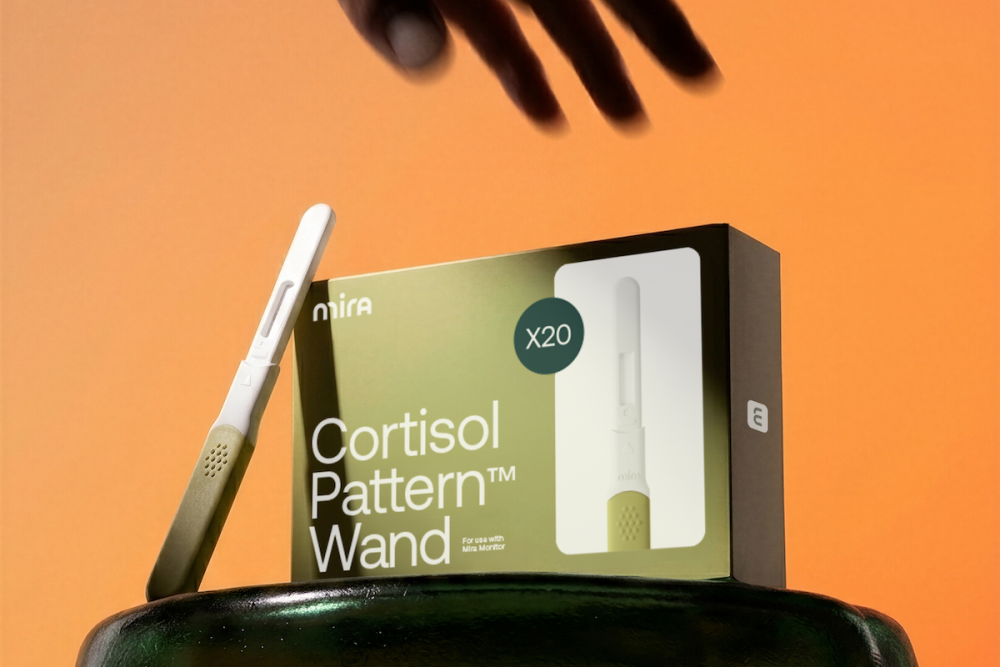
Mira has launched an at-home cortisol tracking kit that allows women to monitor stress-related patterns over time using urine samples.
The Cortisol Pattern Kit measures urinary free cortisol directly from a urine sample and displays results through the company’s existing monitor and app.
The system is intended for repeated testing rather than a single measurement, allowing users to compare results with a personal baseline built from their own data.
Mira said consistent daily testing can establish a baseline in about a week. It recommends testing in the morning and evening to see how cortisol patterns change throughout the day.
Cortisol is involved in the body’s stress response but is not a direct or complete measure of stress. The company said the kit is intended for general wellness use and is not designed to diagnose stress, an endocrine condition or any other medical condition.
The Cortisol Pattern Wands use the same lateral-flow testing format as Mira’s existing hormone tests. Users dip a wand into a urine sample, insert it into the Mira Monitor and view the result in the app within minutes.
The company said cortisol data can be viewed alongside cycle, hormone and daily routine information.
Sylvia Kang, founder and chief executive of Mira, said: “The Cortisol Pattern™ Kit gives women a new way to understand their stress patterns over time, in the context of their own biology.”
She added: “We built Mira to give women answers they had spent far too long searching for, beginning with the TTC journey and expanding into hormone and cycle tracking across life stages, including perimenopause. Now, we’re taking Mira beyond reproductive health and into everyday wellness, bringing personalised stress-pattern tracking directly into women’s homes.”
Mira said more than 350,000 women already use its platform to track their cycle and hormones.
Waitlist sign-ups for the Cortisol Pattern Kit and Cortisol Pattern Wands opened on 22 September, with wand refills available to pre-order in 20- and 30-count options.


Manchester City has launched a female athlete health platform covering menstrual, pelvic and breast health, as well as nutrition.
The Her City website is designed for the club’s women’s first-team players, coaches, support staff, academy players and parents.
Manchester City says the platform is the first of its kind in the Women’s Super League and was developed over two years.

The project was led by director of performance services Emma Deakin, physical performance scientist Rosie Anderson and PhD student and first-team nutritionist Sarah Malone.
It grew out of PhD research into menstrual, pelvic and breast health and nutrition, with the team seeking to turn that work into an online educational resource.
The website divides the four areas into separate sections and provides peer-reviewed information that the club says has been critically analysed by experts.
Content will continue to be reviewed and updated as further evidence emerges.
Resources include posters, visual explainers, audio materials and downloadable educational content, with information tailored to different groups including players and parents.
The platform aims to improve knowledge, develop critical analysis skills and strengthen communication within football and at home.
It also includes material to help users assess misinformation they encounter on social media or elsewhere.
A confidential contact form allows users to raise concerns or ask questions directly of experts at Manchester City.
Parents of academy players can also access the platform, with resources intended to help them support their children during a key phase of their development.
Manchester City said its longer-term aim is to make the platform available to all women working across City Football Group.












 Diagnosis2 days ago
Trust to decide how far back to review unnecessary breast cancer surgeries

 Diagnosis3 days ago
New test could cut need for invasive womb cancer checks

 Healthy ageing5 days ago
Higher BMI in early adulthood linked to lower breast cancer risk after menopause

 Business & startups4 days ago
Personalising women’s health with AI

 Pregnancy2 days ago
UK commits £254m to boost women’s maternal healthcare choices

 Pregnancy2 days ago
Parents given new right to two weeks’ leave after pregnancy loss
 Menstrual & gynaecological health4 days ago
Mira launches at-home cortisol tracking kit

 Diagnosis4 days ago
Targeted nanotherapy shows endometriosis promise