




Wellness
$1.9M grant will help protect newborns from necrotizing enterocolitis


A University of Arizona College of Nursing-led research team will use a $1.9 million Department of Health and Human Services grant to lead a nationwide effort to keep babies safe from the deadly threat of necrotizing enterocolitis, known as NEC.
According to the NEC Society, more than 3,500 babies are diagnosed with necrotizing enterocolitis in the United States each year, and at least one baby dies from NEC every day. The gastrointestinal disease involves infection and inflammation in the gut and is one of the 10 leading causes of infant death. Black and Hispanic babies die of NEC at significantly higher rates than white babies.
The grant, which was awarded by the Agency for Healthcare Research and Quality, a division of Department of Health and Human Services, will fund the widespread distribution of an NEC prevention bundle, NEC-Zero, to help neonatal intensive care units prevent and improve timely recognition of NEC.
“NEC is a devastating disease that has long-term complications and lifetime impacts on babies,” said principal investigator Sheila Gephart, PhD, RN, professor and interim chair of the Advanced Nursing Practice and Science Division at the U of A College of Nursing.
“The NEC-Zero prevention bundle helps clinicians in any location deliver excellent care to any baby.”
NEC-Zero, which was developed by Gephart, uses evidence-based interventions that are essential to reduce the risk of contracting NEC. Tactics include giving the baby the mother’s milk, using a feeding protocol, limiting antibiotic and antacid exposure, and using strategies for timely recognition of the condition.
The telehealth approach to share it with neonatal intensive care units was co-created with Kimberly Shea, PhD, RN, a clinical professor at the College of Nursing, and program coordinator Christina Wyles, PhD, RN, who is a doctoral student and U of A fellowship award recipient.
“Our approach using telehealth is like a driver’s manual to help the real heroes – clinicians who are in NICUs helping babies and parents deal with this awful disease,” Gephart said.
“Neonatal clinicians to do their very best work for every baby every day to reduce the burden of NEC in fragile infants. Our team is eager to come alongside them to support them in doing so.”
Gephart’s team will train, mentor and support health care providers on NEC-Zero using telehealth-based educational material developed in collaboration with the Arizona Telemedicine Program and the University of New Mexico’s Project ECHO. The goal is to work with as many as 30 neonatal intensive care units across the country in the next few years.
“One thing that is really special about the project is that we don’t just connect with NICU teams, we also encourage them to connect with families as partners,” Gephart said, adding that printed materials are available to assist families with babies who contract NEC.
“The support of the Agency for Healthcare Research and Quality is instrumental in allowing Dr. Gephart and her team to improve the health of infants through the invaluable resources and training provided in the NEC-Zero toolkit,” said Brain Ahn, PhD, dean of the College of Nursing.
“Research projects such as this are instrumental to the College of Nursing’s goal of significantly improving health care outcomes through nurse-led research, outreach and educational programmes.”


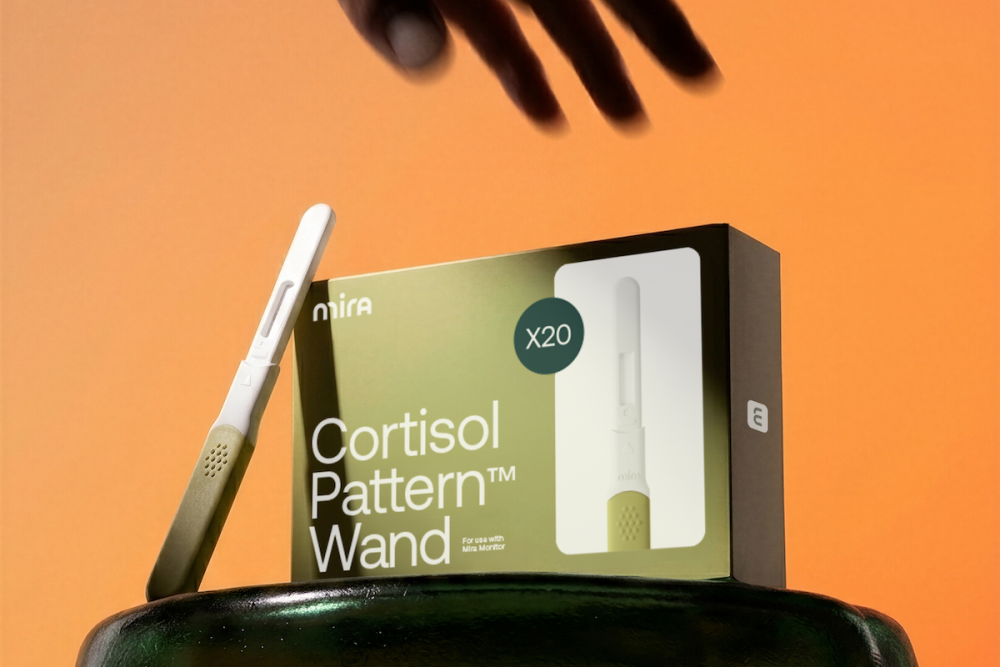
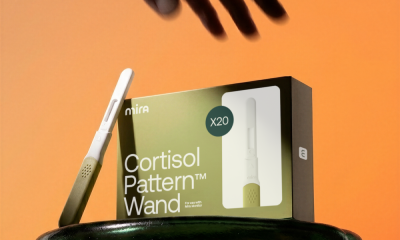
Mira has launched an at-home cortisol tracking kit that allows women to monitor stress-related patterns over time using urine samples.
The Cortisol Pattern Kit measures urinary free cortisol directly from a urine sample and displays results through the company’s existing monitor and app.
The system is intended for repeated testing rather than a single measurement, allowing users to compare results with a personal baseline built from their own data.
Mira said consistent daily testing can establish a baseline in about a week. It recommends testing in the morning and evening to see how cortisol patterns change throughout the day.
Cortisol is involved in the body’s stress response but is not a direct or complete measure of stress. The company said the kit is intended for general wellness use and is not designed to diagnose stress, an endocrine condition or any other medical condition.
The Cortisol Pattern Wands use the same lateral-flow testing format as Mira’s existing hormone tests. Users dip a wand into a urine sample, insert it into the Mira Monitor and view the result in the app within minutes.
The company said cortisol data can be viewed alongside cycle, hormone and daily routine information.
Sylvia Kang, founder and chief executive of Mira, said: “The Cortisol Pattern™ Kit gives women a new way to understand their stress patterns over time, in the context of their own biology.”
She added: “We built Mira to give women answers they had spent far too long searching for, beginning with the TTC journey and expanding into hormone and cycle tracking across life stages, including perimenopause. Now, we’re taking Mira beyond reproductive health and into everyday wellness, bringing personalised stress-pattern tracking directly into women’s homes.”
Mira said more than 350,000 women already use its platform to track their cycle and hormones.
Waitlist sign-ups for the Cortisol Pattern Kit and Cortisol Pattern Wands opened on 22 September, with wand refills available to pre-order in 20- and 30-count options.


Manchester City has launched a female athlete health platform covering menstrual, pelvic and breast health, as well as nutrition.
The Her City website is designed for the club’s women’s first-team players, coaches, support staff, academy players and parents.
Manchester City says the platform is the first of its kind in the Women’s Super League and was developed over two years.

The project was led by director of performance services Emma Deakin, physical performance scientist Rosie Anderson and PhD student and first-team nutritionist Sarah Malone.
It grew out of PhD research into menstrual, pelvic and breast health and nutrition, with the team seeking to turn that work into an online educational resource.
The website divides the four areas into separate sections and provides peer-reviewed information that the club says has been critically analysed by experts.
Content will continue to be reviewed and updated as further evidence emerges.
Resources include posters, visual explainers, audio materials and downloadable educational content, with information tailored to different groups including players and parents.
The platform aims to improve knowledge, develop critical analysis skills and strengthen communication within football and at home.
It also includes material to help users assess misinformation they encounter on social media or elsewhere.
A confidential contact form allows users to raise concerns or ask questions directly of experts at Manchester City.
Parents of academy players can also access the platform, with resources intended to help them support their children during a key phase of their development.
Manchester City said its longer-term aim is to make the platform available to all women working across City Football Group.










 Clinician / health professional2 days ago
Trust to decide how far back to review unnecessary breast cancer surgeries

 Diagnosis3 days ago
New test could cut need for invasive womb cancer checks
 Healthy ageing5 days ago
Higher BMI in early adulthood linked to lower breast cancer risk after menopause

 Femtech World Awards4 days ago
Personalising women’s health with AI

 Pregnancy2 days ago
UK commits £254m to boost women’s maternal healthcare choices
 Menstrual & gynaecological health4 days ago
Mira launches at-home cortisol tracking kit

 Research4 days ago
Targeted nanotherapy shows endometriosis promise

 Pregnancy2 days ago
Parents given new right to two weeks’ leave after pregnancy loss