




News
Start-up introduces ‘AI-powered’ mental health assessments for corporate wellness platforms
The capabilities are hoped to help corporate wellness programme administrators to better track employee wellness over time


The US mental health start-up Aiberry has announced a new version of its platform designed to meet the needs of corporate wellness platform users.
The platform uses an “AI-powered” therapeutic assistant to conduct a conversation to detect mental health disorders by analysing what is being said, the speech patterns being used and subtle changes in facial expressions.
New analytics capabilities introduced as part of the Aiberry corporate wellness platform are hoped to help corporate wellness programme administrators to track utilisation of the platform as well as employee wellness over time.
The company’s initiative comes at a time when the need for mental health programmes in the workplace has never been greater.
A recent survey conducted by Lyra Health revealed that while 86 per cent of employees say they have experienced at least one mental health challenge in the last year, only 33 per cent have received care.
An additional 33 per cent of employees said that their benefits fail to address their mental health needs, while 48 per cent of managers say they lack the resources and training needed to support team members’ mental health.
Research shows women are twice as likely as men to experience anxiety disorders such as panic attacks. They are also more likely to experience depression than men, with one in four women developing depression at some point in life.
The availability of virtual, AI-powered platforms could help bridge the gap between what is needed and what is currently available by providing access to better initial assessments and continuous mental health monitoring.
Linda Chung, Aiberry co-founder and co-CEO, said: “The expansion of the Aiberry platform into corporate wellness brings the benefits of AI-powered mental health assessment to a critical population, American workers, which is massively underserved by currently-available behavioural health resources.
“This delivers on our mission to offer objective, reliable, and scalable solutions via the power of AI, making behavioural healthcare accessible to all, and helps bring our vision, to empower patients and providers with the tools to effectively and efficiently assess behavioural health, to reality.”
Thomas M. Tegler, president at the corporate wellness management and technology company Wellworks For You, said: “The ability for us to introduce Aiberry into our clients’ corporate wellness programmes is great for us, but even better for them.
“Aiberry not only allows them to offer assessments whenever and wherever they need them, at any scale, but the new analytics embedded in the platform allows us to give them very specific guidance about where the areas of concern are within their employee population and what additional programs and resources they may need to address them.
“The result is that we become a better partner to them, and, most importantly, the health and wellness of their employees improve.”
Aiberry said the expansion of its platform for corporate wellness builds on a solid foundation of use in clinical settings including leading national recovery centres.
These facilities have seen assessment accuracy and patient wellbeing improve measurably since the platform was implemented, the company added.



BACKEER and Netalis Medical have won the Women’s Health × EmbryoNet-AI Startup Competition, an international initiative designed to accelerate the development of artificial intelligence solutions in women’s health.
The two winners will receive technical support worth up to €100,000, along with access to investors, to help them develop and validate their minimum viable products.
In total, the competition attracted 165 teams from Europe, Central Asia, Africa and other parts of the world. The field included early-stage startups, research laboratories and clinical groups applying artificial intelligence to solve women’s health challenges.
“We selected participants based on their potential impact on women’s health, scientific and commercial viability, data availability, alignment with EmbryoNet-AI’s capabilities, programme feasibility, as well as ethical and sustainability considerations. Both winning teams demonstrated outstanding performance across all these criteria,” said Elena Lipilina, co-founder of EmbryoNet-AI.

Kazakhstan-based BACKEER is developing a fibre-optic biosensor platform for the rapid and highly sensitive detection of biomarkers. The technology aims to improve the early diagnosis of breast cancer and increase the accuracy and speed of laboratory testing. The company plans to use the programme’s resources to build the AI-driven platform and interface for the biosensors.
South African startup Netalis Medical is building a solution for ultrasound diagnostics and maternal-fetal health monitoring. The product addresses the shortage of qualified healthcare professionals and diagnostic equipment in underserved regions by offering a more affordable and accessible alternative to conventional ultrasound systems. The company plans to use the support to build an annotated proprietary ultrasound dataset for use in ultrasound diagnostics.
The Women’s Health × EmbryoNet-AI Startup Competition was held in Portugal. It included a Mentor Sprint, where participants worked with experts in technology, marketing and clinical practice to refine their solutions and business models, and culminated in a Live Pitch Day.
The selected teams presented their solutions to investors and industry stakeholders, including femtech strategic advisor Rocsi Chereches; Dr Sabine Seymour, founder of the women’s educational platform Re.punk; Fabien Lanteri, head of health strategy and innovation; Alla Zarifyan, co-founder and head of strategy at Heartgene Science; Evgenia Zaslavskaya, founder and chief executive of communications agency Zecomms; and serial entrepreneur and angel investor Isabel Holguera Vera. They evaluated applications on their potential impact on women’s health, scientific and commercial viability, alignment with EmbryoNet-AI’s capabilities, programme feasibility, and ethical and sustainability considerations.
The winning teams will now enter a build period of eight to 10 weeks, during which EmbryoNet-AI will deliver a fully developed, services-first pilot at no cost. The companies will also gain direct access to investors active in women’s health and AI-driven biotech, as well as enhanced public credibility through investor-ready materials, including pitch decks, and media exposure.
The Women’s Health × EmbryoNet-AI Startup Competition is a first-of-its-kind programme for femtech startups and research labs, bringing together innovators working at the intersection of artificial intelligence and women’s health.
The initiative, launched by the scientific platform EmbryoNet-AI in partnership with FemTech Real Money Talks Media, a European media platform covering innovation in women’s health and femtech, aims to accelerate real-world breakthroughs by transforming early-stage ideas and clinical questions into working AI solutions.
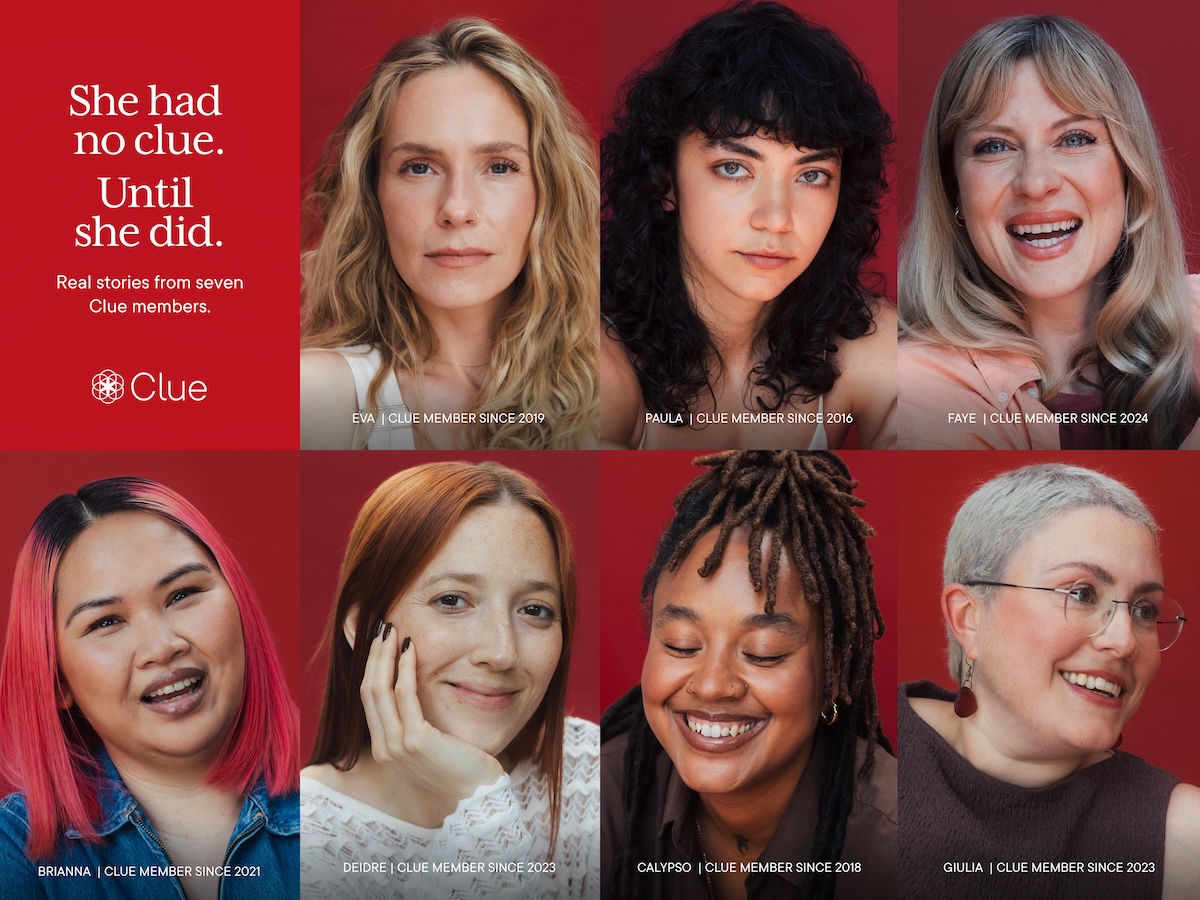
“She Had No Clue, Until She Did.” draws on real member experiences, from PMDD and painful periods to fertility and mental health.
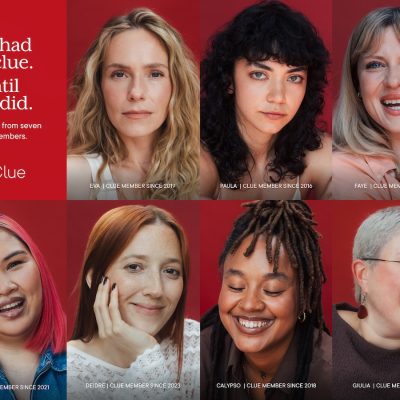
Cycle-tracking app Clue has launched a new campaign, “She Had No Clue, Until She Did.”, built around the experiences of seven of its members who found clarity about their health after years of symptoms, questions and hormonal uncertainty.
The campaign captures the moment each woman finally connected the dots, whether that was a PCOS diagnosis that made sense at last, the realisation that anxiety followed a pattern, or a conception journey that suddenly felt less overwhelming. The stories span PMDD, painful periods, fertility, mental health and cycle-related wellbeing.
According to Clue, that moment of clarity often arrives later than it should, with symptoms dismissed, concerns minimised and hormonal health poorly understood. Too many women, the brand says, leave appointments with unmet needs, made to believe their pain was in their heads when they were simply missing the proof.
For some members, tracking their data led to a diagnosis. For others, spotting patterns brought reassurance, confidence, or the language to explain something they had lived with for decades. Clue frames the campaign as part of a broader shift in women’s health, with more women paying attention to patterns, asking questions and seeking to understand their own hormonal picture.
“The most meaningful stories are often the ones that people recognise in themselves,” said Louise Troen, chief marketing officer at Clue. “What struck us throughout this campaign was not how different these women’s experiences were, but how familiar they felt. The uncertainty, the self-doubt, the sense that something wasn’t quite right, and then the moment when everything finally clicked into place.
“The more time we spent listening, the more obvious it became that some of the most powerful stories were already within our community. Personal stories, but not isolated ones. Experiences that felt unique to the women sharing them, yet instantly recognisable to so many others. This is what we believe makes Clue so unique as a brand, and by championing some of our real, raw and relatable stories, we hope even more women can feel less alone.”
Meet the members
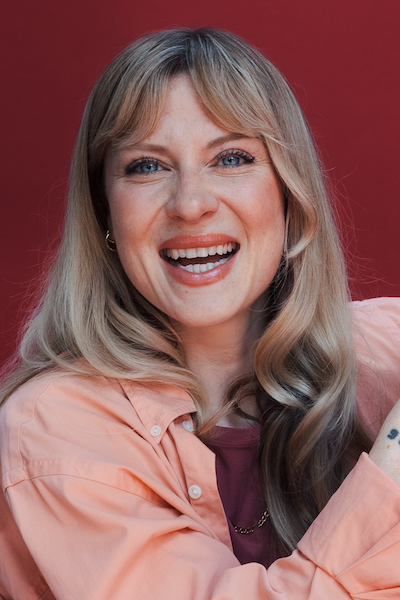
Faye, 36 PMDD, ADHD and hormones Faye began tracking her cycle two years ago and received a PMDD diagnosis three months ago. By the time her doctor asked her to track her symptoms, she already had the information ready. Tracking supported her diagnosis and also revealed a connection between her ADHD symptoms and different phases of her cycle, helping her understand patterns she had previously put down to stress and overwhelm.
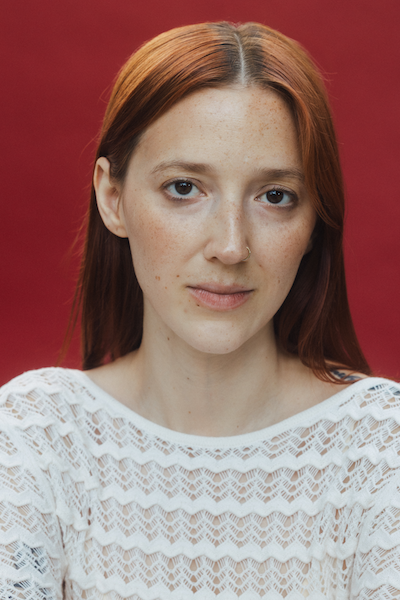
Deirdre, 35 PMDD and emotional wellbeing For years, Deirdre noticed recurring anxiety, brain fog and emotional overwhelm in the lead-up to her period, but struggled to understand why. After her doctor suggested PMDD, tracking helped reveal a clear pattern. Understanding the role her hormones were playing transformed how she approached her mental wellbeing, helping her plan ahead, show herself more compassion and navigate difficult stretches.
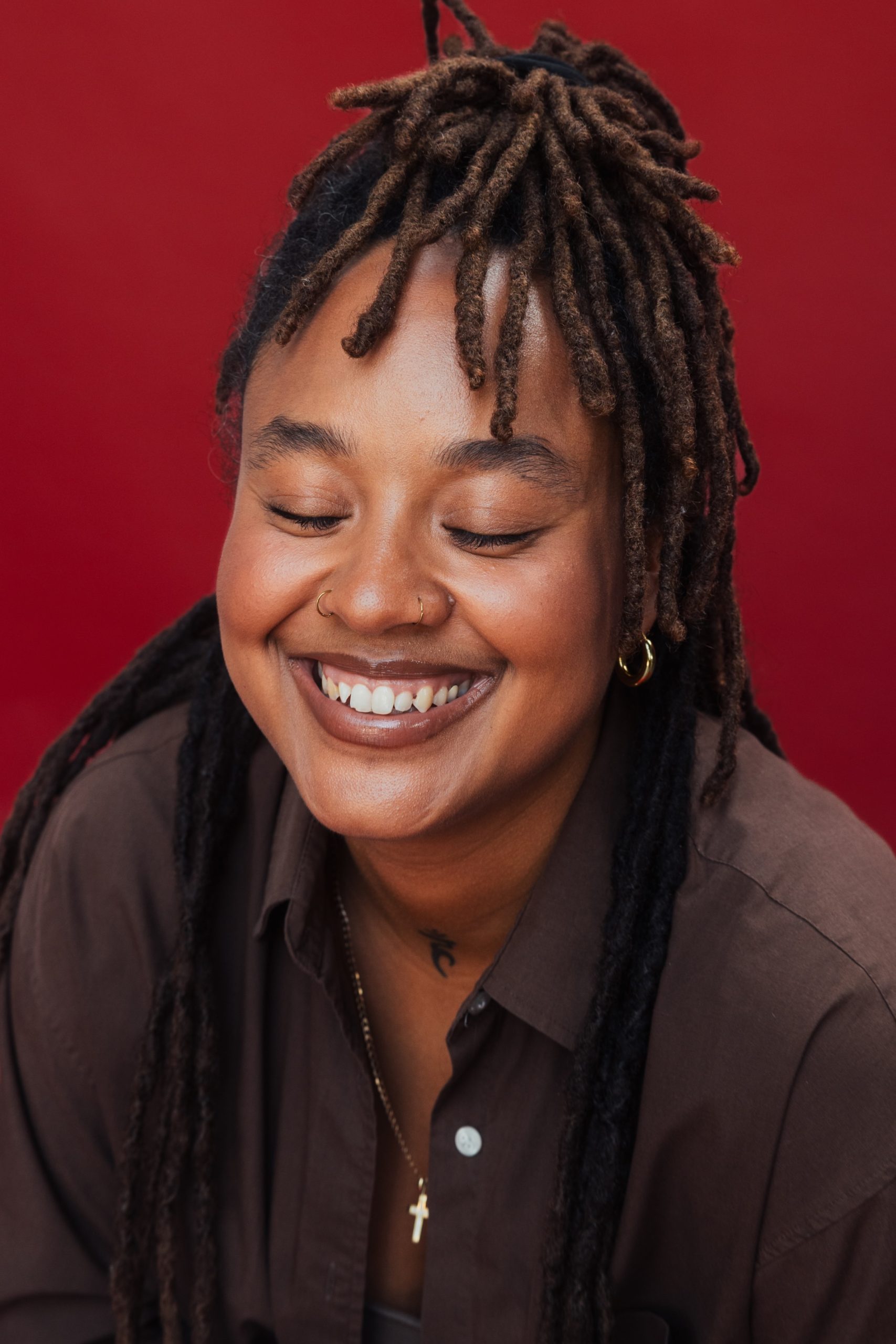
Calypso, 32 Adenomyosis, fertility and diagnosis Living with painful, heavy periods for much of her adult life, Calypso used tracking to document symptoms that were often dismissed. Over time, that evidence helped support diagnoses for adenomyosis and an autoimmune condition, with investigations for endometriosis ongoing. More recently, tracking also played a part in helping her and her wife navigate fertility treatment and pregnancy planning.

Brianna, 32 PCOS and self-advocacy After experiencing irregular periods from a young age, Brianna struggled to find information that reflected their reality. Tracking helped build a clearer picture of their health, ultimately supporting a PCOS diagnosis and providing evidence to bring into healthcare conversations. They continue to track as a way of monitoring changes and advocating for themselves when something doesn’t feel right.
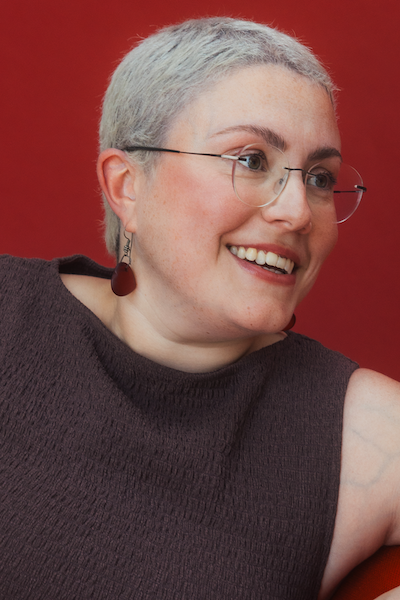
Giulia, 35 Fertility and conception After 15 years on hormonal contraception, Giulia began tracking her cycle as she prepared to start trying for a baby. What began as a practical tool quickly became a deeper education in her own reproductive health. The insights she gained aligned closely with guidance from her gynaecologist, helping her approach conception with confidence and supporting her journey to pregnancy.
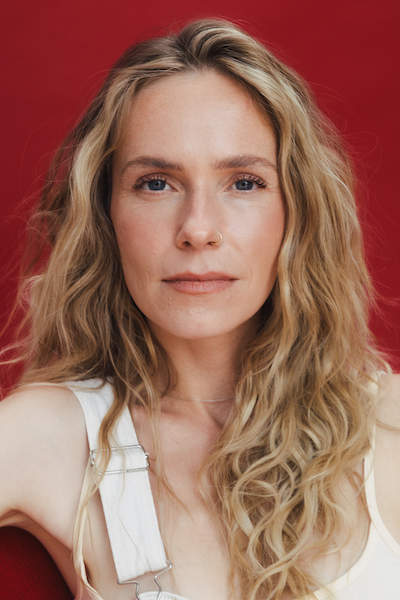
Eva, 32 Self-confidence and body literacy For Eva, tracking was the start of a broader journey towards understanding and trusting her body. After years of feeling dismissed by healthcare professionals and offered one-size-fits-all solutions, she began paying closer attention to her own patterns. The result was a stronger sense of agency, confidence and connection to her health.

Paula, 29 Fitness, PMS and performance A Clue member for more than a decade, Paula sees her cycle as a valuable source of information rather than a monthly inconvenience. Tracking has helped her understand changes in energy, recovery, PMS and performance, while also giving her evidence to advocate for herself when symptoms became more severe. What began as period tracking evolved into a deeper understanding of her overall wellbeing.
Rollout
“She Had No Clue, Until She Did.” rolls out across Clue’s channels from late June through a series of films, interviews and storytelling content exploring the moments women finally connected the dots. Member interviews and imagery are available on request, alongside expert insight from Clue chief executive Rhiannon White, chief marketing officer Louise Troen, and chief medical officer and OB/GYN Dr Charis Chambers.
Creative visuals were produced by agency The Coolective.
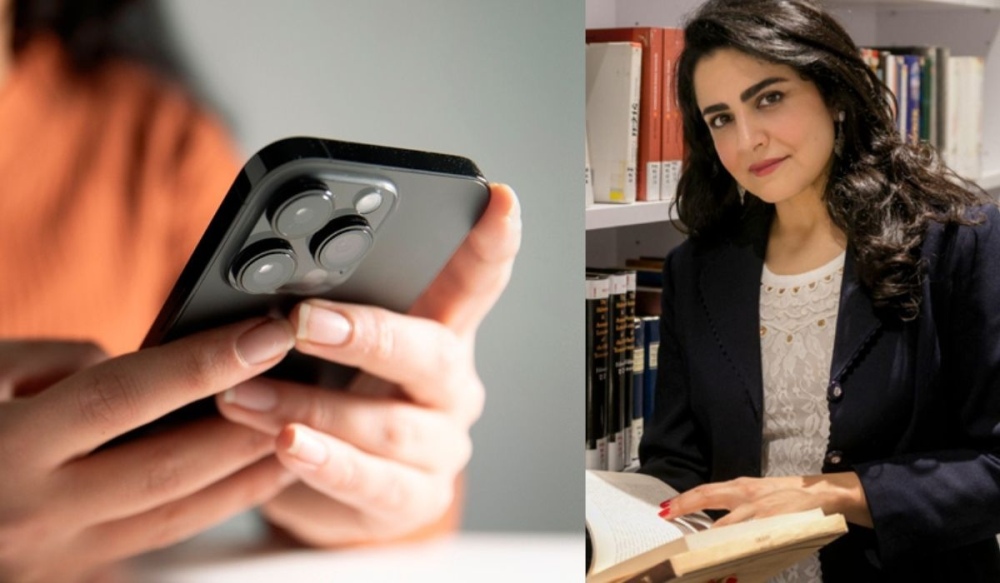
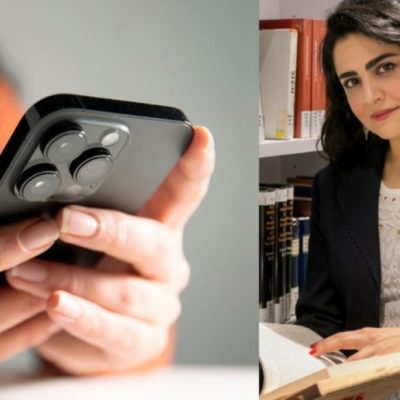
By Somayeh McKian, a member of the clinical advisory board of Vea, the AI-powered mental health journal app
The danger of efficiency culture in women’s mental tech is that we are inadvertently optimizing the very patterns that drive our collective burnout.
When we look at the explosive growth of the femtech sector, the dominant narrative remains focused on speed, tracking, and passive compliance.
We build apps that treat a woman’s emotional state like a broken supply chain or a medical deficit that needs to be optimised, streamlined, or forced into submission.
But true psychological resilience cannot be quantified by a simple mood slider or an algorithmic checkmark.
As a psychotherapist and gender studies scholar, my research into the lived experiences of women, particularly how cultural mandates and bodily surveillance are pathologised, reveals a deep-seated form of suffering.
When women constantly say “yes” while meaning “no,” or ignore a chronically depleted body to maintain a rigid role, they are living out what I call an “inkless life.”
It is a blank manuscript in which their physical and emotional existence has been entirely authored by external critics, medical charts, and the “Discourse of the Other.”
They aren’t suffering from an efficiency problem; they have been stripped of the agency to author their own skin.
If femtech platforms simply digitise these rigid, externalised “shoulds,” they risk becoming high-tech tools of compliance rather than portals of liberation.
The investment community and health tech innovators need to realise that the next frontier of mental health tech isn’t about managing symptoms on the fly; it is about existential archaeology.
We must build digital spaces that serve as a “corporeal pen,” transforming self-reflection from a passive hobby into a defiant, existential act.
True innovation lies in helping women find the meaning, the latent metaphors, and the unique tasks already written into their struggles and transforming inherited pain into a human achievement.
This is exactly the structural paradigm shift we are anchoring at Véa. Instead of building superficial tracking logs, our architecture treats life as a manuscript.
We design clinical narrative journeys that help women decode where their internal boundary scripts were written, recognize how somatic depletion is a truth-teller, and wield phrases like “stop it” not as external policing, but as internal, defiant boundaries.
If we want to build a sustainable ecosystem for women’s health, we must stop funding platforms that merely help women endure their exhaustion more efficiently.
In the intersection of meaningful life and technology, we look at the human spirit not by its current restrictions but by its latent potential for change.
It is time to back technologies that give the fluent soul a sharp new set of instruments to rewrite its own narrative.
Somayeh McKian is a certified psychotherapist, in-training logotherapist, gender studies scholar, published author and part of Véa’s clinical advisory board.



 News2 weeks ago
Ovum secures US$4m in seed funding

 Entrepreneur1 week ago
Xella launches AI-powered precision health platform

 Menopause2 weeks ago
Hormone therapy users report healthier lifestyles
 Insight2 weeks ago
Women’s health summit to tackle ‘enormous’ AI opportunity
 Ageing2 weeks ago
Strength training may lower heart disease risk in women, study suggests
 Adolescent health2 weeks ago
WUKA launches UK’s first heavy flow period-proof competition swimwear range

 Fertility1 week ago
Most IVF add-ons not backed by reliable evidence, research finds

 News1 week ago
EU committee warns of women’s health ‘blind spot’
1 Comment