




Diagnosis
NHS rolls out new generation ‘artificial pancreas’ to help pregnant diabetic women


Thousands of pregnant women in England with type 1 diabetes will receive a pregnancy-specific artificial pancreas to help manage blood glucose and protect maternal and baby health.
The hybrid closed loop system combines an insulin pump, glucose sensor and mobile phone algorithm.
It calculates and delivers insulin around the clock, and uniquely allows women to set lower glucose targets required for safer pregnancy outcomes.

Kate Brintworth, chief midwifery officer for England, said: “This life-changing technology is great news for women with type 1 diabetes because their chronic condition can make it difficult for them to effectively regulate their blood glucose levels to have a safe pregnancy.
“Effective management of blood glucose levels before and during pregnancy for women living with type 1 diabetes has been shown to reduce the risk of poor maternity outcomes, such as miscarriage, stillbirth and birth injuries, and minimise risk to a baby’s development.
“The NHS is offering this cutting-edge ‘artificial pancreas’ because we want to transform the experiences of women with type 1 diabetes – helping to make this special time in their life safer, less stressful, and more enjoyable.”
Around 2,000 women with type 1 diabetes become pregnant each year in England.
Pregnancy hormones can make glucose control more difficult, raising risks of miscarriage, stillbirth, birth injuries and babies needing intensive care if unmanaged.
More than 600 pregnant women have already received the device through NHS diabetes specialist midwives and diabetologists in the first phase of rollout.
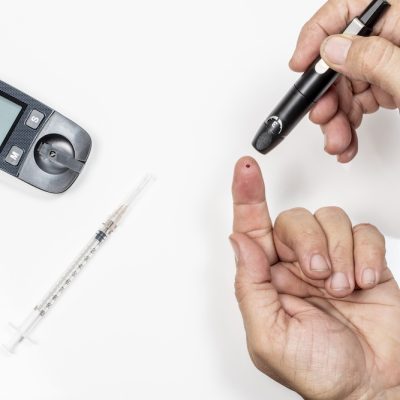
The system reduces the need for finger prick tests and insulin injections.
It also allows NHS teams to monitor women remotely, cutting hospital visits. By learning glucose patterns, it adjusts insulin automatically when levels rise or fall.
Poor glucose control can lead to larger babies – on average around 50 per cent bigger than typical for their gestational age – which increases later risks of obesity, type 2 diabetes and cardiovascular disease.
The rollout is part of NHS England’s Saving Babies’ Lives care bundle version 3, aimed at cutting stillbirths, preterm births and brain injuries.
Health chiefs have allocated £3.7m for local systems to support the rollout, within a wider £60m fund to expand access to other type 1 diabetes groups this year.
Partha Kar, type 1 diabetes technology lead at NHS England, said: “The rollout of this technology is another example of the NHS taking action to ensure that patients can benefit from the latest technological innovations to improve their medical care.
“The universal uptake of continuous glucose monitors by women living with type 1 diabetes was driven by NHS action on this issue in 2019 – a global first – and has led to improvements in outcomes for them.
“It has also paved the way for yet another ‘first’ for the NHS by enabling us to roll out this specialist hybrid closed loop system.
“This ingenious – yet simple – technology is helping pregnant women living with type 1 diabetes – and those planning a pregnancy – live better lives, improving maternal outcomes, reducing serious health complications, and making care simpler.”












Insight
Experimental treatment significantly slows progression of fatal brain disease in women, study finds

Davunetide may significantly slow the progression of a fatal brain disease in women, according to a new analysis of clinical trial data.
The findings indicate that women and men with progressive supranuclear palsy (PSP) may respond differently to the experimental treatment.
Progressive supranuclear palsy, or PSP, is a rare and fatal neurodegenerative disease.

Researchers at Tel Aviv University led the analysis and said the results reinforce the need for sex-specific approaches to neurodegenerative diseases.
Neurodegenerative diseases are conditions in which nerve cells in the brain or nervous system gradually lose function and die.
The team reanalysed data from a 52-week international clinical trial involving more than 300 people with PSP.
The disease is caused by the abnormal accumulation of tau protein in the brain. Tau is a protein found in nerve cells that builds up abnormally in people with PSP.
There is currently no effective drug treatment for the disease.
The work was led by professor Illana Gozes of the Sagol School of Neuroscience and the Gray Faculty of Medical and Health Sciences at Tel Aviv University.
The research team included current and former students Dr Guy Shapira, Jason Blatt and Liri Guz, together with professor Noam Shomron.
The original clinical trial found that Davunetide was safe but ineffective.
However, the researchers separated female and male participants and re-examined the data using updated assessment measures recommended by the FDA.
Women treated with Davunetide experienced a significant slowing of disease progression, while no similar effect was observed in men.
The treatment helped preserve essential movement and functional abilities, including balance, fine motor skills and everyday tasks such as using cutlery, buttoning clothes and washing the face and hands.
Fine motor skills are the small, precise movements needed for tasks involving the fingers and hands.
Treated women also showed significant improvements in language ability, working memory and overall cognitive function.
Cognitive function covers mental abilities such as memory, attention, language and problem-solving.
The analysis also identified profound molecular differences between women and men.
The relationship between levels of pathological tau in cerebrospinal fluid and clinical symptoms was completely reversed between the sexes.
Cerebrospinal fluid is the clear liquid surrounding the brain and spinal cord. A biomarker is a measurable sign that can indicate disease activity.
For example, language abilities declined significantly as tau pathology increased in women, but not in men.
The researchers said this suggests the disease mechanisms may work differently in women and men, potentially explaining their different responses to treatment.
According to professor Gozes, overlooking biological differences between the sexes may hide a genuine treatment effect.
“Our data show that analysing women and men separately is not merely a statistical exercise, but an essential tool for developing more effective treatments for neurodegenerative brain diseases,” she said.
The researchers believe the findings provide a strong scientific basis for future clinical trials and treatment protocols designed from the outset to account for patients’ sex.
These trials could evaluate Davunetide as a targeted treatment for women with PSP.
They said the approach may also pave the way for more precise treatments for tau-related diseases, including Alzheimer’s disease and other neurodegenerative brain disorders.
The study was supported by ExoNavis Therapeutics, which is developing Davunetide for brain diseases under licence from Ramot, Tel Aviv University’s technology transfer company.


A preeclampsia study has found unusual cell activity in mothers and babies that could reveal new targets for treatment.
The condition affects 2 to 4 per cent of pregnancies worldwide and is a leading cause of maternal and foetal mortality.
There is currently no cure, and severe cases can put both the mother and baby at risk.
Scientists from UCL and University College London Hospitals found that stressed placental cells, poorly functioning blood vessels and an overactive immune response all contribute to the condition.
Preeclampsia causes high blood pressure during pregnancy. It can affect blood flow to the baby and cause symptoms such as swelling, headaches, blurred vision and pain under the ribs.
Without treatment, it can damage the mother’s health, slow the baby’s growth and, in severe cases, become life-threatening.
Previous research has focused only on the placenta, the organ that develops during pregnancy to support the baby’s growth, rather than the tissues around it.
The researchers said the findings could reveal new therapeutic targets, which are biological processes that future treatments could be designed to alter.
Senior author professor Sara Hillman, of the UCL EGA Institute for Women’s Health, said: “We studied individual cells from both the mother and the baby to see how their activity changes in healthy pregnancies compared with preeclampsia.
“This helped us to confirm some changes already suspected in the condition and also discover new ones.”
The team studied 20 pregnant women recruited at UCLH, including 10 with severe preeclampsia and 10 without the condition.
They used genomic testing to examine individual cells in the placenta and other tissues where cells from the developing baby and mother come into contact.
Genomic testing examines genetic information to help researchers understand how cells behave and the roles they may play.
The other tissues studied were the myometrium, the muscular layer of the womb, and the chorioamniotic membranes, which surround the baby during pregnancy.
The team compared cells from healthy pregnancies and those affected by preeclampsia at different gestational ages, meaning different stages of pregnancy.
They used technology that can read the genetic information of thousands of individual cells at the same time, allowing them to see what each cell was doing and where it was located in the tissue.
In preeclamptic pregnancies where babies were born prematurely, before 37 weeks, during the third trimester, placental cells showed signs of stress and low oxygen levels.
The cells also did not use energy in the normal way.
Some cells responsible for reshaping the mother’s blood vessels were not working properly, the researchers found, which may affect blood flow to the baby.
There were also signs of an overactive immune response in the placenta, nearby tissues and the mother’s blood.
The researchers said this response, together with other stress molecules released by the placenta, helps explain why preeclampsia affects the whole body and can become serious.
They hope the findings will help researchers find treatments for the condition and potentially save lives.
Co-lead author Dr Yara Sanchez Corrales, of the UCL Great Ormond Street Institute of Child Health, said: “These findings point to specific biological processes that could be targeted with treatments. Acting early in pregnancy, especially in more severe early-onset cases, could help improve outcomes and reduce the high risks associated with severe preeclampsia.
“We hope that our findings may set us on the path to reducing premature births and fatalities associated with preeclampsia.”
Co-lead author Mr Theodoros Xenakis, of the UCL Great Ormond Street Institute of Child Health, said: “Future studies may provide an even clearer picture of the biological changes linked to the disease by including more participants and using even more precise methods.”


A new reporting tool built specifically for obstetrics and maternal-fetal medicine has launched, aimed at teams managing increasingly complex pregnancies with limited time and resources.
Trice Imaging has released Trice Workspace Reporting, which connects imaging, reporting and longitudinal patient data in a single workflow to support faster clinical decision making.
Birth rates are falling worldwide, but pregnancies are getting more complicated. Advanced maternal age, IVF-assisted pregnancies, rising obesity rates and a higher prevalence of hypertension and diabetes mean more cases now require specialist monitoring, advanced imaging and multidisciplinary care.
At the same time, clinical teams are stretched and facing growing administrative demands.
Trice Workspace Reporting brings together customisable reporting, dynamic pregnancy dating and longitudinal patient history with an AI-ready, EHR-interoperable infrastructure, all inside the company’s Tricefy image management platform.
The company says it aims to accelerate standardised and synchronised report turnaround, support timely clinical decisions and improve operational efficiency for fetal medicine services.
“Maternal fetal medicine teams are managing increasingly complex pregnancies while being asked to do more with limited time and resources,” said Mark A. Samii, chief revenue officer at Trice Imaging.
“Trice Workspace Reporting is designed to remove unnecessary friction from reporting by creating a structured digital foundation that supports today’s need for connected clinical workflows.
“It also provides a digital foundation as practices prepare for tomorrow and the evolution of AI-enabled fetal assessment, anomaly detection and outcome prediction technologies.”
Trice Imaging describes its mission as transforming the women’s health journey by connecting physicians, patients and healthcare systems. From independent practices to large hospital ecosystems, it aims to reach the entire women’s health continuum, spanning IVF and reproductive health, maternal-fetal medicine and OB/GYN, and onwards to lifelong women’s health.
For more than 17 years the firm has worked on cloud-based storage, retrieval, display, organisation and exchange of ultrasound medical images and associated information across health environments.
Its wider platform now extends to dynamic clinical reporting, AI-driven workflow optimisation, data analytics and secure patient engagement.
Trice Imaging holds regulatory and data protection clearances in 40 countries. It has offices in Miami and Stockholm, alongside a growing network of global distributors.











 News2 weeks ago
New menopause drug approved for use by NHS in Scotland

 Hormonal health2 weeks ago
Stardust period tracker shares health data, study reveals

 News1 week ago
Zero Candida market set to reach over US$2 billion by 2030 – report

 News2 weeks ago
Women’s health draws record $1.55bn in equity as capital spreads beyond the mega-rounds

 Entrepreneur2 weeks ago
Onto Health acquires diagnostics software company Levy Health

 Insight6 days ago
From Hologic to Ark Surgical: Why Joseph LaBruzzo is betting on the future of women’s surgical innovation

 Mental health1 week ago
Nearly 60% of young women get health advice from influencers, research finds

 Wellness2 weeks ago
Congress urged to invest over $20bn to close women’s health gap