




News
New technology for assisted reproduction could reduce time to pregnancy
The technique has the potential to reduce the time and treatment cycles needed to achieve pregnancy through IVF


A new technology could make it possible to classify the quality of embryos faster and twice as accurately as expert embryologists.
The technology, developed by the Institute for Bioengineering for Catalonia (IBEC), uses imaging and AI to analyse the metabolism of embryos and oocytes obtained through IVF in order to decide which are most likely to implant in the uterus and reach full-term.
The technique promises to reduce the time and treatment cycles needed to achieve pregnancy through IVF, minimising the emotional and financial burden on patients.
According to researchers, the method, called METAPHOR, generates 3D images that reveal the colours present in the embryo in a non-invasive way. Certain naturally fluorescent compounds in the embryo’s metabolism are also key to processes, such as cellular respiration or nutrient consumption, making METAPHOR a “reliable” way to monitor the embryo’s health.
“This new technology will help to increase the probability of success in assisted reproduction processes, reducing the so-called ‘time to pregnancy’ and the economic and psychological burden on patients,” said Samuel Ojosnegros, principal investigator at IBEC and leader of the study.
A paper, published in PNAS, describes how, in studies with mice, the researchers using the method were able to double the success rate in selecting viable embryos compared to embryologists using traditional microscopy.
In addition to embryo analysis, the technique has been shown to be “highly accurate” in analysing oocyte metabolism, allowing the most suitable oocytes to be selected for IVF.
The researchers compared oocytes from young and older females and showed that METAPHOR system discriminated between young and non-young oocytes with 96 per cent accuracy and was able to predict which would develop into viable embryos with over 80 per cent accuracy.
Anna Seriola, senior researcher in the Ojosnegros group and author of the study, said: “We are able to assess the loss of oocyte quality associated with the loss of fertility with age.
“We look for so-called ‘molecular signatures’, characteristics of the cells that are associated with this loss of fertility, such as the distribution of mitochondria.
“From this information, we can predict which oocytes will develop and which will not. This would be a breakthrough in the management of fertility donation and preservation.”
The technological basis of METAPHOR uses AI methods to analyse metabolic images obtained by hyperspectral microscopy, explained Albert Parra, a researcher in the Ojosnegros group and first author of the study.
“Using hyperspectral microscopy, we acquire hundreds of images containing complex information of many mixed metabolites from embryos and oocytes.
“To analyse them, we trained an AI tool capable of analysing and classifying these images in a few minutes.”
Researchers are currently fine-tuning the technology to evaluate human embryos and have established a spin-off company to bring the technology to assisted reproduction clinics in the coming years.
To receive the Femtech World newsletter, sign up here.





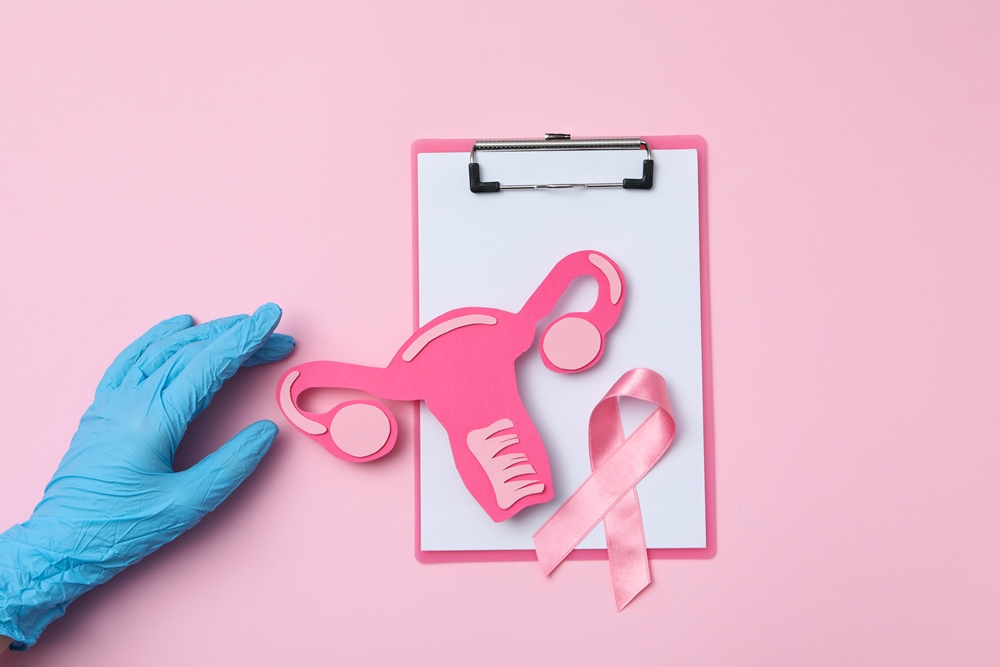
A non-profit has launched an endometriosis documentary featuring Amy Schumer and Marilyn Monroe as it pushes for changes in how the condition is treated and understood.
The Endometriosis Collective has launched to change how endometriosis is researched, treated and understood, starting with a documentary featuring stories from people including Amy Schumer and Marilyn Monroe.
The feature-length documentary, “End of the Cycle”, will premiere in New York on Tuesday, and The Endometriosis Collective is making the film free to stream online.

Schumer, a comedian, writer and actor, has previously spoken of how endometriosis left her “on the floor in pain, vomiting from the pain, the pain that nobody can see.”
Schumer is one of several celebrities featured in the documentary. Other contributors include dancer Julianne Hough, Olympic medallist Brittany Brown and actors Janel Parrish and Folake Olowofoyeku.
The Endometriosis Collective timed the documentary premiere to coincide with the 100th anniversary of Marilyn Monroe’s birth.
Monroe, who died in 1962, starred in films such as “Some Like It Hot” and “Gentlemen Prefer Blondes.”
According to a biography published in 1985, Monroe’s endometriosis was so severe that it destroyed her marriages, her wish for children, her career and ultimately her life.
The Endometriosis Collective said the documentary shares newly uncovered information about Monroe’s experience with endometriosis.
The non-profit said the information connects Monroe’s story to the experiences of women across generations, highlighting how far awareness, research and care still have to go.
A representative of the Marilyn Monroe Estate said: “By sharing this part of her story through ‘End of the Cycle,’ we hope to honour her legacy in a way that brings visibility to endometriosis, encourages more open dialogue and helps inspire the research needed to create change.”
As part of the premiere, The Endometriosis Collective is holding a panel discussion.
Schumer, Brown and Olowofoyeku, the documentary’s co-directors Sammy Jaye and Soraya Simi, and medical experts are due to be part of the premiere.
AbbVie’s Orilissa and Sumitomo Pharma’s Myfembree are among the approved drugs for endometriosis pain.
Hough, one of the participants in the documentary, starred in an Orilissa campaign in 2017.











 Menopause1 week ago
Perimenopause misinformation ‘putting women at risk’

 News4 weeks ago
NIH Grant terminations disproportionately impact minority scientists, research finds

 Adolescent health4 weeks ago
WUKA brings Period-Positive Pool Party to London Aquatics Centre to keep girls swimming through puberty

 Insight3 weeks ago
PCOS renamed after decade-long campaign to end ‘cyst’ misconception

 Hormonal health2 weeks ago
NHS urged to update website following renaming of PCOS

 Mental health4 weeks ago
CBT shows promise for menopause insomnia and hot flashes

 Events4 weeks ago
WHIS 2026 unveils agenda and first speakers for the leading women’s health summit

 News7 days ago
Three menopause innovators shortlisted for Femtech World Award
2 Comments