News
Fertility app to pay US$200K after sharing sensitive user data
Premom developer has been accused of deceiving users by sharing their personal information
The US fertility and ovulation-tracking app Premom will pay US$200,000 to settle claims that it shared highly sensitive user data with third parties.
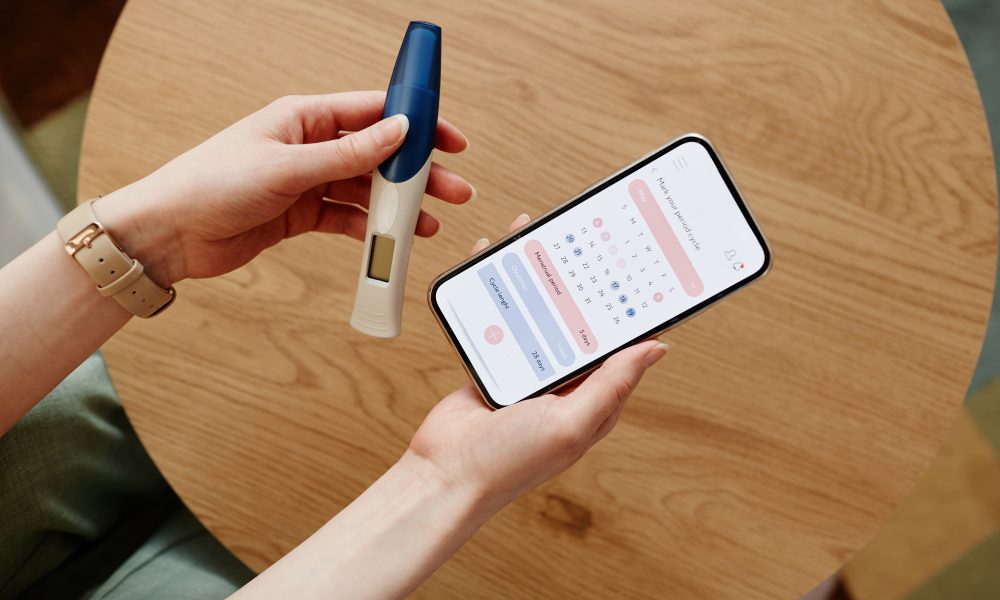
Premom, a free app that helps women track ovulation, periods, and other health information, encourages users to provide information about their menstrual cycles, fertility, and pregnancy and import their data from other apps and devices.
Its developer, Easy Healthcare, has been accused by the Federal Trade Commission of deceiving users by sharing their personal information with two China-based firms and other third parties and sharing sensitive health data with AppsFlyer and Google.
The FTC did not disclose the names of the firms that got hold of the sensitive information, but said they had been “flagged for suspect privacy practices”.

The agency has said the Illinois-based company did not notify consumers of the unauthorised disclosures as required under the Health Breach Notification Rule.
The data Easy Healthcare shared with third parties “revealed highly sensitive and private details about Premom’s users and led to the unauthorised disclosure of facts about an individual user’s sexual and reproductive health, parental and pregnancy status, as well as other information about physical health conditions and status,” the FTC has added.
Samuel Levine, director of the FTC’s Bureau of Consumer Protection, said: “Premom broke its promises and compromised consumers’ privacy.
“We will vigorously enforce the Health Breach Notification Rule to defend consumer’s health data from exploitation. Companies collecting this information should be aware that the FTC will not tolerate health privacy abuses.”
According to the complaint, Premom failed to encrypt adequately the data it shared with third parties, including those in China, subjecting this data to potential interception or seizure.
The FTC has announced a proposed order that would have Easy Healthcare pay a US$100,000 civil penalty for violating the Health Breach Notification Rule and another US$100,000 to Connecticut, the District of Columbia and Oregon, for violating their respective laws.
Easy Healthcare Corporation, the FTC has said, would be barred from sharing users’ health data with third parties for advertising, required to obtain users’ consent before sharing health data for any other purpose, and required to tell users how their personal data will be used.
Experts have previously called for greater transparency around women’s health apps, amid concerns that app developers share their users’ data for advertisement and marketing purposes and “hide” data collection practices.
A Secure Data Recovery study has recently found that women’s health applications have secured the “dishonourable crown” of being the least trusted applications in the US.
According to the study, “respondents were most concerned about women’s health apps tracking their data… (with) more people reported having concerns with these apps than people who actually reported using the apps”.

Insight
Topical HRT protects bone density in women with period loss – study
Transdermal HRT best protects bone density in women with functional hypothalamic amenorrhoea, a condition that stops periods, a review of trials has found.
The meta-analysis pooled randomised clinical trials involving 692 participants and found transdermal hormone replacement therapy and teriparatide increased bone mineral density by between 2 and 13 per cent.
Functional hypothalamic amenorrhoea can follow anorexia or intense exercise. Bone mineral density measures bone strength and the amount of mineral in bone.
Around half of women with the condition have low bone mineral density, compared with about 1 per cent of healthy women, and their fracture risk is up to seven times higher.
The research was conducted by scientists at Imperial College London and Imperial College Healthcare NHS Trust.
Professor Alexander Comninos, senior author of the study and consultant endocrinologist at the trust, said: “Bone density is lost very rapidly in FHA and so addressing bone health early is very important to reduce the lifelong risk of fractures.
“Our study provides much needed comparisons of all the available treatments from all available studies.
“Clearly the best treatment is to restore normal menstrual cycles and therefore oestrogen levels through various psychological, nutritional or exercise interventions – but that is not always possible.
“The foundation for bone health is good calcium and vitamin D intake (through diet and/or supplements) but we have additional treatments that are more effective.”
When FHA is diagnosed, clinicians first try to restore periods through lifestyle measures, including psychological and dietary support, but these can fail. Guidelines then recommend giving oestrogen, though the best form was unclear.
The team reviewed all prior randomised trials comparing therapies, including oral and transdermal oestrogen, and also assessed teriparatide, a prescription bone-building drug used for severe osteoporosis.
They found no significant benefit for oral contraceptive pills or oral hormone therapy.
A recent UK audit reported that about a quarter of women with anorexia-related FHA are prescribed the oral contraceptive pill for bone loss; the study suggests using transdermal therapy instead.
Comninos said: “Our goal is simple: to help women receive the right treatment sooner and to protect their bone health in the long-term.
“We hope this study provides clinicians with better evidence to choose transdermal oestrogen when prescribing oestrogen and so inform future practice guidelines.
“Right now, millions of women with FHA may not be receiving the best treatments for their bone health.”
Insight
AI cuts interval breast cancers in Swedish trial
Mental health
Fear of ageing may age women faster, study suggests
-
Features4 weeks agoWomen’s health enters a new era – the trends shaping femtech in 2026
-
Insight4 weeks agoDesigner perfumes recalled over banned chemical posing fertility risk
-
Features4 weeks agoBest menopause apps and products for 2026
-
Insight2 weeks agoParents sue IVF clinic after delivering someone else’s baby
-
Insight3 weeks agoWomen’s health could unlock US$100bn by 2030
-
Insight4 weeks agoHigher maternal blood pressure increases risk of pregnancy complications, study finds
-
Entrepreneur4 weeks agoXella Health closes US$3.7 million in pre-seed financing
-
Insight4 weeks agoInside the first wave of speakers confirmed for Women’s Health Week USA 2026


Pingback: The NHS data breach demonstrates the urgent need for reforming the online advertising industry- femtech can show the way - FemTech World