




News
Femovate announces 30 new femtech start-ups for its 2024 UX design sponsorship programme
Experts in UX design and product strategy from Guidea will work with the 2024 Femovate companies to help them grow and develop


Guidea, an award-winning, women-led UX design agency, has announced 30 new early-stage femtech companies for its 2024 UX design sponsorship programme, Femovate, selected from 130 applications across six continents.
Launched by Guidea in 2022, the Femovate programme has invested more than US$1m in femtech innovation through its UX design sponsorship programme, and elevates promising femtech start-ups by giving them the same kind of services that Guidea provides to the top Fortune 100 companies.
The global femtech market was valued at US$51bn in 2021 and is forecast to reach US$1tn by 2027, according to FemTech Landscape Report. Research from the World Economic Forum found that women-focused research could yield an economic return of over 40 times its investment.
Despite this rapid growth and massive opportunity for investment in the industry, research from McKinsey & Company revealed that due to bias surrounding the needs of women, femtech companies only receive three per cent of all digital health innovation funding.
Experts in UX design and product strategy from Guidea will work closely with the 2024 Femovate companies to help them improve and accelerate the efficiency, usability and accessibility of their products.
The complimentary services provided by Guidea will help burnish the credibility of the 2024 Femovate companies, putting them in a far stronger position to acquire new funding and media opportunities.
UX design support may include researching and testing digital designs, identifying areas for differentiation in the market, collaborating with industrial designers and engineering teams to create user-centric products that exceed expectations, and delving deeply into the patient, provider and customer journey.
“Femtech is the industry that will change the world,” said Guidea co-founder and CEO, Theresa Neil.
“We see incredible promise with the start-ups we’re sponsoring while understanding the challenges they face bringing innovation to generally taboo health topics. Femovate can provide a small but powerful boost for these companies to jump to the forefront of femtech and bring solutions to millions of women globally.”
The 30 companies selected for the 2024 Femovate programme include:
Breast health
- Deeplook Medical: Revolutionising radiology for cancer screening, diagnosis, and treatment, with their FDA-approved, patent-protected software. The shape recognition software accurately measures, segments, and displays the density of soft tumor masses in Mammograms, Ultrasounds, CT scans, and MRI images — with just one click.
- iSono Health: Transforms breast cancer screening by combining automated ultrasound and artificial intelligence (AI) to empower women and physicians with accessible and personalised breast health monitoring.
- KnowBra: Uses AI and computer vision for post-mastectomy bra fitting. The platform automates insurance claims and offers zero-touch fittings. KnowBra’s solution reduces discomfort, boosts confidence, and guarantees a proper fit.
Cardiovascular
- Armor Medical: A biomedical device company that dares to innovate better health for all. The company’s groundbreaking wearable device, Maternal aRMOR, is revolutionising early obstetric haemorrhage detection, offering objective, real-time monitoring to enhance patient outcomes and reduce healthcare costs.
Chronic conditions
- Afynia Labs: Developer of an at-home screening test that will shorten the path to diagnosis and treatment for endometriosis.
Fertility
- PherDal Fertility Science: Stands at the forefront of innovative reproductive healthcare, dedicated to transforming fertility assistance with groundbreaking and accessible solutions. The company’s flagship product, the PherDal Kit, is a patented, sterile, FDA-cleared over-the-counter option, meticulously designed to empower individuals on their path to parenthood.
- Plan Your Baby:A global fertility and pregnancy telehealth clinic providing end-to-end clinical, digital, affordable, effective, personalised and fast solutions for fertility and pregnancy-related problems.
Hormone health
- Iameno: An end-to-end hormonal health management platform leveraging AI, data and sciences to provide daily step-by-step personalised guidance and action plans to women going through hormonal changes impacting their physical, emotional and cognitive health. Our mission is to create a new generation of women who are smarter about their health.
- Impli: Developer of subdermal implants that monitor fertility hormone levels frequently and in real-time so that clinicians can make better decisions during the IVF treatment. Clinicians need more data points to deliver precision care to move the dial on success rates and increase women’s safety.
- Proov: A proactive fertility testing platform that helps couples identify the leading causes of infertility at home. Proov is the only FDA-cleared test to confirm ovulation at home. It combines simple urine-based diagnostics with an easy-to-use app to give women a clear view of their menstrual cycles and fertility status.
Maternal health
- BB Imaging: A telesonography® provider that connects healthcare facilities and their patients with remote, expert sonographers. By combining a facility’s existing resources with FDA-cleared and HIPAA-compliant technology, TeleScan can bring high-quality prenatal ultrasound care to all patients.
- Ciconia: The first AI-based medical device that allows clinicians to base critical labor decisions on accurate and user-independent measurements, providing a safe and gentle process for both mum and baby.
- EXO: A company battling disparities in women’s health research and treatment while enhancing the standard of care for maternal health.
- Health Evolve: Brings care delivery closer to home and is the creator of LAUREN, a digital health platform to help pregnant and postpartum women manage their health while receiving support from a personalised care village outside of the walls of the clinic.
- Partum: A hybrid clinic delivering the best of online and offline care to women and families through the fertility, pregnancy, and postpartum journey.
- riskLD: A clinician-facing perinatal patient safety software platform developed to elevate situational awareness of inpatient obstetric units and improve outcomes for pregnant patients and their newborns.
- Villie: A platform that connects expecting parents with support from loved ones through cash, gifts, and services while also helping brands target mums by placing products in front of their villagers to drive revenue.
Menstruation
- Joni: A menstrual care brand that’s making organic and sustainable products mainstream to make period care accessible for everyone.
Oncology
- Cacta: Creator of MyLymphCare, a research-based home-monitoring solution for early detection of lymphedema, one of the major side effects of breast cancer treatment. The company empowers women to monitor at home to catch symptoms before they are visible, enabling early treatment that results in a dramatically lower risk of chronic lymphedema.
- Prosoma: A global medical company delivering digital healthcare solutions for oncology, with a product portfolio that supports the patient’s mental and behavioral health.
- Thyia:A digital health platform providing women with access to at-home cervical cancer screening tests making cervical cancer a thing of the past.
Pelvic floor health
- HyIvy: Provides data-driven medical devices that facilitate pelvic floor rehabilitation.
Safety and privacy
- Epowar: A wearable technology to make women safer. The company recently launched the first safety app that detects if the user is physically attacked, alerting their chosen contacts, sharing live location data and storing valuable evidence in the cloud.
Uterine health
- Nesa Medtech: A leading deep-tech medtech startup specialising in developing patented, scarless image-guided surgical solutions in women’s health using advanced technology.
Women’s wellness
- Bloomful: A diagnostic solution delivering streamlined, accessible gynaecological care to underserved women globally.
- Celeste: Celeste’s ExactRx is a medication diagnostic tool that transforms traditionally diagnostic lab panels into actionable medication safety and efficacy insights. Using AI-powered precision medicine, it enables healthcare providers and payers to pre-emptively assess how a patient will respond to medications and subsequently create personalised adherence plans.
- Girls First Finance: Girls First Finance (GFF) promotes equitable access to education and financial services for vulnerable young women starting in Africa who are otherwise at risk of exploitation to cover their education expenses. Through its mobile super app platform, GFF provides access to student loans along with tools focused on safeguarding, financial literacy, career development and community support across over a dozen features.
- Health in Her Hue: A digital health platform dedicated to connecting Black women and women of colour to culturally sensitive healthcare providers, evidence-based, culturally-tailored health content, and community support.
- Incora: Empowers women to meet their fertility and wellness goals by providing actionable health insights using the Incora smart earrings.
- NAWAT Health: A digital platform that provides Arab women access to sexual and reproductive health educational programs and judgment-free and pleasure-positive online care with diverse, trusted, and trained sexual and reproductive health experts.
Ida Tin, founder of the period tracking app Clue, who coined the term femtech in 2016, said: “The world is finally waking up to the staggering data that shows both the investment gap into women-led companies, women-centric innovation, and the huge untapped potential of both — and some are taking real tangible action.
“I’m impressed with the caliber of the femtech companies I’ve been part of selecting for the 2024 Femovate cohort and the practical support they receive from Femovate.”



Yoga and omega-3 supplements may be as effective as talking therapies for pregnancy depression, a major review suggests.
Globally, nearly one in three pregnant women experience depression, but most receive no treatment.
When support is available, women are often directed towards talking therapies such as cognitive behavioural therapy, or CBT, and mindfulness.

CBT is a structured talking therapy that helps people identify and change patterns of thought and behaviour affecting their mental health.
The review examined 115 clinical trials involving more than 12,000 participants across 30 countries.
It found that yoga, massage, omega-3 supplements and bright light therapy were broadly as effective as talking therapies at reducing depression symptoms during pregnancy.
Bright light therapy involves controlled exposure to bright light and is sometimes used to treat mood conditions.
The findings point to the importance of social support and increased connection, as all these approaches offer some element of contact or guided support.
Led by King’s College London, the research brought together trial evidence across every type and format of treatment for antenatal depression under a common framework.
Antenatal depression is depression that occurs during pregnancy.
The study was conducted as part of HappyMums, a European consortium led by the University of Milan that aims to improve mental health support during pregnancy and after birth.
Carmine Pariante, professor of biological psychiatry, said: “This is the most comprehensive analysis of treatments for depression in pregnancy ever conducted, and the findings should prompt a rethink of how we support women during this critical period.
“The evidence is clear that there is no single best approach. What matters is that women have access to a range of options, and that clinicians feel equipped to offer them.”
The researchers said yoga and omega-3 supplements could be legitimate treatment options, rather than stopgaps, for women on waiting lists or those who struggle to access mental health support.
However, the studies differed considerably in design, sample size and how results were measured, so the findings should be interpreted with care.
The team said non-psychological approaches could help women cope with long waits for care without ruling out other treatments alongside them.
Digital and online interventions, including apps and telephone-based support, were also found to be as effective as face-to-face treatment.
Researchers said this could affect how antenatal depression is managed, particularly for women who cannot travel or face long waits for in-person care.
The team found no randomised controlled trials of pharmaceutical treatments for antenatal depression, despite antidepressants being widely prescribed for depression outside pregnancy.
A randomised controlled trial is a study in which participants are randomly assigned to different treatment groups, allowing researchers to compare outcomes more fairly.
Evidence for drug treatment during pregnancy therefore relies on indirect research rather than trials carried out during pregnancy, reflecting long-standing caution around testing medicines in pregnant populations.
NICE guidelines recommend antidepressants for moderate to severe depression in pregnancy, while evidence from outside formal pregnancy trials suggests they can be safe and effective.
However, the researchers said trials are still needed, particularly for women who cannot access or engage with other forms of support.
Riddhi Laijawala, trial manager and PhD student, said: “Depression in pregnancy is common, but it is not inevitable, and it is treatable. What this review shows is that the options available to women are broader than many people realise.
“A yoga class, music therapy, or an online programme may not sound like clinical treatment, but the evidence suggests they can make a real difference, and for many women they may be easier (and quicker) to access than a course of therapy.”
Depression during pregnancy affects an estimated 28.5 per cent of pregnant people worldwide, but only around one in five receives appropriate and timely treatment.
The team said closing this treatment gap should be a priority for health systems because the condition can affect both parent and child.
The HappyMums project is supported by the European Union’s Horizon Europe research and innovation programme.
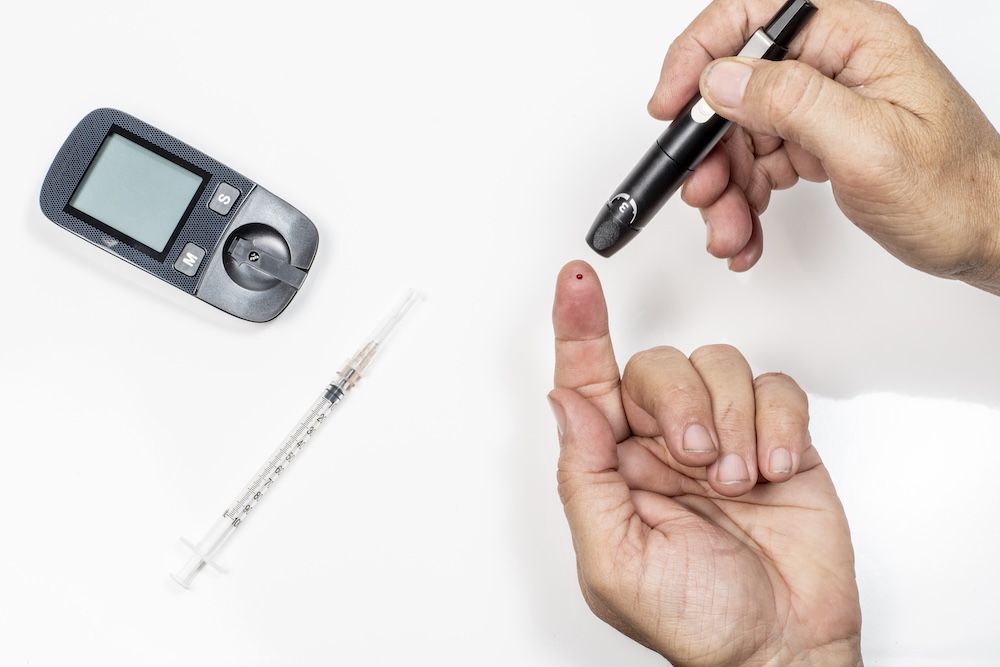
Type 2 diabetes is rising among women in their 20s in England, with experts warning of a worrying increase since the Covid pandemic.
The rise has largely occurred since the pandemic and is closely linked to increasing obesity levels, according to an analysis of NHS data from 2011 to 2024.
The condition is serious and can lead to severe complications, including heart attacks and strokes.
Diabetes UK said it tends to be more aggressive when it develops at a younger age, raising the risk of serious complications and shorter lives.
The charity said early diagnosis is vital for people at risk to help prevent long-term organ damage.
The condition can sometimes be put into remission through healthy eating and maintaining a healthy weight, without relying on glucose-lowering medicines.
Researchers said newer obesity treatments, including GLP-1 injections and pills, may also help alongside healthy eating advice.
About 90 per cent of the six million people living with diabetes in the UK have type 2 rather than type 1, or insulin-dependent, diabetes.
The risk increases with age, and older adults still account for the largest proportion of new diagnoses.
However, NHS England estimates suggest that 12,000 people under 30 are now living with the condition, with women making up more of the younger cases.
Common symptoms include feeling very tired, urinating more often than usual and feeling thirsty all the time.
Researchers at Imperial College London analysed NHS data from the English National Diabetes Audit to examine trends over time.
The figures showed that cases are falling slightly among older adults, who still account for the largest share of new diagnoses.
However, diagnoses are increasing rapidly among people under 40, with some of the sharpest rises among women aged 20 to 29.
Body mass index at diagnosis has also been rising more quickly among younger adults than in older age groups, pointing to obesity as a likely factor.
Body mass index, or BMI, is a measure of obesity based on a person’s height and weight.
Separate NHS data for England shows obesity rates have worsened since the pandemic, with nearly one in three people now affected.
The largest increases over time have been among younger adults.
Between 2019 and 2025, new obesity cases rose by 16 per cent among people aged 20 to 29 and by almost 20 per cent among those aged 30 to 39.
Rates fell among adults aged 60 to 79 over the same period.
Lead researcher Dr Shivani Misra said: “We think that the earlier onset of severe obesity in young people is increasing their type 2 diabetes risk in early life and pulling down their age at diagnosis.
“This is really worrying given the poor health outcomes from early-onset type 2 diabetes.”
Misra said much of the discussion about rising rates among younger people had focused on ethnic minority groups, which have traditionally been considered at higher risk.
However, the new data suggests the trend extends well beyond those communities.
She added: “We now see that incidence is also increasing in white populations too, showing that this public health challenge is broadening across the generations.”
Diabetes UK said better follow-up care is also needed for mums-to-be diagnosed with gestational diabetes during pregnancy because it raises the risk of developing type 2 diabetes after childbirth.
Some studies have suggested that the risk of developing the condition may also increase after being ill with Covid, although the evidence remains inconclusive.

AstraZeneca’s breast cancer drug Etcamah has been approved in the EU as part of a combination treatment for advanced disease.
The European Commission acted on a positive opinion from the Committee for Medicinal Products for Human Use, the Cambridge, England-based drug maker said.
The decision followed positive results from the Serena-6 phase III trial, which showed a 56 per cent reduction in the risk of disease progression in advanced oestrogen receptor-positive breast cancer.
A phase III trial is a large, late-stage study used to assess a treatment’s safety and effectiveness before wider regulatory approval.
Oestrogen receptor-positive breast cancer is a form of the disease that can grow in response to the hormone oestrogen.
Etcamah, whose generic name is camizestrant, was tested in combination with a cyclin-dependent kinase 4/6 inhibitor.
Known as CDK4/6 inhibitors, these medicines block proteins that help cancer cells grow and divide.
AstraZeneca said the Etcamah combination has also been approved in Japan, the UAE and Saudi Arabia based on the Serena-6 trial results.
The company said breast cancer remains the leading cause of cancer death among women in Europe, with more than 140,000 deaths and more than 540,000 patients diagnosed in 2024.
AstraZeneca shares were down 0.6 per cent at 12,628 pence in London on Thursday.












 News1 week ago
New menopause drug approved for use by NHS in Scotland

 Hormonal health1 week ago
Stardust period tracker shares health data, study reveals

 Entrepreneur4 days ago
Zero Candida market set to reach over US$2 billion by 2030 – report

 News1 week ago
Women’s health draws record $1.55bn in equity as capital spreads beyond the mega-rounds

 Insight2 weeks ago
Softening ovaries could extend fertility as women age, study suggests

 Entrepreneur1 week ago
Onto Health acquires diagnostics software company Levy Health

 News1 week ago
Congress urged to invest over $20bn to close women’s health gap

 Menopause1 week ago
Many women still confused about perimenopause, research finds
7 Comments