



Opinion
Brain health score identified as key predictor of stroke risk among women


Women with a higher McCance Brain Care Score (BCS) – a score that measures physical, lifestyle, and social-emotional factors – have a lower risk of experiencing a stroke or other cerebrovascular event reducing blood flow to the brain, according to a new study.
One in five women between the ages of 55 and 75 in the United States are expected to experience a stroke.
Previous research has shown that the McCance Brain Care Score can predict risk of stroke, dementia, and depression in a general population. Ranging from 0 to 21 points, the BCS incorporates 12 modifiable risk factors, including physical components (blood pressure, blood sugar, cholesterol levels, and body mass index [BMI]), lifestyle factors (alcohol intake, diet, smoking, physical activity, and sleep), and social-emotional factors (social relationships, stress, and sense of meaning in life).
“Our findings underscore that the McCance Brain Care Score is a valuable tool for predicting cerebrovascular event risk in women, for whom stroke remains a leading cause of death,” said senior author Nirupama Yechoor of the Department of Neurology at Massachusetts General Hospital (MGH), a founding member of the Mass General Brigham healthcare system.
“Our study further highlights the need for broader, long-term research across diverse populations and to investigate how changes in scores over the lifespan impact the risk of stroke and related events.”
Along with lead author Devanshi Choksi, a research fellow in the Department of Neurology at MGH, Yechoor, and colleagues pooled data from 21,271 women with a median age of 57.9 from the Women’s Health Study (WHS), a landmark clinical trial led by Brigham and Women’s Hospital designed to test the effects of aspirin and vitamin E on heart disease and cancer prevention in women.
Using data collected from the WHS, investigators calculated women’s BCS and used follow-up data to compare scores and cerebrovascular event incidence.
They found that a higher score correlated with a reduced risk of cerebrovascular events across one’s lifetime.
At a median 22.4 years follow-up, 6.1 percent of participants had experienced a cerebrovascular event (stroke or transient ischemic attack).
Those with a five-point higher baseline BCS (the mean baseline score was 15) were 37 percent less likely to experience a cerebrovascular event after adjusting for age, menopausal status, use of hormonal replacement therapy, and other cardiovascular disease risk factors.




By Ruby Raut, founder and CEO, WUKA
If you have ever noticed that your cramps feel sharper, your mood dips harder, or your energy seems to disappear during the colder months, you are not imagining it. Winter can genuinely make periods feel more painful and more difficult to manage. The combination of cold weather, less sunlight, increased tension in the body, and reduced activity creates the perfect storm for stronger cramps and heavier emotional symptoms.
Understanding why this happens gives you the power to manage your cycle with more confidence. Here is the most digestible explanation of why winter and period pain are so closely linked.
Cold weather tightens blood vessels
When temperatures drop, your body goes into protection mode. To conserve heat, it tightens your blood vessels, especially around your hands, feet, and lower abdomen. While this is a smart survival response, it comes with an unwanted side effect for menstruation.
Your uterus is a muscle. Like any muscle, it needs good blood flow to relax and function smoothly. When the blood vessels around your pelvis tighten, circulation naturally becomes slower. Less blood flow means the uterus has to contract harder to shed its lining, and this can make cramps feel deeper, sharper, and more persistent.
This is why heat has always been one of the most effective comfort tools during a period. Warmth helps blood vessels open again, improves circulation, and relaxes the muscle of the uterus.
Your muscles tense up in the cold
Cold weather does more than chill your skin. It makes your whole body tighten without you even realising it. Think about how your shoulders creep upward when you step into the winter air or how your spine curls slightly for warmth. The same tension can build in your abdomen and pelvic floor.
Tighter muscles mean more resistance against the natural contractions of the uterus. When everything around the uterus is tense, cramps can feel more intense and more difficult to soothe. Even mild pain can feel magnified when the surrounding muscles are already stiff.
This is one of the reasons gentle movement, stretching, and warm baths can make such a difference during winter periods. Anything that eases tension also eases pain.
Less sunlight affects your mood and pain perception
Winter brings shorter days and longer nights, and that naturally reduces your exposure to sunlight. Sunlight plays a key role in regulating serotonin, the hormone that helps stabilise mood and influences how we experience pain.
Lower serotonin can lead to lower energy, stronger mood swings, and more emotional sensitivity. Because serotonin also impacts the way the brain processes discomfort, low levels can make cramps feel more intense.
This emotional shift can make PMS symptoms feel heavier too. Irritability, sadness, and bloating can all feel amplified during the colder months, creating a cycle that feels harder to manage.
Winter usually means less movement
Colder months naturally lead to less physical activity. We walk less, we spend more time indoors, and many people find it harder to stay motivated to exercise. While rest is important, the lack of movement has a direct impact on period pain.
Moving your body improves blood circulation and reduces inflammation. When you sit for longer or avoid movement due to cold weather, blood flow becomes slower and inflammation can rise. Both of these factors contribute to stronger cramps.
Even gentle activity makes a difference. A short stretch, a ten minute walk, or simple breathing exercises that open the chest and abdomen can support circulation and ease pain.
Prostaglandins may spike in colder weather
Prostaglandins are natural chemicals that help the uterus contract during menstruation. Higher levels are linked to stronger cramps and heavier flow. Some research suggests that colder temperatures and lower physical activity may increase the production of prostaglandins, although this varies from person to person.
This means that the natural winter slowdown combined with the physical effects of cold weather can lead to more intense uterine contractions, which again results in more painful periods.
How to make winter periods easier
The good news is that small, accessible habits can make a big difference to how your body feels during winter.
Use warmth generously
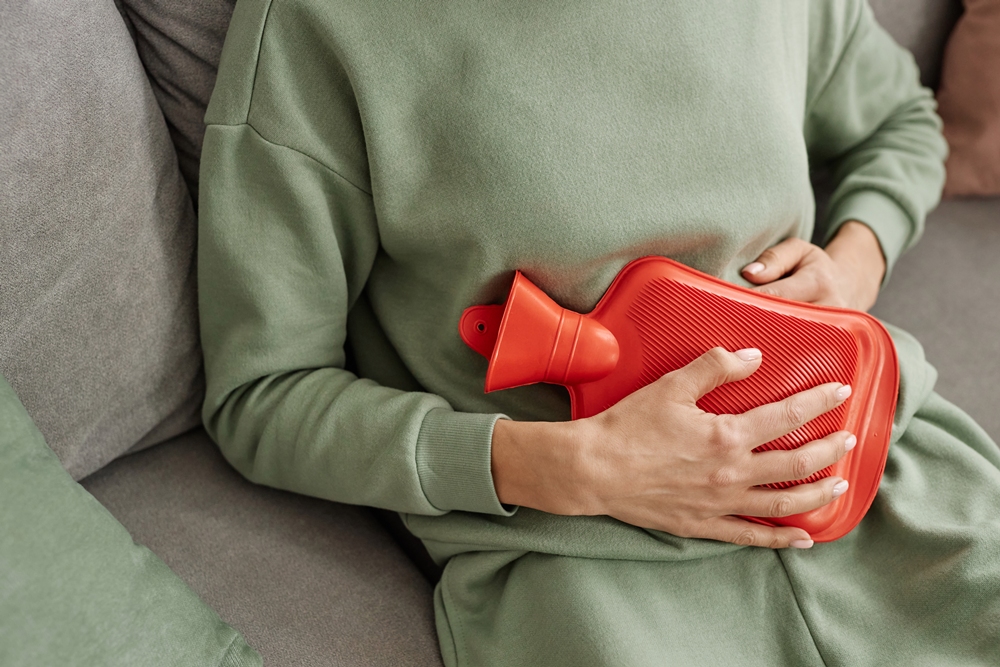
Heat patches, warm showers, hot water bottles and cosy clothing help open up blood vessels and soothe the uterine muscle.
Move your body even a little
Short walks, stretching routines or low impact workouts help improve circulation and reduce inflammation.
Support your mood with sunlight
Get outside during daylight hours whenever possible. Sitting near windows or using a light therapy lamp can also support serotonin levels.
Eat warming and nourishing foods
Soups, ginger, turmeric and herbal teas help comfort the body and may reduce inflammation.
Choose period products that keep you comfortable
Secure, breathable period underwear can help you feel more relaxed and confident, especially when your body already feels tense from the cold.
Winter does not have to mean more painful cycles.
With warmth, gentle movement, and an understanding of how your body responds to the season, you can navigate cold month periods with more comfort and control.
Find out more about WUKA at wuka.co.uk

By Ruby Raut, founder and CEO, WUKA
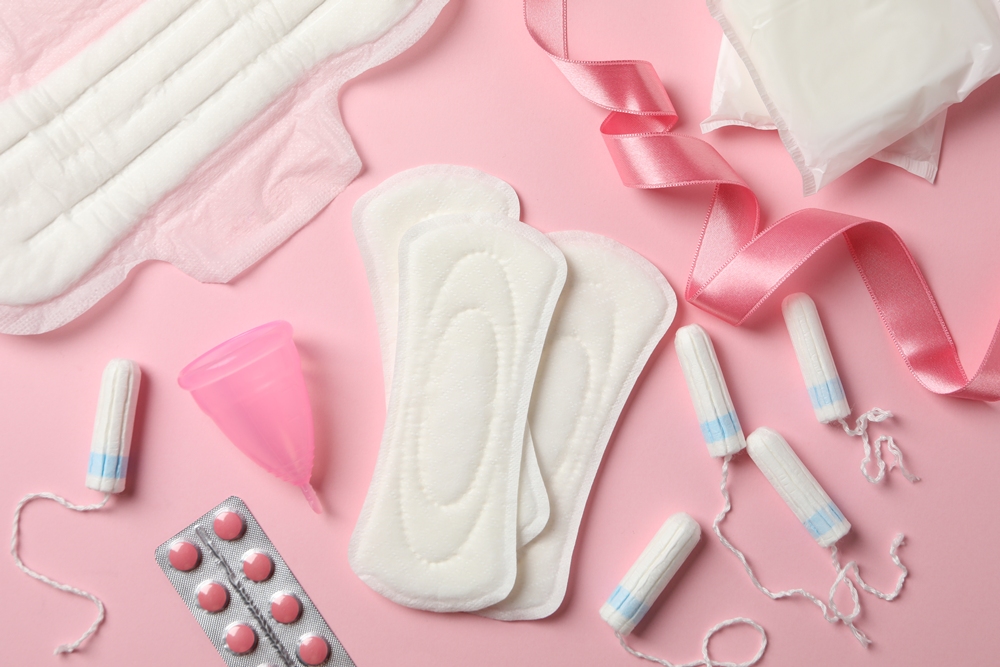
When we think of period products, the usual concerns are comfort, absorbency, cost and maybe sustainability. But there is another dimension — one less talked about but increasingly evidenced: chemical exposure via intimate-use products, and what this might mean for hormones, fertility, our microbiome and long-term health.
What Are Endocrine Disruptors?
Endocrine-disrupting chemicals (EDCs) are substances that either mimic, block or interfere with the body’s natural hormones. These hormones regulate growth, development, reproduction, metabolism and more. Exposures to EDCs have been linked to irregular periods, early puberty, infertility, PCOS (polycystic ovary syndrome) and endometriosis, among other conditions.
Although most public conversation about EDCs centres on plastics, food packaging, and household chemicals, this issue is now being traced into period products too.
Why Period Products Are a Unique Exposure Route
The route of exposure matters — and for period products it matters a lot. External products like pads or period underwear sit on the skin; yes, there’s absorption, but the skin provides more of a barrier than the internal mucosal tissues of the vagina and vulva. When products are inserted (tampons, menstrual cups) or used intimately against highly vascular mucous membranes, chemical absorption can be 10–80 times higher than skin contact.
This means that a small amount of a problematic chemical in a tampon or reusable underwear could result in a greater internal dose than a similar substance used externally. Moreover, because the vaginal route can bypass the liver’s first-pass metabolism, the body’s defences are fewer — increasing the potential for impact.
What Research Is Finding
Recent reviews of menstrual product testing reveal worrying patterns:
- A systematic review found that menstrual products (tampons, pads, liners) contained a variety of EDCs including phthalates, parabens, volatile organic compounds, dioxins and dioxin-like compounds.
- Studies of PFAS (per- and polyfluoroalkyl substances) — the so-called “forever chemicals” — show these synthetic compounds are endocrine disruptors and are increasingly linked to fertility challenges, PCOS, early puberty, and other hormone-mediated outcomes.
- For example, one S. study found higher PFAS levels among women seeking fertility treatment and a link to increased PCOS risk.
- Another study found that many reusable period products had high levels of PFAS, even though PFAS aren’t strictly necessary for functionality — meaning the exposures are avoidable.
What Does That Mean for You?
It’s tempting to read these findings and feel overwhelmed. Yes, we live in a chemically complex world — from pollution in the air to additives in food — but what makes this different is frequency of use, intimate contact, and cumulative exposure.
Think of it like this: someone might use a tampon (or other internal product) many times a month, for decades. The small dose of an EDC each time may be low, but over time it adds up — especially if it bypasses detox filters and steadily influences hormone networks.
That’s why brands and regulators need to shift from “Is there some chemical present?” to “What is the dose, for how long, by what route?” — and what that means for human biology over years.
Steps Towards Better Protection
- Ask about disclosure and testing: Brands should publish test reports and confirm they’ve checked for EDCs, PFAS, and reproductive-toxic chemicals.
- Prefer products without unnecessary chemical finishes: For instance, water-repellent or “antimicrobial” coatings may add PFAS or biocides; research shows many products function fine without them.
- Consider internal vs external product choices: While convenience and comfort matter, understanding how products are used helps you make informed decisions.
- Advocate for regulation: Science is building, and policies are starting to reflect the risk. But consumers’ voices help accelerate change.
WUKA’s Commitment
At WUKA we believe that transparency and rigorous testing aren’t optional — they are essential. That’s why we test every period underwear batch (in China and again in the UK via Eurofins) to ensure no PFAS are detected and no known reproductive-toxic chemicals are present. If I wouldn’t use it myself, I wouldn’t make it for anyone else.
Looking Ahead
There’s still much we don’t know: the exact doses absorbed through vaginal tissues, how mixtures of chemicals interact in the body, or the long-term impact of low-level exposures. But that’s all the more reason to act now rather than wait. EDCs affect not just one body, but generations.
In the end, it’s about more than fear — it’s about empowerment. Knowing what is in the products we use gives us the power to insist on better safety, better transparency and better health. Because safe periods aren’t a luxury, they’re a basic human right.
By Ruby Raut, founder and CEO, WUKA
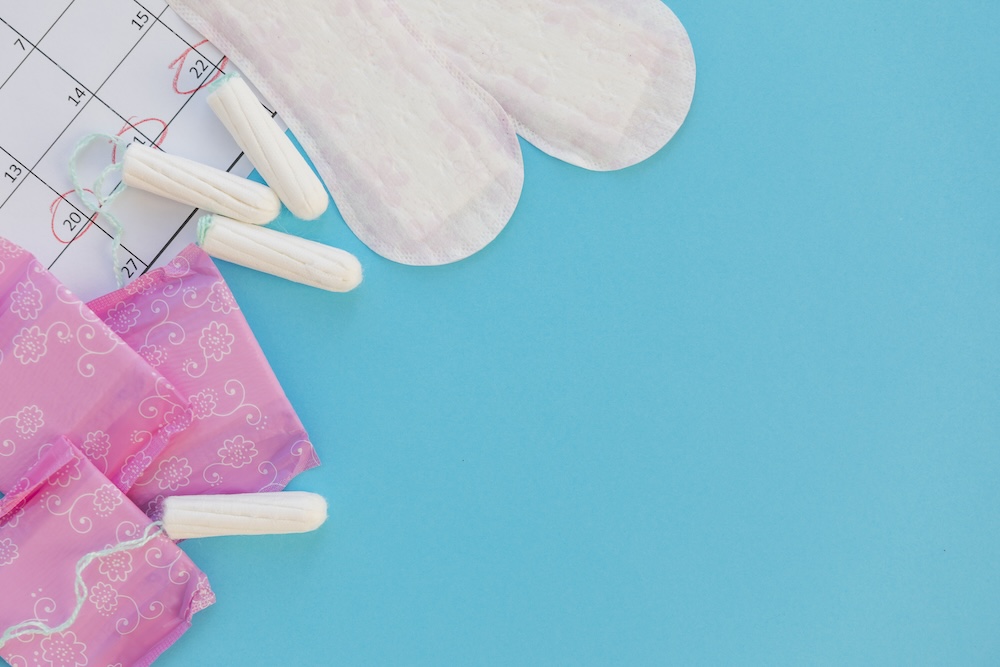
Over the past year, headlines about “toxic period products” have been hard to ignore. Stories about PFAS, heavy metals, and hormone disruptors in pads, tampons, and underwear have sparked global concern, and for good reason. But behind the fear, there’s a scientific story worth understanding.
At the recent House of Lords event, “Have We Reached the Tipping Point for Toxic Period Products?”, researchers and policymakers came together to separate fact from panic. The truth is more nuanced: yes, chemicals and metals are present in some menstrual products, but understanding how much, where they come from, and what that means for our health is key to driving change that’s informed, not sensational.
What Scientists Have Found So Far
Dr Kathrin Schilling, an environmental health scientist at Columbia University, shared new research that tested 16 metals in menstrual products, including arsenic, cadmium, lead, and antimony, all known toxic substances linked to long-term health effects such as cardiovascular disease, kidney problems, and hormonal disruption.
The findings were striking:
- Non-organic products showed higher levels of lead and cadmium than organic ones.
- Some reusable and single-use products exceeded 30,000 nanograms per gram (ng/g) of antimony, a toxic metal commonly used in plastics manufacturing.
- Lead levels varied dramatically, some products contained 100× more than others.
To put this in perspective, even very small doses of lead can cause harm. The World Health Organization confirms there is no safe level of lead exposure. Chronic, low-level contact can gradually affect the nervous system and fertility. The same applies to arsenic, where countries have tightened drinking water limits from 10 µg/L to as low as 1 µg/L after learning that long-term exposure causes disease.
So while the numbers in menstrual products might sound tiny, what matters most is frequency and route of exposure. Menstrual products are used regularly and in contact with one of the body’s most absorbent tissues — the vaginal wall — where absorption is estimated to be 10–80× higher than through skin. Over decades of use, even low concentrations can add up.
Understanding PFAS — The “Forever Chemicals”
Alongside metals, PFAS (per- and polyfluoroalkyl substances) have become another major concern. These synthetic compounds are used for absorbency and stain resistance — but they don’t break down easily, earning the name “forever chemicals.”
They accumulate in soil, water, and the human body, and have been linked to reproductive issues, thyroid disease, and immune dysfunction. California recently became the first state to ban PFAS in menstrual products, while New York is pushing for broader restrictions that include heavy metals and hormone disruptors.
These international shifts signal a clear message: the world is moving towards stricter, transparency-first regulation — something the UK could soon follow.
Why It Matters for Our Bodies
It’s important to remember that our world is already filled with background exposure, from air pollution, processed food, and household plastics. We all live in a chemically complex environment. The key isn’t to fear every product but to understand which exposures matter most and how to minimise them.
Menstrual products are unique because of their intimate and repeated contact with the body. Even trace chemicals can bypass the body’s natural detox systems when absorbed vaginally. This doesn’t mean every product is dangerous, but it underscores why regular, independent testing and clear ingredient disclosure are essential.
Internal vs. External Exposure: Why It Makes a Difference
One of the least understood parts of this debate is the difference between internal and external products. A pad or period underwear sits on the skin; it can only transfer chemicals through surface contact. But products like tampons or menstrual cups are inserted directly into the vagina, an environment that absorbs substances 10–80 times more efficiently than normal skin.
That’s because the vaginal wall is highly vascular, full of small blood vessels, and it bypasses the liver, the organ that usually filters and detoxifies harmful substances. So when a chemical is absorbed vaginally, it goes straight into the bloodstream.
Yet, most testing and regulation still treat all menstrual products as if exposure happens through skin contact. There’s very little research separating the risk profiles of internal (tampons, cups, discs) versus external (pads, underwear) products. That’s why scientists like Dr Schilling emphasised the need for new safety standards that actually reflect how the body interacts with these materials, not just how a fabric performs in a laboratory test.
How Responsible Brands Are Responding
Some brands are already ahead of regulation.
At WUKA, we take this responsibility seriously. We are one of the very few period underwear brands with no PFAS detected in our products. Every batch is tested rigorously, both at source (in China) and again in the UK by Eurofins laboratories, an independent global testing agency.
We also screen for toxic chemicals, metals, and harmful finishes, ensuring that what touches your body is as safe as it is sustainable. As a founder, I always remind our team: I use our products myself. If I wouldn’t wear it, I wouldn’t make it for anyone else.
Our philosophy is simple, transparency builds trust. Consumers shouldn’t need a chemistry degree to choose a safe period product.
The Path Ahead
The science is clear: menstrual product safety deserves the same rigour as drinking water, cosmetics, or food. But we can also take heart, awareness is growing, data is expanding, and governments are beginning to act.
As policymakers push for international standards (through bodies like the ISO TC338 on menstrual products), and as responsible brands lead by example, the future of menstrual care looks safer, smarter, and far more transparent than the past.
This isn’t just about fear of toxins, it’s about empowering everyone who menstruates with knowledge and choice. Because understanding the science is the first step toward changing it.
Find out more about WUKA at wuka.co.uk










-

 Features3 weeks ago
Cannabis compounds kill ovarian cancer without harming healthy cells, research finds
-

 Insight3 weeks ago
Meta removes dozens of abortion advice and queer advocacy accounts
-

 Insight3 weeks ago
Sperm donor with cancer-causing gene fathered nearly 200 children across Europe
-

 Fertility4 weeks ago
UK couples exploiting legal loophole to rank embryos based on IQ, height and health
-

 Insight4 weeks ago
Planned birth at term reduces pre-eclampsia in high-risk women – study
-

 Entrepreneur4 weeks ago
Metri Bio raises US$5m for endo therapeutics
-

 Entrepreneur3 weeks ago
University of Leeds IVF spinout raises £3.5m
-

 News2 weeks ago
Can biotech help close the fertility gap? Inside the race to improve egg quality