




News
Osteoporosis significantly increases risk of death in menopause, study suggests


Osteoporosis may raise the risk of death in postmenopausal women by up to 47 per cent, a new study suggests.
The findings point to an inverse relationship between femoral bone mineral density and mortality risk, especially within certain ranges.
Femoral bone mineral density is the amount of mineral in the thigh bone, which is often measured to assess bone strength and osteoporosis risk.

Dr Monica Christmas is associate medical director for The Menopause Society.
She said: “Osteoporosis often remains a silent threat after menopause, despite its profound effect on women’s lives—from loss of height, poor balance, and reduced mobility to disfigurement, pain, and even premature death.
“Early screening and preventive measures, including a calcium-rich diet (preferably from food sources), regular weight-bearing exercise, and hormone therapy when appropriate, can significantly improve bone health and reduce risks not only of fractures but also cardiovascular disease, certain cancers, and dementia.
“It’s time we bring this conversation to the forefront.”
In the study involving nearly 3,000 postmenopausal women, bone mineral density at four femoral sites was assessed using dual-energy x-ray absorptiometry, a scan commonly used to measure bone strength and fracture risk.
The analysis found that mortality risk was significantly higher when femoral bone mineral density reached the osteoporotic threshold or when osteoporotic fractures were present.
After full adjustment, osteoporosis was associated with a 47 per cent increased risk of mortality.
A stronger inverse association between increased bone mineral density and mortality risk was seen within specific ranges, suggesting bone mineral density could serve as a prognostic marker of wider health.
The relationship appeared especially notable within the range of 0.46 to 0.71 g/cm² for total femur bone mineral density.
Previous research has shown that postmenopausal women face a significantly higher risk of death within one year of hip or vertebral fractures.














Femtech World is thrilled to reveal the shortlist for the Fertility Innovation Award.
The award, sponsored by FinDBest IVF, celebrates a pioneering product, service or initiative that is transforming fertility care and support.
FinDBest IVF is a global B2B digital platform created to simplify and accelerate how IVF and ART manufacturers connect with trusted, pre-vetted distributors around the world.
This year’s nominees represent a remarkable breadth of approaches to fertility care: from clinic-floor breakthroughs to at-home hormone intelligence to truly borderless access.
Three companies made the cut, with each tackling a real, persistent barrier in reproductive health.
Congratulations to the shortlist and many thanks to everyone who entered.
Fertility Innovation Award Shortlist

HRC Fertility’s Needle-Free IVF is a pioneering advancement designed to transform one of the most challenging aspects of fertility treatment: daily hormone injections.
Developed by board-certified reproductive endocrinologist Dr Rachel Mandelbaum, this innovative approach reimagines how stimulation medications are delivered during IVF and egg freezing, dramatically improving the patient experience while maintaining the same trusted clinical outcomes.
Inspired by feedback from patients who struggled with the injection process, Dr Mandelbaum adapted an innovative drug-delivery system commonly used in other areas of medicine and applied it to reproductive care

Mira is a hormonal health technology company that provides lab-grade hormone testing and AI-driven insights to help women and couples understand their fertility.
The platform has already supported more than 200,000 couples on their fertility journeys worldwide, helping over 60,000+ users achieve pregnancy.
For some users, pregnancy rates have reached up to 89 per cent within six months, demonstrating how accurate hormone data can significantly improve fertility outcomes.

Founded in 2021 by Marija Skujina, a Certified Fertility Nurse Specialist accredited by the European Society of Human Reproduction and Embryology, with nearly 15 years of clinical experience at one of the world’s top IVF clinics, and having navigated her own fertility journey as a patient, Marija built the clinic she had always wished existed.
Plan Your Baby began with a bold, but simple mission – make best quality fertility and pregnancy available anywhere.
Plan Your Baby has created a new generation fertility and pregnancy clinic with patients accessing expert consultations remotely, while blood tests and ultrasound scans are available at over 450 locations across the UK, eliminating the exhausting travel burden that often forces people to take days off work, relocate appointments, or abandon treatment altogether
What happens now
The shortlist will be judged by a representative from category sponsor FindBestIVF, with the winner announced at a virtual event on June 19.
Winners will receive a trophy and be interviewed by a Femtech World journalist.










 Fertility3 weeks ago
Future Fertility raises Series A financing to scale AI tools redefining fertility care worldwide

 News2 weeks ago
Women’s digital health market set to reach US$5.28 billion in 2026 – report
 Diagnosis3 weeks ago
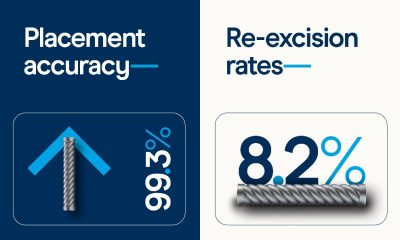
New meta-analysis further supports low re-excisions and high placement accuracy with the Magseed marker
 Fertility4 weeks ago
Future Fertility partners with Japan’s leading IVF provider, Kato Ladies Clinic

 Menopause4 weeks ago
More research needed to understand link between brain fog and menopause, expert says

 Mental health3 weeks ago
Lifting weights shows mental health and cognitive benefits in older women, study finds

 Entrepreneur4 weeks ago
Flora Fertility closes US$5m seed round

 Menopause3 weeks ago
Resistance training has preventative effects in menopause, study finds