




News
What does the future of femtech look like?
Femtech examines if this year’s early trends could one to watch for 2023


Tech forecasting agency, Ultra Violet Futures has launched a report outlining what it predicts will be the new futures in Femtech for 2023
The femtech industry is set to rise to be a $1.186 trillion global market by 2027. As an emerging sector, it is also poised to expand by adopting new and exciting technology such as techceuticals, virtual clinics or metaverses. The report by Ultraviolet focuses on four key future trends in femtech and what these may look like in 2023. Including Working across the 4 macro trends of Hybrid Health, Enhanced Therapies, Well-th Economy, and Radical Inclusivity 2.0.
So what does this mean for femtech companies looking to enter the market and strength their position?
FemTech World examines the new trends and technologies that are set to shape the industry for 2023
Real artificial worlds
The rise in metauniverses and VR experiences have highlighted a desire to go beyond technology and place ourselves within virtual worlds. This is only set to continue as companies such as Facebook, or Meta as it is called now, move to position themselves within artificial worlds or build their own.
Although so far, the worlds are limited to very basic experiences such as entering stores to purchase products that then appear at your door in real-time. However, there is a growing movement to see how this could be taken beyond the 2D into real touch much the way that sound and vision are already incorporated.
Meta has already begun developing a product for this called ReSkin. This is an open-source touch-sensing ‘skin’ which has created in collaboration with Carnegie Mellon University. It is aimed at helping researchers to advance their AI’s tactile-sensing skills quickly and at scale. It should produce enough data to help advance AI in a wide range of touch-based tasks including object classification, proprioception, and robotic grasping.
What would this mean for femtech companies?
Introducing a softer touch or interactive experience to healthcare could be a game-changer. As we introduce more senses into the virtual experience then it ceases to become a sterile environment. It could help to build a complete experience for the patient where they can feel relaxed, at home in their own surroundings but with full access to a complete health check-up or experts.
But are patients ready for this?
After two years of pandemic Zoom appointments says, well, yes. In a recent study, 78 per cent of consumers said when interacting with people online, they ‘missed the ability to physically touch or interact with them.’ While the metaverse may only be emerging as a potentially viable opportunity for brands, it could be vital that companies assess new alternative methods of reaching their audience – on or offline.

Radical inclusivity
This has already started within health and femtech with more companies leading the charge in inclusive language, apps, marketing and healthcare.
There has been a huge gap in the market for products that acknowledge the fluidity of gender and the limits that ‘his or her’ tech devices can have. Companies particularly in the femtech, period care or sextech industries have already introduced gender-neutral language, non-gendered toys or even marketing that is non-gender biased.
Studies show that women make up only a quarter of tech developers in the market which may explain why female tech developers are embracing inclusivity in their companies. A glass ceiling needs to be properly smashed for everyone not just one sector.
By embracing other minority groups within the products, femtech designers are addressing needs that are generally not catered for with mainstream concepts. One example of this is FEWE’s marketing campaign around transmen who experience periods and need menstrual care products. Their slogan instantly sets the tone: ‘female-founded cycle care for every phase, for everybody.’
In addressing this, the gender pain or data gap becomes smaller as we begin to learn more.
New future for women in femtech
The report also noted that femtech companies are more inclined to embrace flexible working patterns which can help women with reaching their life goals.
It acknowledged that women were being overlooked by policymakers when it came to professional or familial support. This meant a ‘mass exodus of women from the workplace’ that has a knock-on effect on the gender pay or data gap. The results mean more men in board rooms than women.
The pandemic has forced creative thinking around schedules and normalcy in our careers but this is slowly moving back to a nine to five in office model post-lockdown. Femtech companies are determined to drive action-orientated change that aims to find a solution.
One great example is Carrot fertility, a female-founded tech that allows employees to request fertility coaching at their jobs. The benefits of fertility coaching are thought to be better stress or anxiety management and also reduced costs. But it can be simple such as flexible working times for mums or hybrid working for pregnant workers. Other innovative solutions could also mean breast milk shipping services for working mothers.





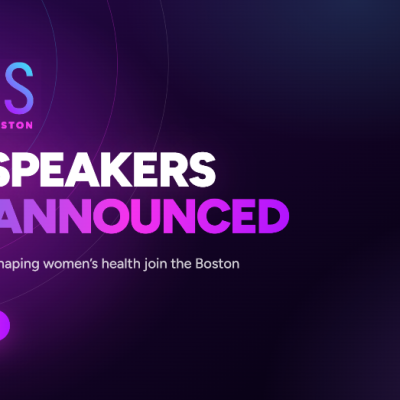
The Women’s Health Innovation Summit (WHIS), the event uniting the global women’s health ecosystem, has just announced 18 new speakers joining the agenda for its 2026 summit, taking place October 13–15 at Encore Boston Harbor.
The latest additions bring further depth across pharma, clinical research, health systems, venture, and policy, reinforcing WHIS’s role as the only platform where the full women’s health ecosystem convenes under one roof.
Newly confirmed speakers include:
- Kelle Moley, MD – VP, Women’s Health Early Phase Clinical Development, Cardiometabolic Research, Eli Lilly & Company
- Justine Levin-Allerhand – Executive Partner, Chief Corporate Development Officer & COO, Flagship Labs, Flagship Pioneering
- Sebnem Yildirimoglu, MD, PMP – Executive Director, Women’s Health Strategy, Premier Research
- Terri Stewart – Head of Global Healthcare & Government Affairs, EMD Serono
- Dr. Morag Grassie – Executive Director, Blavatnik Fund for Innovation, Yale
- Sandra Butler – Director, Design Impact, Mass General Brigham
- Zhenya Lindgardt – Chief Executive Officer, Sera Prognostics
- Sadie Morahan – Head of US Revenue, Withings Health Solutions
- Angela Drew, PhD – Vice President, Regulatory Strategy, Premier Research
- Dr. Stephanie Lahr – CMIO, Aqurio
- Michelle Andrews – Contributing Writer, KFF Health News
- Charlotte Williams – CEO, My Bump Hub
- Clint Dart, MS – Director, NIH Women’s Health Data Coordinating Center, Premier Research
- Cass Sanford – US Venture Advisor, FemTech Lab
- Megan Mukuria – Founder & CEO, ZanaAfrica
- Tiffany Inglis, MD, FACOG – Chief Medical Officer, Sera Prognostics
- Angelean Hendrix, PhD – Vice President, Pharmacometrics and MIDD, Premier Research
- Amanda Ducach – CEO & Co-founder, EmaEQ
“WHIS is where the women’s health industry comes together to take action,” said Poppy Howard-Wall, Event Director at WHIS.
“This latest wave of speakers reflects exactly the kind of cross-sector expertise our attendees expect – from global pharma and clinical research leadership to venture, health systems, and grassroots innovation.
“It’s this breadth that makes WHIS the room where things actually move forward.”
Bringing the Full Ecosystem Together
These additions join a growing 2026 agenda spanning four content tracks that reflect the full lifecycle of healthcare innovation, from early-stage research and development through to patient delivery, system transformation, and commercial scale.
Attendees can expect over 1,000 senior decision-makers, 120+ expert speakers, four dedicated stages, and more than 10 hours of curated 1:1 meetings.
Full speaker and agenda details are available at whisusa.com/speakers-2026.
About WHIS
The Women’s Health Innovation Summit is the only platform uniting the full women’s health ecosystem – providers, payers, employers, pharma leaders, investors, and innovators -to increase deal flow, expand reimbursement, improve access, and deliver better outcomes for women at every stage of life.
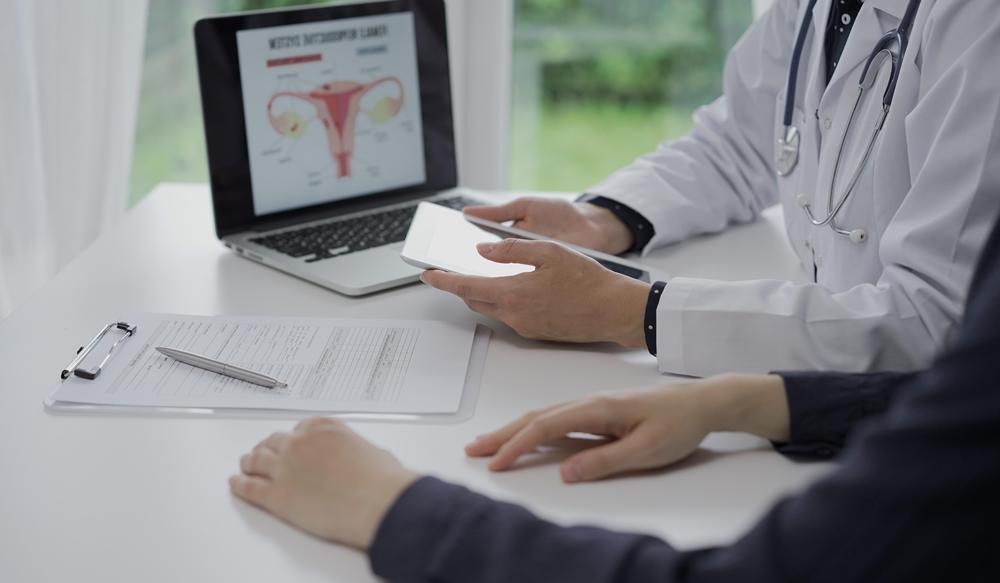
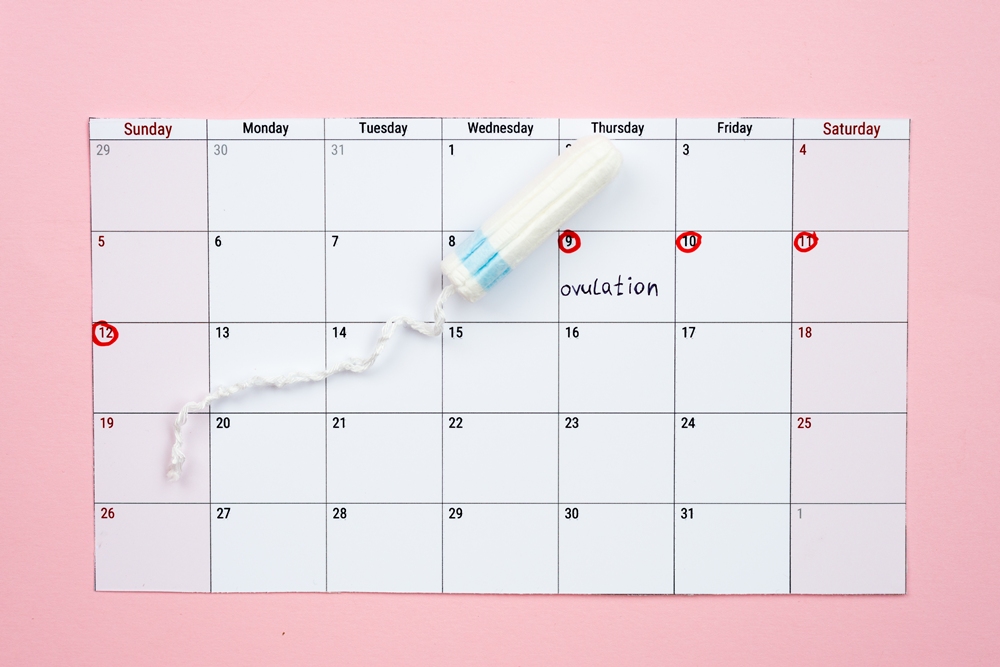
Nearly a quarter of women often miss work because of menstrual symptoms, according to a survey examining hormonal health among women in full-time work in Ireland.
The survey looked at the impact of menstruation, fertility and motherhood, and perimenopause and menopause.
Research from The Menopause Hub found more than one in three women who had not disclosed a menstrual health issue at work said the lack of a clear workplace policy was the reason.

More than a quarter said they did not think their concerns would be taken seriously, while 22 per cent cited embarrassment and 18 per cent feared being judged.
Nearly half of respondents said better workplace support would have made them feel less stressed, while 40 per cent said it would have made them feel more valued. Some 36 per cent said they would have felt more comfortable speaking up.
Some 76 per cent of women surveyed said they experienced menstrual health issues, with 23 per cent of those often missing work because of symptoms.
Nearly half of respondents, 49 per cent, said they felt uncomfortable talking about menstruation at work.
One respondent said: “As a woman, we try to get through the day, sometimes in pain that can’t be seen. We feel emotionally and physically drained.”
The research also found that 62 per cent of those who experienced baby loss reported a moderate or significant impact on work attendance.
More than half of respondents who experienced depression during pregnancy also reported a moderate or significant impact on attendance.
Some 63 per cent of mothers said it was “difficult” to return to work after pregnancy, while nearly half said their maternity pay arrangement had negatively affected their financial wellbeing.
One respondent said: “I almost walked away. The only reason I stayed was because I had to provide for my family.”
The survey also found that nearly half of respondents said menopause had some impact on their attendance, while more than six in 10 reported an impact on their work performance.
Some 44 per cent of women said they were “uncomfortable” discussing perimenopause and menopause at work.
One person said they were “already terrified of losing my job at my age:
“I need to just struggle through this without support or acknowledgement. That’s basically workplace discrimination.”
The Menopause Hub chief executive Loretta Dignam said women’s hormonal health has been treated as a “private or personal issue” for too long, “when the reality is that it has a very real impact on women’s working lives”.
“The fundamental point is that women are not ‘mini men.’
“Our biology is different, and workplaces that were largely designed around a male model of health and working life need to evolve to recognise that.
“What is striking is how many women continue to show up, perform, push through and progress at work while managing significant physical and emotional symptoms, often without the policies, understanding or practical support they need,” Dignam said.
She added that because expectations are changing, Gen Z and Gen Alpha employees will be “far less willing than previous generations to accept workplaces that ignore their health and wellbeing”.





 Events2 weeks ago
Applications close August 18 for Women’s Health Innovation Summit 2026 Innovation Showcase

 Menopause2 weeks ago
Third of women unaware of perimenopause mental health impact

 Fertility1 week ago
Chelsea FC Women to launch first-of-its-kind player fertility fund

 Mental health2 weeks ago
Menopausal hormone therapy may lower dementia risk, study suggests

 Opinion1 week ago
anna perimenopause app launches across 39 markets

 Hormonal health2 weeks ago
We are wrapping our children in plastic and calling it care

 Pregnancy2 weeks ago
Chemicals in plastics may be linked to high blood pressure during pregnancy

 News2 weeks ago
Women with endometriosis face 46% higher risk of type 2 diabetes – study
2 Comments