




Entrepreneur
Danish startup’s tech-enabled jewellery to tackle sexual harassment

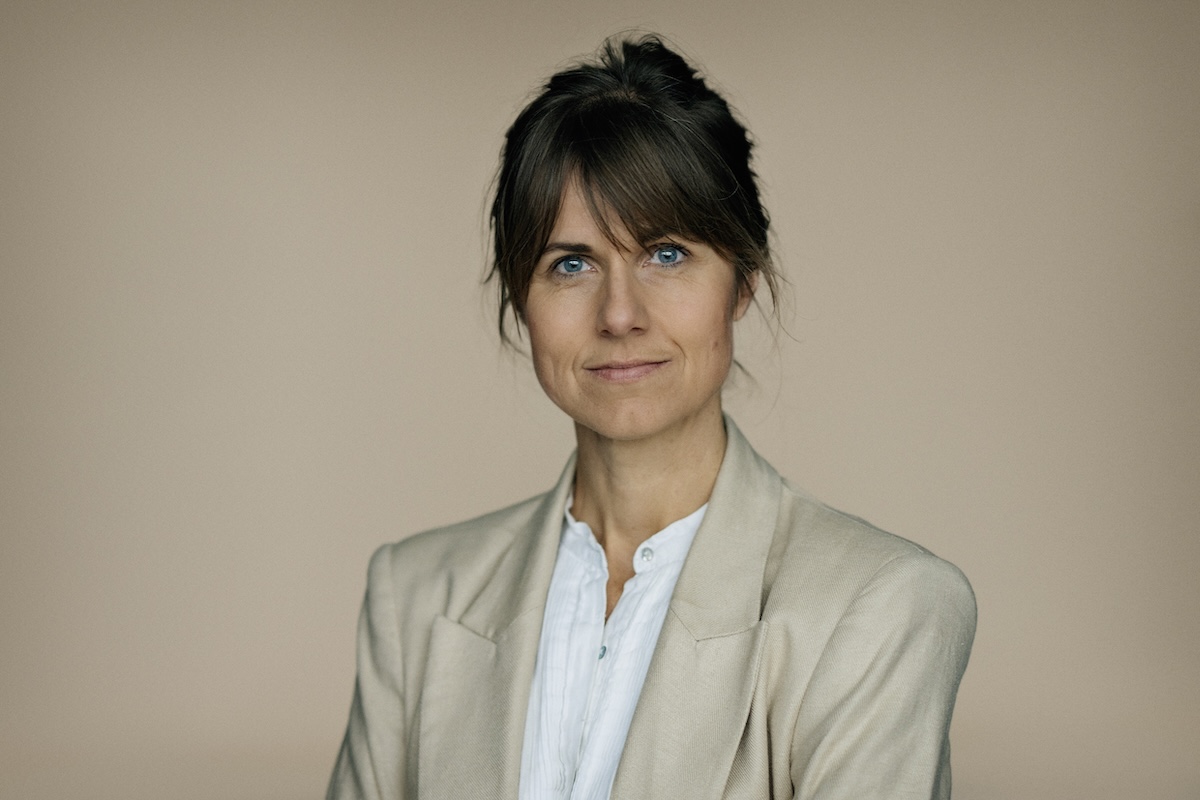
With jewellery that doubles as a discreet safety device, Danish startup All U Me is combining social impact with innovation to address the significant impact of sexual harassment on women’s health and wellbeing.
One in three women has experienced physical or sexual violence, and around half have experienced sexual harassment since the age of 15. The misconception that these incidents always occur late at night and in dark alleyways overlooks the reality of these experiences, which for many women are a part of everyday life.
The Government Equalities Office reports that almost 72 per cent of the UK population has experienced sexual harassment at work in their lifetime. Research shows that 56 per cent of women have experienced harassment in gyms, while 60 per cent of women had been harassed while running, and 11 per cent stopped running altogether as a result.
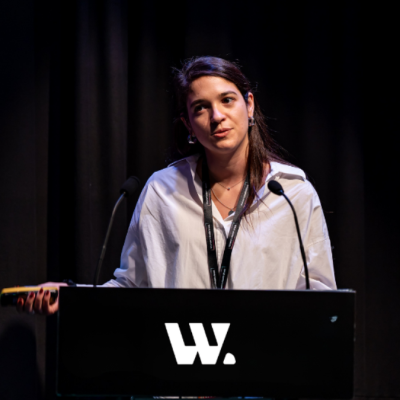
“It’s the everyday experiences that are the problem,” Dorte Caroline Knudsen (pictured above), founder of Danish startup All U Me tells Femtech World.
“It’s not just walking down a dark street in the middle of the night, it’s the everyday, in the supermarket, on the bus, where you experience feeling unsafe or your boundaries not being respected. It’s the mental load that women are expected to carry, almost without talking about it, to get home safely. I can get home safe; I’m not the problem.”
After 14 years as head of products at a Danish software company, at the age of 47, Knudsen felt called to channel her skills into more purposeful entrepreneurship. Inspired by the UN’s Sustainable Development Goals and anger at the global prevalence of gender-based violence, she began looking into what solutions were currently being developed to address it.
“It was sad to see that none of the solutions said anything about prevention,” she says. “All the focus was on normalising what is going on and putting the responsibility on women.”
In response, Knudsen has created a solution that aims to empower women, while also shifting “safety” from an individual to a collective responsibility.
“The beauty of feeling free”
All U Me has designed a range of jewellery featuring delicate gold and silver chains and ocean-inspired charms, which double up as an alarm system to enable them to call for help when they feel unsafe.
“Tech is wonderful, but it can do more when it’s put into something beautiful, which is very rarely seen in the tech space,” says Knusden.
“Most of the existing solutions were one-size-fits-all, but women don’t work like that. We want to wear something that makes us feel beautiful.”
As well as being beautiful to look at, the jewellery is practical. Fully waterproof and with a battery life lasting up to four years, it is designed to be worn all the time, making it “probably the first real wearable”, according to Knusden.
Each item has a discreet button, linked via Bluetooth and GPS to an app connecting the wearer to nearby bystanders. This may be friends or family who have downloaded the app to their phone specifically for this purpose, or other All U Me users in the local area.
If a woman finds herself in an uncomfortable or unsafe situation, three firm pushes of the button notify up to 20 nearby bystanders or ‘backups’ with her location, alerting them to the incident so that they can intervene.
The app trains all users in the 5D bystander intervention method – distract, delegate, delay, direct, document – in as little as three minutes, so they can choose the approach that feels right at the time.
This is designed to break down some of the barriers that may prevent people from stepping in, such as not noticing, not being sure whether help is wanted, or not knowing what to do, Knudsen explains.
“The feedback we get from the workshops we do is that people like to have a framework. Empowering bystanders, by telling them ‘this is what you need to do’, and ‘this is when you need to do it’, makes people a little bit more inclined to help,” she says.

“It’s no more genius than the technology that already exists, and there are times when it might not work, but that’s why the feeling of security is so important, because that’s the everyday benefit of this.”
According to All.u.me’s focus groups, 98.8 per cent of people being trained in these methods feel there’s at least one thing they can do the next time they witness harassment, while 76 per cent who saw harassment after attending the training reported that they intervened.
“The jewellery is just one element,” Knudsen continues.
“It’s actually much more about the feeling of safety and belonging to a community that I hear our users appreciate every day, and the dialogue around it. Maybe it’s telling your loved ones why you want this jewellery, or maybe it’s somebody on the bus, or the bus driver, the bartender, or the guy at the fitness center who has the app. It’s not a guarantee, but that’s where the social responsibility kicks in, and of course, our most important job is to make sure that people have the app.”
Reframing femtech
Safety and sexual harassment can be overlooked in the femtech sector. Both the World Health Organization and the US Centers for Disease Control classify sexual violence as a major public-health issue, and evidence shows that these experiences can not only have a significant impact on mental health but can also lead to physical symptoms and an increased risk of developing chronic conditions, contributing to long-term health disparities.
One recent study found that women who had experienced being stalked and/or obtained a restraining order had a 41 per cent and 70 per cent higher risk of developing cardiovascular disease, respectively. Other research has shown that women with a history of violence are around twice as likely to develop chronic pain conditons and are over-represented among women with conditions such as chronic pelvic pain, IBS, and migraine.
In many ways, All U Me expands the understanding of femtech, centering safety as a foundation for health and equality. But Knusden is wary of being labelled as a ‘femtech’ company.
“The fact that safety is not seen as femtech is quite weird, actually, when statistically so many of us will experience harassment,” she says.
“But I also want to acknowledge that there are so many people who can benefit from this. It’s not just about gender equality, it’s for anybody who may feel unsafe in society.”
Not a jewellery brand, but a tech enabler
The more people who have the app, the more effective the tool is. While women can create their own networks from anywhere by asking friends and family to download the app, it works most effectively in more populated urban areas where more users are likely to be within a 1 km range.
Since launching in June, All U Me now has 2,000 active subscribers in Copenhagen. There are plans to expand into Sweden, Germany, and the UK, but partnerships with existing jewellery brands – to integrate its safety devices into their existing designs – will be crucial for helping this technology reach more women.
“There are so many jewelry brands in the world, I don’t want to be another one,” says Knusden.
“We want to be a technology enabler. Our vision is to empower and inspire everyone – people, brands, organisations – to stand against harassment, whether they do it by downloading the app, or partnering with us to make the jewellery. This is how we will scale through these partnerships.”
She has big ambitions, believing All U Me could be the “first social impact unicorn”, combining scalable tech, commercial sustainability, and philanthropy.
“I have global ambitions with this, but I also have philanthropical ambitions, in the sense that I believe that every young girl and woman should be able to feel safe and be who they are, Knusden adds.
Sharing her experience of using All U Me, one woman described her sense of safety as going from a “two to a four out of five”.
“Her feeling of safety doubled,” Knusden emphasises. “It’s not a 100 per cent guarantee, but it meant that she stopped carrying her keys between her fingers. If we can make people feel safer, and if we can make it easier for bystanders to act, then we can change the world.”














A fertility startup has raised US$4m and will open its first lower-cost IVF clinic in West Palm Beach later this year.
It will offer a full IVF cycle, including medications, for US$8,995.

Around 12 per cent of American couples struggle with infertility, according to the company, but only 14 per cent of them receive IVF because of the cost.
A single IVF cycle costs an average of US$23,500, it said, with the cost nearly doubling if further cycles are needed.
Co-founder and chief executive Van Spina said: “We’re building ABC around a straightforward premise: IVF has become unnecessarily expensive, and many patients are priced out before they ever have a real chance to start a family.”
“This is personal for me. My fiancée and I went through IVF ourselves, including multiple failed cycles,” Spina continued, citing Jamie Rapp.
“That experience pushed me to build the kind of fertility company we wished had existed when we began treatment.”
The US$4m seed round was led by Wormhole Capital and Tower Research Ventures.
In a blog post, New York-based Tower Research described ABC as a new model for fertility care, praising its “evidence-based protocols, AI-assisted intake, and modern lab workflows.”
“When we met the team at The American Baby Company (ABC), we saw an opportunity to rethink how fertility care is delivered in the US from the ground up,” the post said.
Co-founder and chief medical officer Dr Paul Magarelli is a board-certified reproductive endocrinologist and one of the most prominent voices in the US on expanding access to fertility care, according to Tower.
Reproductive endocrinology is a branch of medicine concerned with hormones and fertility.
Magarelli developed the Clinical Fertility Physician certification programme, which trains generalist clinicians to deliver routine fertility procedures under specialist oversight.
Spina spent his early career as a technology investor at Warburg Pincus before founding an institutionally backed data business in private credit.
“We’re on a mission to become the place Americans go to start their families,” Spina said.
“Our 10-year goal is to help make 250,000 babies per year.”
News
From Hologic to Ark Surgical: Why Joseph LaBruzzo is betting on the future of women’s surgical innovation

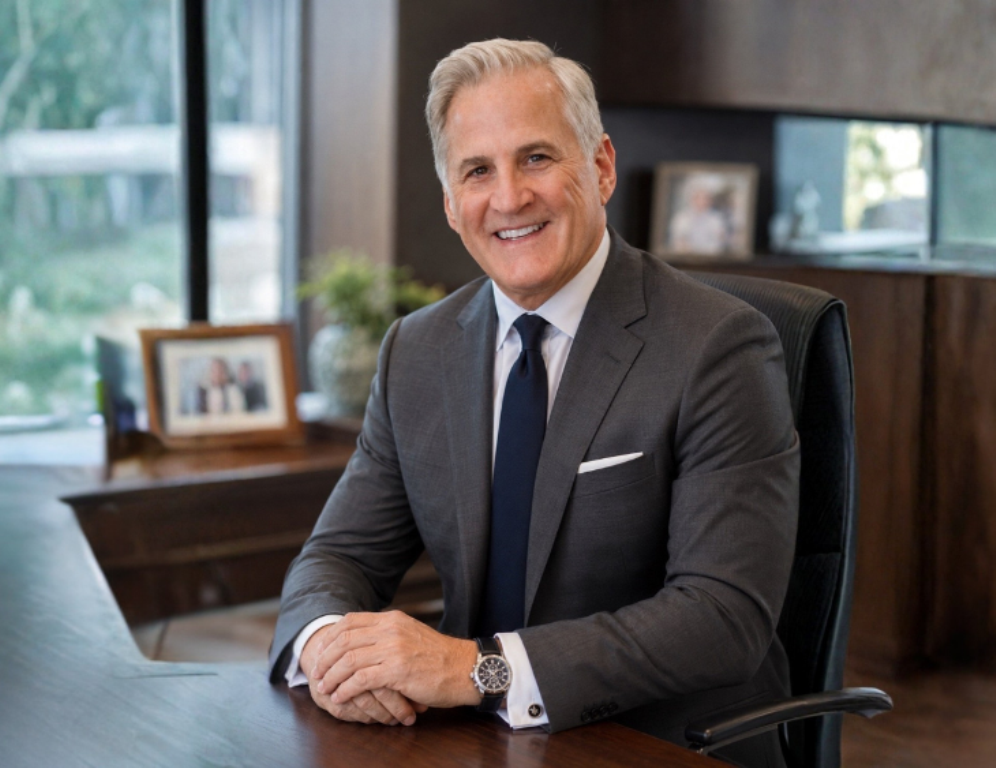
After more than two decades leading organisations at some of the world’s most respected medical device companies, including Hologic, SenoRx Breast Care, and BTL Industries, Joseph B. LaBruzzo is embarking on a new chapter as President & CEO of U.S. Operations and Board Member at Ark Surgical.
We sat down with Joseph to discuss what drew him to Ark Surgical, why he believes women’s surgical innovation is entering a transformative era, and what it takes to bring meaningful technologies from concept to standard of care.
You have held leadership positions at some of the biggest names in MedTech. What attracted you to Ark Surgical?
Throughout my career, I’ve been fortunate to work with organisations that developed technologies capable of changing the standard of care.
What attracted me to Ark Surgical is the opportunity to help address a meaningful unmet need in gynecologic surgery with an innovation that has the potential to improve patient outcomes while preserving the benefits of minimally invasive surgery.
Opportunities like that don’t come along very often.
FemTech World recently highlighted that many women remain unaware of gynecologic cancers and that unexpected diagnoses continue to have a profound impact on patients and families.
How has your own experience shaped the way you think about innovation in women’s health?
Earlier in my career, I witnessed many women receive life-changing cancer diagnoses.
Those experiences stayed with me and reinforced my belief that if there’s an opportunity to reduce risk through better innovation, it’s one worth pursuing.
That’s one of the reasons I was drawn to Ark Surgical.
The vast majority of minimally invasive gynecologic procedures are performed for conditions believed to be benign. Unfortunately, in rare cases, pathology later reveals an unexpected malignancy.
LapBox was designed with a proprietary dual-wall tissue containment system to help facilitate contained specimen retrieval and minimise the risk of tissue spillage during laparoscopic procedures.
I believe innovations like this can help surgeons manage the unexpected while preserving the many benefits of minimally invasive surgery for women.
Women’s health has gained significant momentum in recent years, yet surgical innovation often receives less attention than diagnostics or therapeutics. Why do you think that is?
Women’s health has historically been underfunded and underserved across many areas of medicine, and surgery is no exception.
While we’ve seen tremendous advances in diagnostics and pharmaceuticals, there are still important opportunities to improve the surgical experience for both physicians and patients.
Innovation that enhances safety, efficiency, and outcomes has the potential to make a lasting impact.
What excites you most about LapBox?
LapBox addresses a very real challenge that gynecologic surgeons face during minimally invasive procedures.
It was thoughtfully designed to integrate seamlessly into the surgical workflow while providing an added layer of confidence when tissue retrieval is required.
I believe technologies that solve real clinical challenges in a practical way have the greatest potential to become part of the standard of care.
What do you see as the biggest unmet needs in minimally invasive gynecologic surgery today?
The future of surgery isn’t simply about making procedures less invasive. It’s about making them smarter and safer.
Surgeons need technologies that integrate seamlessly into their workflow while helping them navigate increasingly complex clinical situations.
Every advancement that helps reduce risk while preserving the benefits of minimally invasive surgery has the potential to improve outcomes for both physicians and patients.
That’s where I believe the greatest opportunities for innovation exist.
As you take on this new role, what are your priorities over the next 12 months?
Our focus over the next 12 months is to build a strong foundation for growth. That means expanding physician partnerships, driving early clinical adoption, growing our team, and ensuring that more surgeons have access to technologies like LapBox.
At the same time, we’re focused on building strategic relationships with investors, healthcare systems, and industry partners that support our long-term vision.
What advice would you give entrepreneurs building the next generation of women’s health companies?
Start with a real clinical problem and never lose sight of the patient.
Great technology alone isn’t enough. You also need strong clinical evidence, physician advocates, and a clear market strategy. The companies that succeed are the ones that bring all of those pieces together while remaining focused on improving patient care.
About Joseph B. LaBruzzo
As President & CEO of U.S. Operations and Board Member, Joseph LaBruzzo is leading Ark Surgical’s U.S. growth strategy, physician partnerships, strategic investment initiatives, and organisational expansion, supporting the company’s mission to advance safer minimally invasive gynecologic surgery through innovative technologies.

A market analysis made by Moore Financial Consulting estimates the global market for Zero Candida Technologies, Inc. (TSXV: ZCT) (OTCQB: ZCTFF) (FSE: 9L2) (the “Company” or “ZCT”), a FemTech medical device company advancing next-generation solutions for women’s health, will reach over USD 2 billion by 2030, with a compound annual growth rate of 5.25 per cent globally and 3.9 per cent in North America and 4.2 per cent in Europe.
The analysis emphasis that up to 75 per cent of women will have at least one vaginal yeast infection in their life.
Moreover, recurrent VVC (Vulvovaginal Candidiasis) affects nearly 8 per cent of women globally (for women above the ages of 15-60).
According to the data, 100 per cent of women with Recurrent VVC will purchase a combination of over-the-counter and prescription antifungal treatments, usually with the common use of oral agents.
Compared to women with non-recurrent VCC, 55.2 per cent will purchase prescription antifungal treatment, 37 per cent over-the-counter antifungal, 5.6 per cent will purchase a combination of both treatments, and the rest will not purchase any treatment.
Eli Ben Haroosh, founder & CEO, Zero Candida Technologies, said: “Moore’s market analysis matches our estimations, Zero Candida is a groundbreaking and game-changing company in the world of women’s medicine, and we look forward to be one of the leading companies offering AI-driven, tampon-like device, helping women suffering from VVC .
Zero Candida announced recently that its shares are now successfully listed on the Frankfurt Stock Exchange (FSE).
This listing marks a significant milestone for the Company as it expands its global presence, now cross-listed on both the TSX Venture Exchange and the FSE, providing increased visibility and access to a broader pool of international investors.




 News2 weeks ago
New menopause drug approved for use by NHS in Scotland

 Hormonal health2 weeks ago
Stardust period tracker shares health data, study reveals

 News6 days ago
Zero Candida market set to reach over US$2 billion by 2030 – report

 News2 weeks ago
Women’s health draws record $1.55bn in equity as capital spreads beyond the mega-rounds

 Entrepreneur2 weeks ago
Onto Health acquires diagnostics software company Levy Health
 Insight2 weeks ago
Softening ovaries could extend fertility as women age, study suggests

 News1 week ago
Congress urged to invest over $20bn to close women’s health gap

 Mental health1 week ago
Nearly 60% of young women get health advice from influencers, research finds
1 Comment