




Menopause
Perimenopausal depression: the symptoms to look out for and how to help employees
By Dr Haleema Sheikh, specialist in integrative women’s health and bioidentical hormone balancing, Marion Gluck Clinic


When the orchestra of hormones is not balanced, mood can be severely impacted. Dr Haleema Sheikh goes through everything you need to know about perimenopause.
Perimenopause is the lead up to menopause when the effects of hormonal changes start to become evident.
It refers to the menopausal transition phase when the levels of reproductive hormones become more variable, and the effects of these fluctuations are felt throughout the body including the brain.
Interestingly, perimenopause can last for 10 years or more, ending one year after the last menstrual cycle – which is the official date of menopause.
Thus, it is useful for women to know what to expect and equip themselves with knowledge and tools to empower themselves to navigate a path through.
Hormones are chemicals produced by your body’s glands, which signal the body to initiate certain physical processes like ovulation as well as mental functions such as mood regulation.
We have receptors in the brain for reproductive hormones and thus fluctuations and hormonal imbalances can have a profound impact on our mood and also through their impact on neurotransmitters
There are four main hormones that have a significant effect on mood: oestrogen, progesterone, testosterone and cortisol.
- Oestrogen can improve mood by supporting serotonin – the happy neurotransmitter – and noradrenaline levels in the brain.
- Progesterone is our soothing calming and sleep-inducing hormone which can alleviate mood swings, irritability, and depression.
- Testosterone is an uplifting hormone and helps with a sense of wellbeing, focus and confidence.
- Cortisol is a released as a stress response from the adrenal glands and when stress is chronic remains elevated at the expense of sex hormones, which in turn creates further imbalances. It can cause irritability, anxiety, and low moods when over or under produced – adrenal dysfunction.
When the orchestra of hormones is not balanced with glands producing too much or not enough of a particular hormone, mood can be severely impacted and, in some cases, lead to depression.
Women during perimenopause can be vulnerable to such mood issues with the fluctuations and dropping hormones.

Symptoms of depression may include fatigue and lack of energy, feeling restless or slowed down, struggles with focus and remembering things, apathy and lack of interest in activities previously enjoyed as well as feelings of helplessness, hopelessness or worthlessness.
Reduced levels of female hormones during perimenopause may also cause additional depressive symptoms such as mood swings, sleep problems, hot flashes, irritability and feeling profound despair and tearful.
Premenopausal depression may present somewhat differently than classical depression with more irritability and more frequent mood changes, while feeling sad and tearful are less often experienced.
There are additional risk factors associated with perimenopausal depression which include family history of depression, prior history of sexual abuse or violence, having a sedentary lifestyle, smoking, being socially isolated, struggling with self-esteem, having negative feelings about ageing and feeling disappointed about not being able to have children.
Awareness of these can be helpful to identify those women who are more vulnerable and may have difficulty adapting to the fluctuating levels of oestrogen and progesterone during the menopause transition.
A significant percentage of women going through perimenopause and menopause are prescribed medication such as antidepressants by their GP or a mental health specialist.
However, low mood around the time of menopause is very likely to have hormonal imbalance as a root cause and in women where there is no prior history of depression antidepressants may not be the most effective treatment.
A lot of women going through perimenopause are misdiagnosed with depression and can feel a lot better with lifestyle changes and bioidentical progesterone treatment especially early on in perimenopause.

Antidepressants regulate certain neurotransmitters like serotonin and noradrenaline that can affect mood but they do not address the underlying hormones imbalances associated with perimenopause or menopause which are often the important root causes.
There are a number of lifestyle factors that can help improve hormone balance and thus improve mood during perimenopause. And it would be ideal to work on these before accessing pharmaceutical medication.
Working on lifestyle to optimise hormonal balance and brain health will in turn help improve mood and emotional health:
- ‘When the body moves the brain grooves.’ Movement and exercise help the body release natural endorphins and BDNF (brain derived neurotrophic factor) that lifts our mood.
- B vitamins can be important to the mental and emotional well-being of perimenopausal women as they improve hormonal balance and support progesterone production
- Mindful breathing can help reduce anxiety. A common technique involves paying attention to your body’s response to natural relaxation as you slowly breathe in — from the abdomen — and then exhale. Doing this for 10-15 minutes a day will help bring down stress and cortisol levels which in turn improves reproductive hormone production
- Proper sleep-adopting good sleep habits such as going to bed at the same time every night in a quiet, dark, cool room and avoiding using electronics in bed.
- Valerian is an herb which has been shown to help perimenopausal depresstion and contains a number of compounds that may help promote calmness by increasing GABA (neurotransmitter) availability in the body and interacting with certain receptors involved in mood and sleep.
It is important for employers to understand the impact of hormonal fluctuations during perimenopause on mood, as it can have a profound effect.
Building awareness in the workplace and a having a framework to support women is essential to ensure the expertise and wisdom of this demographic is retained.

Open communication with sensitivity empathy and active listening as well as careful consideration of how employees can have access to high quality information and education about perimenopause/menopause are key.
This will encourage women to talk with honesty and engender self-compassion and agency.
It would be worth considering hosting an organisational campaign on the perimenopause to break taboos and to raise awareness.
This could be as simple as putting up posters or hosting a talk which could fit into a wider organizational well-being week.
Developing a healthy lifestyle culture within the workplace will mitigate a lot of the troublesome mood issues during perimenopause/ menopause.
It is important to lead by example and consider how to incentivise employees to look after themselves which will in turn lead to improved productivity.
Ensuring a balanced timetable for staff with breaks for movement and access to healthy protein-based snacks to balance blood glucose is helpful. A simple 10-minute walk can alleviate anxiety and improve mood
Hormone replacement therapy can certainly help alleviate the hormone fluctuations and help women rebalance their mood especially if there is significant flux.
HRT will work better with a good foundational lifestyle, and this is an important message to share.
Bioidentical hormone prescribing allows for a personalised approach to check hormone levels and ensure a balanced prescription is issued for each woman according to where they are in their perimenopausal journey.
Dr Haleema Sheikh is certified in functional medicine and uses her knowledge to complement hormone balancing. She has joined the Marion Gluck Clinic last year and is particularly well versed in women’s health issues including PCOS, PMS, perimenopause and menopause.





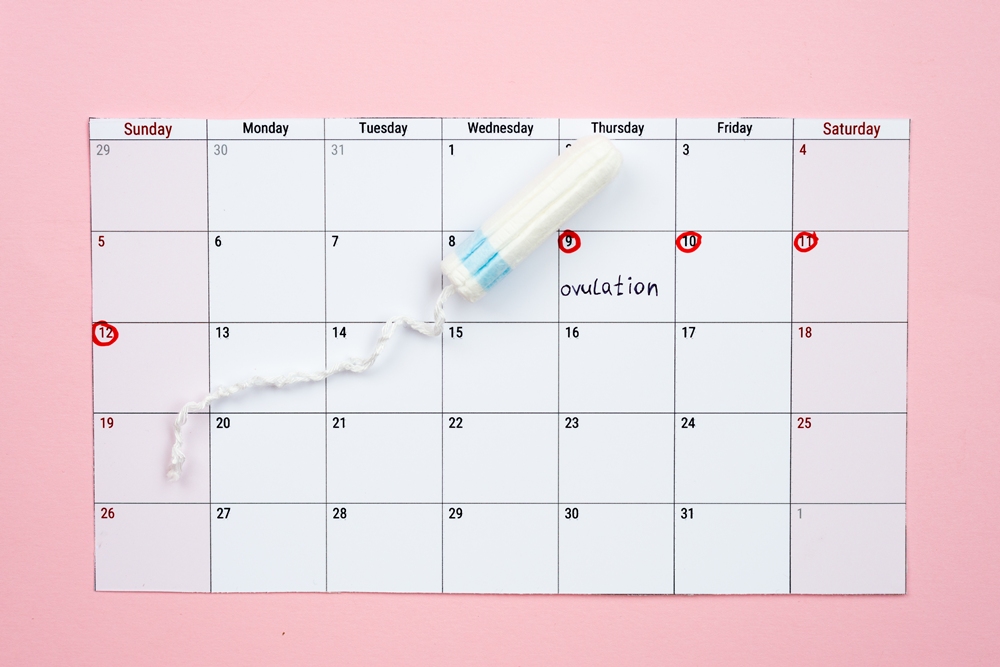
Nearly a quarter of women often miss work because of menstrual symptoms, according to a survey examining hormonal health among women in full-time work in Ireland.
The survey looked at the impact of menstruation, fertility and motherhood, and perimenopause and menopause.
Research from The Menopause Hub found more than one in three women who had not disclosed a menstrual health issue at work said the lack of a clear workplace policy was the reason.

More than a quarter said they did not think their concerns would be taken seriously, while 22 per cent cited embarrassment and 18 per cent feared being judged.
Nearly half of respondents said better workplace support would have made them feel less stressed, while 40 per cent said it would have made them feel more valued. Some 36 per cent said they would have felt more comfortable speaking up.
Some 76 per cent of women surveyed said they experienced menstrual health issues, with 23 per cent of those often missing work because of symptoms.
Nearly half of respondents, 49 per cent, said they felt uncomfortable talking about menstruation at work.
One respondent said: “As a woman, we try to get through the day, sometimes in pain that can’t be seen. We feel emotionally and physically drained.”
The research also found that 62 per cent of those who experienced baby loss reported a moderate or significant impact on work attendance.
More than half of respondents who experienced depression during pregnancy also reported a moderate or significant impact on attendance.
Some 63 per cent of mothers said it was “difficult” to return to work after pregnancy, while nearly half said their maternity pay arrangement had negatively affected their financial wellbeing.
One respondent said: “I almost walked away. The only reason I stayed was because I had to provide for my family.”
The survey also found that nearly half of respondents said menopause had some impact on their attendance, while more than six in 10 reported an impact on their work performance.
Some 44 per cent of women said they were “uncomfortable” discussing perimenopause and menopause at work.
One person said they were “already terrified of losing my job at my age:
“I need to just struggle through this without support or acknowledgement. That’s basically workplace discrimination.”
The Menopause Hub chief executive Loretta Dignam said women’s hormonal health has been treated as a “private or personal issue” for too long, “when the reality is that it has a very real impact on women’s working lives”.
“The fundamental point is that women are not ‘mini men.’
“Our biology is different, and workplaces that were largely designed around a male model of health and working life need to evolve to recognise that.
“What is striking is how many women continue to show up, perform, push through and progress at work while managing significant physical and emotional symptoms, often without the policies, understanding or practical support they need,” Dignam said.
She added that because expectations are changing, Gen Z and Gen Alpha employees will be “far less willing than previous generations to accept workplaces that ignore their health and wellbeing”.



A perimenopause app that maps existing smartwatch data to the menopausal transition has launched across 39 markets in the UK and Europe.
anna app uses information already recorded by wearables, including sleep, heart rate and body temperature, and returns one suggested lifestyle action each morning alongside the research behind it.
The company says each rule in its library links a defined pattern in a woman’s own data to a specific action. The recommendations were developed with an advising clinician and draw on more than 300 published studies.
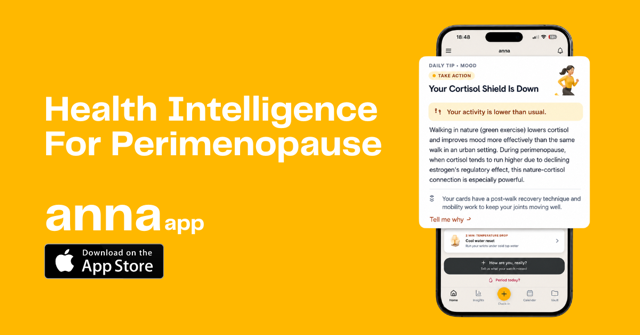
The company says recommendations are not generated automatically and each can be traced to research reviewed by a doctor.
The app was built by two women in Riga, has been funded without outside investment and was tested with women in the UK over three months before launch.
Perimenopause is the period of hormonal change before periods stop and usually begins after 40.
The company says one of the challenges is the unpredictability of the transition, with sleep, energy, mood and concentration potentially changing from week to week.
Because the experience varies between women, the developers say it can be difficult to find care tailored to individual needs. After 45, there is also no reliable blood test to confirm perimenopause.
The transition can coincide with a busy period in women’s working lives.
CIPD research published in 2023 found that 27 per cent of working women aged 40 to 60 with menopause symptoms said they had affected their career progression, equivalent to around 1.2m women in the UK.
Some 79 per cent said they felt less able to concentrate.
The long-running Study of Women’s Health Across the Nation, which has followed thousands of women through the menopausal transition, found that cognitive difficulties reported during perimenopause appear to be time-limited, with improvement returning in early postmenopause.
The developers say anna differs from standard wearable data by interpreting measurements specifically in the context of perimenopause.
A smartwatch may show changes in sleep, heart rate or temperature, but anna is designed to look at combinations of those signals and link them to lifestyle guidance for that day.
The app is also designed to work without daily symptom logging.
Users can complete an optional daily check-in if they want to add more context, but the app can operate without a symptom diary or daily manual entries.
It uses information from a compatible device the user already owns, such as a watch, ring or band.
Elina Pika-Lepere, co-founder and chief executive of anna app, said: “Perimenopause arrives exactly when a woman has the least spare capacity. She is often at the peak of her career, raising children, caring for ageing parents. What she has lost is not information, it is predictability.
“We built anna to offer a helping hand and evidence-based guidance through a stage that is difficult but temporary.”
The company gave the example of a morning when a user’s watch shows she has slept well below her own 28-day average.
Rather than simply telling her she is tired, anna may suggest choosing one priority and working on it in 25-minute blocks with a short break between them.
The app also displays the sleep and concentration research used for the recommendation.
anna was founded by Pika-Lepere, who spent 15 years building products in advertising, retail and e-commerce, and product lead Zanda Freimane, whose background is in product management in fintech and e-commerce.
The wider team includes a mathematician and university researcher advising on data architecture, a senior developer and a user experience adviser from a Baltic unicorn company.
anna app is not a medical device and does not provide medical advice.
Its guidance is limited to lifestyle support, and the company describes the app as a tool to complement a doctor rather than replace professional medical care.
anna app is available on iOS across 39 markets in the UK and Europe and is listed on the App Store as anna: Perimenopause & Sleep.
The app is in English and works with Apple Watch, Garmin, Fitbit, Oura and Whoop through Apple Health.
The company says user data is hosted in the EU and is never sold.
The service costs £13.99 a month or £99.99 a year in the UK and €14.99 a month or €99.99 a year in the euro area after a seven-day free trial.
Women using menopausal hormone therapy had a lower dementia risk, with oestrogen-only users showing fewer Alzheimer’s-related brain changes in a recent study.
Researchers stressed that the findings do not show that hormone therapy prevents dementia, but found women using oestrogen-only treatment had fewer biological signs linked to Alzheimer’s disease.
The observational study also found that women using this form of hormone therapy were less likely to receive a clinical dementia diagnosis.

The study combined clinical data with biomarkers and evidence from brain tissue collected after death to build a more detailed picture of the relationship between hormone therapy and Alzheimer’s-related changes.
The findings contrast with several previous studies reporting that menopausal hormone therapy increases dementia risk.
Dr Hadi Hosseini, associate professor of psychiatry and behavioural sciences at Stanford University in the US and senior author, said: “Our study is unique in that we looked at all the standards of Alzheimer’s diagnosis, including the gold-standard outcome: Alzheimer’s-associated hallmarks in autopsied brains.”
Hosseini said many conditions can affect memory and that clinical diagnoses are not always accurate. Examining brain tissue allows researchers to look directly for the defining biological features associated with Alzheimer’s disease.
Researchers examined medical records from 21,462 women taking part in two large US studies.
They looked only at women who used oestrogen-only therapy because previous studies indicated that treatment combining oestrogen and progestin may increase dementia risk.
This group was compared with women who reported no use of menopausal hormone therapy.
The records included data from 258 brain autopsies of women who had reported using oestrogen-only menopausal hormone therapy and 2,701 autopsies from women who had not used hormone therapy.
After adjusting for factors including age, women who took hormone therapy had a 35 per cent lower chance of showing biological signs of Alzheimer’s disease than those who did not use hormone therapy.
Hormone therapy use was also associated with a 39 per cent lower risk of receiving a clinical dementia diagnosis and a reduced risk of memory problems or declining functional abilities.
Dr Tom Blackmore, research programmes manager at Alzheimer’s Research UK, said: “Dementia has been the leading cause of death for women in the UK for over a decade, yet we still don’t fully understand why women are more likely to be affected by the condition than men.
“Understanding how hormones, menopause and ageing influence brain health is an important area of dementia research.
“While these findings are interesting, this study can only show an association and cannot tell us whether hormone therapy itself reduced dementia risk.
“Many factors influence a person’s likelihood of developing dementia, and women who received hormone therapy may differ from those who did not in ways that also affect their long-term brain health.”
In current standard practice, oestrogen-only therapy is prescribed to people who have undergone a hysterectomy because of the increased risk of endometrial cancer.
Blackmore also said the study focused exclusively on women taking oestrogen-only hormone therapy, which “differs substantially from how hormone replacement therapy is typically used today.”
Although early studies suggested menopausal hormone therapy might help protect menopausal women from dementia, later research produced inconclusive results.
A large analysis published in 2003 suggested the opposite, finding that oestrogen-plus-progestin formulations appeared to increase dementia risk, particularly when started at an older age.
Hosseini said: “There have been a lot of conflicting findings about MHT’s [menopausal hormone therapy’s] effects on Alzheimer’s disease outcomes.”
He added: “Different studies may have involved different age ranges of initiating MHT.”
Hosseini said studies may also have examined different clinical outcomes and biomarkers, combined different hormone therapy formulations or looked at different routes of administration and treatment durations.
Blackmore added that the findings “are not a reason for women to start or stop hormone replacement therapy with the aim of reducing dementia risk.”
He added: “Instead, the study provides valuable clues about the biology underlying dementia and highlights the need for more research into women’s brain health.
“Larger and more diverse studies will be needed to determine whether hormone-based treatments could play any role in reducing dementia risk.”
According to Alzheimer’s Research UK, an estimated 982,000 people are living with dementia in the UK, with around 65 per cent of those affected being women.








 Entrepreneur2 weeks ago
Applications close August 18 for Women’s Health Innovation Summit 2026 Innovation Showcase

 Menopause2 weeks ago
Third of women unaware of perimenopause mental health impact

 Fertility1 week ago
Chelsea FC Women to launch first-of-its-kind player fertility fund
 Menopause2 weeks ago
Menopausal hormone therapy may lower dementia risk, study suggests

 Opinion1 week ago
anna perimenopause app launches across 39 markets

 Hormonal health2 weeks ago
We are wrapping our children in plastic and calling it care

 Pregnancy2 weeks ago
Chemicals in plastics may be linked to high blood pressure during pregnancy

 News2 weeks ago
Women with endometriosis face 46% higher risk of type 2 diabetes – study