




Hormonal health
Why generic fitness plans need to catch up to hormonal science


Each January, millions engage in intense workout routines and rigid fitness challenges in a bid to enhance personal fitness for the year ahead.
But women-led period and cycle tracker Clue warns that much mainstream fitness advice is based on a flawed assumption: that bodies perform the same way every day.
For people with menstrual cycles, hormonal fluctuations can shape energy, mood, sleep, motivation, perceived effort and recovery, meaning following a generic, one-size-fits-all training plan could in fact be the cause of increased burnout, injury risk and drop-off.
This January, Clue in partnership with ŌURA, the wearable health platform, are calling for a smarter approach to 2026 fitness plans: cycle-aware, data-led routines, that are built around strength, flexibility and recovery.
The January Fitness Boom
Insights from ŌURA prove January fitness culture is real compared to other winter months.
In the UK, ŌURA saw a 28.2 per cent increase in the percentage of days with a logged workout in January 2025 vs December 2025 (excluding housework, walking and “other”).
In the US, the increase was 19.5 per cent over the same period.
Dr Charis Chambers, chief medical officer at Clue, said: “Beginning the new year with a commitment to regular exercise is a common way to prioritise health, but abruptly starting intense fitness training can actually increase risks of health issues.
“This is why the ‘push through it’ fitness culture we often see in January can be particularly harmful for women and people with menstrual cycles.
“Rather than pushing through fatigue, pain or disrupted sleep, people will see greater long term benefit from adapting workouts to how their bodies feel across the cycle and using data to understand what’s normal for them.”
Data-driven Exercise
With wearable fitness tracking now mainstream, more women and people with cycles are building fitness habits using biometric feedback such as sleep, temperature trends and recovery.
This provides a broader picture of their health, allowing them to spot changes, monitor health goals, and adapt routines in ways that feel aligned with their bodies.
Dr Chris Curry, MD, PhD, clinical director of women’s health at ŌURA, said: “By combining ŌURA’s readiness, sleep, and activity data with Clue’s detailed cycle tracking, women have a more complete picture of how hormonal fluctuations impact overall health and well-being.
“This integration enables members to observe how their menstrual cycle phases may align with changes in sleep patterns, energy levels, stress resilience, and recovery capacity, informing more flexible, cycle-aware fitness routines that can be adapted to the body’s natural rhythm.”
Everyday high intensity exercise doesn’t work long term
January fitness culture often equates “more” and “harder”, leading many people to gravitate towards daily HIIT-style workouts that promise quick change.
But experts warn that this approach isn’t always sustainable, particularly for people with menstrual cycles.
Eve Lepage, senior reproductive health specialist at Clue, said: “High-intensity workouts create short-term increases in cortisol, which is normal.
“But repeatedly stacking intense sessions without adequate recovery can lead to fatigue, disrupted sleep and burnout.
What the evidence supports instead is balance, anchoring routines in strength training at least twice per week, using higher intensity in moderation, and allowing flexibility based on how you feel.”
By contrast, excessive cardio or high-intensity training without sufficient recovery can negatively impact the body’s cortisol patterns.
Clue user data shows that walking (32 per cent), rest days (24 per cent), and strength training (16 per cent) are the most commonly tracked activities, highlighting that consistent, everyday movement, rather than extreme routines, forms the foundation of how most people actually exercise.
According to Clue, this is an important reminder during January’s fitness push: movement doesn’t need to be extreme to be effective.
Cycle-awareness doesn’t mean rigid ‘cycle syncing’
While cycle-synced workouts have gained recent attention, Clue experts emphasise that there is a lack of scientific evidence to support this effectiveness as a one-size fits all approach.
Instead, a more effective approach is cycle aware and symptom-guided, using menstrual cycle tracking to understand individual patterns over time and adjusting training intensity based on how the body feels day-to-day.
“Cycle awareness isn’t about following strict rules, it’s about self-knowledge,” said Eve Lepage.
“Some people notice changes in energy, mood or perceived effort across their cycle. Some feel stronger or more energetic during the late follicular phase (on the days leading up to ovulation), while feeling more tired during the luteal phase (after ovulation and before the next period), while others don’t notice much difference at all.
Rather than asking ‘What should I do in this phase?’, a better question is: ‘How do I usually feel here?’ and adjust accordingly.”
Clue health experts encourage an approach to fitness that prioritises long-term health over short-term intensity.
Rather than aiming for perfection, Clue experts recommend building routines around four evidence-based principles, designed to support strength, recovery, and consistency:
- Strength training as the foundation – Supporting long-term muscle, metabolic and bone health, strength training is one of the most effective ways to build resilience and reduce injury risk. It also offers flexibility: intensity and load can be adjusted based on symptoms, fatigue, or low readiness days.
- Adequate recovery (non-negotiable) – Recovery is when the body adapts and improves. Without enough rest days, people are more likely to experience persistent fatigue, disrupted sleep, reduced motivation, or injury, all of which increase drop-off and burnout.
- Aerobic training with flexible intensity — not “push through it” culture – Sustainable fitness is built around adapting workouts to real-life signals. On lower-energy or symptom-heavy days, a routine might shift from HIIT to lower-impact movement like cycling, or reduce duration, all without “failing” the plan. Most important is to move regularly, on most days, even when it’s just going for a walk on some days.
- Listening to bodily signals (including cycle changes) – Persistent fatigue, pain, disrupted sleep, emotional exhaustion and even cycle changes such as irregular, missed or lighter periods can be signs the body is under excessive stress. Clue experts emphasise that the menstrual cycle is a vital sign, and significant changes can indicate it’s time to scale back and prioritise recovery.
Together, Clue’s cycle insights and ŌURA’s biometric tracking help people better understand how menstrual cycle phases may align with changes in energy, mood and recovery — supporting training routines that are sustainable year-round.
Head to www.helloclue.com for more information and to download the app and learn more about Oura Ring and Oura health insights at www.ouraring.com












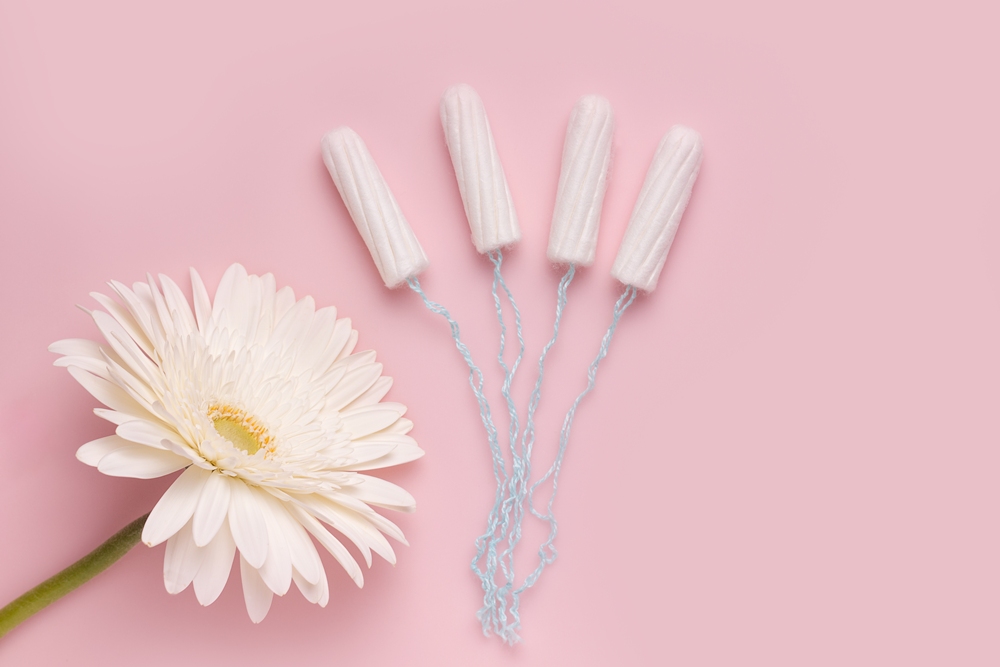
Menstrual fluid collected from tampons could one day provide a simple, non-invasive way to measure a biomarker of nerve damage and potentially track disease activity in neurological conditions such as multiple sclerosis (MS), new research suggests.
Because neurofilament light chain, or NfL, has emerged as a promising biomarker of MS, detecting it in menstrual fluid raises the possibility of monitoring disease activity through the natural monthly cycle of menstruation.

Researchers at Nextgen Jane, in collaboration with Siemens Healthineers, found that NfL, a protein released when nerve cells are damaged, can be reliably detected in tampon-collected menstrual samples.
“Finding that NfL tracks with estrogen levels in menstrual fluid, independent of how much blood is in the sample, tells us there is real biology here, not just contamination,” said Ridhi Tariyal, chief executive and co-founder of Nextgen Jane.
“That changes what this specimen means for neurology.”
In MS, the immune system mistakenly attacks healthy parts of the brain and spinal cord, causing inflammation and damage that can lead to symptoms such as fatigue, numbness, muscle weakness, and problems with balance or vision.
Confirming a diagnosis of MS usually requires a combination of physical and neurological examinations, MRI scans to check for brain and spinal cord damage, and lab tests.
These can include detecting certain proteins in cerebrospinal fluid, the fluid that surrounds the brain and spinal cord, which may indicate inflammation in the brain or spinal cord.
After diagnosis, patients are usually monitored through clinical assessments and routine MRI scans, which help doctors detect changes in disease activity and determine whether treatments are working.
However, MRI assessments can be costly and are usually done once or twice a year, which can prevent doctors from spotting early changes and making timely treatment adjustments.
Because of these challenges, researchers have long sought cost-effective, more accessible biomarkers that could help detect MS earlier, monitor disease activity over time, and evaluate treatment response.
One of the most promising candidates is NfL, a protein found in nerve cell fibres that is released into the bloodstream and cerebrospinal fluid when nerve cells are injured.
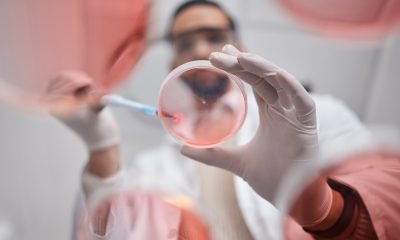
To explore whether menstrual fluid could serve as a source for detecting this biomarker and, more broadly, as a non-invasive specimen for monitoring neurological, hormonal and inflammatory signals, researchers analysed 99 tampon-collected menstrual fluid samples from 91 participants.
They used Siemens Healthineers’ highly sensitive NfL assay on its automated testing platform. The team also measured hormonal and inflammatory molecules.
NfL was detected in 98 of the 99 menstrual fluid samples analysed, suggesting the biomarker can be reliably measured in tampon-collected samples.
The researchers also found that NfL levels were associated with estradiol levels, a form of the hormone oestrogen, and that this relationship remained significant even after adjusting for differences in blood content between samples.
By comparison, levels of inflammatory markers were more strongly linked to blood content itself.
According to the researchers, this suggests NfL detection was not merely the result of blood contamination, but may reflect biologically meaningful changes that could potentially be tracked over time through routine menstrual sampling.
Building on these findings, Nextgen Jane is now planning prospective studies to investigate whether menstrual NfL and other neurological proteins can be used to track disease activity over time in conditions such as MS.
“The menstrual cycle provides a built-in longitudinal framework: the same individual, the same biological process, month after month,” said Stephen Gire, chief scientific officer at Nextgen Jane.
“Coupling the NextGen Jane platform with Siemens Healthineers’ highly sensitive NfL assay gives us a path to study neurological biomarker trajectories in a way that has not been possibe before.”
Simultaneous exposure to toxic chemicals and climate-related heat may be worsening fertility harms across humans and wildlife, research suggests.
The review of scientific literature looks at how endocrine-disrupting chemicals, often found in plastic, together with climate-related effects such as heat stress, are each linked to lower fertility and fecundity, meaning the ability to reproduce, across species including humans, wildlife and invertebrates.

Though the reproductive harms of each issue in isolation are well studied, there is little research on what happens when living organisms are exposed to both.
“Together, the two issues are likely to pose a greater threat to fertility, and the additive effect is “alarming”, said Susanne Brander, a study lead author and courtesy faculty at Oregon State University.
“You’re not just getting exposed to one, but two, stressors at the same time that both may affect your fertility, and in turn the overall impact is going to be a bit worse,” Brander said.
The paper looked at 177 studies.
Shanna Swan, a co-author on the new paper, co-produced a 2017 study that found sperm levels among men in western countries had fallen by more than 50 per cent over four decades. Other research has suggested human fertility has been declining at a similar rate.
The University of Washington’s Institute for Health Metrics and Evaluation has previously said the world was approaching a “low-fertility future”, with more than three quarters of countries below replacement rate by 2050.
The new paper’s authors focused on the effects of endocrine-disrupting chemicals and substances, including microplastics, bisphenol, phthalates and PFAS.
These are thought to cause a range of serious reproductive problems, disrupt hormones and be a potential driver of falling fertility.
Brander said the harms linked to these chemicals are often similar across organisms, from invertebrates to humans.
Phthalates, for example, have been linked to altered sperm shape in invertebrates, spermatogenesis in rodents, meaning sperm production, and reduced sperm counts in humans.
PFAS are also thought to affect sperm quality, and both have been linked to hormone disruption.
The chemicals are widespread in consumer goods, so people are often regularly exposed.
Meanwhile, previous research has shown how rising temperatures, lower oxygen levels and heat stress, among other effects linked to climate change, may also worsen infertility.
Heat stress has been found to affect human hormones, and is linked to spermatogenesis in rodents and bulls.
Research shows temperature also plays a role in sex determination in fish, reptiles and amphibians.
The species has evolved to choose which sex it produces in part based on temperature, and the heating planet can “push it too far in one direction or the other, which overrides that evolutionary benefit”, Brander said.
Similarly, many endocrine disruptors may alter environmental sex determination.
The study set out some of the overlapping effects of chemical exposure and climate change across taxonomic groups, from invertebrates to humans.
In birds, for example, exposure to increased temperature, PFAS, organochlorines and pyrethroids may each individually cause abnormal sperm, increased fledgling mortality, abnormal testes and population decline.
“What happens if they’re exposed to more than one of those stressors at the same time? There has been little exploration of that question.
“Even if there have not been a lot of studies looking at these simultaneously, if you have two different factors that both cause the same adverse effect, then there’s a likelihood that they are going to be additive,” Brander said.
Katie Pelch, a senior scientist with the Natural Resources Defense Council nonprofit, who was not part of the study, said the authors had reviewed high-quality science.
She said she wanted to see more examples of the overlap in impacts, but agreed with the overall premise.
“It is likely [multiple stressors] would have an additive effect, at very least, even if they have different mechanisms of harm,” Pelch added.
The solution to the systemic problems would involve tackling climate change and reducing the use of toxic chemicals.
The study cites the global reduction in the use of DDT and PCBs achieved under the Stockholm Convention as an example of an effective measure, but Brander said much more is needed.
“There is enough evidence in both areas to act to reduce our impact on the planet,” she said.












 Entrepreneur3 weeks ago
Future Fertility raises Series A financing to scale AI tools redefining fertility care worldwide
 Entrepreneur2 weeks ago
Women’s digital health market set to reach US$5.28 billion in 2026 – report
 Diagnosis3 weeks ago
New meta-analysis further supports low re-excisions and high placement accuracy with the Magseed marker
 Fertility4 weeks ago
Future Fertility partners with Japan’s leading IVF provider, Kato Ladies Clinic

 Menopause4 weeks ago
More research needed to understand link between brain fog and menopause, expert says

 Mental health3 weeks ago
Lifting weights shows mental health and cognitive benefits in older women, study finds

 Fertility4 weeks ago
Flora Fertility closes US$5m seed round

 News3 weeks ago
Resistance training has preventative effects in menopause, study finds