Connect with us

News

Medical AI company Lunit completes US$193m acquisition

The move is expected to boost Lunit’s capabilities in AI-driven cancer diagnostics

Published

on

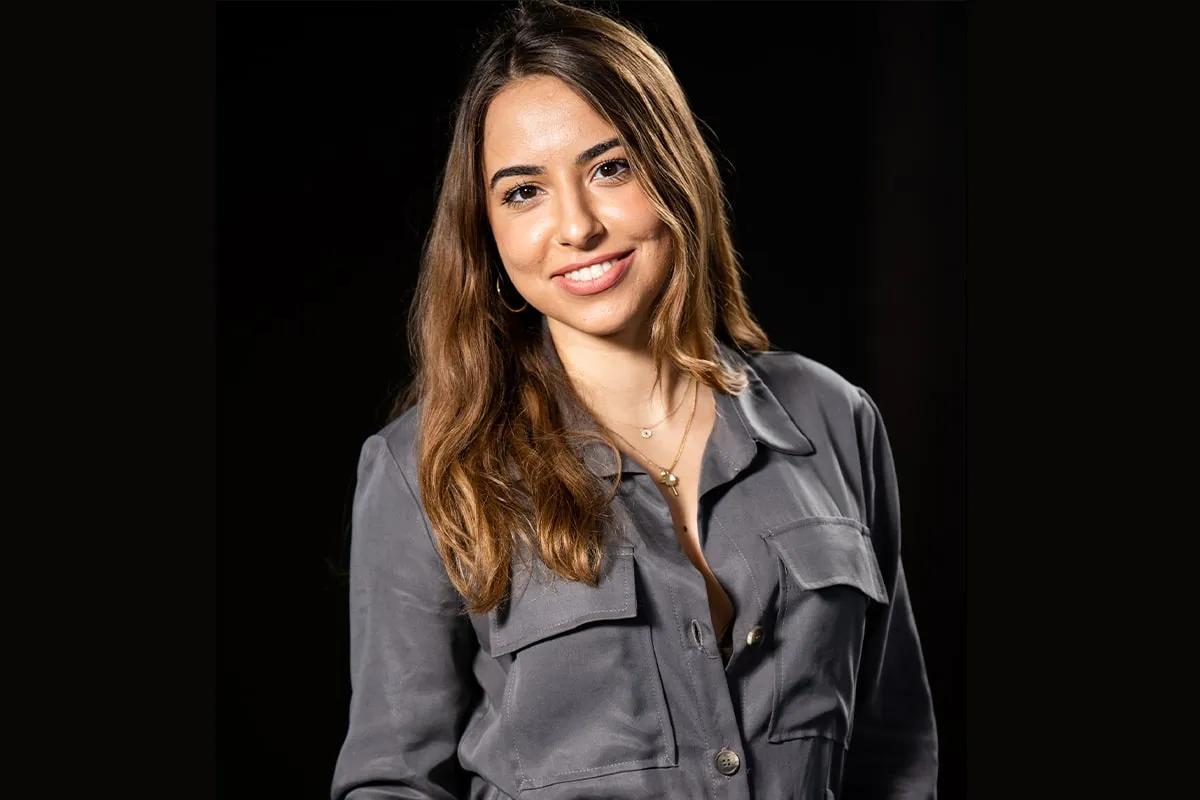
Brandon Suh, chief executive officer of Lunit

The South Korean medical AI company Lunit has completed its acquisition of rival company Volpara Health Technologies in a deal valued at US$193m.

Lunit, which develops medical AI software for cancer screening and treatment, first announced the deal in December and was able to complete the entire transaction in eight months.

The company said the acquisition marked a “significant milestone” in its “mission to conquer cancer”.

“We are thrilled to welcome Volpara into the Lunit family. Today, we take a monumental step towards revolutionising our approach to cancer care,” said Brandon Suh, chief executive officer of Lunit.

“By combining our strengths, we are creating a formidable alliance in the industry, particularly in the US market. This merger enables us to develop and deliver innovative, life-saving solutions that meet critical needs in cancer diagnostics.

“While our initial focus remains on breast cancer, both Lunit and Volpara are committed to broadening our offerings to address a wider range of cancers and medical conditions. Together, we will enhance our technological capabilities and strengthen our mission to lead the global fight against cancer.”

Founded in 2013, Lunit uses AI-powered medical image analytics and AI biomarkers to improve cancer diagnosis and treatment. Its FDA-cleared Lunit INSIGHT suite for cancer screening serves over 3,000 hospitals and medical institutions.

Wellington-based Volpara offers software for the early detection of cancer. The strategic move, according to insiders, comes after last year Lunit conducted an “exhaustive” evaluation of possible ways to expand.

The acquisition is expected to boost Lunit’s capabilities in cancer diagnostics and create a “holistic” AI suite that will enhance breast screening.

Teri Thomas, CEO of Volpara, said: “This merger represents an exciting opportunity to enhance our impact on global healthcare.

“We can significantly improve early cancer detection and patient outcomes by integrating Volpara’s innovative breast screening technology with Lunit’s AI capabilities.”

She added: “Together, we aim to set new standards in cancer diagnostics and drive forward advancements that will benefit healthcare providers and patients globally.

“Our shared vision to conquer cancer will undoubtedly pave the way for transformative developments in medical AI.”

To receive the Femtech World newsletter, sign up here.

News

Research project of the year shortlist revealed

Published

on

The Femtech World Awards is proud to reveal the shortlist for Research Project of the Year as part of the third annual global celebration of innovation, impact and leadership across women’s health.

From fertility science and perimenopause research to regional ecosystem analysis, the shortlisted projects reflect the breadth and growing influence of femtech research worldwide.

The category is sponsored by OncoGenomX, with the winner to be selected by a representative from the organisation.

OncoGenomX is dedicated to offering solutions and providing comprehensive support services that empower Drug Developers, Clinical Researchers, Oncologists,NextGenSeq Diagnostics Laboratories, NextGenSeq Service Organisations, Cancer Diagnostics and Therapeutics Companies to achieve their ambitious goals

The shortlisted entries for Research Project of the Year are:

Women’s health remains significantly underserved in South-East Asia, with persistent gaps in access, awareness, and quality of care carrying substantial social and economic costs.

This report examines the femtech landscape in Indonesia, the Philippines, Singapore, Thailand, and Vietnam, highlighting market trends, emerging technologies including artificial intelligence, and the evolving support ecosystem.

It identifies key challenges facing femtech founders, including limited access to finance, low awareness and persistent stigma, marketing constraints linked to content moderation, and gaps in tailored ecosystem support.


Led by Stephanie Willson, MD, of the IVI RMA Global Research Alliance, the study explored whether embryos that show certain chromosome abnormalities during genetic testing may still have the potential to result in a healthy pregnancy and live birth.

The research analysed more than 7,600 frozen embryo transfers and found that some embryos previously considered unlikely to succeed were still capable of leading to successful pregnancies, although at lower rates than embryos without abnormalities.

The findings could help fertility clinics and patients make more informed decisions during IVF treatment, particularly in cases where there are limited embryos available.

Rather than automatically discarding these embryos, the research supports a more evidence-based and personalised approach to fertility care.

For many women, perimenopause can feel confusing and unpredictable, with limited research explaining what is happening in their bodies.

Natural Cycles set out to change that by leading one of the largest studies ever conducted on menstrual and ovulatory patterns, uncovering new insights into how ovulation behaves as women approach menopause.

Conducted in collaboration with researchers from George Washington University, Seattle Clinical Research Center, Gennev and the University of California San Diego, the study analysed nearly one million menstrual cycles from more than 197,000 women aged 18–52 across more than 140 countries.

The scale of this dataset made it possible to explore menstrual patterns and ovulation in far greater detail than has traditionally been possible in women’s health research.

The Femtech World Awards celebrates the innovators, researchers and organisations driving meaningful progress in women’s health.

What happens next

Winners across all categories will be revealed during the virtual ceremony on June 19, with winners receiving a trophy and an interview with a Femtech World journalist.

Continue Reading

Wellness

Women over 40 seeking raves for mental health benefits

Published

on

Women over 40 are seeking raves for mental and physical wellbeing, with a study suggesting the benefits go beyond nightlife.

The findings challenge the idea that nightlife and electronic dance music events are mainly for younger people.

Published in Psychology of Music, the study focused on the common misconception that nightlife is only for younger audiences.

Researchers surveyed 136 female clubbers aged 40 to 65 about their experiences at electronic dance music events.

The study, carried out at the University of Leeds in England, found women reported mental and physical wellbeing benefits from attending these events.

Seeing favourite DJs was the most common motivation, but many women also described dancing as a way to relieve stress and find emotional support.

The research found that 65.9 per cent of participants described attending a rave as “spiritual”, while 62.9 per cent said it offered an escape from everyday life.

A further 58.3 per cent said they felt like a different version of themselves in a club environment.

Nine in ten participants said they felt at home at electronic dance music events, with many pointing to a shared passion for music and the sense of community around it.

The study also suggested physical fitness played a role, with some women saying they had made clubbing part of their regular exercise routine.

However, the findings also highlighted challenges for older women in nightlife spaces.

One fifth of participants said they felt visibly out of place because of their age.

Nearly half reported unwanted physical contact, leading some to seek out different venues or attend only with friends.

Continue Reading

News

Osteoporosis significantly increases risk of death in menopause, study suggests

Published

on

Osteoporosis may raise the risk of death in postmenopausal women by up to 47 per cent, a new study suggests.

The findings point to an inverse relationship between femoral bone mineral density and mortality risk, especially within certain ranges.

Femoral bone mineral density is the amount of mineral in the thigh bone, which is often measured to assess bone strength and osteoporosis risk.

Dr Monica Christmas is associate medical director for The Menopause Society.

She said: “Osteoporosis often remains a silent threat after menopause, despite its profound effect on women’s lives—from loss of height, poor balance, and reduced mobility to disfigurement, pain, and even premature death.

“Early screening and preventive measures, including a calcium-rich diet (preferably from food sources), regular weight-bearing exercise, and hormone therapy when appropriate, can significantly improve bone health and reduce risks not only of fractures but also cardiovascular disease, certain cancers, and dementia.

“It’s time we bring this conversation to the forefront.”

In the  study involving nearly 3,000 postmenopausal women, bone mineral density at four femoral sites was assessed using dual-energy x-ray absorptiometry, a scan commonly used to measure bone strength and fracture risk.

The analysis found that mortality risk was significantly higher when femoral bone mineral density reached the osteoporotic threshold or when osteoporotic fractures were present.

After full adjustment, osteoporosis was associated with a 47 per cent increased risk of mortality.

A stronger inverse association between increased bone mineral density and mortality risk was seen within specific ranges, suggesting bone mineral density could serve as a prognostic marker of wider health.

The relationship appeared especially notable within the range of 0.46 to 0.71 g/cm² for total femur bone mineral density.

Previous research has shown that postmenopausal women face a significantly higher risk of death within one year of hip or vertebral fractures.

Continue Reading

Trending

Copyright © 2025 Aspect Health Media Ltd. All Rights Reserved.