




Connect with us

News

Researchers bag US$50m NIH grant to study impact of environmental factors on pregnancy

Published

on

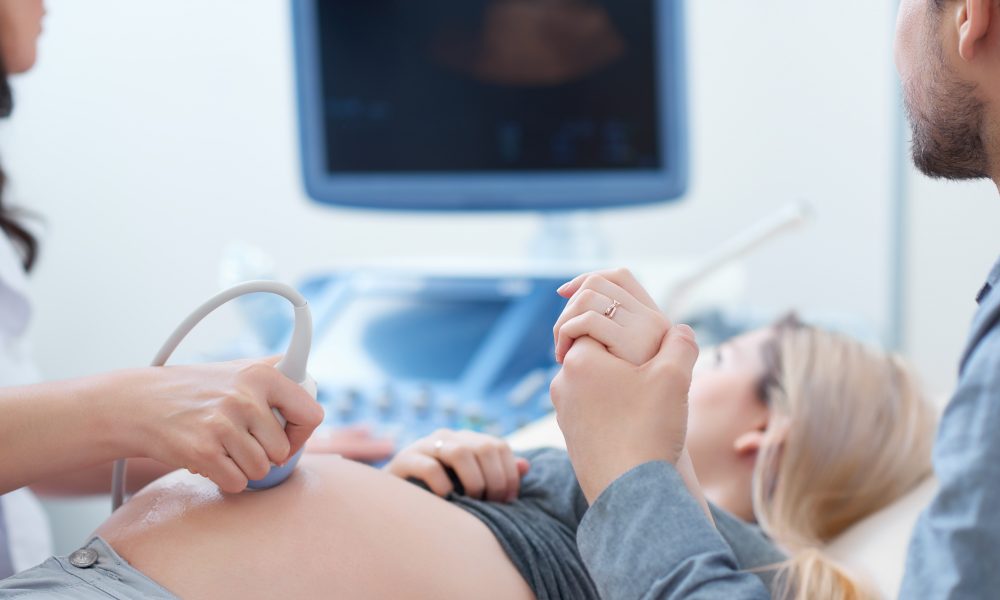
Researchers from the University of Pennsylvania, Children’s Hospital of Philadelphia and Penn Medicine have received a US$50m grant from the National Institutes of Health to study the impact of environmental factors on pregnancy and children’s health.

The research programme is part of the NIH’s Environmental influences on Child Health Outcomes (ECHO) Program, which funds research to uncover how environmental exposures during preconception, pregnancy and early life affect children’s long-term health.

Patients will be enrolled at Penn Medicine while pregnant, then the infants will be followed into childhood via teams at COP.

Sunni L. Mumford, co-lead investigator and co-director of the Women’s Health Clinical Research Center and deputy director of epidemiology in the Perelman School of Medicine at the University of Pennsylvania, said: “At Penn and CHOP, we serve a diverse population including a group of patients who are underrepresented in other pregnancy and paediatric cohorts in the United States: patients who are Black and insured by Medicaid.

“It is so important to understand how environmental toxicants and beneficial exposures shape the health of Philadelphia’s children.

“By contributing to the national ECHO Cohort, our research will benefit not only our institutional and neighborhood communities but also communities across the country.”

Heather Burris, an attending neonatologist at CHOP and co-lead investigator of the Penn-CHOP study site, said: “We are thrilled to have been chosen as an ECHO Cohort Study Site and for the opportunity to contribute to this important project, which will improve our understanding of the ways the local environment affects our children’s health.

“We know that communities are not equally exposed to environmental toxicants, and we also know that health inequities and disparities are an ongoing public health problem.

“This project will help us shed light on the extent to which the health inequities we see in our patient population are related to neighbourhood environmental exposures.”

Prior research has shown that Black infants are twice as likely to die compared to white infants, primarily due to adverse pregnancy outcomes like preterm birth.

Although extensive efforts have been taken to prevent preterm birth and improve child health, inequities across the population persist, and researchers still do not fully understand how and to what extent specific factors in the environment contribute to these ongoing problems.

To fill this gap, the CHOP and Penn researchers aim to recruit up to 2,500 pregnant people, partners, and offspring over a period of three years into the ECHO Cohort, a nationwide pool of research subjects managed by institutions across the country.

The aim across the ECHO cohort is to establish a group of pregnant people and children from different types of neighbourhoods and communities, which will allow investigators to explore questions about the impact of early environmental exposures on child health at a large and diverse scale.

Over the seven-year period of the grant, the researchers plan to evaluate the impact on maternal-child health of specific “macroenvironmental” factors – that is, factors related to the neighbourhood environment, from those that promote health, like greenspace and walkability, to those that detract from health, like pollution, neighbourhood violence and extreme temperatures.

The team want to identify modifiable factors that influence the risks of abnormal foetal growth, preterm birth, obesity, asthma, and neurodevelopmental delays, as well as whether modifying these factors may improve overall racial health disparities.

The researchers also plan to identify beneficial “microenvironmental” factors – the individual behaviours of a pregnant person, such as diet, physical activity, and sleep, which could potentially close the gap in child health outcomes.

Although prior research has looked at the health impacts of macro- and microenvironmental factors individually, no studies have explored the interplay between the two and the impact they could have on maternal-child health.

Sara B. DeMauro, an attending neonatologist at CHOP and co-lead investigator of the Penn-CHOP study site, said: “The culture of clinical research, excellent scientific environment, and diverse population makes Penn and CHOP the ideal place to innovate in the field of maternal-child health equity.

“The Penn-CHOP ECHO Study Site now joins the Philadelphia Regional Center for Children’s Environmental Health, the Penn Center of Excellence in Environmental Toxicology (CEET), and the CHOP Center for Health Equity in leading the way to improve children’s health, support environmental justice, and reduce health disparities.”

Diagnosis

WHO launches AI tool for reproductive health information

Published

on

The World Health Organization (WHO) has launched an AI tool in beta to help policymakers, experts and healthcare professionals access sexual and reproductive health information faster.

Called ChatHRP, the tool was created by WHO’s Human Reproduction Programme and draws only on verified research and guidance collected by HRP and WHO.

It uses natural language processing and retrieval-augmented generation to produce referenced content and cut the time spent searching through documents across different platforms and databases.

WHO said ChatHRP also has multilingual capabilities and low-bandwidth functionality to support use in a wide range of settings.

The beta-testing phase is aimed at a broad professional audience, including policymakers, healthcare workers, researchers and civil society groups.

WHO said the tool can help users quickly access up-to-date evidence, find sources for academic work and verify information on sexual and reproductive health and rights.

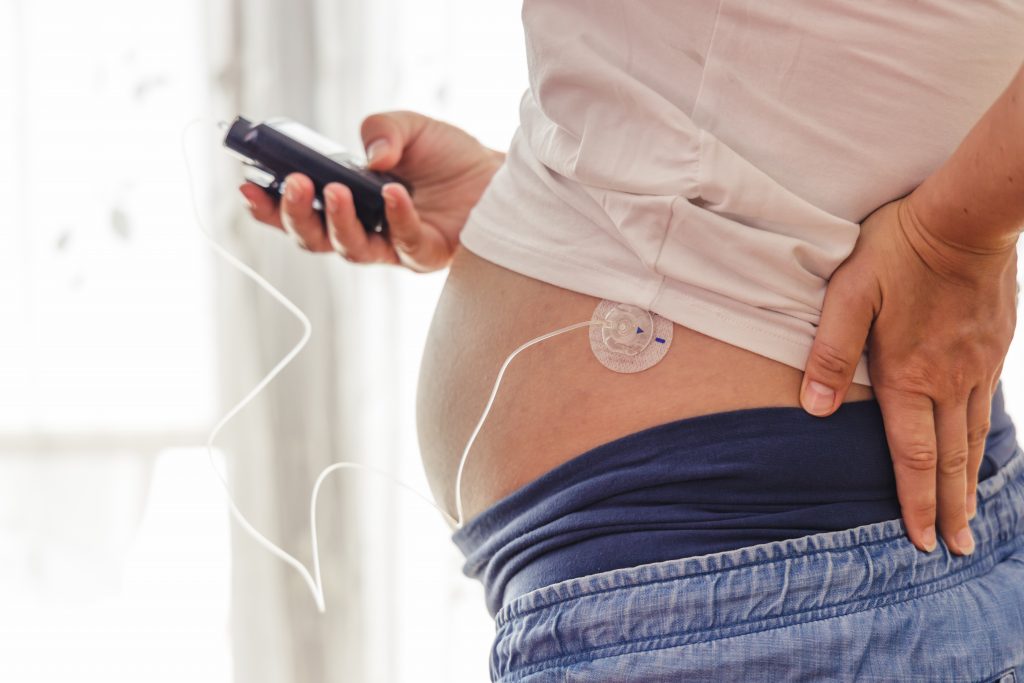
Examples of questions it can answer include the latest violence against women data in Oceania for women aged 15 to 49, recommendations on managing diabetes during pregnancy, and whether PrEP and contraception can be used at the same time. PrEP is medicine used to reduce the risk of getting HIV.

WHO added that the system will be updated regularly as new HRP materials are published and includes a feedback loop so users can flag gaps in the information provided.

The launch comes amid wider concern about misinformation in sexual and reproductive health.

A 2025 scoping review found that misinformation in digital spaces is a systemic issue that can undermine human rights, reinforce discriminatory social norms and exclude marginalised voices.

The review also said misinformation can affect health systems by shaping provider knowledge and practice, disrupting service delivery and creating barriers to equitable care.

WHO said ChatHRP is intended to give users streamlined access to reliable information as a counter to “algorithms, opinions, or misinformation”.

Continue Reading

Wellness

Women’s HealthX unveils Northwell Health, Corewell Health, Biogen & more to headline Chronic Disease stage

Published

on

Women’s HealthX has announced its lineup of healthcare trailblazers speaking on Chronic Disease Management, alongside other specialisations including Fertility, Sexual Health, Maternity, Menopause and Cognitive Health, taking a holistic approach to women’s health.

It will bring together 750+ leaders across pharma, health systems, and innovation to address one of the most urgent and underexamined challenges in healthcare; the sex difference gap in data and evidence.

Since cardiovascular disease remains the leading cause of death among women globally, and autoimmune and neurological conditions affect women at significantly higher rates, Women’s HealthX will home in on chronic disease management with 17+ sessions spotlighting case studies and lessons learned.

The Chronic Disease Management Stage at Women’s HealthX responds directly to this gap, convening senior decision makers and innovators to explore how sex specific science, digital health, and new care models can reshape outcomes for women.

Attending pharma & healthcare organisations include:

  • Tracy Sims, Executive Director, Cardiometabolic Health, Eli Lilly
  • Adrian Kielhorn, Senior Director, Global Head HEOR Neurology, Alexion Pharmaceuticals
  • Lauren Powell, Head of Health Equity and Clinical Innovation, Biogen
  • Amy Kao, SVP, Head of Neuroscience and Immunology Research, EMD Serono
  • Stella Vnook, Executive Chair and CEO, Kaida Biopharma
  • Amanda Borsky, Director, Clinical Research, Northwell Health
  • Lacey McIntosh, Division Chief, Oncologic and Molecular Imaging, UMass Memorial Medical Center
  • Nicole Turck, Vice President Operations, Women’s Health, Corewell Health
  • Mette Dyhrberg, CEO, Autoimmune Registry
  • Lyn Agostinelli, Principal Consultant, Halloran Consulting Group

Sessions addressing the real gaps in women’s chronic care

The agenda features a series of high impact sessions tackling the structural and scientific gaps in women’s health:

  • Improving outcomes in obesity through evidence based person centered care: Eli Lilly
  • Tackling sex based health inequities by breaking down barriers and bias: Alexion Pharmaceuticals
  • Close the health equity gap in women’s health by improving how autoimmune diseases are diagnosed, treated and managed: Autoimmune Registry
  • How a GYN only care model is driving faster access to gynecological care: Corewell Health
  • Transforming early detection in ovarian cancer: new pathways to accuracy, safety, and better outcomes: UMass Memorial Medical Center

Panel discussions include:

  • Why chronic disease looks different in women and why health systems haven’t adapted: Biogen, Kaida Biopharma, EMD Serono
  • How can we better engage with our customers: Northwell Health, Halloran Consulting Group

Health equity starts here. REGISTER YOUR PLACE

Why This Matters Now

Women’s HealthX positions chronic disease not just as a clinical challenge, but as a critical frontier for innovation, investment, and system redesign.

From AI powered monitoring and digital therapeutics to real world data and integrated care pathways, the stage highlights where meaningful progress is already being made and where the biggest opportunities lie.

For the FemTech ecosystem, this represents a pivotal moment: aligning technology, clinical insight, and commercial strategy to finally close the long standing data and care gaps in women’s health.

About Women’s HealthX

Women’s HealthX is where the transformation of women’s health begins at its true foundation: data, science, and evidence.

It’s the leading event dedicated to closing the sex difference data gap and accelerating breakthroughs through science driven, real world case studies.

Taking place on December 3 to 4, 2026 in Boston, USA, the exhibition will bring together more than 750 healthcare leaders, including clinicians, payers, employers, investors, and policymakers.

Seven different stages with 150+ expert speakers taking an holistic approach to women’s health. From fertility, maternity, sexual health, cognitive health, menopause and chronic disease, we address care at every stage of a woman’s life.

Continue Reading

Menopause

AI maps how reproductive organs age differently during menopause

Published

on

An AI atlas has mapped how reproductive organs age through menopause, with the ovaries, vagina and uterus changing on different timelines.

To better understand how this process affects health, researchers at the Barcelona Supercomputing Center developed what they describe as the first large-scale atlas of female reproductive system ageing, using artificial intelligence.

The team combined 1,112 tissue images from 659 samples, covering 304 women aged 20 to 70, with gene expression data from thousands of genes.

This allowed them to reconstruct how seven key reproductive organs, including the uterus, ovary, vagina, cervix, breast and fallopian tubes, age over time.

The study used the supercomputing power of MareNostrum 5 together with advanced image-recognition methods to process the data.

Using deep learning techniques, the researchers detected visible tissue changes as well as the underlying molecular processes linked to ageing in each organ.

The result was a detailed, organ-by-organ map of the reproductive system’s ageing process.

The researchers found that not all organs age in the same way or at the same speed. The ovaries and vagina showed a more gradual ageing process that begins even before menopause officially starts.

By contrast, the uterus appeared to undergo more sudden changes around the time of menopause.

Even within a single organ, different tissues aged at different rates. In the uterus, for example, the mucosa, its inner lining, and the muscular layer did not change in sync. These tissues also appeared to be particularly sensitive to the hormonal and biological shifts associated with menopause.

Marta Melé, leader of the transcriptomics and functional genomics group at BSC and director of the study, said: “Our results show that it acts as a turning point that profoundly reorganises other organs and tissues of the reproductive system, and allows us to identify the genes and molecular processes that could be behind these changes.”

Building on the finding that organs age according to different patterns, co-first author Laura Ventura said the research “paves the way for personalised medicine where treatments are tailored to a woman’s specific molecular profile and the specific tissues showing the most age-related distress.”

The study also identified molecular signals linked to reproductive ageing that can be detected in blood samples from more than 21,441 women.

These biomarkers could allow doctors to monitor the condition of reproductive organs in a non-invasive way, potentially helping to anticipate risks such as pelvic floor complications without the need for biopsies.

According to the researchers, this could lead to simpler and more accessible clinical tools for tracking women’s health over time.

Continue Reading

Trending

Copyright © 2025 Aspect Health Media Ltd. All Rights Reserved.

