



Menopause
Boots introduces ‘science-backed’ menopause wearable device
The device helps women with hot flush relief, stress and sleep disruptions associated with menopause

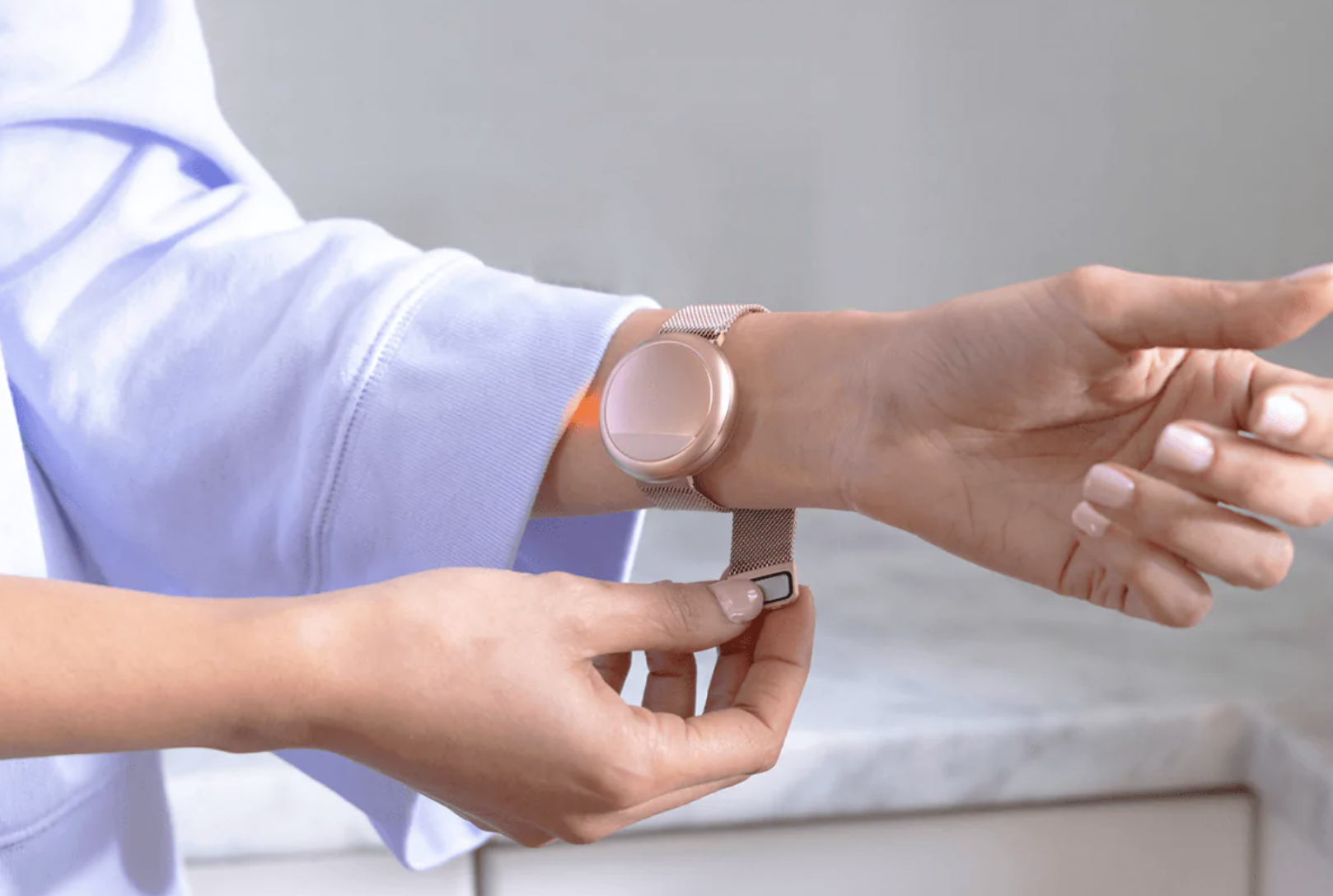
Boots and No 7 have announced the launch of a new menopause wearable device on the UK market.
The Embr Wave 2 is a wristband for hot flush relief that helps women find relief and have more control over their skin temperature during menopause.
According to Embr Labs, the device uses technology and advanced thermal science to provide rapid, safe and effective hot flash relief. The bracelet offers full-body menopause symptom relief by cooling or warming the sensitive skin of the wrist.
Using the company’s app, users can explore cooling and warming sensations and decide the intensity and duration of each session. The app also lets women track their usage, see patterns over time and learn what works best for them in the long term.
Hot flushes, also known as vasomotor symptoms or night sweats, are characterised by a sudden sensation of intense heat and sweating.
They can affect hundreds of menopausal women globally, frequently interfering with sleep and daily living, resulting in a negative impact on quality of life and even a desire to leave the workforce.
According to a public survey, three in every five women are negatively affected at work as a result of the menopause, impacting not only women but also their families.
“We’ve already witnessed the rapid adoption of the Embr Wave by women who reached menopause and how it helped them with hot flushes, insomnia, and stress,” says Embr Labs CEO, Elizabeth Gazda.
“We’re pleased that we have the opportunity to collaborate with a leading consumer brand like No7 to launch our product in the UK.
“Not only have No7 and Boots recognised the enormous commercial opportunity in the menopause space, but Boots as a company is leading the way in providing menopause benefits to its own employees—other companies are sure to follow.”
The product is available in Boots stores and online.








Brain fog in menopause is common but still poorly understood, with researchers calling for more work to explain the link and how best to support women.
For a new perspective article published in The Lancet Obstetrics, Gynaecology, & Women’s Health, researchers based in the UK and Australia reviewed the evidence on menopause-related cognitive symptoms. They found that symptoms such as forgetfulness, reduced concentration and brain fog are common during the menopause transition, but are still poorly recognised and under-researched.
More than two-thirds of women report difficulties with memory or concentration over the menopause transition. Multiple factors may contribute to these cognitive symptoms, including hormonal changes, sleep disturbances and psychological and psychosocial stress. Yet, because cognitive symptoms are not widely discussed, they can cause considerable worry, with some fearing they are signs of dementia or undiagnosed neurodevelopmental conditions.

The review paper emphasises that overall cognitive performance for women experiencing menopause-related brain fog typically remains within expected ranges and, importantly, that cognitive symptoms are not linked to an increased risk of dementia.
Professor Aimee Spector of UCL Division of Psychology and Language Sciences, co-author on the paper, said: “Cognitive symptoms such as forgetfulness and ‘brain fog’ are incredibly common during menopause, yet they are often overlooked. Our findings highlight just how complex menopause-related cognitive symptoms are, and how much we still don’t know about what drives them. More targeted research is essential if we are to identify which biological, psychological or lifestyle factors contribute most, and what types of support or treatment are likely to be effective.”
The authors argue that clinicians can play a key role in understanding and validating women’s experiences by asking about the duration of cognitive symptoms, impacts on day-to-day functioning and any other medical or psychosocial factors that could be contributing to cognitive symptoms.
The review also discusses a range of approaches that may ease cognitive symptoms, such as improving sleep quality, engaging in regular aerobic exercise and eating a balanced diet. There is also little but promising research into the impact of psychological therapies targeting cognitive symptoms, with a recent meta-analysis of three cognitive behavioural therapy-based studies showing significant improvements in memory and concentration. The evidence is more mixed for the benefits of hormone therapy on cognitive symptoms during menopause.
The authors identify cognitive symptoms as a major area of unmet need in menopause research. They call for a unified definition of menopause-related cognitive changes and for prospective, longitudinal studies that can track women from pre- to post-menopause. Better understanding of the biological, psychological and social factors that contribute to cognitive symptoms will be crucial for developing effective treatments.
Lead researcher Dr Caroline Gurvich of Monash University said: “There’s a lot of pressure to use objective measures of cognitive decline, like a memory test, for example, in a clinical trial, but the key symptom of brain fog is a subjective experience. So having a definition that acknowledges the key cognitive symptom is critical.”
This is not without precedent – we already use subjective or self-report measures for depression, anxiety and other mental health conditions with great success.
Dr Gurvich said the proposed definition would also validate women’s individual experiences while empowering them through the reassurance that any objective decline in their cognitive ability is subtle.
She added: “This is a decrease in cognitive or learning efficiency, not functionality or capacity. For many women, the perception they are losing capacity is what drives them to stop work or lose the confidence to live fulfilling lives during and after menopause. I hear all the time from women who have gone through menopause that validation would have made a significant difference to their resilience and the approach they took to living with menopause.”
Co-author Professor Martha Hickey of the University of Melbourne and Royal Women’s Hospital said: “Our analysis of the best available research shows that many women experience some degree of cognitive symptoms, such as brain fog, during the menopause transition.”
“But there’s a lack of long-term data, which means that there’s a gap in our knowledge about how the brain fog symptom develops and changes from peri-menopause to after menopause ends. It’s a real gap in our understanding.”
Professor Spector added: “We increasingly see women, typically at the peak of their careers, losing confidence in the workplace, often translating to leaving work or reducing work hours. Having simple strategies to support and retain them at work is also a broader economic issue.”













 Entrepreneur2 weeks ago
Three sessions that show exactly where women’s health is heading in 2026

 News4 weeks ago
Luna and Kindbody partner to bring data-driven insight to women’s health and fertility care

 News4 weeks ago
Femtech World Awards announces deadline extension

 Fertility4 weeks ago
Menstruation costs £20,359 a lifetime, sparking calls for Government action

 Menopause3 weeks ago
California plans US$3.4m menopause care overhaul

 Entrepreneur4 weeks ago
Halogen Ventures surpasses 100 investments in female-founded startups

 Menopause3 weeks ago
Watchdog bans five ads for women’s heath claims

 Pregnancy2 weeks ago
How NIPT has evolved and what AI NIPT means in 2026
Pingback: Thermal wellness technology company raises US$35m to fund market expansion - FemTech World