




News
Menopause at work: Women face challenges but receive minimal support, study reveals
Women cited working during menopause to be challenging reporting both physical and emotional symptoms


Women in the workforce face ‘significant’ challenges due to menopause, but receive minimal support from employers, according to a new survey from Carrot Fertility.
Carrot, a US fertility healthcare and family-forming benefits provider, commissioned the survey ahead of Menopause Awareness Month to understand the effects of menopause on careers, identify the support available and bring more awareness to menopause.
An estimated one billion women worldwide will have experienced menopause by 2025, with millions more going through perimenopause.
Of the 1,000 people experiencing perimenopause or menopause across the US who were surveyed, the vast majority of respondents (79 per cent) describe working during menopause as challenging, more than other common life stages, including starting a new job (75 per cent describe as challenging), starting a family (70 per cent), or getting a promotion (62 per cent).
When asked what age decade is the most challenging for being in the workplace, respondents ranked their 50s as number one, well ahead of second-ranked 20s, according to the study.
Most women reported the need to take time off or faced other serious challenges in the workplace during menopause and perimenopause.
More than half of women (54 per cent) have encountered at least one menopause-driven work challenge, including loss of work time and job security concerns.
Among the nearly 40 per cent of respondents who took time off due to perimenopause or menopause symptoms, 71 per cent lost more than 40 hours of work time, and 30 per cent reported losing more than a month of work time altogether.
Of those who took time off, 59 per cent felt they needed to conceal the reason for the time away.
Other workplace challenges tied to menopause reported by respondents include perceived losses to credibility in the workplace, worries over job loss due to menopause stigma, and lost work friendships.
“We’ve made tremendous progress around the ability to understand and address the fertility challenges impacting younger individuals in their work life, but we are woefully behind when it comes to supporting employees with their fertility healthcare needs as they age,” said Tammy Sun, founder and CEO, Carrot Fertility.
“The findings of this report spotlight the real challenges menopausal women in the workplace struggle with, including lost productivity and concerns over job security. The survey also validates the need for employers and business leaders to provide age-inclusive fertility benefits for employees.”
Most women surveyed were unfamiliar with workplace menopause benefits but highly supportive of the concept, with 82 per cent of respondents see such benefits as valuable.
When asked what type of menopause benefits they deem valuable, a large majority of respondents cited fundamental benefits, such as medical care and support, counselling and therapy, and support groups, as well as other offerings like menopause mentoring and office menopause rooms to manage their symptoms.
While there is high support for employer-provided menopause benefits from people experiencing menopause and perimenopause, such offerings are rare and typically limited to flexible scheduling.
Only eight per cent say their employer has offered significant support for menopause, compared to 59 per cent who report no support at all. Among the 21 per cent whose employers have offered significant or minor support, flexible scheduling is the most common.
The survey showed if employers opted to offer menopause benefits, they would gain significant advantages, including employee retention.
Other advantages for employers who offer benefits are increased job satisfaction and productivity. Among the respondents, 92 per cent have at least one reason for believing menopause benefits should be provided by employers, such as employee retention and workplace fairness.
Few respondents feel prepared for menopause, with 65 per cent describe their experience as difficult and only eight per cent report feeling very prepared and informed for the overall experience of menopause.
Despite the lack of preparedness, women shared that they’ve experienced both physical and emotional symptoms during menopause, including hot flashes, fatigue, night sweats and weight gain.
Mood changes and anxiety were the most commonly reported emotional and mental health symptoms.
The findings of Carrot’s survey highlight the perception that discussing menopause at work is taboo, and the significant impact menopause has on respondents’ personal and professional relationships.
The majority of people surveyed shared that they feel uncomfortable discussing menopause at work, having to seek support from other sources instead.
“The dramatic hormonal changes stemming from menopause can result in symptoms that negatively impact people physically, mentally, and emotionally, in both their personal and professional lives, as confirmed by this survey,” said Dr Asima Ahmad, MD, MPH, co-founder and chief medical officer at Carrot Fertility.
“What’s also crystal clear from this survey is the diversity of support and benefits women in the workplace deem critical to their productivity, ranging from medical care to counselling and emotional support groups. We hope employers are taking note.”
Carrot aims to help employers and health plans provide equal access to fertility care regardless of age, race, income, sex, sexual orientation, gender identity, marital status or location.
Earlier this year, the company developed a new line of clinically-validated, age-inclusive fertility benefits for employees going through every stage of menopause and low testosterone.
Customers have now the option to add support for menopause and low testosterone as part of their fertility benefits package, having access to providers through a specialised network, clinically supervised education and intimate group support.










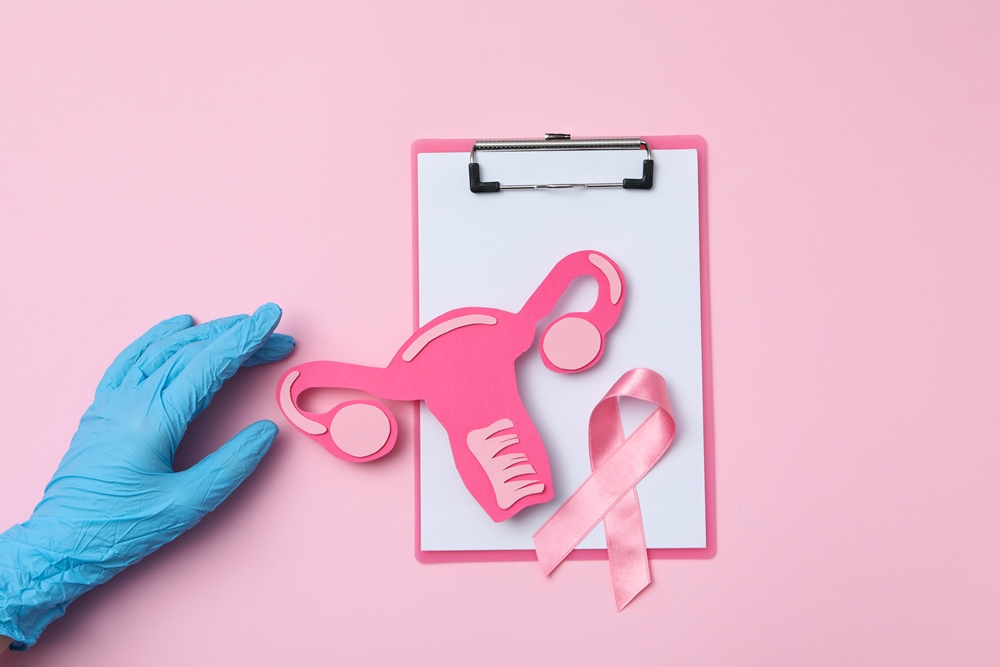
A non-profit has launched an endometriosis documentary featuring Amy Schumer and Marilyn Monroe as it pushes for changes in how the condition is treated and understood.
The Endometriosis Collective has launched to change how endometriosis is researched, treated and understood, starting with a documentary featuring stories from people including Amy Schumer and Marilyn Monroe.
The feature-length documentary, “End of the Cycle”, will premiere in New York on Tuesday, and The Endometriosis Collective is making the film free to stream online.

Schumer, a comedian, writer and actor, has previously spoken of how endometriosis left her “on the floor in pain, vomiting from the pain, the pain that nobody can see.”
Schumer is one of several celebrities featured in the documentary. Other contributors include dancer Julianne Hough, Olympic medallist Brittany Brown and actors Janel Parrish and Folake Olowofoyeku.
The Endometriosis Collective timed the documentary premiere to coincide with the 100th anniversary of Marilyn Monroe’s birth.
Monroe, who died in 1962, starred in films such as “Some Like It Hot” and “Gentlemen Prefer Blondes.”
According to a biography published in 1985, Monroe’s endometriosis was so severe that it destroyed her marriages, her wish for children, her career and ultimately her life.
The Endometriosis Collective said the documentary shares newly uncovered information about Monroe’s experience with endometriosis.
The non-profit said the information connects Monroe’s story to the experiences of women across generations, highlighting how far awareness, research and care still have to go.
A representative of the Marilyn Monroe Estate said: “By sharing this part of her story through ‘End of the Cycle,’ we hope to honour her legacy in a way that brings visibility to endometriosis, encourages more open dialogue and helps inspire the research needed to create change.”
As part of the premiere, The Endometriosis Collective is holding a panel discussion.
Schumer, Brown and Olowofoyeku, the documentary’s co-directors Sammy Jaye and Soraya Simi, and medical experts are due to be part of the premiere.
AbbVie’s Orilissa and Sumitomo Pharma’s Myfembree are among the approved drugs for endometriosis pain.
Hough, one of the participants in the documentary, starred in an Orilissa campaign in 2017.











 Menopause1 week ago
Perimenopause misinformation ‘putting women at risk’

 News4 weeks ago
NIH Grant terminations disproportionately impact minority scientists, research finds

 Adolescent health4 weeks ago
WUKA brings Period-Positive Pool Party to London Aquatics Centre to keep girls swimming through puberty
 Insight3 weeks ago
PCOS renamed after decade-long campaign to end ‘cyst’ misconception

 Events4 weeks ago
WHIS 2026 unveils agenda and first speakers for the leading women’s health summit

 Menopause4 weeks ago
CBT shows promise for menopause insomnia and hot flashes

 Hormonal health2 weeks ago
NHS urged to update website following renaming of PCOS

 News6 days ago
Three menopause innovators shortlisted for Femtech World Award
2 Comments