



Wellness
Company sends menstrual cups to space to help female astronauts


Reusable menstrual cups have been tested in outer space to assess their safety and effectiveness for managing menstrual health during long-term astronaut missions.
As part of the AstroCup Project, Lunette launched two menstrual cups aboard a suborbital rocket to test their performance in zero gravity. The cups did not leak, break, or become contaminated.
Made from hypoallergenic medical-grade silicone, the cups can be reused for up to 10 years with proper care. Unlike tampons, they collect rather than absorb menstrual fluid, helping maintain natural pH balance while reducing odour and irritation.

According to Lunette, female astronauts are currently forced to use hormonal contraception to suppress menstruation completely while on missions.
“As space travel expands and more women join missions across national and commercial programmes, it’s more important now than ever to have these conversations,” said Aleksandra Oklinska, Lunette co-owner. “The need to address menstrual care in orbit is more urgent than ever. Every astronaut deserves access to safe, effective and sustainable period care.”
“This is one small step for menstrual health and one giant leap toward inclusion and equality in space,” Oklinska added.
Disposable menstrual products are difficult to manage during spaceflight due to cargo space and waste disposal constraints. The test suggests menstrual cups could provide a more practical and sustainable alternative, potentially eliminating the need for hormonal suppression.



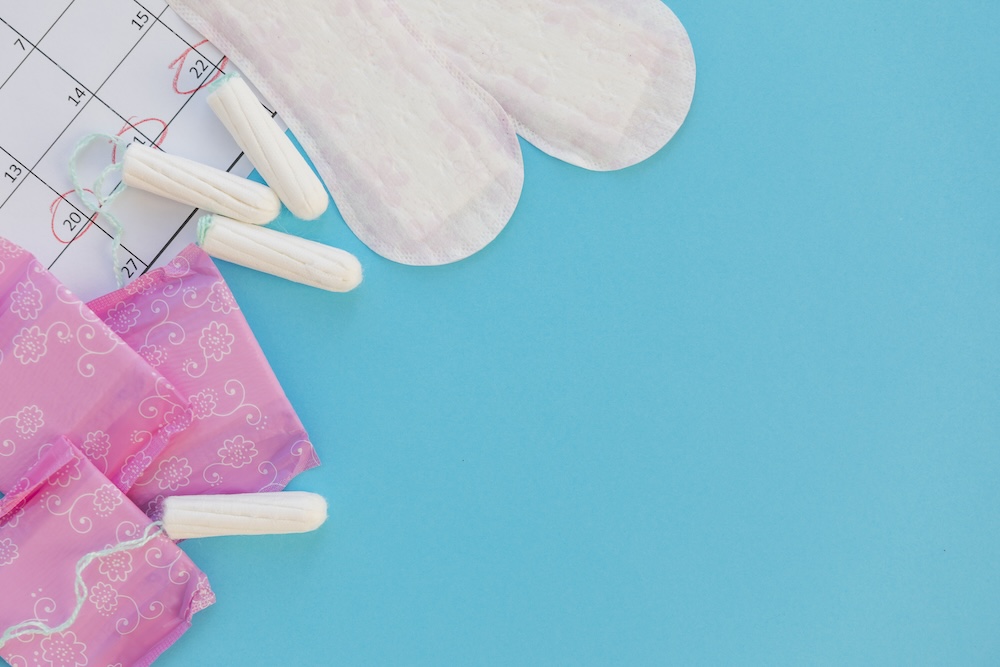
By Ruby Raut, founder and CEO, WUKA
Over the past year, headlines about “toxic period products” have been hard to ignore. Stories about PFAS, heavy metals, and hormone disruptors in pads, tampons, and underwear have sparked global concern, and for good reason. But behind the fear, there’s a scientific story worth understanding.
At the recent House of Lords event, “Have We Reached the Tipping Point for Toxic Period Products?”, researchers and policymakers came together to separate fact from panic. The truth is more nuanced: yes, chemicals and metals are present in some menstrual products, but understanding how much, where they come from, and what that means for our health is key to driving change that’s informed, not sensational.
What Scientists Have Found So Far
Dr Kathrin Schilling, an environmental health scientist at Columbia University, shared new research that tested 16 metals in menstrual products, including arsenic, cadmium, lead, and antimony, all known toxic substances linked to long-term health effects such as cardiovascular disease, kidney problems, and hormonal disruption.
The findings were striking:
- Non-organic products showed higher levels of lead and cadmium than organic ones.
- Some reusable and single-use products exceeded 30,000 nanograms per gram (ng/g) of antimony, a toxic metal commonly used in plastics manufacturing.
- Lead levels varied dramatically, some products contained 100× more than others.
To put this in perspective, even very small doses of lead can cause harm. The World Health Organization confirms there is no safe level of lead exposure. Chronic, low-level contact can gradually affect the nervous system and fertility. The same applies to arsenic, where countries have tightened drinking water limits from 10 µg/L to as low as 1 µg/L after learning that long-term exposure causes disease.
So while the numbers in menstrual products might sound tiny, what matters most is frequency and route of exposure. Menstrual products are used regularly and in contact with one of the body’s most absorbent tissues — the vaginal wall — where absorption is estimated to be 10–80× higher than through skin. Over decades of use, even low concentrations can add up.
Understanding PFAS — The “Forever Chemicals”
Alongside metals, PFAS (per- and polyfluoroalkyl substances) have become another major concern. These synthetic compounds are used for absorbency and stain resistance — but they don’t break down easily, earning the name “forever chemicals.”
They accumulate in soil, water, and the human body, and have been linked to reproductive issues, thyroid disease, and immune dysfunction. California recently became the first state to ban PFAS in menstrual products, while New York is pushing for broader restrictions that include heavy metals and hormone disruptors.
These international shifts signal a clear message: the world is moving towards stricter, transparency-first regulation — something the UK could soon follow.
Why It Matters for Our Bodies
It’s important to remember that our world is already filled with background exposure, from air pollution, processed food, and household plastics. We all live in a chemically complex environment. The key isn’t to fear every product but to understand which exposures matter most and how to minimise them.
Menstrual products are unique because of their intimate and repeated contact with the body. Even trace chemicals can bypass the body’s natural detox systems when absorbed vaginally. This doesn’t mean every product is dangerous, but it underscores why regular, independent testing and clear ingredient disclosure are essential.
Internal vs. External Exposure: Why It Makes a Difference
One of the least understood parts of this debate is the difference between internal and external products. A pad or period underwear sits on the skin; it can only transfer chemicals through surface contact. But products like tampons or menstrual cups are inserted directly into the vagina, an environment that absorbs substances 10–80 times more efficiently than normal skin.
That’s because the vaginal wall is highly vascular, full of small blood vessels, and it bypasses the liver, the organ that usually filters and detoxifies harmful substances. So when a chemical is absorbed vaginally, it goes straight into the bloodstream.
Yet, most testing and regulation still treat all menstrual products as if exposure happens through skin contact. There’s very little research separating the risk profiles of internal (tampons, cups, discs) versus external (pads, underwear) products. That’s why scientists like Dr Schilling emphasised the need for new safety standards that actually reflect how the body interacts with these materials, not just how a fabric performs in a laboratory test.
How Responsible Brands Are Responding
Some brands are already ahead of regulation.
At WUKA, we take this responsibility seriously. We are one of the very few period underwear brands with no PFAS detected in our products. Every batch is tested rigorously, both at source (in China) and again in the UK by Eurofins laboratories, an independent global testing agency.
We also screen for toxic chemicals, metals, and harmful finishes, ensuring that what touches your body is as safe as it is sustainable. As a founder, I always remind our team: I use our products myself. If I wouldn’t wear it, I wouldn’t make it for anyone else.
Our philosophy is simple, transparency builds trust. Consumers shouldn’t need a chemistry degree to choose a safe period product.
The Path Ahead
The science is clear: menstrual product safety deserves the same rigour as drinking water, cosmetics, or food. But we can also take heart, awareness is growing, data is expanding, and governments are beginning to act.
As policymakers push for international standards (through bodies like the ISO TC338 on menstrual products), and as responsible brands lead by example, the future of menstrual care looks safer, smarter, and far more transparent than the past.
This isn’t just about fear of toxins, it’s about empowering everyone who menstruates with knowledge and choice. Because understanding the science is the first step toward changing it.
Find out more about WUKA at wuka.co.uk



A large real-world study has found that an AI-powered digital tool developed by Megi Health can significantly reduce blood pressure over time while maintaining high long-term patient engagement – a combination that has remained a major challenge in hypertension care.
The peer-reviewed research, published in JMIR mHealth and uHealth, analysed real-world data from more than 5,000 adults using Megi’s digital blood pressure management platform as part of their everyday lives.
The results showed meaningful reductions in systolic blood pressure, with the greatest improvements seen in people who started with higher readings.
Crucially, the study found that outcomes improved the longer people stayed engaged with the platform.
Dr Petroula Laiou, chief scientific officer at Megi and senior author of the study, said: “High blood pressure can’t be managed through occasional GP visits alone.
“This study shows that ongoing, easy-to-use digital support can help people control their blood pressure in the real world – particularly those at highest risk.
“It also demonstrates how combining digital tools with routine clinical care creates a more effective ‘phygital’ model for managing long-term conditions.”
Around half of users were still active after one year, while patient feedback showed high satisfaction, greater confidence in self-managing blood pressure, and reduced anxiety around monitoring.
Rather than relying on a tightly controlled clinical trial, the study examined how people actually use digital health tools in real life.
Users interacted with Megi through WhatsApp, receiving reminders to measure their blood pressure and take medication, and entering readings directly into the chat.
This approach enabled continuous tracking of blood pressure, engagement and outcomes over time.
The research was led by a multidisciplinary team from King’s College London, King’s College Hospital NHS Foundation Trust, Megi Health, the Magdalena Clinic for Cardiovascular Diseases in Zagreb, and the University of Zagreb.
The cohort included both women and men aged 17 to 95, with more than 90 per cent of participants regularly submitting blood pressure readings.
The findings add to growing evidence that home-based digital monitoring can overcome many of the limitations of clinic-based blood pressure checks, which are often affected by white-coat or masked hypertension.
By combining regular home readings with behavioural support, digital tools such as Megi could play an increasingly important role in long-term cardiovascular care.
Dr Nina Šesto, CEO of Megi Health, said: “What’s striking is not just the blood pressure reductions, but how long people stayed engaged.
“That level of sustained use is exactly what hypertension care has been missing.
“As health systems move towards prevention, home monitoring and long-term condition management, this approach aligns closely with the direction set out in the NHS 10-Year Health Plan.”










-

 Features1 week ago
Cannabis compounds kill ovarian cancer without harming healthy cells, research finds
-

 Opinion3 weeks ago
Femtech in 2025: A year of acceleration, and what data signals for 2026
-

 News4 weeks ago
Innovate UK relaunches £4.5m women founders programme
-

 News4 weeks ago
Doctors push back on ‘data-free’ ruling on menopause hormone therapy
-

 Insight2 weeks ago
Meta removes dozens of abortion advice and queer advocacy accounts
-

 Opinion4 weeks ago
Why women’s health tech is crucial in bridging the gender health gap
-

 Menopause3 weeks ago
Round up: First wearable detects symptoms of perimenopause, and more
-

 Insight2 weeks ago
Sperm donor with cancer-causing gene fathered nearly 200 children across Europe