




News
US election: What does Trump’s win mean for women’s health?


With Donald Trump set for a second stint in the White House, it remains to be seen what this means for future policies related to women’s health, research and reproductive rights.
At the time of writing, the official election result hasn’t been called, but Donald Trump, has already declared his victory, having won more than the 270-seat threshold needed.
Speaking to supporters in Florida, Trump said the Republicans had been given an ‘unprecedented and powerful mandate’ with the party on track to take control of the Senate, Congress and the House of Representatives.
In the wake of his claims that he is a “protector” of women— “whether they like it or not”— what does a Trump comeback mean for women’s health and related policies?
Robert F Kennedy to work on “health and women’s health”.
As 47th President of the United States, Trump is expected to appoint former Independent presidential candidate Robert F Kennedy to work on “health and women’s health”.
This could include giving him control of the Centers for Disease Control and Prevention (CDC) and US Food and Drug Administration (FDA) and Department of Health and Human Services (HHS).
At his penultimate campaign rally in Pittsburgh, Pennsylvania, Trump said that should he return to the White House, RFK could “do what he wants” with women’s healthcare, adding “he’s so into women’s health.”
While it’s as yet unclear where this leaves the country’s public health policy, the former environmental lawyer has previously attracted criticism for his anti-vaccine comments and medical experts have raised concerns about his potential influence on the administration.
Abortion and reproductive rights
After the Supreme Court overturned Roe v. Wade In 2022, 20 states banned or severely restricted access to abortion, an unfolding of events which Trump has previously described as “a beautiful thing to watch.”
With the issue of abortion rights on the ballot this time around, seven states voted to protect abortion rights, a similar measure in Florida just falling short of the 60% needed to pass.
During her election campaign, Vice President Kamala Harris argued that if re-elected, Trump would further restrict abortion rights, while some advocates, medics and politicians believe he will seek to impose a federal ban.
But Trump looked to tone down his stance on abortion this time around, saying that he would not push for a national ban and that it should be up to the individual states.
He did not, however, comment on whether he would sign a federal abortion ban into law if one passed through Congress, and as President he previously backed a bill that would ban abortions after 20 weeks.
Widening healthcare gaps
Studies suggest the restrictions on abortion have already had a detrimental impact on infant and maternal mortality rates, as well as access to healthcare more broadly.
A study published in JAMA Pediatrics in June found that after Texas passed Senate Bill 8 (SB8), which heavily restricted abortions in 2021, there was an unexpected increase in infant and newborn deaths. Birth defects—one of the main causes of infant deaths—also increased in Texas but not in other parts of the US.
A separate study at two Texas hospitals looked at health complications among pregnant patients who needed to deliver before 22 weeks for medical reasons, but were required by Texas law to continue the pregnancy.
Researchers found that these Texas patients faced much higher rates of health issues compared to patients in other states who were allowed to end the pregnancy right away for medical reasons.
Meanwhile, CBS News reported this week that the Dobbs decision has impacted women’s health beyond abortion access, widening gaps in obstetrics and gynecological care in several states.
In an essay in JAMA author Rita Rubin highlights how after the Supreme Court decision, fewer new graduates from US medical schools applied for residency programs in states that banned or severely restricted abortion. This trend, noted by analyses from the Association of American Medical Colleges (AAMC) Research and Action Institute, contrasts with higher application rates in states where abortion remains legal.
Affordable Care Act
Trump may also turn his attention to policies which were introduced during his first presidency, but had not yet come into force, such as partially repealing the Affordable Care Act (also known as Obamacare), according to some reports.
During his first term, he passed the American Health Care Act (ACHA), which would have repealed the individual and employer mandate, amended Medicaid eligibility, and weakened protections for patients with pre-existing conditions.
In September’ ABC News debate, Trump said he had “concepts of a plan” to replace the ACA but failed to provide any details.
Research on women’s health
Some Democrats warned that a Trump win could mean undoing some of the progress that has been made in women’s health research under President Biden, The Hill reported earlier this month.
Last year the Biden administration created the White House Initiative on Women’s Health Research to boost investment in research on conditions that primarily affect the female reproductive system and those that affect women differently, or more commonly, than men.
The U.S. The Department of Defense and the National Institutes of Health have already committed to investing a combined $700 million in women’s health research, but Rep. Robin Kelly (D-Ill) and others warned that a Trump win could mean “less access for women, less resources for women, less research for women.”
However, others remain hopeful with legislation such as the Endometriosis CARE Act and the Women and Lung Cancer Research and Preventive Services Act of 2024, both of which are yet to pass, having both Democratic and Republican co-sponsors.
Katie Schubert, CEO of the Society for Women’s Health Research told The Hill: “All policymakers should recognise the value of investing in women’s health research and that such research is imperative to improve health care outcomes for all.”
While the impact of this election outcome on the healthcare sector remains to be seen, let’s hope Schubert is right.


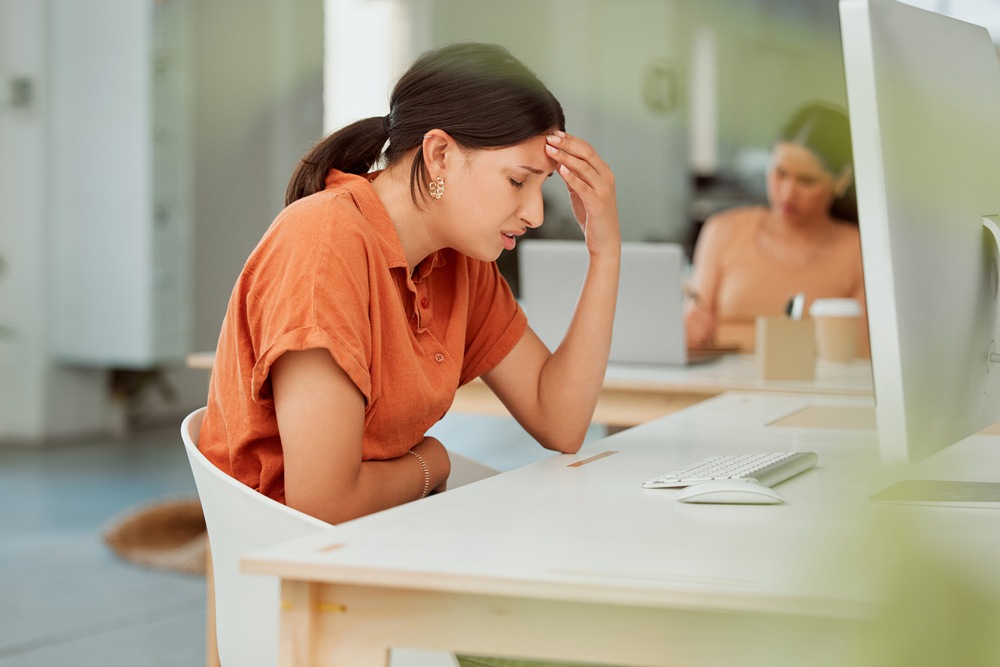
Women with endometriosis say menstrual leave and flexible working would help most, as research estimates yearly income losses of €1,757 (£1,502).
Pain and fatigue were linked to more frequent work absences and reduced job performance.
The first large-scale study of its kind in Central and Eastern Europe estimated that women with the condition lose an average of €1,757 in income each year, roughly equal to one month’s average salary in Hungary.
The estimate covers income lost through work absences and does not include reduced productivity while at work or healthcare costs.
Researchers at Semmelweis University analysed data from 566 women with endometriosis and 447 women without the condition.
Using internationally validated questionnaires, they assessed work productivity, absenteeism and work ability.
Women with endometriosis lost an average of 12.7 working hours over four weeks because of health-related problems, compared with 5.7 hours among women in the control group.
Based on the hours missed, researchers estimated an average annual income loss of €1,757 for each affected woman.
Dr Dóra Balogh, assistant professor in the Department of Obstetrics and Gynaecology at Semmelweis University and senior author, said: “The impact of endometriosis is not only a health issue but also a major social and economic one.
“The condition affects women during one of the most active stages of their lives, meaning it can influence employment, career development, and long-term financial security.”
Endometriosis affects about 10 per cent of women of reproductive age worldwide.
It is a chronic gynaecological condition in which tissue similar to the lining of the womb grows outside the womb, causing chronic pelvic pain, painful periods, fatigue and, in some cases, infertility.
Symptoms often persist for many years before the condition is diagnosed.
The study found that 42 per cent of women with endometriosis had poor work ability, compared with 17.9 per cent of women in the control group.
Poor work ability means a person’s health makes it harder to perform their job and increases the risk of prolonged work disability or leaving the workforce.
Dr Dominika Miklós, resident physician in the Department of Obstetrics and Gynaecology at Semmelweis University and first author, said: “The most surprising finding was that nearly half of the women with endometriosis fell into this category.
“Without appropriate support, the condition may not only make day-to-day work more difficult but also threaten women’s ability to remain in the workforce over the long term.”
Researchers also found that many workplaces were not adequately prepared to support employees with endometriosis.
Some 54 per cent of respondents said their employer had little or no knowledge of the condition, while only 17 per cent believed their workplace was sufficiently informed about it.
Participants said they would most value menstrual leave, flexible working hours, remote or hybrid working and greater understanding and support from employers.
Some European countries, including Spain and Portugal, already allow menstrual leave in certain circumstances.
The research formed part of the international FEMaLe, or Finding Endometriosis with Machine Learning, programme, launched in 2020.
At Semmelweis University, the project is led by Dr Attila Bokor, associate professor in the Department of Obstetrics and Gynaecology.
The programme aims to improve understanding of endometriosis, promote earlier diagnosis and investigate its health, social and economic impact.
Researchers said it was the first comprehensive study in Central and Eastern Europe to examine work productivity, work ability and workplace support at the same time.
The findings were consistent with studies from Western Europe and Australia, suggesting the effect of endometriosis on working life is similar across regions.
Researchers concluded that flexible working arrangements and better-informed employers could help women with endometriosis remain in the workforce.

Pregnancy
Adverse pregnancy outcomes linked to greater social needs in Black and Latina women – study

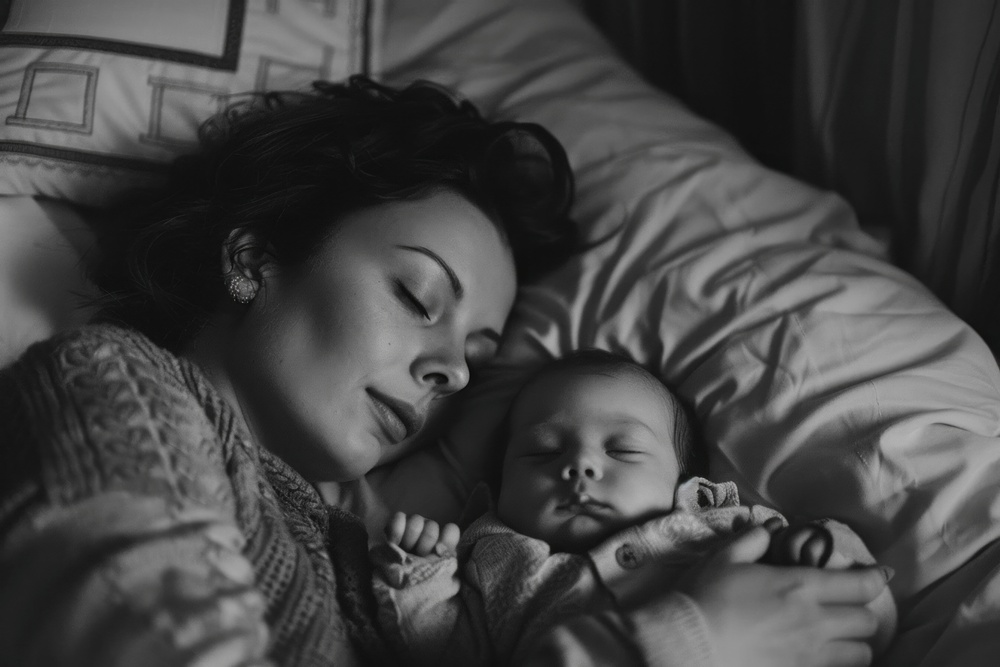
Pregnancy complications are linked to greater health-related social needs among Black and Latina women, a study has found.
Adverse pregnancy outcomes include pre-eclampsia, gestational hypertension, gestational diabetes, low birth weight and preterm birth.
These complications are associated with risks of further complications, chronic disease and cardiovascular disease, and disproportionately affect Black and Latina women.
Researchers from Mass General Brigham found that adverse pregnancy outcomes among Black and Latina women were also associated with substantially greater health-related social needs.
These included education, transport, food security, financial strain, employment and social support.
The researchers said integrating assessments of social needs into postpartum care could help improve long-term maternal health and reduce disparities.
Michael C. Honigberg, cardiologist and researcher with the Mass General Brigham Heart and Vascular Institute and senior author, said: “Pregnancy can offer a critical window of engagement for patients and providers.
“Pregnancy complications should be viewed as an opportunity not only for cardiovascular risk prevention but also for screening for and addressing social needs.”
Honigberg and colleagues from Mass General Brigham’s Heart and Vascular Institute and Department of Obstetrics and Gynecology analysed data from the BUSY-BP cohort study.
The study included Black and Latina women recruited from hospitals and health centres affiliated with Mass General Brigham.
Participants completed a screening tool covering their living situation, food, transport, utilities, safety, financial strain, employment, family and community support, education and other needs.
The study included 883 women who had previously been pregnant, including 400 participants, or 45.3 per cent, who had experienced one or more adverse pregnancy outcomes.
Researchers found that the rate of adverse pregnancy outcomes increased as the burden of health-related social needs rose, particularly for needs related to education.
These included help with starting or completing job training, gaining a high school diploma or obtaining a General Educational Development equivalency certificate.
The authors said further research is needed to separate cause and effect and identify interventions based on the findings that could improve health outcomes.
Honigberg said: “Identifying and testing interventions, such as social support programmes that can help women during the postpartum period, will be critical for improving downstream health outcomes for women and babies.”
By Ruby Raut, founder, WUKA
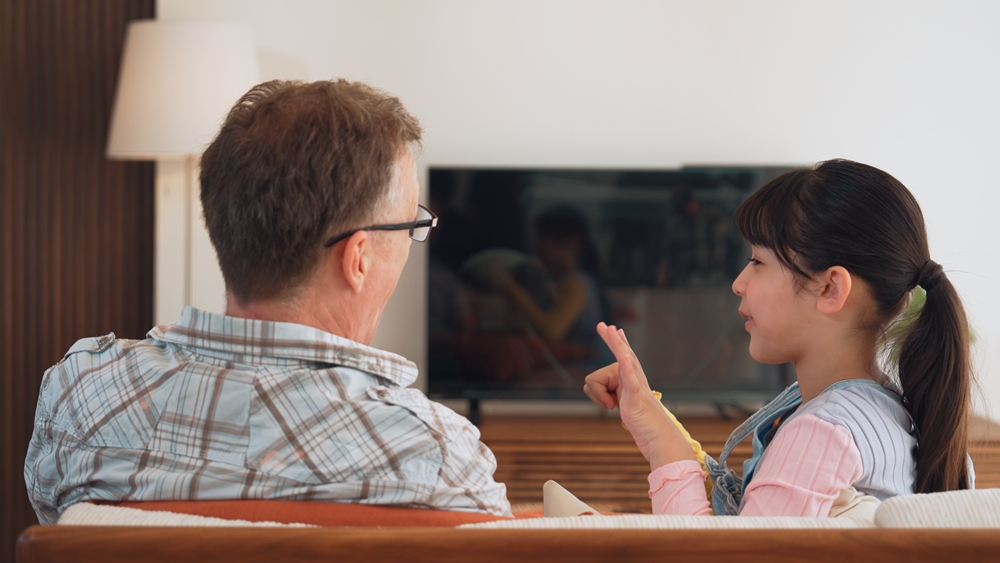
Every time we post a dad talking to his daughter about periods, the internet seems to split in two.
One side says: “This is brilliant. I wish my dad had spoken to me like this.”
The other says: “Why on earth are men talking about periods?”

And I always find that second reaction fascinating.
- Because men might not menstruate, but they live in a world with people who do.
- Your daughter might get her first period while you are the only parent at home.
- Your teenage niece might bleed through her clothes while you are driving her somewhere.
- Your girlfriend might wake up at 3am with cramps.
- Your wife might suddenly realise she has run out of period products.
- A colleague might bleed through her trousers during a meeting.
- A girl you coach might quietly tell you she cannot play because she has started her period.
At some point in your life, there is a very good chance a woman or girl will have a period around you.
And at that moment, you have two options. You can be calm, informed and useful. Or you can stand there looking as if nobody ever taught you what a period actually involves.
So perhaps we need a Haynes manual for men and periods. Not a biology degree or a lecture.Just the information every man should probably know.
First: yes, men should know what a period actually is
Let us start with the basics. A period is not simply “a bit of blood once a month”.
Menstruation is part of the menstrual cycle. The lining of the uterus builds up and, if there is no pregnancy, that lining is shed.
That is the bleeding part. But for many women and girls, the experience can also involve cramps, back pain, headaches, bloating, tiredness, diarrhoea, tender breasts, mood changes and generally feeling pretty rotten.
Some barely notice their period. Others are completely floored by it. This is important because one of the least helpful things you can say to somebody struggling with their period is:
“Is it really that bad?”
You do not need to experience period pain to believe someone when they tell you they are in pain.
Second: if a girl tells you she has started her period, do not panic
This one is particularly important for dads.
Imagine your daughter gets her first period while Mum is out. What does she need from you? Probably not a horrified expression or you shouting across the house, “YOUR PERIOD HAS STARTED!”
She needs you to behave as though this is an entirely normal bodily function.
Because it is. Ask her what she needs. Find her a period product. If there is blood on her clothes, help her sort it out without making a huge fuss. If she does not know how to use a pad or period underwear, help her find clear instructions.
And please do not make jokes about her “becoming a woman”.
For a young girl, a first period can already feel confusing, embarrassing and frightening. Your job is not to make it into a ceremony but to make her feel safe. Sometimes the most useful sentence a dad can say is simply:
“Okay. No problem. What do you need?”
Third: learn what period products actually are
Pads.Tampons.Period underwear.Menstrual cups.Period swimwear. You do not have to develop strong opinions about all of them. You just need to know they exist.
If someone asks you to buy pads, do not behave as though you have been sent into a nuclear reactor without protective clothing.
Go to the period aisle. Text them a photo if you are unsure. Ask which absorbency they want. Buy the product. Come home.
And if you are the father of a daughter, having a few period products in the bathroom before she starts menstruating is a very sensible idea.
You keep toilet roll in your house before somebody needs it. Period products should not feel radically different.
Fourth: never announce a period stain
This should be basic human etiquette.
If you notice that a woman or girl has bled through her clothes, tell her quietly and discreetly.
Do not point, laugh, or whisper about it to someone else. And definitely never announce it to the room.
If you have a jumper or jacket she can tie around her waist, offer it. If there is somewhere she can clean up or change, help her get there. Then move on with your life.
Period leaks happen. The embarrassment surrounding them is often far worse than the actual blood.
Fifth: stop using periods as an explanation for every emotion
“Are you on your period?”
Four words capable of making almost any disagreement significantly worse.
Sometimes a woman is angry because she is angry and sometimes she disagrees with you because she disagrees with you. Sometimes you genuinely are being annoying.
Hormonal changes can affect mood for some people, but using menstruation to dismiss a woman’s feelings is patronising and incredibly unhelpful.
If your partner says she feels emotional before her period, listen to her. That does not permit you to diagnose every future disagreement as PMS.
Sixth: period pain is not something every woman should simply put up with
There is an extraordinary tendency to tell girls from a young age that painful periods are just part of being female. For some, mild cramps are manageable.
For others, period pain can be severe enough to disrupt school, work, sleep, exercise and everyday life. So if your daughter is doubled over in pain every month, repeatedly missing school, fainting, vomiting or unable to function normally, do not tell her to toughen up.
Take her seriously and help her seek medical advice.
Being a supportive dad does not require you to know what is causing her symptoms. It requires you to believe her when she says something is wrong.
Seventh: men talking about periods does not take anything away from women
This is perhaps the strangest objection to our Dads and Periods campaign. The idea that periods somehow belong in a conversation that only women are allowed to have.
Women should absolutely lead conversations about their own bodies and experiences. But understanding periods should not be restricted to people who menstruate.
We teach children about digestion even though they are not gastroenterologists and about first aid even though most people are not doctors.
We teach boys about pregnancy even though they will never be pregnant. Knowledge is not ownership. A father understanding periods does not make periods less female. It makes him a better prepared father.
A boy understanding periods does not mean he suddenly understands exactly what menstruation feels like. It means he is less likely to laugh when a girl gets a stain on her skirt.
A male coach understanding periods does not make him an expert on women’s bodies.
It means a teenage player might feel able to tell him why she needs five minutes off the pitch instead of inventing an excuse.
A male partner understanding periods does not mean he has to track every detail of his girlfriend’s cycle. It might simply mean that when she says, “My cramps are awful today,” his response is not, “Again?”
So should men talk about periods?
Yes.
But perhaps “talk” is not even the most important word.
Men should know about periods. Men should be comfortable hearing about periods. Men should know what to do when someone starts one unexpectedly. Men should know how to buy period products. Men should know not to make somebody feel ashamed about bleeding.
And fathers, in particular, should be able to talk about periods with their daughters without embarrassment.
Because there is a bigger point here. Girls learn very quickly which subjects make adults uncomfortable.
If Dad goes silent every time periods are mentioned, she notices. If he leaves every period conversation to Mum, she notices. If he wrinkles his nose at period products, she notices. And she may quietly absorb the message that this part of her body is something men find disgusting or embarrassing.
That is exactly the message we should be trying to dismantle.
At WUKA, we started our Dads and Periods campaign because we want fathers to feel capable of having these conversations.
Not perfectly. Not scientifically. Not with a PowerPoint presentation about the uterus over Sunday lunch. Just normally. Periods happen.
Roughly half the population will experience them at some point in their lives. The other half should probably know what they are.
And if the choice is between a dad who knows what a period is, knows where the period products are kept and can calmly help his daughter when she needs him, or a dad hovering helplessly outside the bathroom shouting, “SHALL I CALL YOUR MUM?”
I know which one I would rather have.
Learn more about WUKA at wuka.co.uk




 News7 days ago
UK femtech investment surges 194% in a decade, research finds

 Entrepreneur1 week ago
TidalSense raises £14m to expand five-minute COPD test across NHS
 Wellness2 weeks ago
Cancer patient receives ‘landmark’ treatment in world-first
 News1 week ago
Cross-Border Impact Ventures raises US$58m for women and children’s health
 Insight1 week ago
Women urged to be wary of menopause misinformation on social media
 Insight2 weeks ago
Johnson & Johnson offers to pay US$5.5bn to settle talc cancer lawsuits
 News1 week ago
Cultural stigma is a barrier to menopause help, black women say

 Motherhood1 week ago
One in eight mothers diagnosed with gestational diabetes, research finds
1 Comment