




News
UK: Babies born to black mothers 81% more likely to die in NHS care

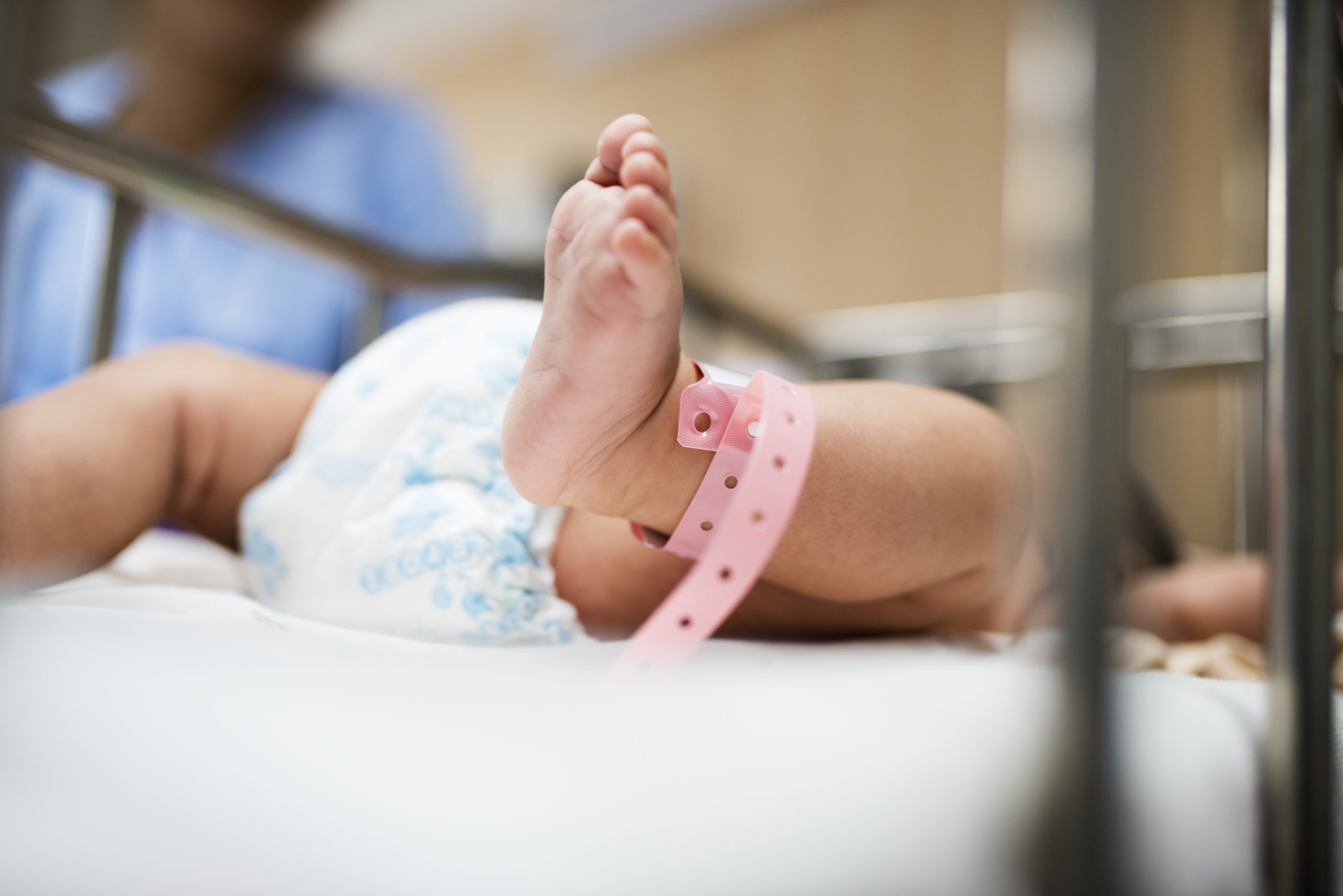
Babies born to black mothers in England and Wales are 81 per cent more likely to die in neonatal units than those born to white mothers, new data has revealed.
An analysis of more than 700,000 babies admitted to NHS neonatal units between 2012 and 2022 also found that those from the most deprived areas faced a 63 per cent higher risk of death.
The study, covering hospitals across England and Wales, revealed what researchers called “deeply concerning” levels of inequality.

Samira Saberian, a PhD student at the University of Liverpool and the study’s lead author, said the findings showed that “socioeconomic and ethnic inequalities independently shape survival in neonatal units, and maternal and birth factors explain only over half of the socioeconomic and ethnic inequalities”.
“To reduce these inequalities, we need integrated approaches that strengthen clinical care while also tackling the wider conditions affecting families,” the researcher added.
“By improving services and addressing the root drivers of inequality, we can give the most vulnerable babies a better chance of survival.”
Neonatal units provide specialist care for premature babies or those born with serious health conditions. The mortality rates reflect deaths before discharge from these units.
Black babies had the highest mortality rates for most of the study years, peaking at 29.7 deaths per 1,000 babies.
The highest rate among white babies was 16.9 per 1,000.
For babies born to mothers in the most deprived areas, the highest mortality rate reached 25.9 per 1,000 in 2022, compared with 12.8 per 1,000 among those from the least deprived areas.
The study is the first to examine both socio-economic and ethnic inequalities in neonatal units.
Researchers said the results highlight factors beyond medical treatment that influence survival rates.
Even after accounting for maternal and birth factors, the 81 per cent higher risk for black babies remained, pointing to structural inequalities that require solutions beyond clinical care.














An EU committee has backed a report warning of systemic inequalities in women’s health research, diagnosis and treatment across Europe.
The European Parliament’s Committee on Women’s Rights and Gender Equality approved the report, which was initiated by Renew Europe.
Women remain under-represented in medical research and clinical trials.

Around 72 per cent of drug trials do not provide data separated by sex and gender, while only five per cent of global research and development funding is dedicated to women’s health.
The report was led by Renew Europe rapporteur Billy Kelleher MEP of Fianna Fáil in Ireland.
It calls for greater investment in women’s health research, stronger inclusion of women in clinical trials and gender-sensitive diagnostics and treatments, particularly for endometriosis, menopause and cardiovascular disease.
Kelleher, first vice-president of Renew Europe, said: “Women’s health remains one of medicine’s biggest blind spots.
“When research, clinical trials and medical data fail to reflect women’s experiences, the result is poorer diagnosis, treatment and care.”
The report also calls for improved access to sexual and reproductive healthcare, including follow-up to the successful European Citizens’ Initiative “My Voice, My Choice”.
Its recommendations include better support for women’s physical and mental health and access to high-quality care throughout pregnancy, childbirth and the postnatal period, free from discrimination.
It also highlights additional healthcare barriers faced by LGBTQI+ people and women in marginalised communities or vulnerable situations.
Kelleher said: “This report is about closing those gaps and ensuring that women’s health is recognised as a core measure of the quality and fairness of our healthcare systems.”
By placing women’s health higher on the political agenda, the report aims to support the implementation of the EU Gender Equality Strategy and shape future European health policies.
A final vote by the European Parliament is expected in September 2026.

Women’s Health Week Europe 2026 has released its full programme ahead of the October event at The Emirates Stadium in London on 7–8 October, with 700+ senior decision-makers and 80+ speakers confirmed across what will be the organisation’s most ambitious edition to date.
For the first time, the event will run across two dedicated stages, each built around a distinct set of questions facing the women’s health industry.
The Global Stage takes on the macro forces shaping the sector: where capital is flowing, how AI is transforming diagnosis and treatment, the gender data gap, wearable technology, stigmatised markets, and the policy landscape across Europe.
Confirmed speakers include Merete Clausen (EIF), Frida Polli (MIT), Nichole Young-Lin (Google), Alison Cave (MHRA), Emily Darlington MP, Kerry Buckley (Boots), Tim Davis (LSEG), Henriette Hessen (Verdane), Hillary Ball (Atomico), and Christine Hockley (British Business Bank).
The Scale Stage runs in parallel, focused on execution: how to navigate regulatory approval pathways, survive the valley of death, build the evidence stack that wins payers and partners, implement AI into a women’s health business, and position for acquisition. Sessions include a reverse pitch format, in which corporates and investors pitch to founders, and a founder’s guide to getting acquired.
The programme also includes two Pitch competitions, one per day, across the Consumer & Tech and Medical Devices & Therapeutics categories, with 16 finalists competing on the mainstage in front of the full delegate audience.
Every session is case study-driven, with speakers selected on the basis of having lived the problem they are on stage to solve.
Women’s Health Week Europe 2026 takes place 7–8 October at The Emirates Stadium, London. The full programme is available now.
View the 2026 programme here
Pre-agenda pricing ends 26 June
Tickets are currently available at pre-agenda pricing, with savings of up to £600 off standard pricing. The deadline is midnight on Friday 26 June. After that, prices go up.
Secure your place: https://wplatform.co/summits/womens-health-week-europe-2026?utm_source=advocacy&utm_medium=ext_email&utm_campaign=whw-europe-26-femtech-world#tickets
Also at The Emirates: Women’s Sport Summit 2026
The day before WHW Europe, on 6 October, The Emirates Stadium will also host the inaugural Women’s Sport Summit, a dedicated one-day event bringing together 400+ attendees from across sport, business, and investment. Focused on the commercial side of women’s sport, the Summit covers the full sports cycle: money, product, and market. Where women’s sport means business.


Most IVF add-ons lack reliable evidence, with benefits either absent or inconclusive, the largest review of its kind has found.
More than 70 per cent of IVF patients in the UK, Australia and New Zealand reportedly pay for one or more additional treatments.
However, researchers found that most of the procedures, medicines and techniques had no effect on fertility or were backed by limited or low-quality evidence.
Unproven add-ons can also lead to false hope, greater financial strain and unnecessary medical procedures at an already difficult time for patients.
Dr Sarah Lensen, of the University of Melbourne, said: “In many countries, infertility care is largely provided by private clinics where IVF is highly commercialised, and some add-ons are extremely expensive.
“Our review finds a lack of evidence that most of the IVF add-ons we assessed provide any benefit to patients. Unproven add-ons can lead to false hope, greater financial strain and unnecessary medical procedures at what already can be a very difficult time for patients.”
Researchers said concerns have grown in recent years about potentially untrustworthy randomised controlled trials in reproductive medicine, including studies of IVF add-ons.
The team set out to review the effectiveness and safety of 10 commonly offered add-ons using trustworthy studies.
Researchers initially identified 157 potentially eligible randomised controlled trials but excluded 72 because of concerns about their reliability.
Randomised controlled trials compare treatments by assigning participants to different groups, helping researchers assess whether an intervention causes a particular outcome.
The team combined data from the remaining 85 trials in a meta-analysis, which brings together findings from several studies.
The review found no effect on fertility or inconclusive evidence for seven of the 10 add-ons examined.
These included acupuncture, which involves inserting thin needles into points on the body, and corticosteroids, medicines that reduce inflammation and suppress immune activity.
Endometrial receptivity testing was also not backed by reliable evidence. The procedure involves taking a sample from the lining of the womb to examine patterns of gene activity.
Another add-on was intralipid infusion, which delivers a fat-containing liquid into the bloodstream.
Researchers separately examined injections of platelet-rich plasma into the ovaries and infusions of platelet-rich plasma into the womb.
Platelet-rich plasma is made from a patient’s blood and contains a high concentration of platelets, which play a role in healing.
The seventh treatment was pre-implantation genetic testing for aneuploidy, which examines embryos to check whether they have the expected number of chromosomes.
The review found only weak evidence of a possible benefit from three other add-ons.
EmbryoGlue, an embryo transfer medium containing hyaluronic acid, may increase the probability of pregnancy and live birth. However, the evidence on live birth rates was not considered robust.
Endometrial scratching, a minor procedure that deliberately disturbs the lining of the womb, may also increase the probability of pregnancy and live birth.
Physiological intracytoplasmic sperm injection, known as PICSI, selects sperm based on their ability to bind to hyaluronic acid. Weak evidence suggested it may reduce the risk of miscarriage.
Lensen said: “There is widespread misinformation about IVF add-ons with private clinic websites and patient forums on social media – major information sources for patients – often overstating the benefits and omitting the costs and risks of add-ons.
“IVF clinics and clinicians should carefully consider whether it is appropriate to offer unproven add-ons, as their availability is often perceived by patients as implicit endorsement of benefit.”











 Menopause4 weeks ago
Perimenopause misinformation ‘putting women at risk’

 Entrepreneur4 weeks ago
Women’s Health Innovation Summit opens submissions for 2026 Innovation Showcase

 Insight3 weeks ago
British women among angriest in Europe, health survey reveals

 News4 weeks ago
Women still being failed when they reach menopause, experts say

 Menopause2 weeks ago
Apple Health adds menopause and perimenopause tracking

 Menopause4 weeks ago
Sweden eyes domestic production of oestrogen patches amid menopause treatment shortage

 News2 weeks ago
Femtech World Awards 2026: Winners revealed

 News4 weeks ago
Three menopause innovators shortlisted for Femtech World Award
5 Comments