




News
How IV Pumps Improve Patient Safety and Treatment Efficiency


Intravenous (IV) pumps have transformed healthcare by increasing patient safety and treatment efficiency. Smart IV pumps significantly reduce programming mistakes, which ensures more precise medication delivery. This advancement is crucial as it minimises risks associated with human errors during drug administration.
Another critical feature of these pumps is the use of drug libraries and care area profiles, tailoring medication delivery to specific clinical needs, such as in paediatrics or oncology.
Effective staff training further enhances the benefits of IV pumps. Regular education on proper usage ensures healthcare providers can fully utilise the pumps’ capabilities.
Essentials of IV Pump Technology
IV pumps are crucial in delivering precise medication doses and fluids to patients. Understanding their mechanisms and recent advancements can highlight their importance in patient care.
Overview of IV Pump Mechanisms
IV pump are designed to ensure accurate delivery of medication and fluids. These pumps operate by using a motor-driven mechanism that pushes the fluid from the reservoir through the tubing and into the patient’s body. The rate of infusion can be precisely controlled, which reduces the risk of medication errors.
Smart features in IV pumps include dose error reduction systems (DERS) which alert healthcare professionals if a programmed dose is outside of safe limits. This minimizes risks associated with too rapid or too slow infusion rates. Portability is also an important characteristic, with pumps like the AutoInfu offering external options for home or mobile healthcare scenarios.
Advancements in IV Pump Design
Technological improvements have made IV pump more reliable and user-friendly. Modern pumps feature touchscreen interfaces that simplify programming and reduce user error. Connectivity with electronic health records (EHR) systems further enhances safety by integrating patient data and automating dosage calculations.
Clinical alerts and data analytics capabilities allow continuous monitoring of pump performance and patient conditions. For instance, monitoring alerts can detect battery or alarm failures, enabling prompt corrective actions. Additionally, improvements in materials and components have strengthened the durability and reliability of these devices, reducing downtime and ensuring continuous patient care.
Enhancing Patient Safety
When using IV pumps, several methods help improve patient safety. These strategies include reducing errors, incorporating alarm systems, and applying risk management techniques in intravenous therapy.
Error Reduction Strategies
IV pumps are designed to minimize errors during medication administration. One key feature is the drug library, which stores information about various medications and their dosages. This library helps ensure that the correct drug is administered at the correct dose.
Soft and hard limits are also set within the pump to prevent programming errors. Soft limits alert the user to potential issues but allow them to proceed. Hard limits, on the other hand, prevent the user from continuing until the issue is resolved. Another important aspect is the use of profiles tailored to specific care areas, such as pediatrics or oncology. These profiles standardize the medication protocols for different patient populations, reducing the chance of incorrect dosages.
Alarm Systems and Safety Features
Modern IV pumps are equipped with advanced alarm systems to enhance safety. These alarms alert healthcare providers to various issues such as occlusions, empty containers, and air in the line.
Smart pumps also have safety features such as continuous monitoring of the infusion process. This monitoring includes checking for proper flow rates and ensuring that there are no discrepancies between the programmed and actual flow rates.
Automatic start and stop mechanisms further improve patient safety. These mechanisms help prevent uncontrolled medication delivery, which can be dangerous. The integration of these safety features into IV pumps makes them more reliable and effective in clinical settings.
Risk Management in Intravenous Therapy
Risk management in intravenous therapy involves several steps. First, thorough training of healthcare professionals is crucial. Proper training ensures that staff can operate the pumps correctly and respond appropriately to alarms.
Additionally, regular maintenance and calibration of IV pumps are necessary to keep them functioning optimally. This maintenance helps in identifying and fixing potential issues before they can affect patient safety.
Risk management also includes careful monitoring of patient responses to intravenous therapy. By observing how patients react to treatments, healthcare providers can make timely adjustments to medication regimens, ensuring that treatment remains both safe and effective.
Implementing these comprehensive safety procedures helps minimize risks associated with IV therapy, ultimately improving patient outcomes.
Improving Treatment Efficiency
IV pumps enhance treatment efficiency by providing precise medication delivery, streamlining healthcare staff workflows, and integrating effectively with electronic health records (EHRs).
Precision and Control in Medication Delivery
IV pumps offer precise and controlled medication delivery. They ensure exact dosages, reducing the risk of errors associated with manual administration. These pumps allow for continuous and
consistent infusion rates. This is particularly beneficial for critical care where slight variations can impact patient outcomes.
Smart pumps can store drug libraries with standardized concentrations. This minimizes the risk of dosing errors and increases efficiency. Automated alerts also notify staff of potential issues, further safeguarding patient care.
Impact on Healthcare Staff Workflow
The use of IV pumps significantly streamlines workflows. Automating the medication delivery process saves time for healthcare staff. They no longer need to manually calculate or adjust dosages frequently.
IV pumps also reduce the workload associated with monitoring patients. Real-time alarms and data tracking alert staff to any issues immediately. This allows healthcare providers to allocate their time more efficiently, focusing on other critical tasks.
Integration With Electronic Health Records
IV pumps can integrate seamlessly with EHR systems. This integration allows automatic documentation of medication administration in patient records. It reduces the risk of transcription errors and ensures accuracy in patient data.
By synchronizing with EHRs, IV pumps facilitate better communication among healthcare teams. All relevant staff can access up-to-date information on patient treatment plans and progress. This promotes coordinated and comprehensive care.
Combining these features of precision, workflow optimization, and EHR integration, IV pumps contribute significantly to improving overall treatment efficiency in healthcare settings.
The Future of IV Infusion Therapy
The future of IV infusion therapy is being shaped by technological advancements and a greater emphasis on patient-centered care. Key developments include smart infusion pumps and systems that adapt to individual patient needs.
Conclusion
In conclusion, IV pumps have revolutionized healthcare by enhancing patient safety and treatment efficiency through precise medication delivery, advanced error reduction features, and seamless integration with EHRs. These advancements streamline workflows and ensure better patient outcomes, highlighting the critical role of IV pumps in modern medical practice.


News
Bridging the metabolic wealth gap: The telehealth platform bypassing insurance to democratise care


As weight-loss treatments remain locked behind prohibitive paywalls, a new direct-pay initiative is cutting costs in half for low-income patients, and it could provide a new blueprint for health equity.
It is one of the most persistent, frustrating paradoxes in modern healthcare: the medical innovations most capable of addressing widespread chronic conditions are overwhelmingly priced out of reach for the populations most vulnerable to them.
Nowhere is this more evident than in the current landscape of metabolic health and weight management.
As state governments and insurance providers increasingly restrict coverage for advanced weight-loss medications due to skyrocketing costs, a stark dividing line has emerged. Clinical need is no longer the primary factor in who receives treatment. Affordability is.
This financial barrier disproportionately impacts women, who not only face high rates of metabolic conditions but also frequently serve as the primary caregivers in their households.
For a single mother managing childcare, grueling work hours, and the relentlessly rising cost of living, personal well-being is often the first casualty of a tight budget.
These patients are forced into a holding pattern, watching their conditions progress year after year while highly effective, life-changing treatments remain separated from them by a paywall.
Now, a telehealth platform called Amble Health is attempting to dismantle that wall by bypassing the traditional insurance apparatus entirely.
A Structural Shift for Access
Today, Amble Health announced the launch of the Amble Cares Program, a national initiative designed to cut the cost of medical weight-loss treatments in half for low-income Americans.
The programme arrives at a critical inflection point.
Today, roughly one in eight U.S. adults have utilized advanced metabolic medications, according to a recent KFF Health Tracking Poll.
This surge in adoption has driven a fundamental shift in preventative care, but the distribution of that care has been deeply uneven.
Through the Amble Cares Program, eligible patients can access comprehensive medical weight-loss programmes, which may include prescription medications if clinically appropriate, at up to 50 per cent below standard rates.
To ensure the discounts reach the intended demographic, eligibility is determined by an independent, third-party verification partner, based on verified financial need.
The programme explicitly prioritises individuals and families with limited disposable income, including parents and guardians whose financial flexibility is tied up in providing for dependents.
Once verified, patients are connected directly to licensed clinicians to begin treatment immediately, stripping away the friction of waiting periods.
“Healthcare should not be a luxury item,” said Joey Stiver, CEO of Amble Health. At Amble, we believe that a patient’s zip code or income shouldn’t dictate their metabolic health outcomes.
“The Amble Cares Program is our direct response to the cost of living crisis, moving beyond talk of ‘affordability’ to actually delivering it to the people the traditional system has left behind.”
The Direct-Pay Trade-Off
However, this rapid, lower-cost access comes with a significant structural trade-off.
To achieve these price reductions and eliminate the administrative delays, denials, and red tape associated with traditional healthcare, Amble Health operates strictly as a direct-pay platform.
This means participants cannot use outside coverage. The programme does not accept Medicaid, Medicare, commercial insurance, or even HSA/FSA funds.
For some patients, being entirely locked out of utilizing their existing health benefits may present a new kind of hurdle.
But for those who have already found themselves abandoned by traditional coverage networks, facing outright denials, unnavigable prior authorisations, or insurmountable deductibles, the direct-pay model offers a predictable, transparent alternative to a broken system.
Ultimately, the Amble Cares Program is making a bold bet: that the most efficient way to deliver equitable healthcare to disenfranchised populations isn’t to fix the traditional insurance system, but to innovate entirely around it.



Pressure to have a natural birth can cause lasting psychological harm when labour does not go to plan, new research shows.
The study found that the messages women receive during pregnancy are directly linked to the shame and self-blame many feel when those expectations are not met.
For the first time, the research provides an explanation for why unmet birth expectations contribute to psychological harm.

Several women involved in the research said they felt they had not given birth “properly”, even when medical intervention had saved their lives.
Rebecca Matthews, lead author and PhD researcher at the University of Reading, said: “These women were not failed by their bodies, they were failed by the messages they were given.
“Birth trauma does not begin with birth. It begins in the ideology sold to women throughout pregnancy.
“For the first time we can explain precisely how, by showing how birth culture creates a moral standard for women that defines what a good mother does and then leaves them to blame themselves when birth does not match that.
“Until we reform the way we prepare women for birth, we will keep seeing the same devastating consequences for mothers and their babies.”
The researchers interviewed 21 first-time mothers in the UK whose births did not go as planned.
From NCT and hypnobirthing classes, to social media to midwives, the researchers heard how women are surrounded by messaging that frames natural, unmedicated vaginal birth as the “gold standard”, not just medically preferable, but as a mark of being a good mother and the first test of maternal worth.
Research shows around half of women report their birth differed significantly from their expectations, and for the women in this study, all of whom experienced exactly that, the psychological consequences were profound.
Women judged themselves against the internalised moral standard that this ideology had created.
The researchers are calling for antenatal education to stop treating one kind of birth as the goal and to present all birth outcomes as equally valid routes to motherhood.
They also call for better postnatal screening for women whose births did not go as expected, specifically targeting the shame, self-blame and identity disruption that this research identifies as mechanisms underlying birth trauma.
The findings align with and extend the conclusions of the Kirkup, Ockenden and Birth Trauma Inquiry reports, all of which documented how the institutional pursuit of “normal birth” contributed to preventable harm.
This research provides the first theoretical explanation of how that ideology generates individual psychological harm and points to antenatal messaging as the primary site of such preventable harm.
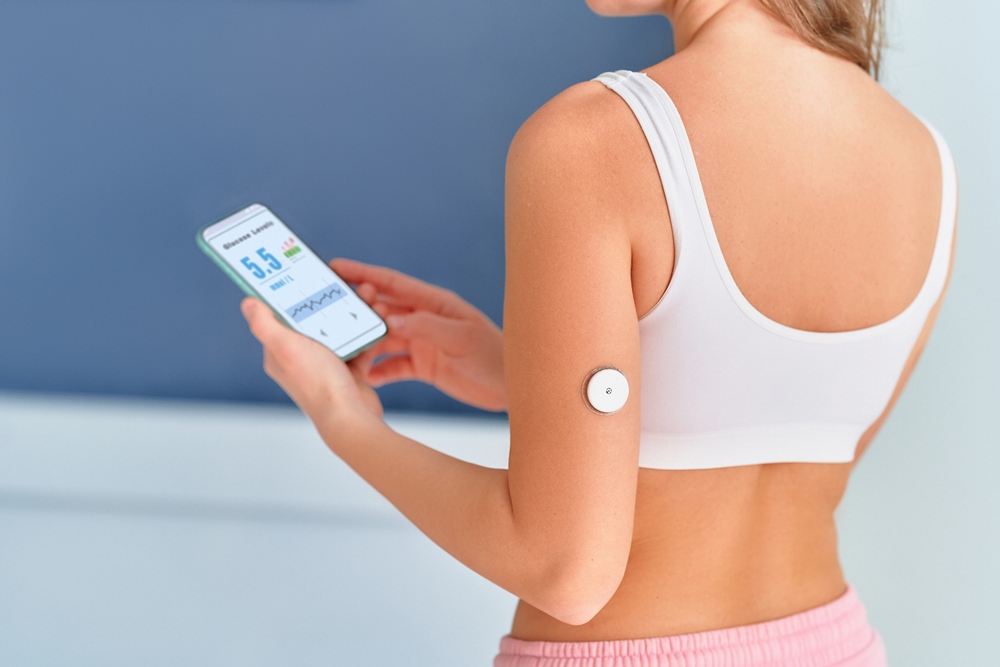
Even when standard clinical tests show normal hormone levels, men and women may have hidden problems in how their reproductive hormones are timed and coordinated, potentially affecting fertility, new research suggests.
The findings suggest reproductive health may depend not only on hormone levels in the bloodstream but also on the rhythm, timing and synchronisation of hormone changes across hours, days and the menstrual cycle.
Researchers said a wearable skin sensor patch, combined with artificial intelligence, could help detect endocrine dysfunction earlier and support more personalised fertility care.

Unexplained infertility affects about 15 to 30 per cent of couples and is diagnosed when standard investigations reveal no clear cause.
In men, current tests for infertility or hypogonadism, defined clinically as low testosterone, often include a single morning serum testosterone measurement.
In women, fertility assessment typically examines menstrual cycle characteristics and reproductive hormones such as luteinising hormone, follicle-stimulating hormone, oestradiol and progesterone.
However, reproductive hormones are not static markers. They are dynamic biological signals that rise and fall in regulated patterns throughout the day and across the menstrual cycle.
Testosterone, for example, follows a diurnal rhythm, meaning it changes across the day, while female reproductive hormones act through coordinated feedback loops involving the hypothalamic, pituitary and ovarian systems.
A single blood test may therefore miss clinically important disruption in hormonal timing.
In one study, Dr Tinatin Kutchukhidze, from the University of Oxford, examined 102 men in Georgia and the UK.
The participants were aged 22 to 38 and had normal morning total testosterone levels, measured at 12 to 35 nanomoles per litre, with or without infertility or symptoms of hypogonadism.
Hypogonadism is a condition in which the body produces too little testosterone or other sex hormones.
Kutchukhidze and colleagues used wearable AI-enabled skin sensor patches to measure testosterone levels every 15 minutes across four days.
The team found that men with symptoms had significantly disrupted testosterone rhythms, despite standard laboratory tests showing normal testosterone levels.
These previously undetected rhythm abnormalities were also associated with reduced sperm concentration and symptoms of androgen deficiency.
Androgens are hormones, including testosterone, that play an important role in reproductive health.
Kutchukhidze said: “For the first time, we have been able to track androgen patterns in real time across several days with a novel, non-invasive, continuous, AI-driven testosterone monitoring patch, compatible with Android and iPhone mobile devices.
“Previous research suggests that a normal morning testosterone level is sufficient to exclude clinically significant androgen deficiency. However, our findings challenge that assumption by demonstrating that men with normal serum testosterone may still exhibit marked disturbances in hormonal rhythmicity associated with reproductive dysfunction.”
According to the abstract, the study compared 54 men with infertility or hypogonadal symptoms with 48 age-matched healthy controls.
Mean morning serum testosterone did not differ significantly between symptomatic men and controls, at 22.4 ± 3.1 compared with 23.1 ± 3.5 nanomoles per litre.
Continuous AI-assisted monitoring, however, revealed significant differences in androgen dynamics.
Men with symptoms had lower diurnal amplitude than controls, at 5.2 ± 1.1 compared with 8.7 ± 1.4 nanomoles per litre.
The AI-derived rhythm indices predicted subclinical dysfunction with an area under the curve of 0.87, compared with 0.61 for static serum testosterone testing.
In diagnostic research, the area under the curve is used to assess how well a test distinguishes between groups, with higher values indicating stronger discrimination.
A second study by Kutchukhidze’s team examined female reproductive hormone rhythms.
The researchers developed an AI-driven metric called Endocrine Rhythm Integrity to assess whether reproductive hormones were changing in the correct pattern, at the correct time and in the correct relationship to one another across the menstrual cycle.
Endocrine refers to the hormone system, while endocrine dysfunction means hormones are not being produced or regulated in a typical way.
The team analysed data from 312 women aged 18 to 22 who had self-reported regular menstrual cycles.
Participants included fertile controls and women with unexplained infertility.
The researchers assessed key reproductive hormones during the luteal phase, including luteinising hormone, follicle-stimulating hormone, oestradiol and progesterone.
The luteal phase is the part of the menstrual cycle after ovulation. Ovulation is the release of an egg from the ovary.
They also incorporated physiological data such as basal body temperature, heart rate and sleep patterns.
Basal body temperature is the body’s resting temperature and can shift slightly around ovulation.
The study found that women with unexplained infertility had lower Endocrine Rhythm Integrity scores even when conventional hormone levels appeared normal.
Lower scores predicted infertility and were also associated with a higher incidence of implantation failure, when an embryo does not successfully attach to the womb lining.
Kutchukhidze said: “Our study reveals that a woman may have a seemingly healthy menstrual cycle and normal hormone levels but still experience hidden endocrine dysfunction that affects her ability to conceive.
“Rather than analysing hormone levels as isolated values, Endocrine Rhythm Integrity evaluates whether reproductive hormones are changing in the correct pattern, at the correct time and in the correct relationship to one another across the menstrual cycle.”
In the female study, mean cycle length did not differ significantly between fertile and infertile groups, at 28.9 ± 2.3 compared with 28.9 ± 2.5 days.
Endocrine Rhythm Integrity scores, however, were lower in the infertility group, at 0.61 ± 0.12 compared with 0.78 ± 0.10.
Disrupted endocrine rhythm integrity was observed in 64 per cent of infertile participants despite hormonally normal mid-luteal progesterone levels.
The metric independently predicted infertility status after adjustment for age, body mass index and anti-Müllerian hormone.
Anti-Müllerian hormone is made by reproductive tissues and is best known as a marker of ovarian reserve, meaning an estimate of the number of eggs remaining in the ovaries.
Receiver operating characteristic analysis indicated that Endocrine Rhythm Integrity identified infertility more effectively than cycle length or single-time-point progesterone assessment.
Lower Endocrine Rhythm Integrity scores were also associated with a higher incidence of implantation failure.
Kutchukhidze said: “Our AI-driven rhythm analyses were significantly better at identifying subclinical reproductive dysfunction than conventional testing, suggesting that both female and male endocrine disorders may not simply be disorders of hormone quantity, but rather disorders of hormonal timing, synchronisation and biological rhythm.”
The team will next assess whether the tool can reliably predict fertility outcomes across different reproductive conditions in larger and more diverse populations.











 Menopause1 week ago
Perimenopause misinformation ‘putting women at risk’

 Opinion4 weeks ago
What Maternal Mental Health Month reveals about where postpartum support actually breaks down

 News4 weeks ago
NIH Grant terminations disproportionately impact minority scientists, research finds

 Adolescent health4 weeks ago
WUKA brings Period-Positive Pool Party to London Aquatics Centre to keep girls swimming through puberty

 Insight3 weeks ago
PCOS renamed after decade-long campaign to end ‘cyst’ misconception

 Events4 weeks ago
WHIS 2026 unveils agenda and first speakers for the leading women’s health summit

 Menopause4 weeks ago
CBT shows promise for menopause insomnia and hot flashes

 Insight4 weeks ago
Online abuse and deepfakes ‘pushing women out of public life’