




Fertility
Everything you need to know before freezing your eggs
Even though egg freezing has grown in popularity over the last decade, to many the process remains intense and overwhelming

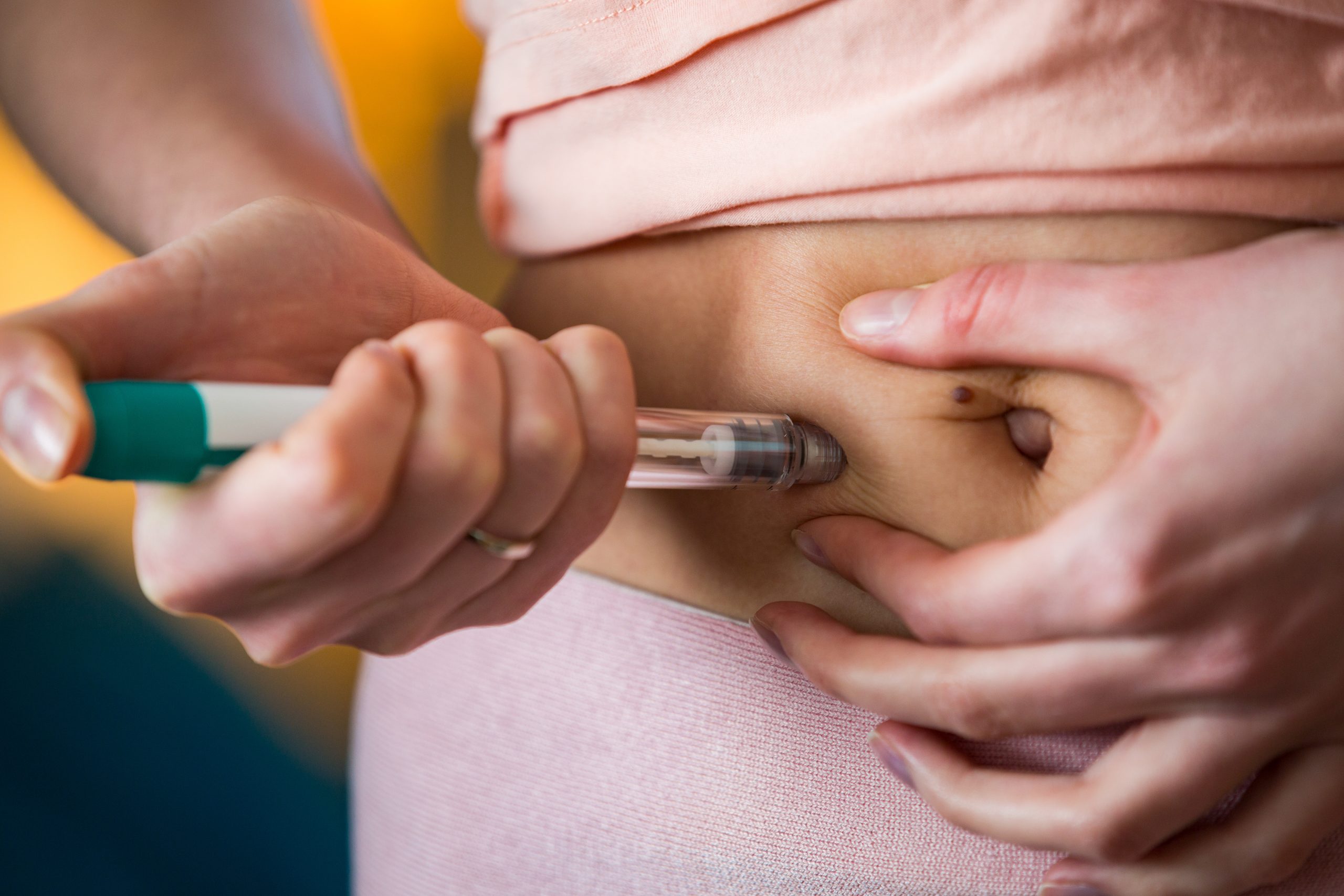
Although the technology for freezing an embryo – also known as oocyte cryopreservation – was developed in the 1980s to help women suffering with serious medical conditions improve their chances of having a baby post-treatment, the idea of egg preservation in healthy women has emerged recently.
In the US, the number of people who have frozen their eggs rose by more than 400 per cent, to over 13,000 in 2020 from just over 2,500 in 2012, according to data from the Society of Assisted Reproductive Technology.
Similarly, in the UK there were 11 times more egg freeze cycles in 2021 than in 2011, with the number of embryo freeze cycles increasing from around 230 cycles in 2011 to 10,719 in 2021.
But even as egg freezing has grown more popular over the last decade, the process can seem intense and overwhelming. Here’s what you need to know.
What is egg freezing?
Egg freezing is a way of preserving a woman’s fertility so she can try to have a family in the future. It involves collecting a woman’s eggs, freezing them and then thawing them later on so they can be used in fertility treatment.
A woman’s chances of conceiving naturally fall as she gets older because the quality and number of her eggs drops.
According to HFEA, egg freezing can be an attempt to preserve fertility by freezing the eggs when the woman is young and the eggs are of the highest quality.
What does egg freezing involve?
Firstly, you’ll need to be tested for any infectious diseases like HIV and hepatitis. This has no bearing on whether you can freeze your eggs or not, but is to ensure that affected egg samples are stored separately to prevent contamination of other samples.
You’ll then start the IVF process, which usually takes around two to three weeks to complete. Normally this will involve taking drugs to boost your egg production and help the eggs mature. When they’re ready, they’ll be collected whilst you’re under general anaesthetic or sedation.
At this point, instead of mixing the eggs with sperm, as in conventional IVF, a freezing solution will be added to protect the eggs.
The eggs will then be frozen either by cooling them slowly or by vitrification, a practice of freezing an egg or embryo with extremely rapid cooling. They will then be stored in tanks of liquid nitrogen.
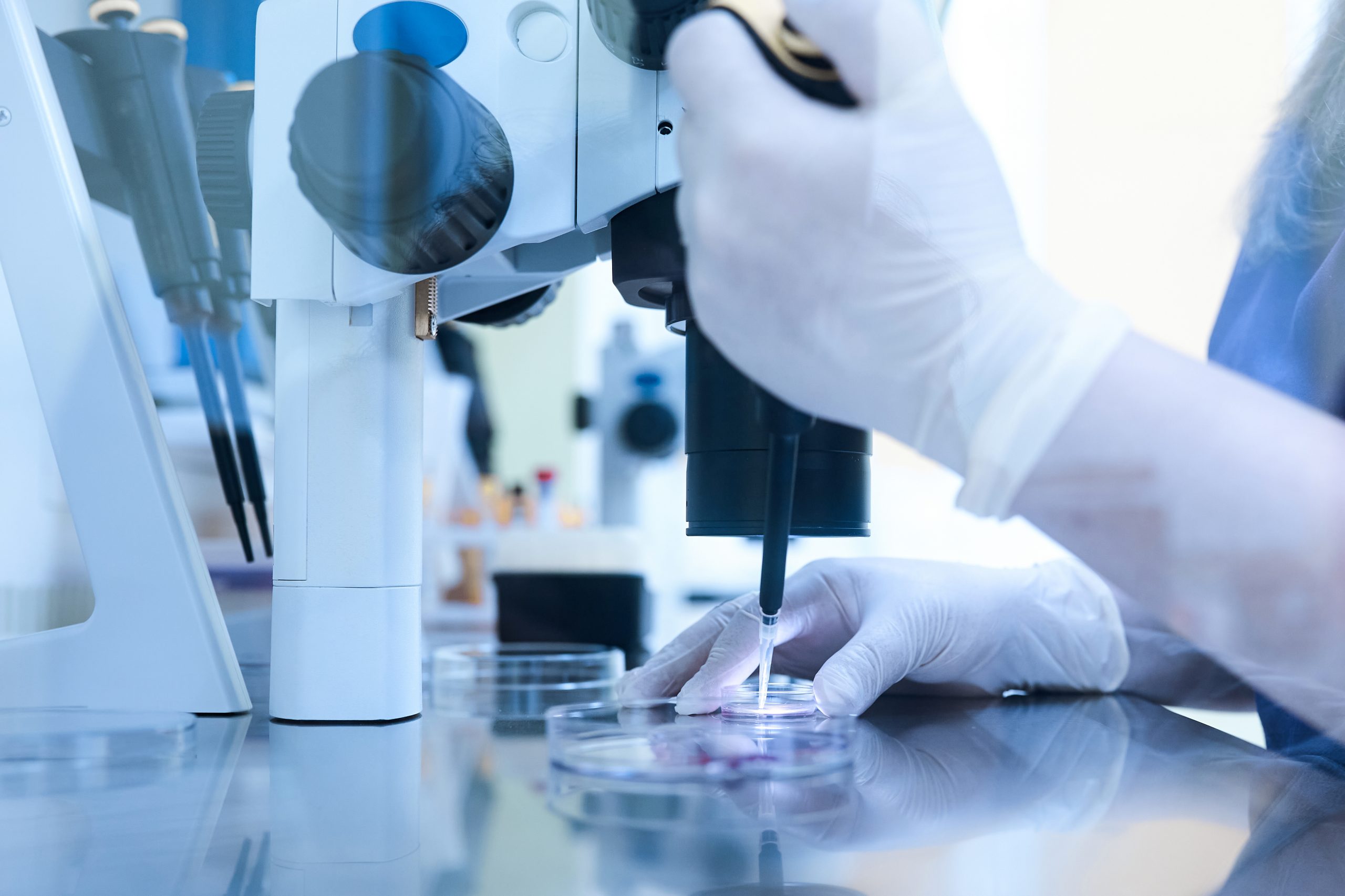
In the UK, there were 11 times more egg freeze cycles in 2021 than in 2011
Most patients under 38 years of age will have on around 7-14 eggs collected, although this isn’t always possible for patients with low ovarian reserves.
When you want to use them, the eggs will be thawed and those that have survived intact will be injected with your partner’s or donor’s sperm.
How safe is egg freezing?
The UK’s Human Fertilisation & Embryology Authority says IVF is mostly very safe, although some women do experience side effects from their fertility drugs. These are usually mild, but in extreme cases women can develop ovarian hyperstimulation syndrome (OHSS).
How much does egg freezing cost?
The average cost of having your eggs collected and frozen in the UK is £3,350, with medication being an added £500-£1,500. Storage costs are extra and tend to be between £125 and £350 per year.
Thawing eggs and transferring them to the womb costs an average of £2,500. So, the whole process for egg freezing and thawing costs an average of £7,000-£8,000.
What are the benefits of egg freezing?
The clearest benefit is that it allows women to “freeze” the biological age of their eggs, increasing the chances of successful pregnancy if they use those eggs at a later time, says Professor Assaf Ben-Meir, head of IVF at Hadassah Medical Center and chief medical officer at Fairtility.
“This is especially advantageous when done at a younger age, as it typically yields more eggs per retrieval with higher quality which is the main benefit, enhancing the chances of a successful live birth.
“While women may not ultimately need these eggs, the procedure provides peace of mind.”
What are the downsides of egg freezing?
While freezing eggs does “freeze time” in terms of the biological age of the eggs, Ben-Meir says some women don’t take into account that their bodies do keep aging.
“Women will freeze eggs but then might put off family planning for longer. If a person waits until their early 40s, they might find that they cannot get pregnant with their fresh eggs. In this situation, they will count on their frozen eggs – and there is no 100 per cent guarantee for success.”

Women are becoming more proactive about their fertility, say experts
The potential of frozen eggs can vary significantly too, Ben-Meir says, adding that current methods of assessing egg quality are not highly reliable.
“Embryologists make estimations solely based on some morphological characteristics of each oocyte. Most studies show that the predictability of an egg’s potential to result in a live birth based on these parameters alone are low and non-personalised.
“This means that when a patient ultimately wants to use frozen eggs to start a family, she may find that what she initially froze is not enough for her personal plans.”
What does the rise in egg freezing suggest?
Overall, it means that women are becoming aware of and proactive about their fertility earlier in their lives, says Dr Luca Sabatini, consultant gynaecologist and obstetrician and chief medical officer at Apricity.
“They know other women who have been tested and chosen to freeze their eggs, and as a result social egg freezing is becoming more acceptable and routine.”
However, Professor Ben-Meir says if this trend continues, the industry must consider the future implications of storing thousands of unused eggs.
“Healthcare providers will need to make decisions about the management and potential donation of thousands of unused, but viable eggs in the coming years,” he warns.
Have celebrities and social media influencers led to more women freezing their eggs?
While there is no clear data on this, experts believe celebrities and internet personalities have been somewhat responsible for egg freezing’s growing popularity.
“Celebrities and social media figures have likely helped reduce the stigma around fertility care, and encouraged people to be proactive about fertility preservation and care,” says Sabatini.
“Their stories might have brought awareness to the option of egg freezing, which some people may not have considered or even known about previously.”
View this post on Instagram
Paris Hilton has frozen 20 embryos, revealing that she is “waiting” for a daughter
Ben-Meir says an unintended consequence of these stories may be additional pressure for women in their reproductive years.
However, he thinks greater awareness means that women are talking about this earlier and they are better assessing their options.
What should women consider before freezing their eggs?
Dr Lisa Stradiotto, consultant in obstetrics and reproductive medicine at Apricity, says one of the biggest factors women need to consider is the financial cost of freezing and storage. For some women multiple cycles may be required to achieve a enough eggs to give them a good chance of pregnancy later.
“The literature suggests that it would be ideal to freeze around 15-20 eggs to give an 80 per cent chance of successfully yielding a pregnancy.”
However, egg freezing is not a guarantee of future fertility like it is sometimes portrayed, cautions Stradiotto.
“It should rather be viewed as a potential ‘back-up plan’, as life doesn’t always go according to plan.”
Professor Ben-Meir encourages women to consider the reputation of the clinic they are choosing.
“Research and choose a reputable facility for egg freezing. Ask if the facility is using AI in its egg and embryo assessment processes, as these technologies are making egg freezing and IVF processes more accurate and personalised to each patient.”




The UK government is reviewing a surrogacy firm after complaints that medical insurance claims involving surrogates in Mexico were rejected.
The Department of Health and Social Care (DHSC) is considering whether UK-based provider My Surrogacy Journey should remain listed on gov.uk as one of four domestic surrogacy agencies available to intended parents.
The review follows allegations concerning its Mexican sister company, where surrogates are based.

Health minister Diana Johnson said: “The department is looking into the allegations about My Surrogacy Journey.
“As part of that assessment, the department will consider whether it is appropriate for that company to remain on the gov.uk list of agencies.”
Emails sent by My Surrogacy Journey chief executive Michael Johnson-Ellis and seen by the Guardian suggest multiple surrogate women in Mexico had their insurance claims rejected.
The emails also suggest 300 couples using the company were moved to a new insurance provider because of the increased risk of claims being rejected.
Commercial surrogacy is banned in the UK, where only altruistic arrangements are permitted.
My Surrogacy Journey operates a not-for-profit UK branch alongside for-profit sister companies in Mexico and the US. All three companies have the same owners and chief executives.
The reported insurance issues relate to surrogacy arrangements in Mexico.
One couple told the Guardian they paid tens of thousands of pounds to cover medical costs after their surrogate had a hysterectomy during childbirth and an insurance claim was refused.
The Guardian said it understood that at least five sets of parents said they had to cover medical costs after insurance claims were rejected.
In an email to the couple whose surrogate underwent a hysterectomy, Johnson-Ellis wrote: “We have already told you that the insurance companies have been declining some of the claims and we are actively working with the broker to get this issue resolved but you should also consider that they may not be paid out and there is nothing we are able to do to change this …
“We appreciate this is not an insignificant sum but this genuinely is out of our control.”
Johnson-Ellis also said the company had switched insurance providers, writing: “We’re also managing this for 300 other journeys, which is a complex position to be in.”
Lawyers acting for My Surrogacy Journey said the company did not comment on individual cases, but that existing insurance policies were in place and claims continued to be accepted and processed.
They said the company understood that a small number of claims had been rejected and was supporting people seeking to resolve those claims with an insurer.
Under the surrogacy arrangements, intended parents are understood to be contractually required to cover medical costs not paid by an insurer.
The couple said they had been recommended the company’s Mexico option. Its website advertises that intended parents using the route can have a baby in “under 18 months”.
They said they were told the UK route could take up to five years and that the US option was much more expensive.
Lawyers for My Surrogacy Journey said prospective parents are given information about typical timelines, costs, legal frameworks and practical considerations, and that the 18-month timeframe is indicative only.
The couple said their surrogate developed placenta accreta, a serious condition in which the placenta attaches to the wall of the uterus.
Emails from Johnson-Ellis acknowledged that the insurance provider investigated the birth after the surrogate experienced health complications.
The parents are considering legal action, while the Guardian said it understood at least four other couples were reviewing their options.
Phil Brickell, MP for Bolton West, raised concerns in parliament about a separate couple who had used My Surrogacy Journey.
He said: “Two of my constituents recently travelled to Mexico, where their children were born by surrogacy.
“Those births were facilitated by a company called My Surrogacy Journey, which is listed on gov.uk.
“While in Mexico, they had repeated traumatic experiences with the company relating to issues including insurance for their children, accusations of bullying towards staff and repeated efforts to silence any constructive criticism.
“I understand that other members of this house have received similar complaints.”
Brickell called for My Surrogacy Journey to be removed from gov.uk pending a review by the Human Fertilisation and Embryology Authority.
Lawyers acting for My Surrogacy Journey said the company was communicating with DHSC and was confident any issues could be resolved.

Fertility
Spain football federation partnership to offer players egg-freezing and fertility treatment


Spain’s football federation will offer national team players egg-freezing and fertility treatment through a clinic partnership running until 2029.
The agreement with the Tambre clinic in Madrid will give Spain’s World Cup winners more options to pursue motherhood when they feel the time is right.
The Royal Spanish Football Federation (RFEF) said the agreement covers all national team players, including the futsal team, as well as Primera Division referees and assistants and all other federation employees.
It is the latest policy introduced by the RFEF as it seeks to lead the way in work-life balance and maternity protection.
The federation has also introduced measures allowing players to travel with their children during major tournaments. The scheme was extended to the men’s team during their successful World Cup campaign in North America this past summer.
RFEF president Rafael Louzán said: “If Spain and its national teams are the best in the world on the pitch, they must also be the best in matters such as work-life balance.
“This is a new, comprehensive and pioneering benefit that extends to all federation employees. Today is a great day for the entire Spanish football family.”
The agreement followed a direct request from players after discussions with national team captains, including London City Lionesses midfielder Alexia Putellas.
Putellas told Spanish outlet El País: “As a group of captains, we had a concern — because experiencing a World Cup is vital for a player — regarding the difficulty of reconciling that with the desire to become a mother.”
“It’s a desire I didn’t originally have but developed some time ago.
“Thanks to the incredible work done by the federation, an agreement has been reached with a clinic allowing us to freeze our eggs while we are still active players, for as long as we wish.
“For me, this is a huge step forward; the federation understands that you are serving your country in a way that runs counter to your biological clock — that you can’t simply pause your career to become a mother because you need your body to do your job.”
The announcement follows Chelsea becoming the first Women’s Super League club to offer similar fertility treatment options to its players.
The move has also drawn criticism.
Spanish triple jumper Ana Peleteiro-Compaoré Brión said on Instagram: “The problem obviously isn’t freezing eggs.
“The problem is: why does the institution these women work for have an interest in financing them to delay their motherhood?
“And here there’s a problem that for me changes absolutely everything.
“Is this measure intended to make it easier for women to be mothers or is it intended to make it easier for them not to be while they’re playing?”
Spain are the current world champions in both the women’s and men’s games.
The women will attempt to defend their title at the 2027 World Cup in Brazil next summer.

Paracetamol use in pregnancy was not linked to autism or ADHD, while separate research found reproductive differences in girls exposed before birth.
One study analysed health records from more than 120,000 children and found no increased risk of autism following prenatal paracetamol exposure.
A separate analysis of nearly 100,000 children also found no increased risk of ADHD among those born to mothers who used the painkiller during pregnancy.
Researchers from the Hong Kong Hospital Authority examined electronic health records covering pregnancies between January 2001 and December 2023.
The autism analysis included 124,333 children, who were nine years old on average and split almost evenly between males and females. There were 3,445 autism diagnoses, representing 2.8 per cent of the group.
The ADHD analysis involved 97,285 children, who were seven years old on average and also split evenly between males and females. There were 5,168 ADHD diagnoses, representing 5.3 per cent.
Women prescribed paracetamol during pregnancy were more likely to be older and have pre-existing conditions including psychiatric disorders, as well as reasons for taking the drug such as infection, fever or chronic pain.
No association was found between prenatal paracetamol exposure and either autism or ADHD.
The findings did not differ according to the trimester in which paracetamol was taken or whether use was intermittent or daily. Advanced maternal age, defined as pregnancy in women over 35, did not alter the findings.
The researchers wrote: “Paracetamol remains a safe and essential analgesic [pain reliever] and antipyretic [fever reducer] during pregnancy, whereas alternatives, such as NSAIDs and opioids carry well-documented risks.
“Unwarranted reluctance to use paracetamol could lead to undertreatment of pain and fever, or the use of more harmful alternatives, both posing risks to the pregnancy and developing fetus.”
The authors said women should assess paracetamol use with guidance from their doctor.
A separate study involving 685 pregnant women without pre-existing conditions and 302 infant daughters found associations between prenatal paracetamol exposure and differences in reproductive organs and hormone levels.
Researchers from Copenhagen University Hospital enrolled the women during their first trimester and assessed them during the first trimester, third trimester and again when their babies were three months old.
At around three months, infants experience a temporary rise in reproductive hormones sometimes called mini-puberty.
Pregnant participants completed questionnaires every two weeks about their use of pain medicines including paracetamol. Infant girls underwent ultrasound scans of their reproductive organs and blood tests to measure hormone levels.
Researchers also examined a separate group of 1,210 girls followed from infancy to adolescence whose mothers reported paracetamol use during the third trimester.
Three-month-old girls exposed to paracetamol before birth had an average 40 per cent smaller ovarian volume, 13 per cent smaller uterine volume and 23 per cent fewer ovarian follicles.
Girls exposed during the first trimester also had lower levels of Anti-Müllerian hormone, a marker of ovarian function.
Among the older girls, those exposed before birth were more likely to have smaller uteruses at puberty and smaller ovaries during their teenage years.
Dr Margit Bistrup Fischer, lead study author and postdoctoral researcher in the Department of Growth and Reproduction at Rigshospitalet hospital in Denmark, said: “Animal studies have demonstrated that impaired formation of ovarian follicles can lead to reduced fertility and earlier reproductive aging.
“Whether the differences observed in our study have implications for fertility and age at menopause in humans remains unknown and will require long-term follow-up of the girls in our cohort.”
She cautioned that women who had used paracetamol during pregnancy “should not be alarmed by our findings”, as the study found associations rather than direct causation and outcomes for individual women and children are unclear.
“Importantly, our study does not evaluate whether [acetaminophen] causes reproductive problems, nor does it provide evidence that prenatal exposure affects future fertility or age at menopause,” she said.
“Although we observed similar associations in an independent cohort, long-term follow-up is needed to determine whether these early-life differences have any clinical significance later in life.”









 Menopause1 week ago
Menopause may not explain rising heart condition in women – study

 Entrepreneur2 weeks ago
Last chance to save on Women’s Health Week and Women’s Sport Summit: Early Bird pricing ends 11 September

 Fertility2 weeks ago
Paracetamol use may impact future fertility, studies suggest

 Insight1 week ago
Women with birth trauma face 2.5x higher healthcare costs – study

 Cancer2 weeks ago
Cancer drug could tackle osteoporosis menopause weight gain

 News6 days ago
Medical cannabis may improve endometriosis symptoms – study

 Cancer7 days ago
Study could explain why obesity is a breast cancer risk factor

 Diagnosis2 weeks ago
FDA approves AstraZeneca breast cancer drug
Pingback: Everything you need to know before freezing your eggs - Fairtility