




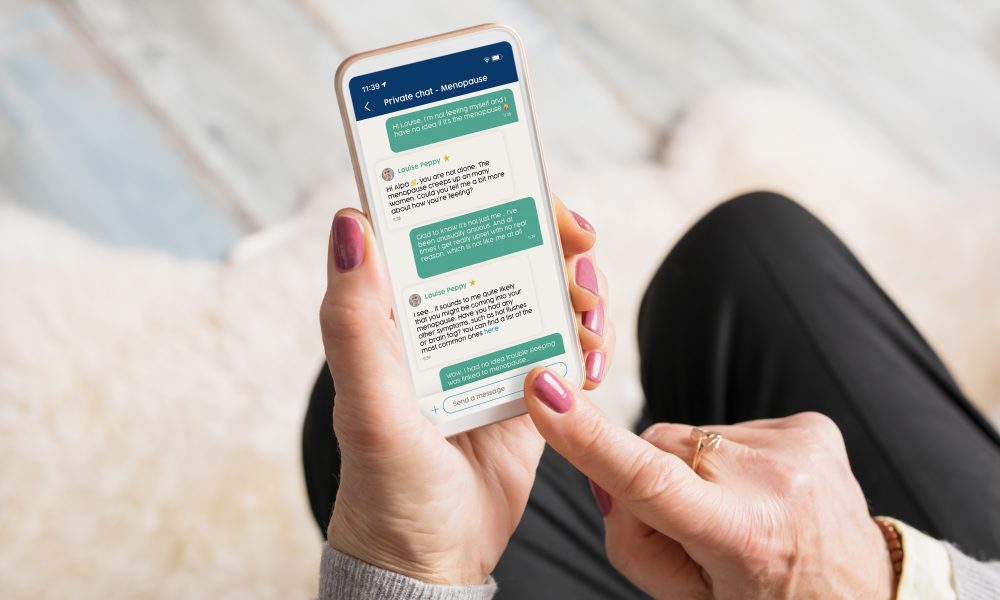
More than half of employers have seen increased demand for menopause support in the past two years, the digital health app Peppy has found.
The new research was undertaken during September 2022 amongst 504 HR decision-makers just weeks before the World Menopause Day on October 18.
The report showed that of those employers who offer menopause support, nine out of ten (89 per cent) expect the organisation to be more attractive to staff of menopause age looking for jobs, and a similar amount expect to be better able to retain staff of menopausal age.
“Organisations are witnessing an increased demand for menopause support from their staff and we don’t see this trend slowing anytime soon,” said Kathy Abernethy, director of menopause services at Peppy, a company giving employees access to remote, specialist support during underserved areas of health.

“We have conversations with employers who might not have considered budgeting for menopause support in the past, or thought their more general employee benefits provision was adequate. However, they now realise that they must prioritise this type of specialist support.”
Earlier in the year, the FTSE Women Leaders Review, spearheaded by Liz Truss, then Minister for Women and Equalities, now Prime Minister, made recommendations for new targets to help ensure women are fairly represented in corporate leadership and on boards.
Experts from Peppy think organisations of all sizes will take this approach on board, and the recruitment and retention of senior women will be a laser focus for employers.
But despite the pressure from employees wanting menopause support, and employers’ understanding of the positive impact that this can have on recruitment and retention, the company’s research has shown that over a third (36 per cent) of employers feel that they are behind the curve.
“Many early adopters offered menopause support because they wanted to do the right thing, and recognised the impact of not doing so, and others are now quickly following suit as they can’t afford to be an outlier in their industry,” Abernethy explained.
“Either way – employees will benefit from a greater number of organisations offering them support. Those who don’t get up to speed with offering support are likely to suffer as a consequence.”
Research suggests that businesses are directly affected when menopause is not supported. According to Peppy, 38 per cent of employers say that staff have left their organisation due to menopause symptoms.
In addition, 64 per cent of HRs say that their organisation had experienced staff taking time off sick because of menopause-related symptoms.
“Businesses are directly affected when staff take absence or leave the business altogether because of menopause-related issues,” said Abernethy.
“Individuals benefit when they’re supported, and it’s also in the interest of the company to look after this important demographic, to reduce absence and keep people at work.”
Of the types of support offered to menopausal employees, mental well-being support targeted at midlife women is the most common, followed by healthy lifestyle support and information employee benefits portal, the report showed.

Newsletter
Sign up for free weekly updates
The latest femtech news, research and investment, straight to your inbox.




