




Insight
UK approves targeted drug for ovarian cancer


A new ovarian cancer drug has been approved in the UK for patients whose tumours no longer respond to platinum-based chemotherapy.
The Medicines and Healthcare products Regulatory Agency (MHRA) has approved mirvetuximab soravtansine—sold as Elahere—for certain types of ovarian, fallopian tube and primary peritoneal cancers.
The treatment is for adults whose cancer cells are positive for folate receptor-alpha (FRα), a protein found on the tumour’s surface.

It is intended for patients who have already received one to three prior treatments and whose cancer is no longer responding to platinum-based chemotherapy.
Julian Beach is MHRA interim executive director, healthcare quality and access.
He said: “Keeping patients safe and enabling their access to high quality, safe and effective medical products are key priorities for us.
“We are committed to making innovative treatment options, like mirvetuximab soravtansine, the first and only folate receptor-alpha (FRα) directed antibody drug conjugate, available to patients as quickly as possible, ensuring our approval is underpinned by robust evidence of efficacy alongside the highest standards of safety.”
Mirvetuximab soravtansine is the first therapy of its kind: an antibody drug conjugate directed at FRα.
This targeted treatment uses a monoclonal antibody—engineered in the lab to recognise a specific protein—that binds to cancer cells and delivers a toxic compound directly into them.
The MHRA authorised the drug on 24 July, based on a study involving 453 adults with advanced platinum-resistant, FRα-positive cancer.
Patients who received mirvetuximab soravtansine lived for a median of 5.6 months without disease progression, compared to 4 months for those on standard chemotherapy.
Overall survival was 16.5 months versus 12.8 months.
Once the monoclonal antibody attaches to the FRα protein on the cancer cell, mirvetuximab soravtansine enters the cell and releases a compound called DM4, which interferes with cell growth and causes the cell to die.
The medicine is administered via intravenous infusion and will be given by a doctor or nurse experienced in using cancer medicines.
The dose is calculated based on the patient’s body weight, and the number of treatment cycles is determined by the treating doctor.
Side effects reported in more than 1 in 10 patients include blurred vision, nausea, diarrhoea, tiredness, abdominal pain, keratopathy (damage to the cornea), dry eye, constipation, vomiting, decreased appetite, peripheral neuropathy (nerve damage in arms and legs), headache, weakness, increased liver enzyme levels, and joint pain.
The MHRA granted the authorisation to AbbVie Ltd under the International Recognition Procedure, which allows the UK to rely on approvals from trusted international regulators.













A study of 900,000-plus patients found frail men faced a higher one-year death risk after a heart attack, although severe frailty was more common in women.
While attention has rightly focused on women often being undertreated after a heart attack, the research points to what it describes as a hidden and serious vulnerability in men.
The study found severe frailty, a state where the body’s reserves are reduced and recovery is harder, was more common in women after a heart attack, but the one-year risk of death was significantly higher for frail men.

This creates a more complex picture, with women facing inequalities in access to care, while frail men face what the researchers describe as a “malignant” prognosis that current standard treatments are failing to address.
The research, which the authors describe as the largest of its kind, was led by the University of Leicester and funded by the National Institute for Health and Care Research and British Heart Foundation Centre of Excellence. It analysed national data over a 15-year period to disentangle the relationship between sex, frailty and survival. It was conducted through an international collaboration with the Victor Phillip Dahdaleh Heart and Lung Research Institute at the University of Cambridge and the Center for Geriatric Medicine at the Cleveland Clinic.
Dr Muhammad Rashid, from the University of Leicester’s department of cardiovascular sciences and senior clinical research fellow for the NIHR Leicester Biomedical Research Centre, led the study alongside Dr Hasan Mohiaddin and Horatio Mosanya.
He said: “The study challenges current risk assessments which often treat frailty as a uniform predictor.”
Rashid said the interaction between frailty and sex had not previously been explored, leaving a gap in understanding patient risk. He said the findings relate to AMI patients, with AMI meaning acute myocardial infarction, the medical term for a heart attack.
“Our study provides new insights into this, demonstrating that the likely impact of frailty in AMI patients is not uniform, but significantly modified by sex. In males this could be rooted in fundamental differences with data suggesting they are more prone to artery blockages and have a higher prevalence of diabetes and multiple diseases, and a more vulnerable cardiac state. Even when they receive more intensive therapeutic care, their vulnerability and diminished physiological reserves to withstand another major cardiovascular event are low.”
“However, frailty in females may represent a more multi-system decline not exclusively linked to the severity of their coronary disease. This suggests that frailty in females is a marker of accumulated disability across multiple systems rather than being driven primarily by advanced coronary disease.”
Rashid said the findings could have significant clinical implications. He added that current risk assessment needs to evolve so that male care pathways after a heart attack are enhanced beyond cardio-metabolic management and prioritised cardiac rehabilitation, while equitable delivery of established, life-saving therapies should be established for females.
“The development and validation of new sex-specific frailty assessment tools should therefore be a priority for future research as such tools may be better suited to identifying high-risk individuals and guiding targeted interventions for the most vulnerable patients.”



By Women As One
Welcome to Women Who Lead, a series highlighting inspiring women leaders in cardiology who are shaping the future of cardiovascular medicine.
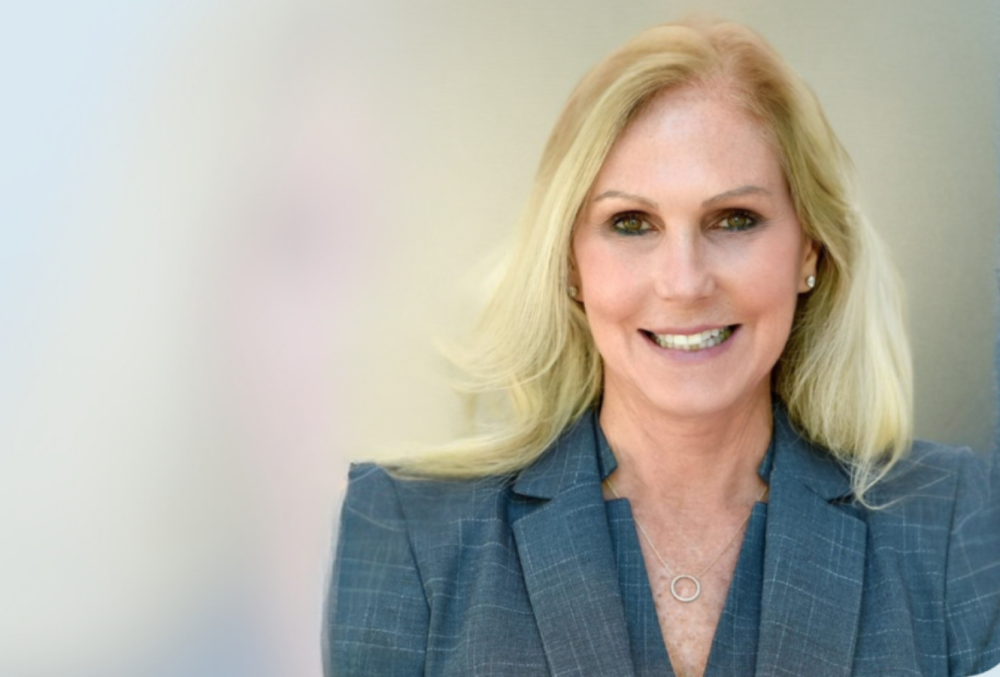
In this edition, we feature Dr. Malissa Wood, a distinguished cardiologist, physician executive, and champion for diversity and health equity.
Through her clinical leadership, programme-building, and advocacy, Malissa has advanced the care of women with cardiovascular disease while shaping more inclusive systems within medicine.
From founding landmark women’s heart health and SCAD programs to leading at the highest levels of organised cardiology, her work continues to strengthen opportunities for women physicians and improve health outcomes for women worldwide.
As Chief Medical Officer of Women As One, Dr. Wood leads the organisation’s medical and scientific activities, guiding clinical strategy, research, advocacy, and partnerships that advance equity for women in medicine.
What first drew you to cardiology, and what personal or professional experiences most shaped your leadership journey?
I was drawn to cardiology because it sits at the intersection of science, prevention, and human connection.
Early in my training, I became aware of how differently cardiovascular disease presents in women—and how often those differences were overlooked. That realisation shaped both my clinical focus and my leadership journey.
Professionally, stepping into roles where I could build programmes, mentor others, and address inequities—particularly in women’s heart health—made it clear to me that leadership is not about title, but about creating systems that serve people better.
Can you describe a defining moment when your leadership made a meaningful difference for a patient, colleague, or institution?
One defining moment was helping to establish a multidisciplinary women’s heart health programme at Massachusetts General Hospital in Boston.
Seeing improved outcomes for patients—and watching early-career clinicians grow into confident leaders within that programme—reinforced the power of intentional leadership. It reminded me that when you invest in people and structure, the impact multiplies far beyond any one individual.
How has the landscape for women leaders in cardiology changed since you began your career, and what still needs to shift?
There is far greater visibility of women leaders today than when I began my career, and conversations around equity are more open and data-driven.
That said, representation still drops off sharply at senior leadership levels, and women continue to shoulder disproportionate clinical, mentorship, and “invisible” work.
What still needs to shift is not just access, but accountability—ensuring that leadership pathways are transparent, equitable, and sustainable.
What are the most persistent challenges facing women cardiologists in your country or region today?
Persistent challenges include pay inequity, lack of sponsorship, inflexible career structures, and the ongoing tension between professional advancement and personal responsibilities. Many women also face burnout from being asked to “do more” without the authority or resources to truly lead. Addressing these challenges requires structural—not just individual—solutions.
What leadership pathways are there for women cardiologists in your region, and where are opportunities still lacking?
Leadership pathways exist through academic promotion, professional societies, clinical programme development, and industry or nonprofit partnerships. However, opportunities are still lacking in early sponsorship, formal leadership training, and access to high-visibility roles that lead to executive positions. Too often, women are prepared but not positioned.
How is women’s leadership in healthcare viewed in your region, and what progress or resistance have you seen?
Women’s leadership is increasingly recognised as essential to high-quality, patient-centred care. We’ve seen progress in representation and advocacy, but resistance still shows up subtly—through unconscious bias, uneven expectations, and slower advancement.
True progress comes when women’s leadership is normalised, not exceptionalised.
What role do institutions and male colleagues need to play to truly accelerate gender equity in cardiology?
Institutions must commit to equity as a core value, supported by data, resources, and measurable outcomes. Male colleagues play a critical role as sponsors—opening doors, amplifying voices, and challenging inequities when they see them.
Gender equity is not a women’s issue; it is a leadership and quality issue.
In your view, what is the most urgent unmet need for women in cardiology today?
The most urgent unmet need is sustainable leadership infrastructure—clear pathways, protected time, and support systems that allow women to lead without burnout. Talent is not the limiting factor; opportunity and structure are.
What advice would you offer to early-career women cardiologists who want to lead, but may be unsure how to start?
Start by leading where you are. Seek mentors and sponsors, say yes to opportunities that align with your values, and don’t wait to feel “ready.”
Leadership is a skill that develops through action. Most importantly, remember that your perspective matters—especially in shaping the future of cardiovascular care.
Women like Malissa J. Wood, MD exemplify the vital role of leadership in advancing gender equality in healthcare and improving outcomes for women with cardiovascular disease. Supporting women in cardiology is essential not only for fairness but for better science and patient care.
The Women Who Lead series aims to uplift talented women in cardiology, raising their international profile and inspiring the next generation of women in cardiology. Join the Women As One community, The Pulse, today.












 Insight4 weeks ago
Parents sue IVF clinic after delivering someone else’s baby

 Entrepreneur2 weeks ago
US startup builds wearable hormone tracker

 Menopause4 weeks ago
HRT linked to greater weight loss on tirzepatide

 Menopause4 weeks ago
Flo Health and Mayo Clinic publish global perimenopause awareness study

 Fertility2 weeks ago
France urges 29-year-olds to start families now

 Menopause3 weeks ago
Study reveals gap between perimenopause expectations and experience

 Menopause2 weeks ago
Menopause specialist Haver joins Midi Health

 Menopause2 weeks ago
Women with ADHD almost twice as likely to experience perimenopause symptoms, study finds