



Cancer
Study links frailty to five-year mortality rate among older women with breast cancer


A new study links changes in frailty, a measure of decreased physiological capacity that leads to fatigue, slow walking, muscle weakness, physical inactivity, and weight loss, to five-year survival rates in older women with breast cancer.
These findings suggest that managing frailty during chemotherapy could improve outcomes.
The study found that 4.5 per cent of women out of a cohort of 20,292 women aged 65 and older with stage I to stage III breast cancer experienced non-resilient frailty trajectories – a decline in physiologic reserve – following chemotherapy initiation. These women had significantly worse survival outcomes compared to those with more stable or improving frailty trajectories.
Despite representing a small percentage of the cohort, the group of non-resilient women had notably higher mortality rates.

The study also found that those who maintained their strength or recovered from a temporary decline had better survival rates. However, while tracking frailty changes over time helped researchers understand overall survival trends in groups of patients, it was less useful for predicting an individual’s risk of death.
The study also highlighted the need for further research on whether frailty changes can predict other important health outcomes, like falls or hospitalisations. It suggested that patients at higher risk – such as those with preexisting health conditions – might benefit from targeted interventions like nutrition support, physical activity, and better management of treatment side effects.
Researchers emphasised the importance of tracking frailty throughout cancer treatment to improve care and outcomes for older patients.
“Our research demonstrates that frailty is not a static condition but can change over time, especially during cancer treatment. By closely monitoring frailty trajectories, health care providers can better identify patients at increased risk and implement timely interventions to improve survival outcomes,” said Dae Hyun Kim, associate scientist and founder of the Frailty Research Program at the Hinda and Arthur Marcus Institute for Aging Research at Hebrew SeniorLife.




Wellness
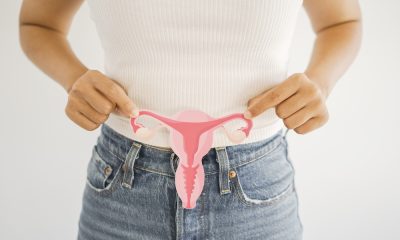
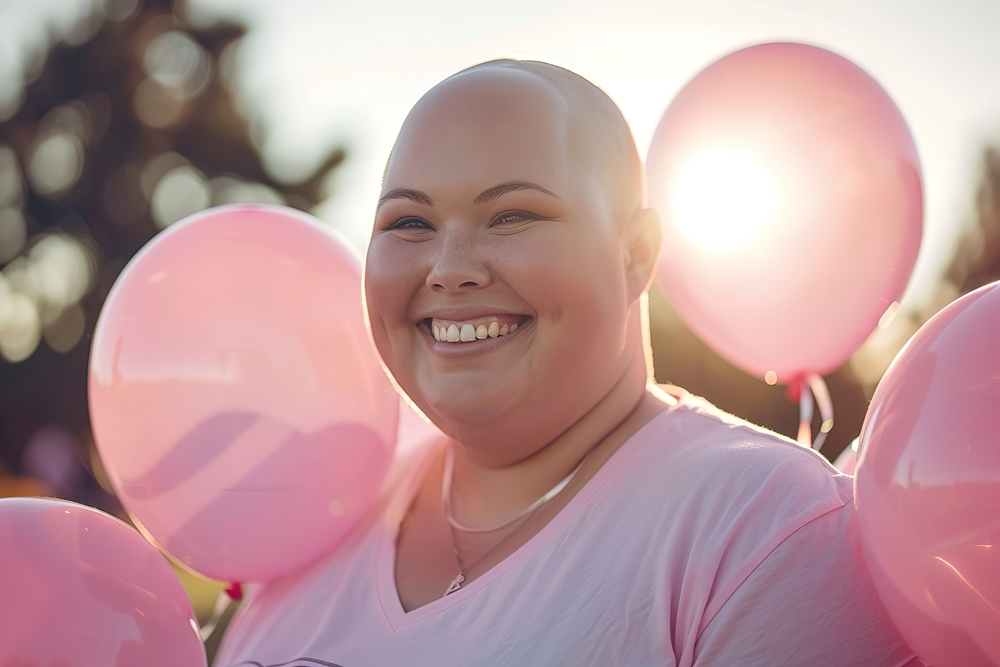
Millennial women are missing lifesaving cancer checks – how to close the cervical screening gap


As new European research shows millennials are more likely to miss cervical cancer screenings than any other generation, experts warn that failing to address major barriers – from fear to family and workplace pressures – could undermine global elimination targets.
Results from a survey of over 5,500 women aged 16-64 found that 31 per cent of eligible millennials have postponed or missed their cervical screening appointments, a figure that is 27 per cent higher than the average across all age groups.
The research, commissioned by Roche Diagnostics and conducted by GWI across six European countries, also found that, despite screening services being widely available free of charge or heavily subsidised in many countries, specific challenges make accessing routine cervical screening difficult for some.
Fears related to pain, embarrassment or stigma surrounding cervical screenings are well-documented as contributing to lower screening rates. But the research also reveals particular challenges millennials face in balancing careers, caregiving responsibilities, and relationships often result in appointments being missed or delayed at a higher rate compared to other age groups.

The ‘have it all’ generation?
“Millennials are often said to be the ‘have it all generation,’ juggling careers, caregiving, and societal expectations. Yet, they tend to put themselves last,” said Joanna Sickler, Vice-President, Health Policy and External Affairs at Roche Diagnostics.
“The research shows that millennials are disproportionately failing to prioritise cervical screening because of a mix of emotional, logistical, and societal pressures.”
Cervical cancer affects more than 600,000 women globally every year, yet it is preventable in almost all cases through vaccination, early detection, and treatment of precancers. Cervical screenings remain vital for detecting human papillomavirus (HPV), the cause of over 99 per cent of cervical cancers, but participation has declined in recent years.
In England, cervical screening rates have fallen to around 69 per cent for women aged 25–64 – well below the NHS England target of 80 per cent – with rates lower for younger women (66 per cent) than older women (74 per cent). According to NHS data, this means over five million women are not up to date with their routine check-up.
The high prevalence of millennials missing screening appointments is particularly concerning, given that they may be the age group that is most at risk. Between 1990 and 2019, cases of early-onset cancer among people under 50 increased by 79 per cent worldwide, and mortality by 28 per cent, making millennials the first generation at greater risk of developing tumours than their parents.
Research also indicates a rise in cases of cervical cancer among millennial women, despite the World Health Organization’s commitment to eliminating it as a public health problem by 2030. A study published in JAMA in 2022 revealed that the incidence of the disease has risen by an average of 2.5 per cent per year among women 30 to 34 years old since 2012.
Experts believe that the reduction in screening uptake among this age group could be contributing to the rise in cervical cancer rates.
A separate study, published in JAMA Network Open, found that of over 20,000 US women surveyed between 2005 and 2019, the percentage of those overdue for cervical cancer screening rose from 14 per cent in 2005 to 23 per cent in 2019.
Women aged 21–29 were significantly more likely to be overdue for screening than those between the ages of 30 and 65.
Fear remains the biggest barrier
According to Roche’s research, fear remains the biggest barrier to attending cervical screenings, with 30 per cent citing fear as the primary reason for missing or delaying their appointments, driven by anxiety about discomfort, pain, or the potential results. This was particularly common among younger generations.
In Spain, 43 per cent of respondents cited fear as a reason for delay, the highest across all surveyed markets. Across the wider survey, 36 per cent of those aged between 16 and 34 years old and 37 per cent of those without children were also significantly more likely to delay due to fear.
This appears to be compounded by a lack of awareness and open dialogue about cervical screening. Despite various public health initiatives to encourage uptake, nearly 50 per cent of respondents, including 43 per cent of millennials, admitted they had never spoken to anyone about cervical screening, with 10 per cent saying they would be more likely to attend if encouraged by family, friends, or colleagues.
“It’s important to create an environment where discussing cervical screening and women’s health topics is not only accepted but encouraged,” Sickler tells Femtech World.
“This can only happen if these topics become commonplace in homes, workplaces and communities.”
Work, family and societal pressures
But fear is not the only factor.
The survey also found that professional commitments and workplace demands are the second-largest barrier for all participants. High-income earners, or those in the top third of income ranges across markets, are 22 per cent more likely than average to delay appointments, and 27 per cent of this group cite workplace demands as the reason for postponement.
Caregiving responsibilities are also often prioritised over personal health, particularly for parents, with 27 per cent of parents surveyed reporting they had delayed or cancelled cervical screening appointments.
Among millennials who postponed their screenings, 12 per cent identified assistance with travel or childcare as a significant motivator, while 19 per cent said greater workplace flexibility and encouragement from employers would help them prioritise their appointments.
According to Sickler, although 66 per cent of managers agree on the importance of taking an active role in supporting employees to attend screenings, only 14 per cent offer flexibility, and just eight per cent have discussed the topic at work.
At the same time, evidence shows the burden of cervical cancer falls disproportionately on marginalised and underserved communities, with incidence rates of cervical cancer in the UK 65 per cent higher in the most deprived quintile of the population, and approximately 520 cervical cancer cases each year linked to deprivation.
Meeting women where they are
Professor Daniel Kelly OBE, Cardiff University, and co-chair of the HPV and Hep B Action Network at the European Cancer Organisation, says healthcare systems “must evolve to meet women where and how they live”. And more broadly, society and communities should “foster open dialogue” to “normalise cervical health as a shared responsibility”.
Sickler agrees that healthcare systems must adapt to better address some of the barriers facing millennial women through practical and cultural solutions – from strengthening awareness and support to streamlining booking systems and expanding access to alternative screening options like self-sampling.
“The latest findings highlight opportunities to improve screening participation through education, workplace flexibility and access to resources,” she says.
“Whilst millennials are the most likely to miss cervical screening appointments, our research also shows they are also the generation most likely to request alternative screening options (21 per cent) and a more convenient booking process (35 per cent).
“To meet these needs, health systems could expand alternative screening options such as self-collection, which offers privacy and convenience and helps overcome barriers like embarrassment, fear of discomfort, and cultural stigma.
Sickler adds: “Streamlining booking processes, strengthening patient education, and fostering open conversations to normalise cervical health are crucial steps in overcoming key barriers.”
NHS to roll out home HPV testing
In England, where the NHS has promised to eliminate cervical cancer by 2040, more women are expected to be offered home screening kits as part of the cervical screening programme outlined in the recently published 10 Year Plan.
From January 2026, HPV self-sampling kits will be offered to those who have rarely or never attended their cervical screening appointment to allow them to test at home. The programme is specifically aimed at groups consistently missing vital appointments, including younger women, ethnicities facing cultural hurdles, people with disabilities and the LGBT+ community.
The new policy was informed by research carried out by King’s College London in 2021, which provided HPV self-sampling kits to women and people with a cervix who were at least six months overdue for their cervical screening. The YouScreen trial found that offering self-sampling kits could boost the numbers screened in England by about 400,000 each year.
According to Dr Anita Lim, visiting senior research fellow at King’s and chief investigator of the trial, the findings demonstrated that self-sampling could reach people who find it difficult to attend traditional screening, including those from diverse and underserved populations.
“It’s hugely positive to see this now reflected in national policy, helping more people get protected from this highly preventable cancer,” said Lim.
While screening carried out by a clinician is still considered the “gold standard” for HPV testing, experts and leading charities such as Cancer Research UK and The Eve Appeal have welcomed the initiative, saying it will help remove barriers and make cervical screening more accessible. And anyone who tests positive for HPV through self-sampling will be encouraged to attend a clinician-taken follow-up screening test.
“The gold standard way to test for HPV is still a sample taken by a clinician, and this will be suitable for most people,” said Michelle Mitchell, Chief Executive of Cancer Research UK, when the plans were announced back in June.
“But beating cervical cancer means beating it for everyone, and this move helps to bring us closer to that goal.”
A ‘societal movement’ to beat cervical cancer
Improving access to self-screening is one solution, but as Sickler highlights, it’s not the whole solution.
Roche’s new campaign, ‘Cervical cancer: it only ends with all of us’, focuses on several different ways to encourage those eligible to overcome barriers and attend clinician-collected cervical screenings.
This includes promoting more emotional and practical support from loved ones, better education across communities, and open conversations around the topic.
“The campaign aims to improve attendance rates through a societal movement to encourage and empower eligible populations to attend their cervical screening appointments,” Sickler adds.
“Only by creating an inclusive environment where women’s health topics are discussed will we be able to increase attendance and prevent cervical cancer from continuing to claim lives.”


An artificial intelligence model predicts five-year breast cancer risk more accurately than traditional breast density assessment, new research shows.
The image-only AI model, called Clairity Breast, showed that women in its high-risk group had more than a fourfold higher cancer incidence than those in the average-risk group (5.9 per cent vs 1.3 per cent).
Breast density, which refers to the amount of fibrous and glandular tissue compared to fatty tissue in the breast, has traditionally been used as one indicator of cancer risk. Dense breast tissue can both mask tumours and slightly increase cancer risk.
Researchers from Harvard Medical School and University Hospital RWTH Aachen in Germany tested the FDA-authorised AI model on 245,232 screening mammograms from US and European sites taken between 2011 and 2017.
The AI was trained on 421,499 mammograms from 27 facilities across Europe, South America and the US, learning to identify subtle tissue patterns that predict cancer development within five years. It uses a deep convolutional neural network (a pattern-recognition algorithm) to generate risk probabilities.
Traditional density assessment showed minimal difference in outcomes: 3.2 per cent for dense versus 2.7 per cent for non-dense breasts.
“Over two million women are diagnosed with breast cancer annually, and for most, it comes as a complete shock,” said Dr Constance D. Lehman, professor of radiology at Harvard Medical School. “Only 5 to 10 per cent of breast cancer cases are considered hereditary, and breast density alone is a very weak predictor of risk.”
The AI categorised risk using National Comprehensive Cancer Network thresholds: average (less than 1.7 per cent), intermediate (1.7-3.0 per cent) and high (greater than 3.0 per cent) five-year risk.
“The model is able to detect changes in the breast tissue that the human eye can’t see,” Dr Lehman explained. “This is a job that radiologists just can’t perform. It’s a separate task from detection and diagnosis, and it will open a whole new field of medicine, leveraging the power of AI and untapped information in the image.”
The findings have particular significance for younger women. While the American Cancer Society recommends optional annual screening from age 40 for average-risk women, those under 40 represent the fastest-growing group diagnosed with breast cancer and advanced disease.
“An AI image-based risk score can help us identify high-risk women more accurately than traditional methods and determine who may need screening at an earlier age,” Dr Lehman said. “We already screen some women in their 30s when they are clearly at high risk based on family history or genetics. In the future, a baseline mammogram at 30 could allow women with a high image-based risk score to join that earlier, more effective screening pathway.”
Dr Christiane Kuhl, director of the Department of Diagnostic and Interventional Radiology at University Hospital RWTH Aachen, who presented the findings, emphasised the clinical implications.
“The results of this large-scale analysis demonstrate that AI risk models provide far stronger and more precise risk stratification for five-year cancer prediction than breast density alone,” she said. “Our findings support the use of image-only AI as a complement to traditional markers supporting a more personalised approach to screening.”
Currently, 32 US states have breast density legislation requiring healthcare providers to inform women of their density status after screening mammograms. The researchers suggest this information could be enhanced with AI risk scores.
“We’d like to see women given information on their breast density and their AI image-based risk score,” Dr Lehman said. “We can do better than just looking at a mammogram and saying, ‘It is dense or not dense’ to inform women of their risk.”
The technology represents what its developers describe as a shift in breast cancer screening from population-based to personalised risk assessment, potentially enabling earlier intervention for high-risk women while reducing unnecessary procedures for those at lower risk.









-

 News3 weeks ago
Opinion: Not ‘just stress’ – How hormonal changes affect women’s brain function
-

 News4 weeks ago
Top 7 drug-free solutions for managing PMS and PMDD in in 2025
-
 Diagnosis3 weeks ago
Researchers develop nasal therapeutic HPV vaccine
-

 News3 weeks ago
Woman files lawsuit claiming fertility clinic ‘bootcamp’ caused her stroke
-

 Entrepreneur4 weeks ago
YON E Health raises €250k for its vaginal health device
-

 News4 weeks ago
Researchers achieve first pregnancy using AI to recover sperm in infertile men
-

 Menopause1 week ago
Doctors push back on ‘data-free’ ruling on menopause hormone therapy
-

 Menopause3 weeks ago
Sleep-related disorders linked to hypertension in postmenopausal women