




News
Creatine offers menopause benefits, study finds
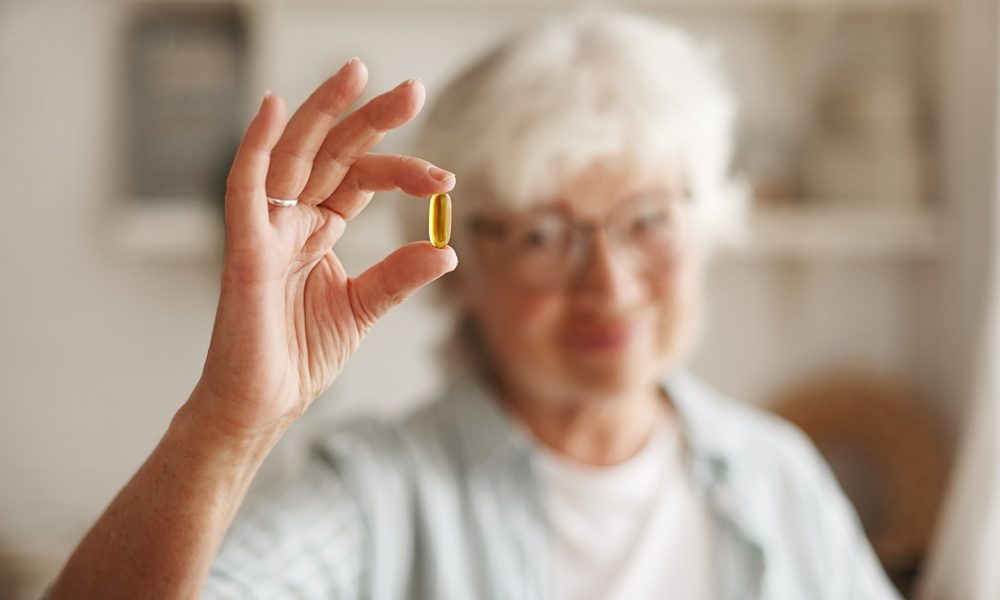
Creatine supplements could help with brain fog and poor sleep in perimenopausal and menopausal women, according to new research.
Creatine is a naturally occurring compound that supplies energy to muscles.
It is widely used by people who exercise, with research showing it can increase strength, improve recovery and support brain health.
Researchers at St. Olaf College in Minnesota ran the study with five perimenopausal and 10 postmenopausal women.

Participants took 5g of creatine a day and completed two total-body strength training sessions each week during the trial.
The small study of 15 women found improvements in sleep quality, body composition, cognitive function, oestrogen levels and muscle strength after 14 weeks of daily creatine alongside strength training.
The supplement, most often sold as creatine monohydrate powder or tablets, is among the most widely researched nutritional products.
Professor Emeritus Trevor McMorris has suggested in separate work that creatine benefits appear when the body experiences stress, such as insomnia or brain fog linked to perimenopause, and that higher doses may help counter these effects.
Despite possible benefits, creatine can cause side effects including weight gain from water retention, nausea, diarrhoea, vomiting and excessive sweating.
Harvard Health advises taking three to five grams daily, adding that higher doses do not improve outcomes and may place extra strain on the kidneys.
Diagnosis
Lung cancer drug shows breast cancer potential
Ovarian cancer cells quickly activate survival responses after PARP inhibitor treatment, and a lung cancer drug could help block this, research suggests.
PARP inhibitors are a common treatment for ovarian cancer, particularly in tumours with faulty DNA repair. They stop cancer cells fixing DNA damage, which leads to cell death, but many tumours later stop responding.
Researchers identified a way cancer cells may survive PARP inhibitor treatment from the outset, pointing to a potential way to block that response. A Mayo Clinic team found ovarian cancer cells rapidly switch on a pro-survival programme after exposure to PARP inhibitors. A key driver is FRA1, a transcription factor (a protein that turns genes on and off) that helps cancer cells adapt and avoid death.
The team then tested whether brigatinib, a drug approved for certain lung cancers, could block this response and boost the effect of PARP inhibitors. Brigatinib was chosen because it inhibits multiple signalling pathways involved in cancer cell survival.
In laboratory studies, combining brigatinib with a PARP inhibitor was more effective than either treatment alone. Notably, the effect was seen in cancer cells but not normal cells, suggesting a more targeted approach.
Brigatinib also appeared to act in an unexpected way. Rather than working through the usual DNA repair routes, it shut down two signalling molecules, FAK and EPHA2, that aggressive ovarian cancer cells rely on. FAK and EPHA2 are proteins that relay survival signals inside cells. Blocking both at once weakened the cells’ ability to adapt and resist treatment, making them more vulnerable to PARP inhibitors.
Tumours with higher levels of FAK and EPHA2 responded better to the drug combination. Other data link high levels of these molecules to more aggressive disease, pointing to potential benefit in harder-to-treat cases.
Arun Kanakkanthara, an oncology investigator at Mayo Clinic and a senior author of the study, said: “This work shows that drug resistance does not always emerge slowly over time; cancer cells can activate survival programmes very early after treatment begins.”
John Weroha, a medical oncologist at Mayo Clinic and a senior author of the study, said: “From a clinical perspective, resistance remains one of the biggest challenges in treating ovarian cancer. By combining mechanistic insights from Dr Kanakkanthara’s laboratory with my clinical experience, this preclinical work supports the strategy of targeting resistance early, before it has a chance to take hold. This strategy could improve patient outcomes.”
Insight
Higher nighttime temps linked to increased risk of autism diagnosis in children – study
Entrepreneur
Kindbody unveils next-gen fertility platform
-
Fertility4 weeks agoDesigner perfumes recalled over banned chemical posing fertility risk
-
Insight2 weeks agoParents sue IVF clinic after delivering someone else’s baby
-
Insight3 weeks agoWomen’s health could unlock US$100bn by 2030
-
Insight4 weeks agoChina’s birth rate hits record low despite government fertility efforts
-
Menopause3 weeks agoHRT linked to greater weight loss on tirzepatide
-
Entrepreneur5 days agoUS startup builds wearable hormone tracker
-
Menopause2 weeks agoFlo Health and Mayo Clinic publish global perimenopause awareness study
-
News4 weeks agoVerdane invest in Clue to accelerate the future of women’s health



