



Entrepreneur
“We are terrified to say the word ‘vagina'”- the founder educating the world on reproductive health
After years of being ignored and dismissed, Golnoush Golshirazi was diagnosed with endometriosis


Vaginal health is an essential part of a woman’s overall health. Yet, misconceptions surrounding this topic often lead individuals to feel dirty or ashamed when experiencing problems.
The lack of research into vaginal health and women’s health more generally seems only to perpetuate these misunderstandings, leaving women suffering in silence.
Dr Golnoush Golshirazi knows this too well. After years of being ignored and dismissed by healthcare professionals, she was diagnosed with endometriosis.
Wanting to make a change, the now researcher and women’s health advocate built her own business and launched ScreenMe, a platform that screens for every bacteria present in the vaginal microbiome and helps women better understand their reproductive health. She sat down with us to share her story.
Hi Golnoush, could you tell us a bit more about your background?
My background is molecular biology, with a PhD in genetics.
What inspired you to create ScreenMe?
My own personal health journey was what really ignited my passion to help others in the health space. It took thousands of pounds and many years until I got my endometriosis diagnosis. I felt constantly dismissed, ignored by professionals and unable to perform at my very best.
I always remember getting my period during one of my final exams for my university degree. I literally couldn’t move from my bed, and after ringing up, the invigilators were able to bring me my exam paper at least – however, the fact that I had to sit an exam when all I could think about was the huge pain I was experiencing (and be supposed to feel ‘grateful’ for this), is something that I will always remember.
After receiving my endometriosis diagnosis, I took a look back at this long and painful journey and vowed that I wanted to work to make sure this changed for others.
I saw that I could really use my own knowledge and expertise to advance healthcare responses and assist in creating solutions that genuinely worked for people. It wasn’t just this, but the wish to create a space where people felt heard and had access to the science that can really change their life – as this was something I struggled to find and wish I had looking back.
How would you describe ScreenMe in a few words?
Wow, that is a hard one. In just a few words I would say: answers and solutions, with care. This is because ScreenMe brings cutting-edge science to those who need it, but also pairs such with professional guidance, education and genuine support, to create solutions that work for you as an individual.
What makes ScreenMe different?
ScreenMe’s main difference I would say comes from making cutting-edge science accessible to the general public and bringing together the scientific, medical and holistic field for support.
As a team of scientists, medical professionals and holistic practitioners, and experts within the women’s health space we have decades of experience between us. This allows us to separate fact from fiction and really give advice and solutions that work for our community.
In a world which is moving towards a preventative and holistic care model – our team is so passionate about this and works towards such every day. Our team is also why we focus on education and awareness. We are aware from our own experiences that so many people know so little about intimate health and its long-term implications for fertility, infection, and disease – so it is our team who have focused our strategy on first educating society on the topic.
Then people can make informed, evidenced decisions as to what care, testing or support they need (if at all). We are passionate about not trying to push the ‘hard-sell’ on our product, but empower people with the agency to make the decisions that are right for them.
In terms of technicalities. ScreenMe is the only UK-based company that provides NGS-based screening of vaginal and seminal samples for bacteria and yeast allowing identification of all species present at very high accuracy.
Do you feel there is a lack of awareness around the importance of the vaginal microbiome and vaginal health in general?
As a society we are terrified to even say the word ‘vagina’, let alone open up discussions around this or provide adequate education. Most people do not even know the difference between the vulva and the vagina; or do not know that there are actually seven holes in their intimate area (most think there are three!).
So many of the people with vaginas we see each day have no clue about the implications of the symptoms they have been experiencing, or even the basics on how to look after their intimate health. This lack of awareness also extends out into the medical community.
Vaginal ecosystem and the role of the vagina in the bigger picture of health is hardly spoken about at med school. So many concerns could be prevented or resolved if people only had access to the correct information and services – so this is honestly something that I could speak about all day.
Such a severe lack of education is why we include a free one-to-one consultation with a practitioner for each of our tests, so that results can be explained and solutions can be curated.
This is also why we have published our free online Vaginal Health Clinic on our site where we provide the latest information regarding the vaginal microbiome and how this relates to a whole host of concerns, including recurrent infection, miscarriage, IVF success, thrush, cancer risk and much more.
How do you think we could start educating people on these subjects?
For me, the two most important ways to do this is through schools and educating the healthcare system itself.
Firstly, regarding schools, it is simply not enough to learn about the reproductive organs and their very basic functions. We need to ensure that there is effective and detailed education for all genders on the many layers of health, which includes intimate health, the role of hormones, menstrual conditions and disorders, sexual health and wellbeing, menopause, fertility complications, and so much more.
Schools are such a brilliant access point to allow people to understand from an early age, how to look after themselves, how to protect their health, what symptoms to look for, and also how to interact and understand others who may be suffering from particular health concerns or conditions.
We also are really passionate about educating the healthcare community about this topic. You would be amazed at how little is often required to be learnt about intimate health and so we do a lot of work with practitioners to improve their knowledge on this topic – including webinars and broadcasts.
Vaginal health often comes with a lot of stigma. How did you find establishing your business in this sector?
We actually started focusing on women’s health care in general and it was only through listening to our community that we realised what a huge gap there was in understanding, testing, services and support for intimate health. So, while there have been barriers in this pivot, we ultimately have had a core community who are so appreciative of the work we do for them and want to hear more about vaginal health.
I think reading the many positive reviews that state how we have changed people’s lives, really keeps us motivated. However, having a business in this sector has been difficult when approaching investors.
Intimate health is not always something that people are comfortable speaking about, so it is sometimes difficult to present appropriate data on such, or have productive conversations. Yet this is something we are striving to change every day!
What obstacles have you encountered on this journey?
I guess the main obstacle I have faced is actually being a woman. We hear all the time how gender disparities reveal themselves in the workplace and in society as a whole – but I guess you never really realise the extent of this until you experience them first-hand yourself.
Particularly when looking for investment, it is difficult to always communicate some of the many struggles that women face daily, and present them as a consumer market – despite women making the majority of household health-related spending decisions!
I have even been in a room myself with an investor and my co-founder (who is a man), and the investor asked me for a tea and assumed that I was the assistant. It was only when we started the meeting and my co-founder asked me to answer the first question, that the investor realised the mistake he had made. Of course, instances like this do serve well to light a fire in my belly, but it is unrealistic to say that they aren’t sometimes difficult to navigate.
Where are you with ScreenMe now?
We are currently really focusing on our expansion of intimate health services. This has a multi-pronged approach including: providing top-quality thought leadership, providing our services globally and expanding the network with whom we work with.
Each month we are receiving more attention and onboarding more partners, practitioners, clinics and customers. We want to expand out outreach and awareness, so that intimate health is something everyone understands and makes a part of their routine check-ups. As we build momentum, we are so excited to see this future starting to take shape in front of us, even if there is still a way to go yet.
We have also recently launched our semen microbiome testing service. This is so we can help everyone with their intimate health. The semen microbiome is also really important for a range of similar reasons, including fertility, IVF success, infection risk, and risk of disease.
Further, in the case of heterosexual partners, this allows us to treat couples as a pair and prevent reinfections – as there is no use for only one person to do all of the work to optimise intimate health, when their sexual partner is doing nothing!
What are you looking to achieve with ScreenMe?
We want to achieve a world in which intimate and reproductive health is a key feature of education and research and people are able to get the testing, support and services required to improve such. It is crazy to me that we are still using swab culture methods to investigate intimate health, when this was a method devised over 100 years ago.
NGS is an available technology which provides much greater accuracy and is able to screen 100 per cent of the bacteria present, rather than a selected panel of pre-selected bacteria as used in swab culture or PCR methods.
ScreenMe works to make this technology available to everyone, so that they can understand the full context of their microbiome, rather than just get a few pieces of the puzzle. So, really what we are working towards is empowering everyone with their intimate health and at the same time seriously powering up research which is crucial for better intimate and reproductive health.
Where do you see the company in the future?
I see ScreenMe as the go-to platform for people globally when it comes to their intimate and reproductive health. I see a trustworthy, science-based place where men and women find answers, solutions, support and education with all of this leading to lower risk of non-communicable diseases across society.
I have big ambitions, so I don’t just want to see ScreenMe changing and growing in the future, but I want to see the whole of intimate health as we know it changing due to ScreenMe’s work!
Dr Golnoush Golshirazi is the co-founder and CEO of ScreenMe. She is a Cambridge graduate, scientist and entrepreneur who advocates for women’s equality within the healthcare system.






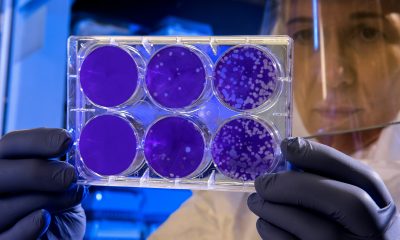




A new database on chronic urinary tract infections aims to help explain why millions of women and girls worldwide develop persistent infections that can defy treatment.
A growing body of research suggests persistent, antibiotic-resistant UTIs may be caused by bacteria that embed deep within the bladder wall, potentially evading both the immune system and conventional treatments.
This phenomenon, known as intracellular bacterial colonisation, means bacteria live inside cells rather than on their surface.

While it is not new, a medical case study of a child with chronic infections, led by University of Sydney researchers, suggests its long-term impact may be underestimated.
The case study found no antibiotic regimen, including aggressive long-term courses, could eliminate the infection because bacteria were embedded in the epithelium, the bladder’s inner lining.
Samples showed no improvement despite years of treatment, raising concerns about current approaches, which remain limited to antibiotic therapy and diathermy, a surgical technique using heat from an electrical current to cut or coagulate the bladder lining, and which carries an increased risk of cancer development if performed repeatedly.
Lead researcher Dr Arthika Manoharan, from the Charles Perkins Centre and the School of Medical Sciences, said some girls as young as five are treated with antibiotics for years, often relapsing as soon as treatment stops.
As a result of the published case study, children under 15 will be the focus of the new database built by Dr Manoharan, which aims to understand why some people develop chronic UTIs.
She said she hopes it will help remove the long-held assumption that UTIs are linked to sexual activity.
She said: “Often people think of UTIs only affecting adult women who are sexually active, which is not the case.
“There are many cases where this issue starts in childhood, with no clear cause.
“This can have a huge impact to their quality of life at a time when they should be enjoying school, playing sports and simply being kids.
“The longer consequences of persistent UTIs can be severe.
“Some women see their employment affected due to chronic incontinence; others are unable to maintain a sexual relationship.
“Many echo the same sentiment: One minute you’re fine, the next you’re in agony and can’t leave the house.”
The research team said it hopes the database will help explore whether immune system evasion or genetic predisposition could explain why some children develop chronic UTIs while others do not.
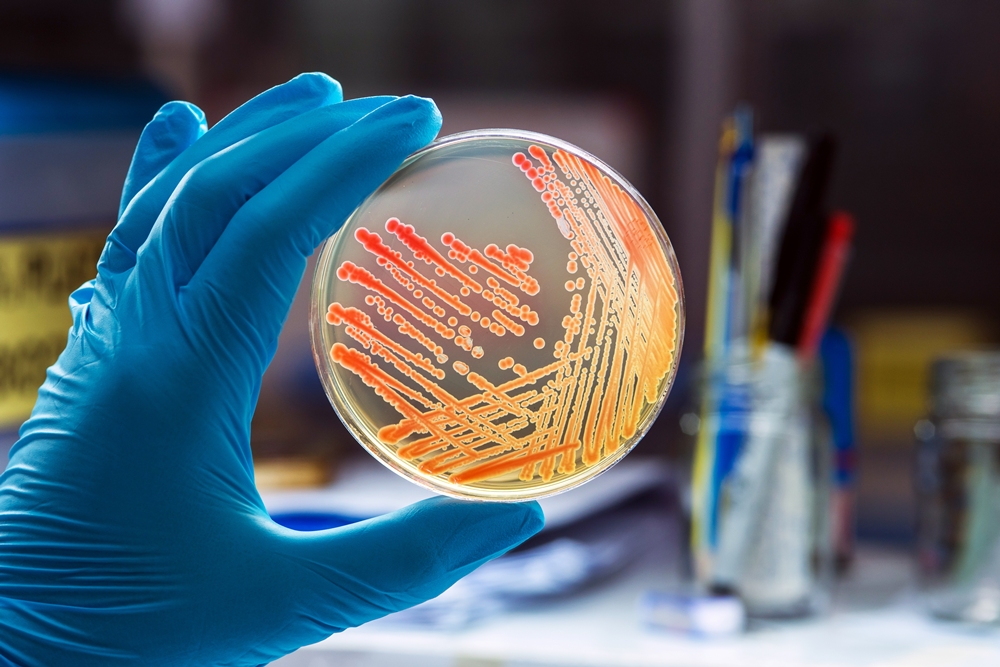
ShanX Medtech, a female-led AMR diagnostics startup, has secured €24m to scale its rapid antimicrobial susceptibility testing (AST) technology.
The Eindhoven-based company has closed a €15m seed round and been awarded an €8.85m European Commission contract developed by the Health Emergency Preparedness and Response Authority in collaboration with the European Health and Digital Executive Agency.
Founded in 2019, ShanX Medtech develops in-vitro diagnostic solutions for antimicrobial susceptibility testing, which determines which antibiotics will work against a specific infection.

The company says its technology can deliver results within an hour, compared to current methods which take longer.
The platform uses proprietary chemistry called FLORA to monitor pathogen metabolism in real time. According to the company, this requires limited user involvement and offers an improvement over approaches that need trained expertise.
Dr Sophia E. Shanko, founder and chief executive of ShanX Medtech, said: “We founded ShanX Medtech because of a single patient story, one that revealed how much is at stake when diagnostic results arrive too late.”
“Our vision is to equip every clinician with the ability to act decisively, guided by diagnostic evidence in real-time.
“This funding brings us significantly closer to delivering ultra-rapid AST directly to both laboratory and point-of-care environments; faster, simpler, and more accessible than ever before.”
The company’s initial market focus is on urinary tract infections, a common women’s health application, though the underlying platform has potential across wider clinical uses.
The oversubscribed seed round includes equity, grants and the Innovatiekrediet. The equity investment was led by Borski Fund, NextGen Ventures, CbusineZ, Brabantse Ontwikkelings Maatschappij, Invest-NL and a strategic angel fund.
Simone Brummelhuis, partner at Borski Fund, said: “Following an extensive market analysis of innovations addressing antimicrobial resistance, ShanX’s technology clearly emerged as best-in-class.
“While the company’s initial go-to-market strategy focuses on a well-defined women’s health application in urinary tract infections, the underlying platform offers substantial potential across a wide range of clinical indications.
“We are proud to support Sophia and her exceptional team in realising their ambitious vision.
“The oversubscribed financing round, together with multiple multi-million-euro commercial contracts, underscores both the strength of the technology and the founder’s proven commercial execution.”


By FinDBest IVF
The year 2025 will be remembered as a pivotal moment in reproductive medicine—a year when artificial intelligence moved from proof-of-concept to regulatory approval, when automation transformed from aspiration to clinical reality, and when genomic technologies began delivering on their promise of precision fertility care.
At FinDBest IVF, we’ve tracked these developments week by week through our Monday’s 5 news series, and as the year draws to a close, we’re taking stock of the innovations that defined 2025 and will shape the future of IVF/ART.
This review highlights the year’s most significant advancements across six key domains: AI-powered embryo selection, automation & robotics, male infertility solutions, non-invasive diagnostics & precision medicine, regulatory & industry milestones, and emerging research & clinical innovation.
Each represents not just technological progress, but tangible improvements in clinical outcomes, patient experience, and global access to fertility care.
- AI-Powered Embryo Selection: From Algorithms to Approvals
The Regulatory Breakthrough
2025 marked the transition of AI-powered embryo selection from research tool to clinically validated medical device.
The most significant milestone came in October when Alife Health, led by CEO Melissa Terán alongside Paxton Maeder-York and Dr. Emre Seli, received CE Mark approval under the EU Medical Device Regulation (MDR) for its Embryo Predict™ system.
This represented the first time an AI-based embryo selection platform achieved the stringent requirements of post-2021 European regulation, setting a new benchmark for transparency, clinical validation, and real-world performance.
The deep learning model, trained on thousands of time-lapse embryo videos, predicts implantation potential with precision that potentially reduces time to pregnancy and minimises failed transfers.
Federated Learning: Privacy Meets Performance
A groundbreaking study published in Nature Communications Medicine introduced federated task-adaptive learning for personalized embryo selection.
Led by Prof. Guangyu Wang, this approach allows AI models to learn across multiple IVF centers without centralising patient data—addressing one of the field’s most critical challenges: privacy-preserving collaboration.
The technology keeps data at individual clinics while building superior prediction models, achieving better live-birth prediction compared to centralised approaches while maintaining built-in data protection.
Metabolic Imaging: The Next Frontier
While morphology-based AI dominated headlines, Lumiris Technologies’ Metaphor™ system introduced a paradigm shift: using AI-driven hyperspectral imaging to assess embryo metabolic stress.
Unlike traditional time-lapse systems that evaluate visual development, Metaphor analyzes the metabolic “fingerprint” of embryos through hyperspectral microscopy combined with AI, offering insights into cellular health that are invisible to the human eye.
This metabolic stress assessment potentially identifies embryos with better implantation potential beyond what visual assessment can detect.
- Automation & Robotics: The Smart Lab Revolution
World’s First Robot-Born Babies
August 2025 brought a watershed moment: the birth of the world’s first babies conceived through AI-powered, robot-controlled IVF.
Columbia University Fertility Center, working with Conceivable Life Sciences under the leadership of Dr Zev Williams, CEO Alan Murray, and Chief Knowledge Officer Dr Stephanie Kuku, successfully delivered 19 healthy infants using an autonomous system that handled sperm selection, fertilization, and embryo culture with minimal human intervention.
The AI-driven robotic platform manages the full IVF workflow from sperm analysis to embryo culture, demonstrating that automated reproductive medicine can deliver clinical outcomes that match or exceed traditional approaches.
The 19 healthy live births validate that automation reduces variability, increases efficiency, and potentially democratizes access to expert-level IVF care.
Overture Life: Automation Reaches Critical Mass
Overture Life, founded by Martin Varsavsky and led by CEO Hans Gangeskar with scientific direction from Santiago Munné and contributions from Dr José A. Horcajadas, emerged as 2025’s automation leader.
The company’s DaVitri platform—the world’s first microfluidics-based automated vitrification system—launched European preorder waitlist in September and opened a Dallas clinical lab and robotics HQ in October.
DaVitri standardizes vitrification protocols for embryos and oocytes, reducing operator dependency and improving reproducibility across IVF labs.
Beyond DaVitri, Overture Life continues developing an integrated suite including automated sperm selection and ICSI modules toward a fully integrated smart lab.
AutoIVF Secures Major Investment
Vitrolife’s investment in AutoIVF signaled mainstream industry validation of automation technologies, positioning the Swedish giant to integrate automated solutions across its global distribution network.
The investment accelerates commercialization of AutoIVF’s automation platform, which enhances consistency and affordability while reducing outcome variability—making IVF more cost-accessible without sacrificing quality.
- Male Infertility: AI, Robotics & Precision Selection
AI Rescues 18-Year Infertility Journey
One of 2025’s most compelling stories came from Columbia University, where Dr Zev Williams and his team used the STAR system (Sperm Tracking and Recovery) to help a couple achieve pregnancy after 18 years of trying.
The AI identified 44 viable sperm in under 2 hours from an azoospermic sample—sperm that conventional methods had missed.
This technology transforms outcomes for severe male factor infertility by detecting sperm conventional analysis overlooks, developed over five years to address one of fertility’s most challenging clinical scenarios.
T’easy: AI Meets Testicular Biopsy
UZ Brussel introduced “T’easy,” an AI-powered system that detects sperm in testicular biopsies within minutes, dramatically reducing the time required for male infertility diagnosis and improving success rates in testicular sperm extraction procedures.
The real-time AI analysis of testicular biopsy samples completes in minutes instead of hours, improving TESE success rates while reducing patient time under anesthesia—a practical efficiency gain that directly benefits patient comfort and clinical workflow.
Research Debunks Antioxidant Myth
A major randomised clinical trial published in JAMA Network delivered important negative findings: antioxidant supplements (Impryl®) showed no benefit for male fertility in IVF cycles.
Led by researchers Wiep de Ligny and Jan-Peter de Bruin, the SUMMER trial found no statistically significant improvement in pregnancy or live birth rates, challenging widespread clinical practice and emphasising the need for evidence-based approaches over routine supplement prescription.
- Non-Invasive Diagnostics & Precision Medicine
First-Ever Footage of Human Embryo Implantation
Scientists achieved a historic first in August 2025: capturing real-time 3D video of a human embryo implanting in the uterus.
Published in The Guardian and detailed in Human Reproduction by Oxford University Press, this groundbreaking imaging revealed the embryo’s active, invasive role in implantation—offering unprecedented insights into one of reproduction’s most critical yet mysterious processes.
The advanced 3D imaging technology captured embryo-endometrial interaction dynamics that may inform new interventions to improve implantation rates.
Optical Genome Mapping for Pregnancy Loss
Optical Genome Mapping (OGM) emerged as a superior alternative to traditional cytogenetic methods for diagnosing chromosomal causes of recurrent pregnancy loss.
Highlighted in Contemporary OB/GYN, this high-resolution genome mapping technology detects structural chromosomal variants faster and with more detail than karyotyping or chromosomal microarray.
OGM outperforms traditional cytogenetics in identifying miscarriage-related genetic abnormalities, accelerating diagnosis in recurrent pregnancy loss cases and enabling earlier targeted interventions.
Spent Culture Media: The Non-Invasive Biomarker
A comprehensive review of 49 studies, published in EMJ Reproductive Health, highlighted spent embryo culture media as a promising source of non-invasive biomarkers for embryo viability.
Metabolomic analysis of culture media—examining glucose, amino acids, fatty acids, and other metabolites—offers embryo assessment without biopsy.
While the review emphasizes the need for unified methodologies to advance clinical application, the approach could reduce reliance on invasive PGT-A while providing complementary embryo viability insights.
- Regulatory & Industry Milestones
Australia Calls for National ART Regulation
A coalition of Australian researchers and legal experts issued a landmark call for national IVF/ART regulatory reform, recommending establishment of an independent commission, harmonised accreditation standards, and unified governance across fertility clinics.
The review, detailed in the Surrogacy & Fertility Bulletin by Sarah Jefford, highlighted system fragmentation as a key barrier to quality and safety.
The proposal reflects a global trend toward strengthened fertility clinic governance, addressing inconsistencies that currently exist across state-level regulation.
Monash IVF Leadership Transition
Monash IVF appointed Dr Victoria Atkinson, currently CMO at Healthscope, as its next MD & CEO effective May 2026.
The appointment reinforces Monash IVF’s commitment to clinical governance and patient-safety-led transformation as the group enters a new operational phase focused on quality outcomes and systematic improvement.
ASRM Framework for Embryo Testing Innovation
The American Society for Reproductive Medicine (ASRM) published a comprehensive framework in Fertility & Sterility outlining a staged pathway for embryo testing technologies from early innovation to validated clinical practice.
The framework emphasises evidence strength, reproducibility, and patient-centered outcomes—providing critical guidance for labs, regulators, and device manufacturers navigating the journey from innovation to clinical deployment.
Global Regulatory Tightening: MDR, FDA, NMPA
FinDBest IVF partnered with Femtech World to publish a comprehensive analysis of global regulatory shifts affecting IVF innovation in 2025.
The review examined how device and diagnostic regulation is tightening across major markets.
In the EU, MDR is in full effect with IVF consumables now classified as Class IIb or III, requiring stricter UDI compliance and post-market surveillance.
The FDA has increased scrutiny of AI/ML-based devices with updated premarket pathways. China’s NMPA now requires UDI cloud integration and cybersecurity risk reports for connected IVF devices.
These changes mean approval timelines have extended 6-12 months with significantly increased documentation requirements, affecting every manufacturer seeking global market access.
Professional Development & Industry Recognition
The ASRM Society of Reproductive Biologists & Technologists (SRBT) launched the Nexpring Health Diarmaid Douglas-Hamilton Memorial Scholarship, honouring a legendary figure in ART and supporting the next generation of embryologists and lab technicians.
The scholarship expands access to advanced reproductive technology education, ensuring continued innovation through professional development of emerging ART leaders.
- Emerging Research & Clinical Innovation
Organoids: Mini Placentas & Ovaries
Dr. Margherita Turco’s pioneering work with lab-grown reproductive tissues—including “mini placentas” and ovarian organoids—is reshaping fertility research.
Featured in Nature, these patient-derived cells grown into 3D placental and ovarian tissue models enable unprecedented study of implantation biology and early ovarian development.
The 3D cellular models allow research into implantation and ovarian biology previously impossible with traditional 2D cultures, potentially revealing new therapeutic targets for implantation failure and ovarian disorders.
Mitochondrial Replacement: Three-Person IVF
Research published in Science Daily reported successful live births using mitochondrial donation techniques (three-person IVF), preventing transmission of mitochondrial disorders.
The technology replaces mother’s mitochondria in eggs with healthy donor mitochondria, offering a reproductive option for women carrying mitochondrial disorders.
Early monitoring showed no adverse effects in infants, though long-term studies continue to track outcomes.
Polygenic Embryo Screening: The Ethical Frontier
Orchid’s embryo screening services gained attention—and ethical scrutiny—for offering polygenic risk score analysis for traits including IQ, heart disease risk, and longevity.
The Washington Post reported that high-profile individuals including Elon Musk are using the technology, raising significant bioethical concerns about embryo selection beyond medical disease prevention.
The multi-gene risk scoring for complex traits extends embryo screening from single-gene disorders to polygenic conditions, sparking urgent questions about trait selection, equity, and societal implications.
Cloud-Based EMR Revolution
eIVF, led by CEO Nimesh Shah, launched CloudFlex, a HIPAA-compliant cloud-based electronic medical record solution that eliminates onsite servers and large upfront investments.
The platform integrates EMR software with infrastructure management into a single hosted solution, reducing capital investment and IT maintenance burden for clinics while ensuring data security—accelerating digital transformation particularly for smaller fertility practices.
Next-Generation FSH Development
Granata Bio and Georgetown Equity Partners announced a joint venture to develop next-generation recombinant follicle-stimulating hormone (FSH) formulations.
Led by Ali Hussein, Mark De Ridder, CEO Evan Sussman, Dr. William Schoolcraft, and researcher Dr T. Rajendra Kumar, the initiative aims to improve ovarian stimulation efficiency and affordability across IVF protocols through novel recombinant FSH with improved pharmacokinetics.
Validating AI: Clinical Variables and Morphokinetics
A significant study in Reproductive BioMedicine Online examined how clinical variables affect embryo morphokinetics and AI quality scoring.
The research, led by Jorge Ten and colleagues including M. Carmen Tio, Pedro Pini, Andrea Bernabeu, Rafael Bernabeu, and Klaus Wiemer at Instituto Bernabeu, provides critical insights into factors that influence AI-based embryo assessment systems.
The analysis helps embryologists understand when AI predictions may need clinical context adjustment, informing appropriate use and interpretation of AI embryo selection tools.
Predicting Oocyte Retrieval Outcomes
Research by Julia K Bosdou, Christos A Venetis, Leonidas Zepiridis, Katerina Chatzimeletiou, Grigorios Grimbizis, and Efstratios M Kolibianakis investigated whether minimum oocyte yield could be estimated from follicle diameter on trigger day.
The cohort study, published in Reproductive BioMedicine Online, provides practical insights for clinicians counseling patients on expected outcomes, helping set realistic expectations and optimize trigger timing.
Looking Forward: Implications for 2026
As we move into 2026, several clear trends emerge from 2025’s innovations.
Regulatory maturity means the AI and automation technologies that struggled for regulatory approval in previous years have now successfully navigated MDR, FDA, and other frameworks.
This regulatory maturity will accelerate commercial deployment and clinical integration, making 2026 the year these technologies move from early adopters to mainstream practice.
Automation as standard of care is no longer aspirational.
With 19 healthy robot-IVF babies born and major platforms like Overture Life’s DaVitri reaching commercialisation, automation is transitioning from experimental to standard practice, particularly for high-volume processes like vitrification and sperm selection.
Privacy-preserving AI addresses one of the field’s most significant barriers through federated learning and other privacy-preserving techniques.
These approaches enable multi-center collaboration without centralizing sensitive patient data, solving both technical and regulatory challenges.
Evidence-based medicine remains essential.
Negative findings like the SUMMER trial’s antioxidant results remind us that rigorous clinical trials are critical, even for widely adopted practices. The field continues maturing through careful validation rather than assumption.
Ethical frameworks become urgent as technologies like polygenic screening demand development of ethical guidelines, professional standards, and potentially regulatory guardrails to ensure responsible innovation.
The industry must proactively address these questions rather than reacting to public concern.
Conclusion
2025 will be remembered as the year IVF innovation achieved critical mass—when AI earned regulatory approval, when robots assisted in live births, when non-invasive diagnostics began replacing invasive procedures, and when automation moved from aspiration to commercial reality.
But perhaps most importantly, 2025 demonstrated that technological innovation alone is insufficient.
Success requires regulatory navigation, clinical validation, ethical frameworks, and—crucially—the distribution partnerships that transform laboratory breakthroughs into global patient access.
At FinDBest IVF, we’re proud to have chronicled these innovations through our Monday’s 5 series throughout 2025, and we’re committed to connecting the innovators shaping reproductive medicine with the global network that will bring their solutions to the patients who need them.
The future of family building is being written today. Join us in making it accessible to all.
About FinDBest IVF
FinDBest IVF is the leading B2B marketplace connecting IVF medical device manufacturers with vetted distributors and market expansion service providers worldwide.
Our platform serves manufacturers, distributors, and fertility clinics across 150+ countries, facilitating partnerships that accelerate innovation and improve patient outcomes globally.
Follow our Monday’s 5 news series: https://findbestivf.com/ivf-market_news/
Connect on LinkedIn: https://www.linkedin.com/company/findbest-ivf/
#IVFInnovation #FertilityTech #ART #ReproductiveMedicine #MedTech #FemTech #AIinHealthcare #Automation #Robotics #2025Review #FindBestIVF










-

 Features4 weeks ago
Cannabis compounds kill ovarian cancer without harming healthy cells, research finds
-

 Mental health4 weeks ago
Meta removes dozens of abortion advice and queer advocacy accounts
-

 Fertility4 days ago
2025: The year IVF innovation went from lab to life
-

 Insight3 weeks ago
Can biotech help close the fertility gap? Inside the race to improve egg quality
-

 Features4 weeks ago
University of Leeds IVF spinout raises £3.5m
-

 Insight3 weeks ago
AI-driven digital tool delivers sustained blood pressure reductions, study finds
-

 Insight4 weeks ago
Menopausal hormone therapy may not increase breast cancer risk in women with BRCA mutations
-

 News3 weeks ago
AHA invests in AI aimed at cardiology’s gender bias problem
3 Comments