




Insight
2025: The year IVF innovation went from lab to life


By FinDBest IVF
The year 2025 will be remembered as a pivotal moment in reproductive medicine—a year when artificial intelligence moved from proof-of-concept to regulatory approval, when automation transformed from aspiration to clinical reality, and when genomic technologies began delivering on their promise of precision fertility care.
At FinDBest IVF, we’ve tracked these developments week by week through our Monday’s 5 news series, and as the year draws to a close, we’re taking stock of the innovations that defined 2025 and will shape the future of IVF/ART.
This review highlights the year’s most significant advancements across six key domains: AI-powered embryo selection, automation & robotics, male infertility solutions, non-invasive diagnostics & precision medicine, regulatory & industry milestones, and emerging research & clinical innovation.
Each represents not just technological progress, but tangible improvements in clinical outcomes, patient experience, and global access to fertility care.
- AI-Powered Embryo Selection: From Algorithms to Approvals
The Regulatory Breakthrough
2025 marked the transition of AI-powered embryo selection from research tool to clinically validated medical device.
The most significant milestone came in October when Alife Health, led by CEO Melissa Terán alongside Paxton Maeder-York and Dr. Emre Seli, received CE Mark approval under the EU Medical Device Regulation (MDR) for its Embryo Predict™ system.
This represented the first time an AI-based embryo selection platform achieved the stringent requirements of post-2021 European regulation, setting a new benchmark for transparency, clinical validation, and real-world performance.
The deep learning model, trained on thousands of time-lapse embryo videos, predicts implantation potential with precision that potentially reduces time to pregnancy and minimises failed transfers.
Federated Learning: Privacy Meets Performance
A groundbreaking study published in Nature Communications Medicine introduced federated task-adaptive learning for personalized embryo selection.
Led by Prof. Guangyu Wang, this approach allows AI models to learn across multiple IVF centers without centralising patient data—addressing one of the field’s most critical challenges: privacy-preserving collaboration.
The technology keeps data at individual clinics while building superior prediction models, achieving better live-birth prediction compared to centralised approaches while maintaining built-in data protection.
Metabolic Imaging: The Next Frontier
While morphology-based AI dominated headlines, Lumiris Technologies’ Metaphor™ system introduced a paradigm shift: using AI-driven hyperspectral imaging to assess embryo metabolic stress.
Unlike traditional time-lapse systems that evaluate visual development, Metaphor analyzes the metabolic “fingerprint” of embryos through hyperspectral microscopy combined with AI, offering insights into cellular health that are invisible to the human eye.
This metabolic stress assessment potentially identifies embryos with better implantation potential beyond what visual assessment can detect.
- Automation & Robotics: The Smart Lab Revolution
World’s First Robot-Born Babies
August 2025 brought a watershed moment: the birth of the world’s first babies conceived through AI-powered, robot-controlled IVF.
Columbia University Fertility Center, working with Conceivable Life Sciences under the leadership of Dr Zev Williams, CEO Alan Murray, and Chief Knowledge Officer Dr Stephanie Kuku, successfully delivered 19 healthy infants using an autonomous system that handled sperm selection, fertilization, and embryo culture with minimal human intervention.
The AI-driven robotic platform manages the full IVF workflow from sperm analysis to embryo culture, demonstrating that automated reproductive medicine can deliver clinical outcomes that match or exceed traditional approaches.
The 19 healthy live births validate that automation reduces variability, increases efficiency, and potentially democratizes access to expert-level IVF care.
Overture Life: Automation Reaches Critical Mass
Overture Life, founded by Martin Varsavsky and led by CEO Hans Gangeskar with scientific direction from Santiago Munné and contributions from Dr José A. Horcajadas, emerged as 2025’s automation leader.
The company’s DaVitri platform—the world’s first microfluidics-based automated vitrification system—launched European preorder waitlist in September and opened a Dallas clinical lab and robotics HQ in October.
DaVitri standardizes vitrification protocols for embryos and oocytes, reducing operator dependency and improving reproducibility across IVF labs.
Beyond DaVitri, Overture Life continues developing an integrated suite including automated sperm selection and ICSI modules toward a fully integrated smart lab.
AutoIVF Secures Major Investment
Vitrolife’s investment in AutoIVF signaled mainstream industry validation of automation technologies, positioning the Swedish giant to integrate automated solutions across its global distribution network.
The investment accelerates commercialization of AutoIVF’s automation platform, which enhances consistency and affordability while reducing outcome variability—making IVF more cost-accessible without sacrificing quality.
- Male Infertility: AI, Robotics & Precision Selection
AI Rescues 18-Year Infertility Journey
One of 2025’s most compelling stories came from Columbia University, where Dr Zev Williams and his team used the STAR system (Sperm Tracking and Recovery) to help a couple achieve pregnancy after 18 years of trying.
The AI identified 44 viable sperm in under 2 hours from an azoospermic sample—sperm that conventional methods had missed.
This technology transforms outcomes for severe male factor infertility by detecting sperm conventional analysis overlooks, developed over five years to address one of fertility’s most challenging clinical scenarios.
T’easy: AI Meets Testicular Biopsy
UZ Brussel introduced “T’easy,” an AI-powered system that detects sperm in testicular biopsies within minutes, dramatically reducing the time required for male infertility diagnosis and improving success rates in testicular sperm extraction procedures.
The real-time AI analysis of testicular biopsy samples completes in minutes instead of hours, improving TESE success rates while reducing patient time under anesthesia—a practical efficiency gain that directly benefits patient comfort and clinical workflow.
Research Debunks Antioxidant Myth
A major randomised clinical trial published in JAMA Network delivered important negative findings: antioxidant supplements (Impryl®) showed no benefit for male fertility in IVF cycles.
Led by researchers Wiep de Ligny and Jan-Peter de Bruin, the SUMMER trial found no statistically significant improvement in pregnancy or live birth rates, challenging widespread clinical practice and emphasising the need for evidence-based approaches over routine supplement prescription.
- Non-Invasive Diagnostics & Precision Medicine
First-Ever Footage of Human Embryo Implantation
Scientists achieved a historic first in August 2025: capturing real-time 3D video of a human embryo implanting in the uterus.
Published in The Guardian and detailed in Human Reproduction by Oxford University Press, this groundbreaking imaging revealed the embryo’s active, invasive role in implantation—offering unprecedented insights into one of reproduction’s most critical yet mysterious processes.
The advanced 3D imaging technology captured embryo-endometrial interaction dynamics that may inform new interventions to improve implantation rates.
Optical Genome Mapping for Pregnancy Loss
Optical Genome Mapping (OGM) emerged as a superior alternative to traditional cytogenetic methods for diagnosing chromosomal causes of recurrent pregnancy loss.
Highlighted in Contemporary OB/GYN, this high-resolution genome mapping technology detects structural chromosomal variants faster and with more detail than karyotyping or chromosomal microarray.
OGM outperforms traditional cytogenetics in identifying miscarriage-related genetic abnormalities, accelerating diagnosis in recurrent pregnancy loss cases and enabling earlier targeted interventions.
Spent Culture Media: The Non-Invasive Biomarker
A comprehensive review of 49 studies, published in EMJ Reproductive Health, highlighted spent embryo culture media as a promising source of non-invasive biomarkers for embryo viability.
Metabolomic analysis of culture media—examining glucose, amino acids, fatty acids, and other metabolites—offers embryo assessment without biopsy.
While the review emphasizes the need for unified methodologies to advance clinical application, the approach could reduce reliance on invasive PGT-A while providing complementary embryo viability insights.
- Regulatory & Industry Milestones
Australia Calls for National ART Regulation
A coalition of Australian researchers and legal experts issued a landmark call for national IVF/ART regulatory reform, recommending establishment of an independent commission, harmonised accreditation standards, and unified governance across fertility clinics.
The review, detailed in the Surrogacy & Fertility Bulletin by Sarah Jefford, highlighted system fragmentation as a key barrier to quality and safety.
The proposal reflects a global trend toward strengthened fertility clinic governance, addressing inconsistencies that currently exist across state-level regulation.
Monash IVF Leadership Transition
Monash IVF appointed Dr Victoria Atkinson, currently CMO at Healthscope, as its next MD & CEO effective May 2026.
The appointment reinforces Monash IVF’s commitment to clinical governance and patient-safety-led transformation as the group enters a new operational phase focused on quality outcomes and systematic improvement.
ASRM Framework for Embryo Testing Innovation
The American Society for Reproductive Medicine (ASRM) published a comprehensive framework in Fertility & Sterility outlining a staged pathway for embryo testing technologies from early innovation to validated clinical practice.
The framework emphasises evidence strength, reproducibility, and patient-centered outcomes—providing critical guidance for labs, regulators, and device manufacturers navigating the journey from innovation to clinical deployment.
Global Regulatory Tightening: MDR, FDA, NMPA
FinDBest IVF partnered with Femtech World to publish a comprehensive analysis of global regulatory shifts affecting IVF innovation in 2025.
The review examined how device and diagnostic regulation is tightening across major markets.
In the EU, MDR is in full effect with IVF consumables now classified as Class IIb or III, requiring stricter UDI compliance and post-market surveillance.
The FDA has increased scrutiny of AI/ML-based devices with updated premarket pathways. China’s NMPA now requires UDI cloud integration and cybersecurity risk reports for connected IVF devices.
These changes mean approval timelines have extended 6-12 months with significantly increased documentation requirements, affecting every manufacturer seeking global market access.
Professional Development & Industry Recognition
The ASRM Society of Reproductive Biologists & Technologists (SRBT) launched the Nexpring Health Diarmaid Douglas-Hamilton Memorial Scholarship, honouring a legendary figure in ART and supporting the next generation of embryologists and lab technicians.
The scholarship expands access to advanced reproductive technology education, ensuring continued innovation through professional development of emerging ART leaders.
- Emerging Research & Clinical Innovation
Organoids: Mini Placentas & Ovaries
Dr. Margherita Turco’s pioneering work with lab-grown reproductive tissues—including “mini placentas” and ovarian organoids—is reshaping fertility research.
Featured in Nature, these patient-derived cells grown into 3D placental and ovarian tissue models enable unprecedented study of implantation biology and early ovarian development.
The 3D cellular models allow research into implantation and ovarian biology previously impossible with traditional 2D cultures, potentially revealing new therapeutic targets for implantation failure and ovarian disorders.
Mitochondrial Replacement: Three-Person IVF
Research published in Science Daily reported successful live births using mitochondrial donation techniques (three-person IVF), preventing transmission of mitochondrial disorders.
The technology replaces mother’s mitochondria in eggs with healthy donor mitochondria, offering a reproductive option for women carrying mitochondrial disorders.
Early monitoring showed no adverse effects in infants, though long-term studies continue to track outcomes.
Polygenic Embryo Screening: The Ethical Frontier
Orchid’s embryo screening services gained attention—and ethical scrutiny—for offering polygenic risk score analysis for traits including IQ, heart disease risk, and longevity.
The Washington Post reported that high-profile individuals including Elon Musk are using the technology, raising significant bioethical concerns about embryo selection beyond medical disease prevention.
The multi-gene risk scoring for complex traits extends embryo screening from single-gene disorders to polygenic conditions, sparking urgent questions about trait selection, equity, and societal implications.
Cloud-Based EMR Revolution
eIVF, led by CEO Nimesh Shah, launched CloudFlex, a HIPAA-compliant cloud-based electronic medical record solution that eliminates onsite servers and large upfront investments.
The platform integrates EMR software with infrastructure management into a single hosted solution, reducing capital investment and IT maintenance burden for clinics while ensuring data security—accelerating digital transformation particularly for smaller fertility practices.
Next-Generation FSH Development
Granata Bio and Georgetown Equity Partners announced a joint venture to develop next-generation recombinant follicle-stimulating hormone (FSH) formulations.
Led by Ali Hussein, Mark De Ridder, CEO Evan Sussman, Dr. William Schoolcraft, and researcher Dr T. Rajendra Kumar, the initiative aims to improve ovarian stimulation efficiency and affordability across IVF protocols through novel recombinant FSH with improved pharmacokinetics.
Validating AI: Clinical Variables and Morphokinetics
A significant study in Reproductive BioMedicine Online examined how clinical variables affect embryo morphokinetics and AI quality scoring.
The research, led by Jorge Ten and colleagues including M. Carmen Tio, Pedro Pini, Andrea Bernabeu, Rafael Bernabeu, and Klaus Wiemer at Instituto Bernabeu, provides critical insights into factors that influence AI-based embryo assessment systems.
The analysis helps embryologists understand when AI predictions may need clinical context adjustment, informing appropriate use and interpretation of AI embryo selection tools.
Predicting Oocyte Retrieval Outcomes
Research by Julia K Bosdou, Christos A Venetis, Leonidas Zepiridis, Katerina Chatzimeletiou, Grigorios Grimbizis, and Efstratios M Kolibianakis investigated whether minimum oocyte yield could be estimated from follicle diameter on trigger day.
The cohort study, published in Reproductive BioMedicine Online, provides practical insights for clinicians counseling patients on expected outcomes, helping set realistic expectations and optimize trigger timing.
Looking Forward: Implications for 2026
As we move into 2026, several clear trends emerge from 2025’s innovations.
Regulatory maturity means the AI and automation technologies that struggled for regulatory approval in previous years have now successfully navigated MDR, FDA, and other frameworks.
This regulatory maturity will accelerate commercial deployment and clinical integration, making 2026 the year these technologies move from early adopters to mainstream practice.
Automation as standard of care is no longer aspirational.
With 19 healthy robot-IVF babies born and major platforms like Overture Life’s DaVitri reaching commercialisation, automation is transitioning from experimental to standard practice, particularly for high-volume processes like vitrification and sperm selection.
Privacy-preserving AI addresses one of the field’s most significant barriers through federated learning and other privacy-preserving techniques.
These approaches enable multi-center collaboration without centralizing sensitive patient data, solving both technical and regulatory challenges.
Evidence-based medicine remains essential.
Negative findings like the SUMMER trial’s antioxidant results remind us that rigorous clinical trials are critical, even for widely adopted practices. The field continues maturing through careful validation rather than assumption.
Ethical frameworks become urgent as technologies like polygenic screening demand development of ethical guidelines, professional standards, and potentially regulatory guardrails to ensure responsible innovation.
The industry must proactively address these questions rather than reacting to public concern.
Conclusion
2025 will be remembered as the year IVF innovation achieved critical mass—when AI earned regulatory approval, when robots assisted in live births, when non-invasive diagnostics began replacing invasive procedures, and when automation moved from aspiration to commercial reality.
But perhaps most importantly, 2025 demonstrated that technological innovation alone is insufficient.
Success requires regulatory navigation, clinical validation, ethical frameworks, and—crucially—the distribution partnerships that transform laboratory breakthroughs into global patient access.
At FinDBest IVF, we’re proud to have chronicled these innovations through our Monday’s 5 series throughout 2025, and we’re committed to connecting the innovators shaping reproductive medicine with the global network that will bring their solutions to the patients who need them.
The future of family building is being written today. Join us in making it accessible to all.
About FinDBest IVF
FinDBest IVF is the leading B2B marketplace connecting IVF medical device manufacturers with vetted distributors and market expansion service providers worldwide.
Our platform serves manufacturers, distributors, and fertility clinics across 150+ countries, facilitating partnerships that accelerate innovation and improve patient outcomes globally.
Follow our Monday’s 5 news series: https://findbestivf.com/ivf-market_news/
Connect on LinkedIn: https://www.linkedin.com/company/findbest-ivf/
#IVFInnovation #FertilityTech #ART #ReproductiveMedicine #MedTech #FemTech #AIinHealthcare #Automation #Robotics #2025Review #FindBestIVF















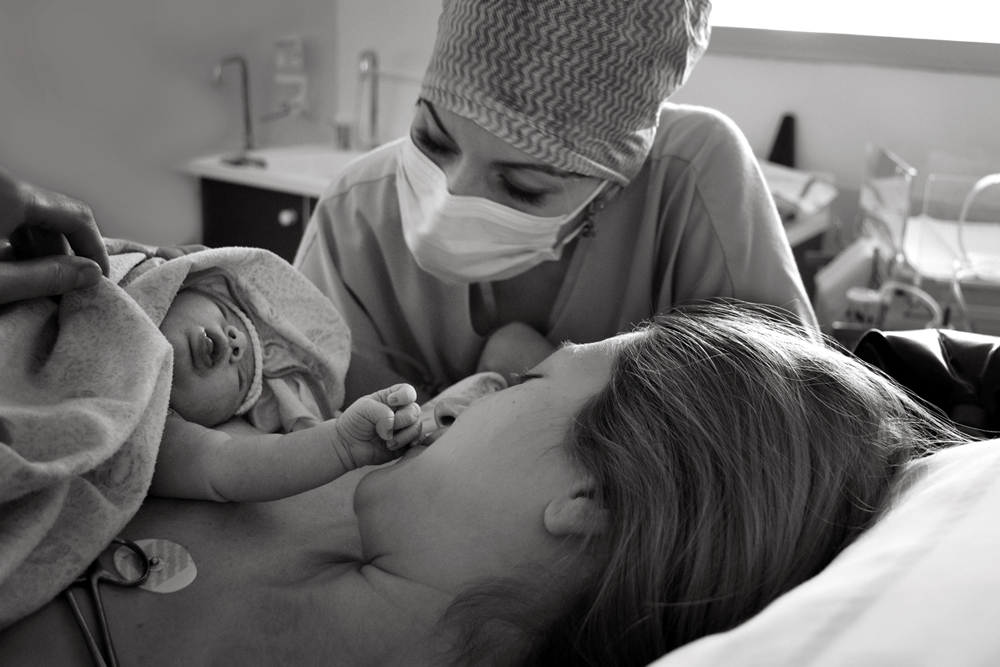
Women with childbirth-related PTSD had healthcare costs 2.5 times higher than women without PTSD from six to 12 months after birth, a report found.
The analysis estimated that early prevention of traumatic births and childbirth-related post-traumatic stress disorder (PTSD) could save the NHS around £26m each year.
Women with PTSD were also less likely to have returned to work by 12 months after giving birth, suggesting potential longer-term employment and economic effects.

The report from City St George’s, University of London was launched at an All-Party Parliamentary Group (APPG) on Birth Trauma event on 10 September 2026.
Researchers calculated the potential NHS savings using the number of births reported in NHS hospitals in 2024-25 and the UK prevalence of childbirth-related PTSD.
Around one in 20 women in the UK develop PTSD following childbirth, while recent research has shown that the condition remains underdiagnosed.
The findings draw on research that tracked more than 2,000 women in England and Scotland from pregnancy to two years after birth. Researchers assessed mental health, use of health services and employment outcomes.
The research included assessments of childbirth-related PTSD and PTSD arising from other traumatic experiences. It also included a separate Birth Trauma Association survey examining women’s experiences of birth trauma.
Between six and 12 months after birth, healthcare and support service costs for women with childbirth-related PTSD were 2.5 times those of women without PTSD.
Women with low or moderate symptoms, including those reporting one or two PTSD symptoms, also had higher healthcare service costs than women without PTSD.
Just over half, 53 per cent, of women with PTSD had returned to work by 12 months after giving birth, compared with 68 per cent of women without symptoms.
Women with PTSD were more likely to be referred for mental health support, but more than half received no referral.
Those whose PTSD followed a traumatic birth also had slightly higher healthcare costs than women whose PTSD resulted from other traumatic experiences.
The researchers called for routine PTSD assessment and treatment during pregnancy and after childbirth, alongside greater access to specialist perinatal mental health services.
They also recommended training healthcare staff in perinatal trauma, trauma-informed care and identifying women at risk of PTSD.
The report said further research was needed to establish whether screening, treatments and trauma-informed care pathways are effective and evidence based.
The work follows the APPG’s 2024 Birth Trauma Inquiry, which highlighted the effects of birth trauma on women and families and called for evidence on its wider public health and societal costs.
The report focused primarily on healthcare use and did not attempt to calculate all costs associated with birth trauma and postnatal PTSD, including wider employment, family and societal effects.

The UK government is reviewing a surrogacy firm after complaints that medical insurance claims involving surrogates in Mexico were rejected.
The Department of Health and Social Care (DHSC) is considering whether UK-based provider My Surrogacy Journey should remain listed on gov.uk as one of four domestic surrogacy agencies available to intended parents.
The review follows allegations concerning its Mexican sister company, where surrogates are based.
Health minister Diana Johnson said: “The department is looking into the allegations about My Surrogacy Journey.
“As part of that assessment, the department will consider whether it is appropriate for that company to remain on the gov.uk list of agencies.”
Emails sent by My Surrogacy Journey chief executive Michael Johnson-Ellis and seen by the Guardian suggest multiple surrogate women in Mexico had their insurance claims rejected.
The emails also suggest 300 couples using the company were moved to a new insurance provider because of the increased risk of claims being rejected.
Commercial surrogacy is banned in the UK, where only altruistic arrangements are permitted.
My Surrogacy Journey operates a not-for-profit UK branch alongside for-profit sister companies in Mexico and the US. All three companies have the same owners and chief executives.
The reported insurance issues relate to surrogacy arrangements in Mexico.
One couple told the Guardian they paid tens of thousands of pounds to cover medical costs after their surrogate had a hysterectomy during childbirth and an insurance claim was refused.
The Guardian said it understood that at least five sets of parents said they had to cover medical costs after insurance claims were rejected.
In an email to the couple whose surrogate underwent a hysterectomy, Johnson-Ellis wrote: “We have already told you that the insurance companies have been declining some of the claims and we are actively working with the broker to get this issue resolved but you should also consider that they may not be paid out and there is nothing we are able to do to change this …
“We appreciate this is not an insignificant sum but this genuinely is out of our control.”
Johnson-Ellis also said the company had switched insurance providers, writing: “We’re also managing this for 300 other journeys, which is a complex position to be in.”
Lawyers acting for My Surrogacy Journey said the company did not comment on individual cases, but that existing insurance policies were in place and claims continued to be accepted and processed.
They said the company understood that a small number of claims had been rejected and was supporting people seeking to resolve those claims with an insurer.
Under the surrogacy arrangements, intended parents are understood to be contractually required to cover medical costs not paid by an insurer.
The couple said they had been recommended the company’s Mexico option. Its website advertises that intended parents using the route can have a baby in “under 18 months”.
They said they were told the UK route could take up to five years and that the US option was much more expensive.
Lawyers for My Surrogacy Journey said prospective parents are given information about typical timelines, costs, legal frameworks and practical considerations, and that the 18-month timeframe is indicative only.
The couple said their surrogate developed placenta accreta, a serious condition in which the placenta attaches to the wall of the uterus.
Emails from Johnson-Ellis acknowledged that the insurance provider investigated the birth after the surrogate experienced health complications.
The parents are considering legal action, while the Guardian said it understood at least four other couples were reviewing their options.
Phil Brickell, MP for Bolton West, raised concerns in parliament about a separate couple who had used My Surrogacy Journey.
He said: “Two of my constituents recently travelled to Mexico, where their children were born by surrogacy.
“Those births were facilitated by a company called My Surrogacy Journey, which is listed on gov.uk.
“While in Mexico, they had repeated traumatic experiences with the company relating to issues including insurance for their children, accusations of bullying towards staff and repeated efforts to silence any constructive criticism.
“I understand that other members of this house have received similar complaints.”
Brickell called for My Surrogacy Journey to be removed from gov.uk pending a review by the Human Fertilisation and Embryology Authority.
Lawyers acting for My Surrogacy Journey said the company was communicating with DHSC and was confident any issues could be resolved.

Targeting CD1d altered immune cells slowed tumour growth and improved immunotherapy responses in mouse models of breast cancer, researchers found.
The findings suggest blocking the molecule could make the environment around breast tumours more favourable to anti-cancer immune responses.
Further work is needed to understand how these immune changes occur and how the approach could be safely used in patients.
Researchers from King’s College London, the Francis Crick Institute and University College London investigated how immune cells inside breast tumours influence cancer growth.
They focused on myeloid cells, a group of immune cells found in large numbers within tumours that can either support an immune attack against cancer or contribute to tumour growth and immune evasion.
The team examined CD1d, a molecule found on the surface of myeloid and other immune and tissue cells that helps regulate immune responses.
When CD1d was genetically removed from cells in a mouse model of breast cancer, the mice were more resistant to tumour growth. Researchers also saw changes in myeloid cell populations, including increased activity among cells that can help attack cancer.
The team then blocked CD1d using an antibody and again observed changes in myeloid cells and slower tumour growth. Blocking CD1d also improved responses to immunotherapy in the mouse model.
Researchers used single-cell RNA sequencing, a technique that examines gene activity in individual cells, to investigate the immune changes in more detail.
They identified a population of myeloid cells called monocytes that expressed genes associated with inflammation, an important part of the immune response. These cells were particularly important in restricting tumour growth in the mouse models.
A similar pattern of gene activity was identified in data from human breast cancer tumours. Its presence in myeloid cells was associated with positive responses to immunotherapy in breast cancer patients.
However, the findings in people were based on gene expression data and did not test CD1d-targeting treatment in patients.
Professor Patricia Barral, professor of immunobiology at King’s College London and senior author of the study, said: “Many breast cancers do not respond well to current immunotherapies.
“Our findings reveal a previously unrecognised mechanism by which immune cells within tumours are regulated.
“While CD1d is best known for helping immune cells recognise lipid molecules, we found that it also plays a role in shaping the behaviour of myeloid cells within tumours.
“These findings suggest that targeting the immune cells that surround and support tumours could boost anti-cancer immunity and potentially improve treatment responses in the future.”
Researchers now plan to investigate how the immune changes occur and how they can be safely harnessed in patients.
They also want to examine whether targeting CD1d could enhance existing treatments and influence treatment responses in different cancer types.
The work was supported by UKRI BBSRC, Breast Cancer Now and the Cancer Research UK City of London Centre.









 Menopause3 days ago
Menopause may not explain rising heart condition in women – study

 Fertility1 week ago
Paracetamol use may impact future fertility, studies suggest

 Entrepreneur1 week ago
Last chance to save on Women’s Health Week and Women’s Sport Summit: Early Bird pricing ends 11 September

 Menopause2 weeks ago
Menopause hormone treatment may ease brain fog, study suggests

 Menopause1 week ago
Cancer drug could tackle osteoporosis menopause weight gain

 Insight3 days ago
Women with birth trauma face 2.5x higher healthcare costs – study

 Menopause2 weeks ago
Menopausal women posing as men to buy testosterone amid NHS access issues

 Cancer3 days ago
Study could explain why obesity is a breast cancer risk factor
2 Comments