




Insight
AI-driven digital tool delivers sustained blood pressure reductions, study finds
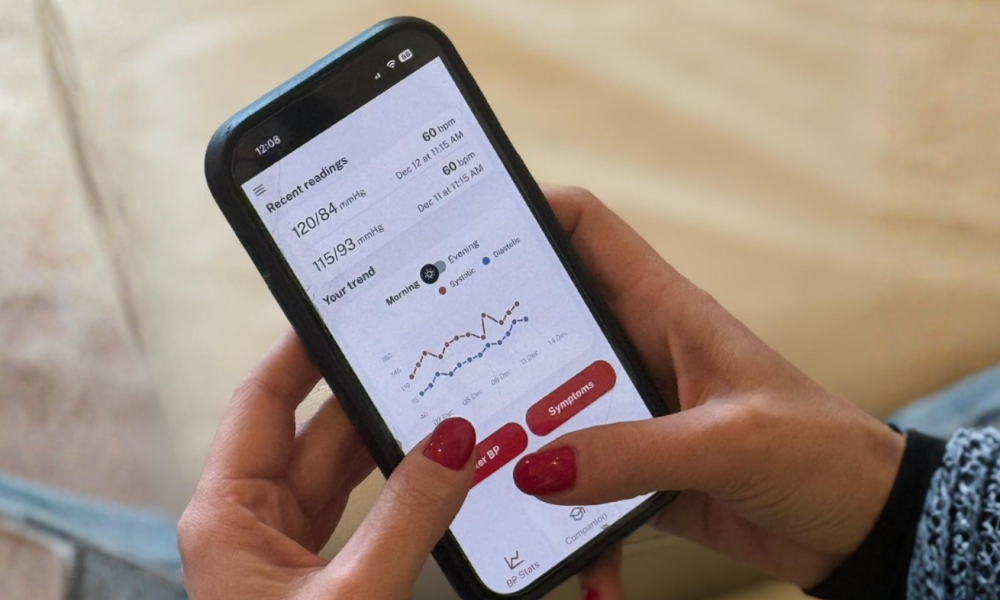
A large real-world study has found that an AI-powered digital tool developed by Megi Health can significantly reduce blood pressure over time while maintaining high long-term patient engagement – a combination that has remained a major challenge in hypertension care.
The peer-reviewed research, published in JMIR mHealth and uHealth, analysed real-world data from more than 5,000 adults using Megi’s digital blood pressure management platform as part of their everyday lives.
The results showed meaningful reductions in systolic blood pressure, with the greatest improvements seen in people who started with higher readings.

Crucially, the study found that outcomes improved the longer people stayed engaged with the platform.
Dr Petroula Laiou, chief scientific officer at Megi and senior author of the study, said: “High blood pressure can’t be managed through occasional GP visits alone.
“This study shows that ongoing, easy-to-use digital support can help people control their blood pressure in the real world – particularly those at highest risk.
“It also demonstrates how combining digital tools with routine clinical care creates a more effective ‘phygital’ model for managing long-term conditions.”
Around half of users were still active after one year, while patient feedback showed high satisfaction, greater confidence in self-managing blood pressure, and reduced anxiety around monitoring.
Rather than relying on a tightly controlled clinical trial, the study examined how people actually use digital health tools in real life.
Users interacted with Megi through WhatsApp, receiving reminders to measure their blood pressure and take medication, and entering readings directly into the chat.
This approach enabled continuous tracking of blood pressure, engagement and outcomes over time.
The research was led by a multidisciplinary team from King’s College London, King’s College Hospital NHS Foundation Trust, Megi Health, the Magdalena Clinic for Cardiovascular Diseases in Zagreb, and the University of Zagreb.
The cohort included both women and men aged 17 to 95, with more than 90 per cent of participants regularly submitting blood pressure readings.
The findings add to growing evidence that home-based digital monitoring can overcome many of the limitations of clinic-based blood pressure checks, which are often affected by white-coat or masked hypertension.
By combining regular home readings with behavioural support, digital tools such as Megi could play an increasingly important role in long-term cardiovascular care.
Dr Nina Šesto, CEO of Megi Health, said: “What’s striking is not just the blood pressure reductions, but how long people stayed engaged.
“That level of sustained use is exactly what hypertension care has been missing.
“As health systems move towards prevention, home monitoring and long-term condition management, this approach aligns closely with the direction set out in the NHS 10-Year Health Plan.”

Insight
Bridging the metabolic wealth gap: The telehealth platform bypassing insurance to democratise care

As weight-loss treatments remain locked behind prohibitive paywalls, a new direct-pay initiative is cutting costs in half for low-income patients, and it could provide a new blueprint for health equity.
It is one of the most persistent, frustrating paradoxes in modern healthcare: the medical innovations most capable of addressing widespread chronic conditions are overwhelmingly priced out of reach for the populations most vulnerable to them.
Nowhere is this more evident than in the current landscape of metabolic health and weight management.
As state governments and insurance providers increasingly restrict coverage for advanced weight-loss medications due to skyrocketing costs, a stark dividing line has emerged. Clinical need is no longer the primary factor in who receives treatment. Affordability is.
This financial barrier disproportionately impacts women, who not only face high rates of metabolic conditions but also frequently serve as the primary caregivers in their households.
For a single mother managing childcare, grueling work hours, and the relentlessly rising cost of living, personal well-being is often the first casualty of a tight budget.
These patients are forced into a holding pattern, watching their conditions progress year after year while highly effective, life-changing treatments remain separated from them by a paywall.
Now, a telehealth platform called Amble Health is attempting to dismantle that wall by bypassing the traditional insurance apparatus entirely.
A Structural Shift for Access
Today, Amble Health announced the launch of the Amble Cares Program, a national initiative designed to cut the cost of medical weight-loss treatments in half for low-income Americans.
The programme arrives at a critical inflection point.
Today, roughly one in eight U.S. adults have utilized advanced metabolic medications, according to a recent KFF Health Tracking Poll.
This surge in adoption has driven a fundamental shift in preventative care, but the distribution of that care has been deeply uneven.
Through the Amble Cares Program, eligible patients can access comprehensive medical weight-loss programmes, which may include prescription medications if clinically appropriate, at up to 50 per cent below standard rates.
To ensure the discounts reach the intended demographic, eligibility is determined by an independent, third-party verification partner, based on verified financial need.
The programme explicitly prioritises individuals and families with limited disposable income, including parents and guardians whose financial flexibility is tied up in providing for dependents.
Once verified, patients are connected directly to licensed clinicians to begin treatment immediately, stripping away the friction of waiting periods.
“Healthcare should not be a luxury item,” said Joey Stiver, CEO of Amble Health. At Amble, we believe that a patient’s zip code or income shouldn’t dictate their metabolic health outcomes.
“The Amble Cares Program is our direct response to the cost of living crisis, moving beyond talk of ‘affordability’ to actually delivering it to the people the traditional system has left behind.”
The Direct-Pay Trade-Off
However, this rapid, lower-cost access comes with a significant structural trade-off.
To achieve these price reductions and eliminate the administrative delays, denials, and red tape associated with traditional healthcare, Amble Health operates strictly as a direct-pay platform.
This means participants cannot use outside coverage. The programme does not accept Medicaid, Medicare, commercial insurance, or even HSA/FSA funds.
For some patients, being entirely locked out of utilizing their existing health benefits may present a new kind of hurdle.
But for those who have already found themselves abandoned by traditional coverage networks, facing outright denials, unnavigable prior authorisations, or insurmountable deductibles, the direct-pay model offers a predictable, transparent alternative to a broken system.
Ultimately, the Amble Cares Program is making a bold bet: that the most efficient way to deliver equitable healthcare to disenfranchised populations isn’t to fix the traditional insurance system, but to innovate entirely around it.
News
UK report warns against ‘financial half measures’ for women’s health
Insight
Early PET scan could chemo response in aggressive breast cancer – study
Menopause1 week agoPerimenopause misinformation ‘putting women at risk’
Opinion4 weeks agoWhat Maternal Mental Health Month reveals about where postpartum support actually breaks down
News4 weeks agoNIH Grant terminations disproportionately impact minority scientists, research finds
Adolescent health4 weeks agoWUKA brings Period-Positive Pool Party to London Aquatics Centre to keep girls swimming through puberty
Insight3 weeks agoPCOS renamed after decade-long campaign to end ‘cyst’ misconception
Events4 weeks agoWHIS 2026 unveils agenda and first speakers for the leading women’s health summit
Menopause4 weeks agoCBT shows promise for menopause insomnia and hot flashes
Insight4 weeks agoOnline abuse and deepfakes ‘pushing women out of public life’


2 Comments

