




Pregnancy
Interview: On the hunt for the earliest signs of high-risk pregnancies


Californian biotech firm Mirvie is pioneering a new approach to high risk pregnancies, by tracking a unique molecular signal associated with a leading cause of stillbirth.
Its new platform – based on RNA, the nucleic acid present in all living cells – is the first to uncover the molecular signal for babies that are at risk of severe foetal growth restriction.
The RNA platform assesses maternal blood at 18 to 22 weeks to predict adverse pregnancy outcomes. It is able to identify high-risk pregnancies by analysing cell-free RNA, which can indicate placental and foetal health, potentially enabling early care interventions for better pregnancy outcomes.
Mirvie aims to personalise maternal care and integrate the platform into clinical practice, exploring targeted therapies based on RNA insights. Femtech World spoke to Dr. Thomas McElrath, vice president of clinical development, to find out more.
“We’ve never really had the ability to risk stratify patients for adverse outcomes in the third trimester, but this platform helps fill that gap,” says McElrath.
“As a clinician with nearly 30 years of experience, what I was taught – and what has been standard practice – is to assess someone’s risk based on their history.
“For instance, prior preterm delivery is considered a marker for high-risk pregnancy in subsequent pregnancies. However, this approach isn’t helpful for patients who haven’t experienced such problems or for those in their first pregnancy.
“This is where Mirvie’s platform comes in. It’s a blood test that identifies patterns of gene expression from the fetus, placenta, and mother. These patterns follow a highly regulated and normal progression throughout pregnancy.”
Drawing on the largest molecular study of pregnancy completed to date, researchers examined more than 5,000 geographically and demographically diverse pregnancies.
Analysing millions of maternal, foetal, and placental RNA messages using the Mirvie RNA platform, the technology was able to distinctly predict babies born with severe forms of growth restriction.
“Knowing what normal progression looks like allows us to identify deviations, enabling predictions about higher-risk outcomes.
“For example, we’ve already developed a test to predict a higher risk of preeclampsia. Our most recent test, focuses on predicting the risk of small-for-gestational-age infants. That’s the broad overview of the work we’re doing.”
Using the platform, researchers were able to successfully predict 60 per cent of babies with severe foetal growth restriction months in advance of delivery.
The Mirvie RNA platform found that severe growth restriction has a unique RNA signature independent of preeclampsia, chronic hypertension, and gestational diabetes, all of which can impact foetal growth.
McElrath says: “The key point here is that we believe we’re honing in on the pregnancies where the babies are unwell. These are babies more likely to have complications – we’re identifying 60 per cent, suggesting we’re likely detecting pregnancies where there’s already an underlying issue.
“That issue seems to lie in the functioning of the placenta. Whether it’s related to the maternal vascular supply to the placenta, an internal metabolic process within the placenta, another biochemical issue, or even something at the cellular level – that’s where the crux of the problem appears to be.
“We’re picking up signals of these issues, but there’s still much to uncover. Our next steps will involve determining exactly what’s going on. Is the issue coming from the baby itself? Is it the placenta? Or is it the maternal vascular supply? These are questions for future research.
“What we do know is that these are pregnancies that require closer monitoring. At around 18 to 20 weeks, we’re obtaining this critical information. By that stage, we’ve already performed an ultrasound to assess the baby’s size, yet we’re able to identify pregnancies that will benefit from additional follow-up in the third trimester.
“These are the ones who may need an extra couple of visits, because they’re at greater risk of having small babies – and such cases are at a significantly increased risk of stillbirth, which is devastating for any family.
“If we can use this information to identify and monitor potentially risky pregnancies before an adverse outcome occurs, it’s a win for everyone involved.”
McElrath believes that one of the challenges in obstetrics is that, historically, it has defined diseases in patients based on how they present when they walk into the clinic.
“Our definitions have been shaped by the condition at its end stage – rupture of membranes, hypertension and preeclampsia, preterm labour. We haven’t focused on defining diseases by what happens earlier in pregnancy,” he says.
“This is unlike the rest of medicine. For instance, if you’re at risk of a heart attack, we can identify high cholesterol or arterial plaques. If you’re at risk of a stroke, we can pinpoint hypercoagulability and similar factors. Most other fields of medicine work from understanding the pathology as it progresses towards the event. In obstetrics, we’ve been working backwards from the event itself.
“The advantage of this technology is that it starts to unravel those biological pathways that lead to clinical outcomes. It allows us to identify, for example, whether a baby is small due to a placental issue or a metabolic problem. We can begin to tease apart these causes, because treating every patient with the same approach isn’t as effective.
“If we can be more specific about what one patient needs compared to another, we’ll achieve far better outcomes. This is the direction obstetrics needs to move in if we want to make significant progress in improving pregnancy and maternal-foetal outcomes.”
Initially being launched in the US, Mirvie has also collaborated with research sites in the UK in order to make the platform available to all mothers everywhere as soon as possible.
“Our next initiative is to organise rollouts into various clinical settings,” says McElrath.
“We’ve received a great deal of positive feedback from clinician groups we’ve spoken to, including figures like the surgeon general for California and other public health leaders across parts of the US. They’ve shown interest in this because resources are limited – if you only have so much in your budget for maternal care, you need to know who needs it most.
“We’re seeing encouraging responses at the institutional level and are now at the stage where the platform will be introduced into a few clinical practices.”
The research is being presented at the Society for Maternal-Fetal Medicine annual meeting.





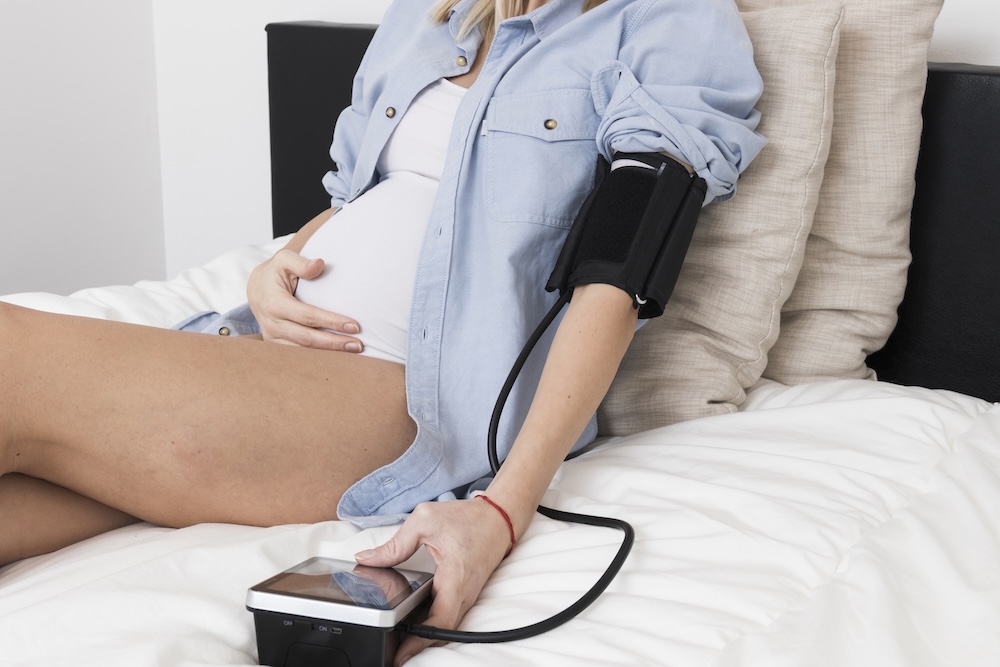

A recent study developed a new “digital companion” to support the prevention and follow-up of maternal cardiovascular risk in women with pregnancy complications.
Cardiovascular disease, or CVD, is the leading cause of premature death and illness in women, yet sex-specific causes remain understudied and women are underrepresented in research.
Pregnancy complications, including hypertensive disorders of pregnancy, or HDP, and gestational diabetes mellitus, or GDM, are strong predictors of future CVD, with pregnancy itself acting as a natural stress test.

Despite CVD accounting for 35 per cent of female deaths worldwide in 2019, systematic postpartum prevention remains limited in practice and incidence continues to rise.
Myocardial infarction, commonly known as heart attack, and stroke are the main fatal CVD events in women. Up to one-third of women develop hypertension within a decade after HDP, especially as maternal age rises.
Obstetric guidelines have historically lacked clarity on early CVD prevention after HDP and GDM, often relying on expert consensus rather than evidence.
Some cardiology guidelines now recommend personalised approaches, such as periodic hypertension and diabetes screening. Norwegian guidelines recommend cardiovascular risk evaluation at three months and one year postpartum, but adherence in practice is uncertain.
Effective risk reduction requires intervention before middle age. The immediate postpartum period following HDP or GDM is a critical window for early detection and intervention, offering an opportunity to engage women in cardiovascular health management, particularly as pregnancy can encourage long-term lifestyle awareness.
Electronic health, or eHealth, refers to the use of digital technologies and electronic communication tools to support healthcare services, medical information management and related health activities.
Systematic, eHealth-supported postpartum prevention can improve maternal health literacy and long-term cardiovascular outcomes.
However, there is a significant gap in targeted, eHealth-based postpartum interventions for cardiovascular risk management after HDP and GDM, despite strong patient demand and international calls for coordinated digital health strategies.
Home blood pressure monitoring shows promise, but broader digital support remains limited.
A cardiovascular postpartum follow-up programme was created as a mobile app based on Norwegian and international guidelines.
The MumCare app was developed through co-creation involving users, stakeholders and clinical experts. Five qualitative interviews and 10 user testing sessions informed improvements.
This study primarily analysed the iterative co-creation process used to develop the app, rather than evaluating clinical outcomes.
The MumCare project team in Oslo included an IT expert, obstetricians, a midwife, a GP, two sociologists and two cardiologists, all with relevant experience in eHealth and women’s health. A medical student with technological and medical expertise also helped turn ideas into app features for young women.
User representatives from two national patient associations contributed to information, recruitment, design and testing of the MumCare app.
Both associations provided user perspectives and took part in interviews and app testing. Additional users with HDP or GDM at Oslo University Hospital were also involved throughout the co-creation process.
The app’s digital infrastructure prioritises security and privacy, using encryption, de-identification and two-factor authentication.
User data is stored securely on the app and, for research purposes and with consent, on a dedicated University of Oslo server in line with GDPR and Norwegian regulations.
A linear Stage-Gate model structured the co-creation process, dividing it into phases with quality checkpoints reviewed in project meetings.
This approach balanced internal development with external user feedback, helping ensure the app is evidence-based, technically robust and user-centred.
The MumCare app guides postpartum women through tracking blood pressure, weight, physical activity and lab results, and provides personalised feedback to support self-management, mainly during the first postpartum year.
It also includes educational resources such as videos and guideline-based information to support understanding and engagement.
The app is also designed to support the transition from specialist pregnancy care to long-term follow-up with general practitioners.
It is described as a “digital companion” or health coach and does not replace clinical diagnosis or function as a medical device.
The co-creation process followed four phases focused on technical and procedural development.
In phase 1, input from expert organisations and user representatives established the app’s technical foundation.
It also reminds users of the one-year postpartum follow-up with their GP, a key time to assess risk factors and future care needs.
User organisation representatives gave feedback in phase 1, directly guiding content and feature development.
Phase 2 interviews confirmed that users want to monitor cardiovascular risk factors after HDP and GDM.
The analysis highlighted three themes: self-care strategies and uncertainties about hypertension, the need for accessible health information, and a more personalised approach to blood pressure monitoring in the app.
Concerns were also raised that frequent monitoring or app use could increase stress or create a sense of burden.
In phase 3, the app’s design and features were revised in response to feedback to improve usability and make sure they met users’ needs.
These changes led to a more intuitive and supportive interface for women during and after pregnancy.
Phase 4 involved building a prototype based on the updated designs, followed by further refinements after testing by the project team and users. Initial pilot testing with a small number of users suggested the app met its objectives and functioned as intended.
The MumCare app was co-created with input from experts, user organisations and patients over four phases.
Early expert and organisational contributions helped define the app’s goals, while ongoing feedback from patients helped ensure the design and content reflected users’ real needs.
This collaborative approach resulted in an app tailored to support women with pregnancy complications.
The MumCare app is currently being evaluated in a randomised controlled clinical trial that began in June 2024, with results needed to determine whether it improves long-term cardiovascular outcomes.












 News4 weeks ago
Women’s digital health market set to reach US$5.28 billion in 2026 – report

 Insight4 weeks ago
Why the UK’s fertility rate keeps falling – and what it means if you’re trying now

 Wellness3 weeks ago
Women’s HealthX unveils Northwell Health, Corewell Health, Biogen & more to headline Chronic Disease stage

 Motherhood3 weeks ago
What Maternal Mental Health Month reveals about where postpartum support actually breaks down

 Fertility4 weeks ago
Toxins and climate harms having ‘alarming’ effect on fertility, research warns

 News2 weeks ago
NIH Grant terminations disproportionately impact minority scientists, research finds

 Adolescent health2 weeks ago
WUKA brings Period-Positive Pool Party to London Aquatics Centre to keep girls swimming through puberty

 Fertility4 weeks ago
Researcher explores weight loss jab impact on PCOS