



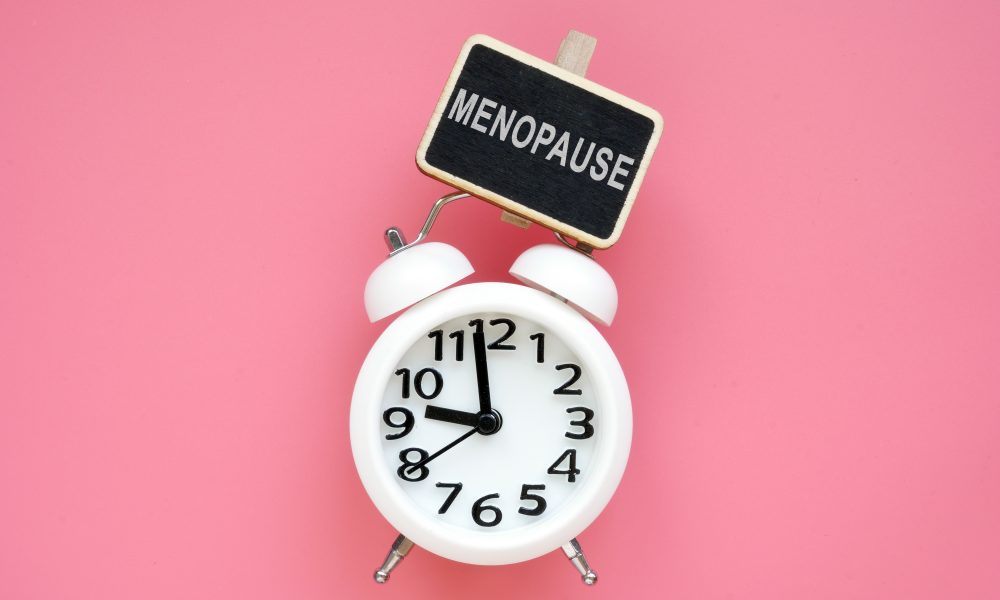
Despite 13 million women in the UK experiencing perimenopause or menopause, awareness and understanding of this transformative life stage remains behind the curve.
A natural part of female ageing, menopause marks 12 months since a woman’s last period and the end of her reproductive years. During this time, many women experience symptoms that can be intrusive to their daily lives, such as hot flushes, poor sleep and concentration and low self-esteem.
Mental health can also be negatively impacted. And these symptoms can start well before you’ve reached menopause – perimenopause marks the first changes you experience when your hormone levels shift, the average age of perimenopause is 47.5 years, but it’s different for everyone.
These symptoms are compounded by the challenges menopausal women continue to face when it comes to areas such as access to specialist healthcare, relationships and careers.
In a post #MeToo world, menopause and women’s health more broadly should not be an afterthought. More needs to be done to breakdown the barriers for menopausal women and support them through this time.
Dealing with mental health impact

Dr Harriet Bradley
While menopausal women face a myriad of physical symptoms, a significant and less visible challenge is the effect on mental health. As hormones fluctuate, women can experience mood swings, anxiety and/or depression.
According to the Menopause and the Workplace report, produced by the House of Commons Women and Equalities Committee, over 60 per cent of women experienced anxiety or depression as a menopause symptom, while nine per cent say they had suicidal ideation.
Menopause also affects emotional wellbeing with a study by Family Law Partners finding that 80 per cent of women say perimenopause/menopause symptoms put a strain on their children and/or family life.
Many women find themselves managing these symptoms while trying to continue work and family life as usual, leaving them in a no-win situation.
While many of these health issues are inevitable, better access to specialist services is key to alleviating symptoms.
Additionally, increased awareness and support from family members and employers is crucial for improved wellbeing during the menopausal transition.
Barriers to appropriate healthcare
Disparity in access to specialist menopause services is a key issue and British women face a postcode lottery with 58 per cent unable to access services locally.
While GPs are well placed to deliver primary care for most menopausal issues, specialist support is sometimes required.
Yet, depending on location, women face a disparity in the level of care offered and stretched resources mean that women experience delayed access to specialist healthcare.
There also appears to be a menopause education gap amongst GPs whereby 30 per cent of women feel their doctor doesn’t know enough about it. Training issues can be addressed through ensuring menopause education is delivered at all stages of medical training.
The toll on working women’s careers
Women of menopausal age – on average between 45 and 55 – are the fastest growing demographic in the UK workforce. Yet many of these experienced and highly qualified women are considering leaving or have left work because of their menopausal symptoms and the lack of support from employers.
One million women in the UK have left their jobs due to menopause, which has knock on effects on household finances, the gender pay and pension gaps as well as the number of women in leadership positions. More importantly women are forced to leave their careers early, often with detrimental impacts to their finances, health and self-esteem.
In my industry, 30,000 female doctors in the menopausal range have significantly reduced their hours or left medicine altogether. This is a worrying statistic – in addition to the loss in medical workforce at a time when we need more doctors.
Without female healthcare professionals who have lived through and understand patient needs, menopausal care will likely worsen. It also leaves fewer women in the profession to advocate for better employer support. So, what can be done to help address these challenges?
Increasing understanding and the reach of health services
Digital health can play an integral role in scaling and improving menopausal care, helping to overcome accessibility issues and provide greater education and information. For example, video GP appointments can reach those in areas where access is otherwise difficult, thereby helping to mitigate the disproportionate menopausal barriers caused by the postcode lottery.
Online resources and tools are a great way to empower patients and upskill GPs by providing them with the most up-to-date information for effective menopausal treatment. Adaptive digital content and information enables healthcare professionals to provide tailored resources and personalisation to help women get on the right treatment pathway.
Livi, for example, offers on demand virtual training sessions covering topics from menstruation to menopause, for healthcare professionals and GPs across the UK.
Cultivating inclusive environments
Better education and awareness are also needed for employers, colleagues and family members to reduce the burden on individuals and create supportive and inclusive environments both at work and at home.
Workplace menopause policies can also help to provide recognition, remove stigma and encourage conversations, as well as clearly signpost support. Lastly, employers should consider flexible and sustainable career options for women.
As a fundamental part of the female experience, menopause can no longer be ignored – especially if we are to close the gender health gap.
Businesses, governments and the healthcare industry need to work together to increase understanding of menopause and provide access to appropriate healthcare as well as provide better support for women in the workplace.
It is time to properly address the challenges that a significant proportion of women continue to face on a daily basis.
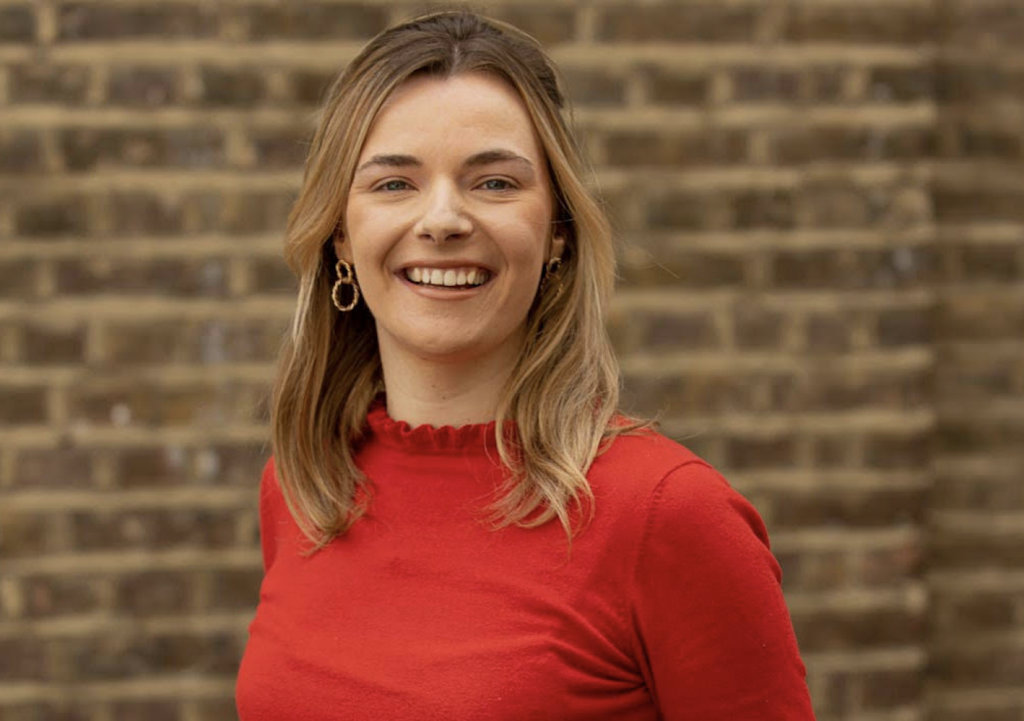
Harriet Bradley is a practicing NHS GP and medical director at Kry, Europe’s largest digital health provider.
Newsletter
Sign up for free weekly updates
The latest femtech news, research and investment, straight to your inbox.



