




Protective immune cells in breastfeeding women guard against breast cancer, research finds
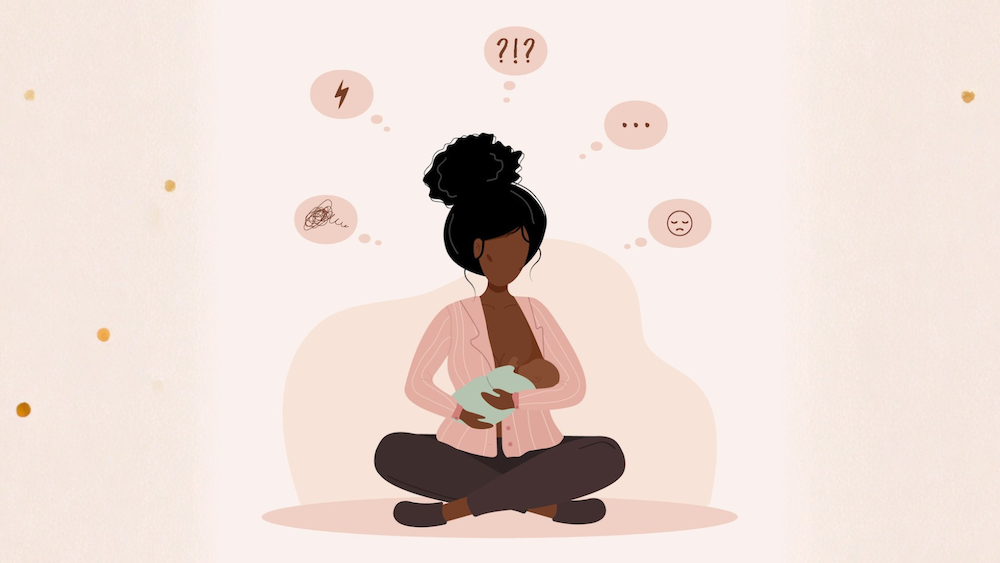
Women who breastfeed develop protective immune cells that help guard against breast cancer, with effects lasting for more than 30 years, new research shows.
The study found that specialised T-cells — immune cells that fight disease — remain in breast tissue long after pregnancy and provide lasting protection, particularly against triple-negative breast cancer, one of the most aggressive forms.
Observations dating back to the 18th century, when physicians noticed nuns had some of the highest rates of breast cancer, first hinted that childbearing and breastfeeding could protect against the disease.

Modern research has confirmed this link, though the biological explanation was unclear.

Professor Sherene Loi is senior author and clinician scientist at the Peter MacCallum Cancer Centre.
The researcher said: “The key take-home messages are that pregnancy and breastfeeding will leave behind long-lived protective immune cells in the breast and the body, and these cells help to reduce risk and improve defence against breast cancer, particularly triple-negative breast cancer, but potentially other cancers as well as disease.”
Researchers from the Peter MacCallum Cancer Centre in Melbourne studied non-cancerous breast tissue from more than 260 women who had undergone breast reduction or preventive surgery.
They found that women who had given birth had more specialised immune cells called CD8⁺ T-cells — part of the adaptive immune system that targets specific threats, including cancer.
The team then tested whether these cells directly provided protection.
In mice, cancer cells implanted into breast tissue grew less in those that had pups and breastfed compared with those that had not. When the researchers removed the T-cells from the nursing mice, the protective effect disappeared.
The researchers also analysed data from more than 1,000 breast cancer patients diagnosed after childbirth with available breastfeeding records.
Women who had breastfed had better outcomes from triple-negative breast cancer than those who had not. Their tumours also contained more immune cells, suggesting ongoing immune activity against the cancer.
The study provides an explanation for why breastfeeding appears protective, and the findings could help inform new strategies for women unable to have children or breastfeed.
Understanding the underlying biology may aid development of vaccines or therapies that mimic this natural defence.
Professor Loi said: “The effects are really quite small for every individual, but population-wide the effects are large.”
She stressed that breastfeeding does not guarantee protection against breast cancer, noting it is “not a 100 per cent guarantee that they won’t get breast cancer.”
The study also explored why some breast cancers contain high numbers of specialised immune cells while others do not.
Patients with more of these cells generally had better outcomes, particularly with triple-negative breast cancer.
Professor Loi explained that T-cells react not only to viruses or bacteria but also to cancer, describing this response as “one of our very modern therapeutic weapons against cancer.”
Associate Professor Wendy Ingman from the University of Adelaide’s Medical School said longer breastfeeding duration provided greater benefits.
Each year of breastfeeding is linked to a 4 per cent lifetime reduction in the mother’s breast cancer risk.
“This study shows that having babies and breastfeeding causes long-lasting changes in immune cells that could help protect the breast from cancer,” Ingman said.
“I’m hopeful that this type of research will lead to new approaches to reduce women’s breast cancer risk.”
Newsletter
Sign up for free weekly updates
The latest femtech news, research and investment, straight to your inbox.




