




Connect with us

News

Low omega fatty acid levels linked to Alzheimer’s in women
Published

on

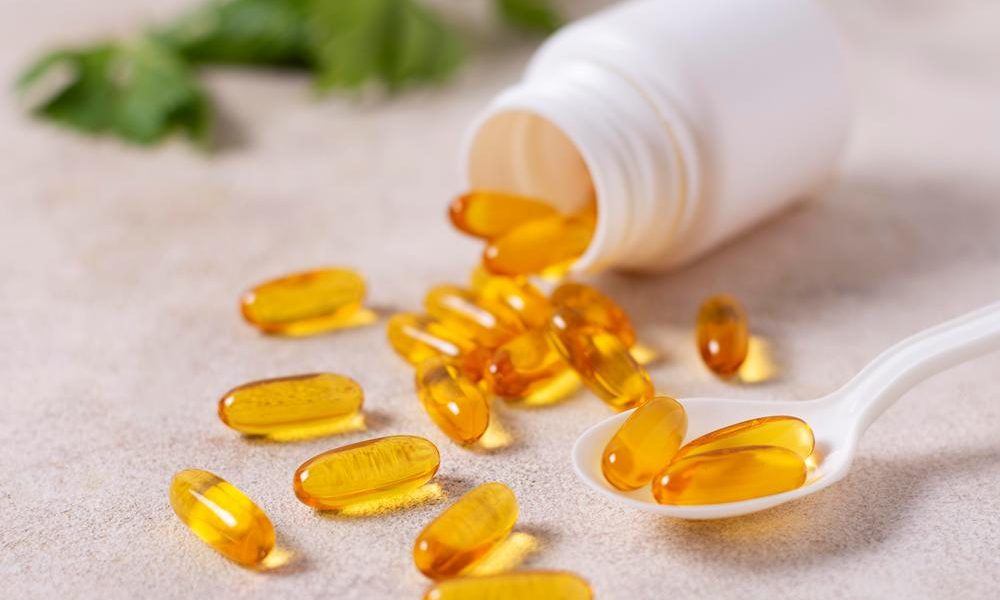
Women with Alzheimer’s disease have omega fatty acid levels up to 20 per cent lower than healthy women, while men show no such pattern, new research shows.

The finding points to sex differences in how the disease develops and affects the body, prompting researchers to advise women to ensure enough omega fatty acids through diet.

Blood samples from 306 people with Alzheimer’s, 165 with mild cognitive impairment and 370 cognitively healthy individuals revealed the gender divide.

The research was carried out at King’s College London, with results published in the Alzheimer’s & Dementia journal.

Women with Alzheimer’s had higher levels of saturated lipids – fatty compounds generally considered unhealthy – and lower levels of unsaturated lipids, including omega fatty acids, compared to cognitively healthy women. This pattern was not seen in men.

Dr Cristina Legido-Quigley, a senior author on the study, said: “The difference between the sexes was the most shocking and unexpected finding.

“There’s an indication that having less of these compounds could be causal in Alzheimer’s, but we need a clinical trial to confirm that.”

Alzheimer’s is twice as common in women as in men.

Factors such as women’s longer lifespan, hormonal differences, immune responses and educational opportunities may all contribute.

If liver or metabolic changes are behind the lower omega levels, fewer of these essential fatty acids would reach women’s brains.

Diets rich in omega-3 fatty acids, such as the Mediterranean diet, have long been linked with heart and brain health.

A 2022 study found middle-aged people with higher blood omega-3 levels had better cognitive function.

However, trials giving older people omega-3 supplements have not improved cognition in those already diagnosed with dementia.

Legido-Quigley wants clinical trials to test whether supplements can delay Alzheimer’s specifically in women with low unsaturated fatty acid levels, adding that the drop may start to appear when women reach their 50s.

Three essential omega-3 fatty acids exist: ALA, found in chia seeds, flaxseed and walnuts; and DHA and EPA, mainly from fish.

The NHS recommends two 140g portions of fish a week, including one oily fish.

Dr Julia Dudley at Alzheimer’s Research UK, which co-funded the study, said more work was needed to understand the mechanisms behind the sex difference.

She said: “Understanding how the disease works differently in women could help doctors tailor future treatments and health advice.”


Hormonal health

Topical HRT protects bone density in women with period loss – study

Published

on

Transdermal HRT best protects bone density in women with functional hypothalamic amenorrhoea, a condition that stops periods, a review of trials has found.

The meta-analysis pooled randomised clinical trials involving 692 participants and found transdermal hormone replacement therapy and teriparatide increased bone mineral density by between 2 and 13 per cent.

Functional hypothalamic amenorrhoea can follow anorexia or intense exercise. Bone mineral density measures bone strength and the amount of mineral in bone.

Around half of women with the condition have low bone mineral density, compared with about 1 per cent of healthy women, and their fracture risk is up to seven times higher.

The research was conducted by scientists at Imperial College London and Imperial College Healthcare NHS Trust.

Professor Alexander Comninos, senior author of the study and consultant endocrinologist at the trust, said: “Bone density is lost very rapidly in FHA and so addressing bone health early is very important to reduce the lifelong risk of fractures.

“Our study provides much needed comparisons of all the available treatments from all available studies.

“Clearly the best treatment is to restore normal menstrual cycles and therefore oestrogen levels through various psychological, nutritional or exercise interventions – but that is not always possible.

“The foundation for bone health is good calcium and vitamin D intake (through diet and/or supplements) but we have additional treatments that are more effective.”

When FHA is diagnosed, clinicians first try to restore periods through lifestyle measures, including psychological and dietary support, but these can fail. Guidelines then recommend giving oestrogen, though the best form was unclear.

The team reviewed all prior randomised trials comparing therapies, including oral and transdermal oestrogen, and also assessed teriparatide, a prescription bone-building drug used for severe osteoporosis.

They found no significant benefit for oral contraceptive pills or oral hormone therapy.

A recent UK audit reported that about a quarter of women with anorexia-related FHA are prescribed the oral contraceptive pill for bone loss; the study suggests using transdermal therapy instead.

Comninos said: “Our goal is simple: to help women receive the right treatment sooner and to protect their bone health in the long-term.

“We hope this study provides clinicians with better evidence to choose transdermal oestrogen when prescribing oestrogen and so inform future practice guidelines.

“Right now, millions of women with FHA may not be receiving the best treatments for their bone health.”

Continue Reading

Insight

AI cuts interval breast cancers in Swedish trial

Published

on

An AI tool cut interval breast cancers by 12 per cent in a Swedish screening trial of more than 105,000 women.

The study also found 27 per cent fewer aggressive breast cancers detected at screening when AI was used.

Interval cancers are cancers found between routine screening appointments because they were missed at the original scan. They are often more dangerous and linked to higher death rates than cancers found at screening.

The MASAI trial is described as the first large randomised study to test whether AI can improve mammography screening, which uses low-dose X-rays to examine breast tissue for signs of cancer.

The AI tool, called Transpara Detection and developed by ScreenPoint Medical, supported radiologists in analysing mammography images.

Earlier results from the same trial showed that Transpara Detection increased cancers found by 29 per cent and reduced radiologist workload by 44 per cent compared with standard double-reading, where two radiologists independently review each scan.

The latest findings indicate higher accuracy with AI support. Sensitivity, the ability to detect cancer, was 6.7 percentage points higher in the AI group while specificity, the ability to rule out healthy cases, was maintained. Results were similar across age groups and breast density levels.

Women screened with AI had 16 per cent fewer invasive interval cancers and 21 per cent fewer large interval cancers than those in the standard screening group.

The system also helps doctors assess risk more precisely by subdividing suspicious findings into BI-RADS 4 categories A, B and C. BI-RADS (Breast Imaging Reporting and Data System) is a standardised scale that guides whether a patient needs closer monitoring, further tests or treatment.

Continue Reading

Mental health

Fear of ageing may age women faster, study suggests

Published

on

Ageing anxiety may accelerate biological ageing in women, with fears about worsening health linked to faster epigenetic ageing, according to new research.

The study found that greater anxiety about growing old was associated with accelerated epigenetic ageing, as measured by the DunedinPACE clock, based on biological markers in blood samples.

Epigenetic changes are shifts in how genes are switched on or off without altering DNA itself, which can influence how the body ages and functions.

“Our research suggests that subjective experiences may be driving objective measures of ageing,” said Mariana Rodrigues, a PhD student and the first author of the study.

“Ageing-related anxiety is not merely a psychological concern, but may leave a mark on the body with real health consequences.”

Researchers analysed data from 726 women in the Midlife in the US study.

Participants were asked how much they worried about becoming less attractive with age, having more health issues and being too old to have children.

Blood samples were used to assess ageing with two epigenetic clocks: DunedinPACE, which estimates the pace of biological ageing, and GrimAge2, which estimates cumulative biological damage.

The study was conducted by researchers at NYU School of Global Public Health.

Worrying about declining health showed the strongest links with epigenetic ageing, while anxiety about attractiveness and fertility was not significantly associated with biological markers.

The authors suggest health worries are more common and persist over time, whereas concerns about appearance and reproduction may fade with age.

“Women in midlife may also be multiple in roles, including caring for their ageing parents,” Rodrigues said.

“As they see older family members grow older and become sick, they may worry about whether the same thing will happen to them.”

The authors caution that the study offers a snapshot in time and other factors may influence these biological changes.

When analyses were adjusted for health behaviours such as smoking and alcohol use, the link between ageing anxiety and epigenetic ageing decreased and was no longer significant.

“Our research identifies ageing anxiety as a measurable and modifiable psychological determinant that seems to be shaping ageing biology,” said Adolfo Cuevas, associate professor of social and behavioural sciences and the study’s senior author.

They call for more research to clarify how this anxiety influences ageing over time, to guide support for those experiencing ageing anxiety.

“Ageing is a universal experience.” Rodrigues said.

“We need to start a discourse about how we as a society, through our norms, structural factors and interpersonal relationships, address the challenges of ageing.”

Continue Reading

Trending

Copyright © 2025 Aspect Health Media Ltd. All Rights Reserved.

