



Insight
Could blood, sweat and tear biomarkers transform women’s health diagnostics?
By Fard Johnmar, health futurist, strategist, and co-founder of the FemAging Project


In 2021, 1 in 5 women died from heart disease in the United States. Could a simple blood test warn women of their cardiovascular disease risk decades in advance?
Although mammograms are the gold standard for breast cancer detection, millions of women globally don’t have access to them. What if breast cancer could be detected using tears?
Monitoring fertility-related hormones can be uncertain and time-consuming. Could a sweat measuring wearable revolutionise fertility tracking?
Yes, thanks to recent advances in women’s health biomarker measurement and monitoring.
What Are Biomarkers?
Biomarkers are biological indicators that can be measured to assess a range of health conditions.
These indicators can include genetic markers, hormonal levels, and metabolic profiles, which help in understanding conditions that disproportionately affect women, such as breast cancer, autoimmune diseases, and reproductive health issues.
Biomarker data can be used to power personalised medicine, or the development of tailored treatment plans based on individual health profiles.
A rising trend in women’s health is an increased focus on using diagnostic tools to identify disease markers — especially in areas such as breast and cervical cancer — as early as possible.
As a result, advanced diagnostic tools and tests are being developed to provide more accurate and timely assessments of women’s health conditions.
Blood, Sweat and Tear-Powered Next-Generation Women’s Health Diagnostics
Over the past decade, there have been significant advances in the ability to detect women’s health biomarkers in blood, sweat and tears.
Currently, a range of innovators are (or are in the process) of commercialising blood, sweat and tear-based diagnostics in cancer, heart disease and a range of other areas.
Measuring Blood Biomarkers
Even though many blood biomarkers are well-understood, new discoveries are uncovering disease signals highly relevant to women’s health.
In cardiovascular disease, a study from Brigham and Women’s Hospital highlighted three blood biomarkers—low-density lipoprotein cholesterol (LDL-C), high-sensitivity C-reactive protein (hsCRP), and lipoprotein(a) (Lp(a))—that can better predict the risk heart attack, stroke and other cardiovascular events in women up to 30 years in advance.
Sweat Content as a Health Indicator
Sweat contains a wide range of biomarkers, including metabolites, electrolytes, trace elements, and small amounts of macromolecules, that can provide valuable insights into overall health and disease states.
Research has revealed that there is a strong relationship between the levels of biomarkers in sweat and blood, making sweat a non-invasive means for health assessments and disease diagnoses.
Sweat can be used to measure physical — and mental health status.
For example, people with depression have increased levels of certain proteins, which can be detected through sweat.
Tracking the hormone oestradiol, which can also be measured in sweat, can provide important information about female fertility.
Tear-Powered Diagnostics
Tears have many biomarkers such as proteins, lipids, electrolytes, and metabolites that can be used to detect various conditions such as eye tumours and even cancer.
In 2020, researchers at Kobe University developed a technology to detect breast cancer using the exomes found in tears.
Exomes are involved in the spread of cancer and have become an important cancer biomarker.
Signaling the importance of tears in health monitoring, the Advanced Research Projects Agency for Health, is currently funding the development of a “tear-based biomarker measurement system that can be inserted into the tear duct for continuous health monitoring.”
Pioneers in Women’s Health Blood, Sweat and Tear-Based Biomarker Monitoring

Source: Femalytics
Research and product development in new women’s health biomarkers is accelerating rapidly.
Here are six pioneers developing solutions in blood, sweat and tears biomarkers.
- Endometrics: The company has created a solution for the non-invasive diagnosis of endometriosis using a menstrual blood sample and proprietary genomic biomarker. W: https://endometrics.us
- Qvin: Developers of an FDA-cleared menstrual pad that collects blood for lab testing. The pad currently monitors blood sugar levels and is being expanded to track C-reactive protein, thyroid-stimulating hormone and other key biomarkers relevant to women’s health. W: https://qvin.com
- Persperity Health: Developing a continuous biosensor technology that delivers real-time insights into fertility and hormone health via sweat. W: https://persperityhealth.com
- DIA: Creating a sensor that enables real-time measurements of endogenous and exogenous chemicals in sweat (hormones, electrolytes and inflammatory markers). W: https://www.diasensor.com
- Namida Lab: Developers of Auria, a breast health assessment test for women, ages 33-85 with an average risk of developing breast cancer. Auria identifies protein biomarkers related to breast abnormalities via tears. W: https://namidalab.com
- TearExo: Development-stage company developing a product that uses chemical nano-processing technology to detect breast cancer using exosomes found in tears. W: http://tearexo.jp
Where Did These Insights Come From?
Innovation data in this article was sourced from Femalytics, an intelligence and membership platform for women’s health change-makers featuring thousands of market insights and data on more than 34,000 companies.
Femalytics features Femmaya, a unique AI innovation assistant, helping members surface insights from the Femalytics database.
Join Femalytics for free to start accessing cutting-edge women’s health innovation intel and much more today.
About the Author
Fard Johnmar is a health futurist, strategist, and co-founder of the FemAging Project, a global initiative focused on providing insights, intelligence and connections to help drive women’s health innovation — especially for those aged 40+.
Femalytics is a FemAging Project initiative.







With delayed parenthood now the norm, a new wave of biotech innovators is targeting the root cause of rising infertility rates. Oxford-based startup Uploid tells Femtech World how addressing egg ageing could reduce the “age penalty” that currently defines fertility outcomes.
Infertility now affects an estimated one in six people worldwide, with the World Health Organization determining it to be a “major public health issue.”
Across the OECD, the average age of first-time mothers has risen consistently over the past decades, driven by economic pressures, career progression, delayed partnership, and the availability of contraception. But human biology has not kept pace with this societal shift.
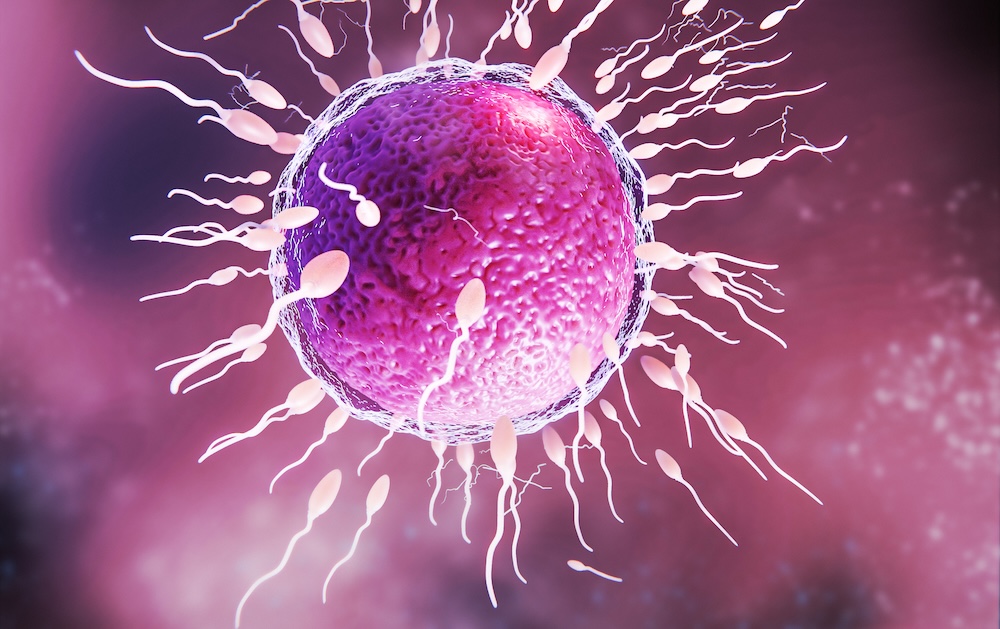
Egg quality declines sharply with age, beginning as early as the mid-thirties. It is this decline, not the body’s ability to carry a pregnancy, that remains the most significant factor behind falling conception rates.
IVF attempts to work around this challenge, yet even with technological advances, success rates remain modest. For women aged 18-34, birth rates per embryo transfer were around 35 per cent in 2022, dropping to five per cent by the age of 43-43.
“Fertility outcomes fall, not because the body is unable to sustain a pregnancy, but because egg quality declines with age,” Dr Alexandre Webster, co-founder and chief scientific officer at Oxford-based biotech firm, U-Ploid, tells Femtech World.
“Most existing fertility treatments are limited in how directly they can address this biological constraint. While IVF has advanced significantly in helping clinicians identify embryos with the best chance of success, there are currently very few options to intervene earlier and improve the quality of the eggs themselves.”
Current fertility treatments tend to focus on hormonal stimulation to produce more eggs, improving embryo selection, or improving implantation rates through uterine optimisation.
But none of these approaches address the root cause of age-related infertility, which is the egg’s declining ability to divide its chromosomes correctly.
This unmet need has set the stage for a new generation of reproductive biotech innovators, focusing on novel therapeutics, cellular engineering, AI-driven diagnostics, and biomarkers that could change how infertility is understood and treated.
A new frontier in fertility treatment
Among these innovators, U-Ploid is pioneering a new therapeutic category with Lyvanta™, a first-of-its-kind drug aimed at improving egg quality by addressing the biological mechanisms of maternal ageing.
Central to its approach is meiotic aneuploidy, which occurs when chromosomes fail to separate correctly as an egg matures. This increases dramatically with age, Webster explains, and is the leading cause of failed IVF cycles, miscarriage, and natural infertility. Studies have shown that over 50–80 per cent of embryos from women in their early 40s exhibit chromosomal abnormalities.
Lyvanta™ is designed to reduce the risk of these errors at the egg stage, before fertilisation occurs. It is injected into the egg before IVF, where it acts to stabilise chromosome segregation during meiosis.
“What makes this approach distinct is that, today, there are no approved or clinically available therapies that directly address meiotic aneuploidy or improve egg quality at its biological source,” Webster says.
“Lyvanta™ therefore represents a genuinely new therapeutic category. It does not act on embryos, does not alter DNA, and does not involve genetic modification. Instead, it supports a natural biological process that becomes increasingly error-prone with age.”
Evidence-gathering and regulatory engagement
The programme is grounded in over a decade of global academic research in chromosome biology and maternal ageing, and Uploid has carried out mechanistic studies, preclinical validation in aged animal models, and tightly regulated human egg studies in collaboration with IVF clinics.
However, the drug is still in the early stages of development, and the company is taking a cautious, evidence-driven approach.
Over the next one to two years, the research team will focus on building the scientific evidence needed to demonstrate clinical safety and efficacy. Meanwhile, regulatory engagement is ongoing, and timelines will depend on the outcomes of these studies.
“As with any new therapeutic, progress toward the clinic requires careful, stepwise evidence generation and regulatory review,” Webster says.
“Our focus at this stage is on ensuring that any future progress happens within established scientific, ethical, and regulatory frameworks. We engage with regulators, clinicians, and patient stakeholders to understand expectations around safety, evidence, transparency, and consent, and to ensure that the questions being asked of a new reproductive therapeutic are addressed rigorously and appropriately.”
He adds: “Lyvanta™ will only move forward if it meets the required standards set by regulators and ethics bodies, and only following thorough evaluation.”
If successful, the impact could be considerable. Improved egg quality may mean fewer IVF cycles, more viable embryos, and overall better outcomes for patients.
“If a therapy like Lyvanta™ can safely improve egg quality, it could lead to more viable embryos per IVF cycle, fewer cycles needed to achieve pregnancy, and better outcomes for people whose chances of success currently decline sharply with age,” Webster says.
“While much work remains, this is the long-term impact we are working toward.”
Global access and affordability
Globally, infertility affects people at similar rates regardless of income, but access to advanced treatments is often dependent on financial barriers.
IVF remains expensive worldwide. In the UK and US, a complete IVF cycle typically costs several thousand to tens of thousands of pounds, often requiring multiple attempts.
“One of the reasons fertility treatment is so costly and emotionally taxing is that patients often require multiple IVF cycles to achieve a successful outcome,” says Webster.
“Indeed, some 70 per cent of couples that start an IVF journey will end it with no baby, having run out of money and patience before a successful outcome.
By making each IVF cycle more efficient, it could reduce some of these costs and make treatment more accessible to more people.
“By improving egg quality upstream, Lyvanta™ has the potential to increase efficiency per cycle, which could reduce the overall burden, financial, physical, and emotional, on patients and healthcare systems,” Webster says.
The therapy is also being designed to integrate into existing IVF workflows, without requiring new infrastructure or highly specialised equipment.
He adds: “By focusing on improving biological efficiency rather than adding complexity, we believe this approach has the potential to support broader access over time, including in low- and middle-income countries where need is high but resources are limited.”
The new wave of fertility innovation
U-Ploid is part of a new wave of fertility biotech innovators. Companies such as Oxolife, developing a first-in-class oral drug to improve implantation; Gameto, engineering ovarian support cells to optimise IVF and egg freezing; and Genie Fertility, uncovering molecular biomarkers to personalise reproductive care, are all reshaping the field.
While progress in the fertility space has been incremental for decades, breakthroughs in chromosome biology, cell engineering, and molecular therapeutics are changing what might be possible.
This new generation of therapeutic innovation could improve outcomes and expand options for millions navigating delayed parenthood, and allow fertility science to catch up with the realities of modern life.
“Our aim is to reduce the biological ‘age penalty’ that currently defines fertility outcomes, so that success is less tightly coupled to chronological age,” Webster adds.
“If successful, this could allow more people to build families on timelines that reflect modern social and economic realities.”




Caesarean births (surgical births) have overtaken vaginal deliveries in England for the first time, with 45 per cent of births now by caesarean, NHS data show.
Last year, 44 per cent of births were through natural vaginal deliveries and 11 per cent were assisted with instruments such as forceps or ventouse, according to data published on Tuesday covering April 2024 to March 2025. Assisted deliveries use instruments to help the baby out during birth.
More than four in ten caesareans carried out by NHS England were elective, planned operations. For women under 30, natural vaginal birth remained the most common method, while for women aged 30 and over, caesareans were most common. For women aged 40 and over, 59 per cent of births were by caesarean.

In total, 20 per cent of births in 2024-25 were planned caesareans and 25.1 per cent were emergency, with both figures at record highs.
There were 542,235 deliveries in NHS England hospitals during this period, down from 636,643 in 2014-15. One in four births were to mothers aged over 35.
In 2014-15, caesarean deliveries made up 26.5 per cent of births. The increase over the past decade has been attributed to growing numbers of complex pregnancies, linked to factors including rising obesity rates and women waiting until they are older to have children.
Donna Ockenden, one of the UK’s most senior midwives who is leading the inquiry into maternity failures in Nottingham, told BBC Radio 4’s Today programme that the rise was a “complex” and “evolving picture over time”.
She said: “The thousands of women I’ve spoken to want a safe birth above everything else, so we should not vilify or criticise women who make those decisions.”
“In the reality of today’s maternity services – where women are living in poverty, deprivation, they’ve got pre-existing illnesses – obstetricians, midwives, nurses can only do so much, and we don’t always do enough in all cases to optimise women’s health prior to pregnancy.”
Soo Downe, a professor of midwifery at the University of Lancashire, added: “In some cases women are going for caesarean sections as a kind of least-worst option because they don’t really believe they’re going to have the kind of support they need to have a safe, straightforward, positive labour and birth in hospital.
“Or because their birth centres are being closed … or because they go into labour wanting a home birth and the midwife isn’t able to come to them because the midwife’s called somewhere else.
“But for some of them, it becomes the only choice on the table … and for other women, they choose a caesarean because they really want one, and that’s absolutely fine.”










-

 Features2 weeks ago
Cannabis compounds kill ovarian cancer without harming healthy cells, research finds
-

 Hormonal health4 weeks ago
Femtech in 2025: A year of acceleration, and what data signals for 2026
-

 Insight3 weeks ago
Meta removes dozens of abortion advice and queer advocacy accounts
-

 News4 weeks ago
Round up: First wearable detects symptoms of perimenopause, and more
-

 Fertility3 weeks ago
Sperm donor with cancer-causing gene fathered nearly 200 children across Europe
-

 Mental health4 weeks ago
Insomnia combined with sleep apnea associated with worse memory in older women
-

 News3 weeks ago
UK couples exploiting legal loophole to rank embryos based on IQ, height and health
-

 Entrepreneur4 weeks ago
Femtech firm launches genetic test for perimenopause