




Pregnancy
Not Morning Sickness: Is our vocabulary diminishing the suffering of women?


After researchers labelled the term ‘morning sickness’ as ‘inaccurate’, a pledge campaign is calling for the phrase to be replaced.
Nausea and vomiting in pregnancy is usually called ‘morning sickness’, but a recent study led by the University of Warwick has shown that the term tends to trivialise the condition. Symptoms have been described as occurring both before and after noon and referring to them simply as ‘morning sickness’ is inaccurate, simplistic and unhelpful, the researchers have found.
They analysed hourly diaries kept by women in early pregnancy, finding that 94.2 per cent experienced nausea and/or vomiting and they concluded that the term ‘pregnancy sickness’ would be more suitable.
“If you are one of the 80 per cent of pregnant women who suffer from it every year, you will know all too well that pregnancy sickness doesn’t just occur in the morning. It can strike at any time of the day”, say Nicola Cutcher and Charlotte Howden, the founders of the ‘Not Morning Sickness‘ campaign which calls on health professionals, the media, retailers and the public to stop using the term ‘morning sickness’.
As part of the ‘Not Morning Sickness’ campaign, the two founders are asking people to make pledges in support of it, using the hashtag #NotMorningSickness and detailing how they can help to change the language. They are encouraging women who have suffered from pregnancy sickness to share their personal stories to help raise awareness of the condition and to express their exasperation with the language surrounding it.
Health professionals are also asked to respect the severity of the condition and stop using ‘morning sickness’ in written materials and in consultations with patients.
“Let’s take the Oxford English Dictionary’s definition of morning sickness,” encourages Nicola Cutcher. “It says it is a sign of pregnancy, occurring at any time of day’. Since when did ‘morning’ mean ‘any time of day’? This is broken language and women shouldn’t put up with it anymore.
“When I was ill during my pregnancy, I told a friend that I’d had a miserable day and thrown up lunch and dinner, and she replied, ‘sounds more like an all-day sickness’. I had to bite my hand to stop myself from screaming ‘it is an all-day-sickness’. I can’t blame my friends for taking words at face value,” she adds.
“The terminology of ‘morning sickness’ diminishes the suffering of women and misleads those around us to think of pregnancy sickness as a minor inconvenience confined to the mornings. This is so wrong. I know that there are a lot of problems in the world but this one has an easy fix: just change the language!”
Charlotte Howden says she was diagnosed with Hyperemesis Gravidarum. “It is a potentially life-threatening and debilitating form of severe pregnancy sickness. I’ve shared my story with the media many times to help raise awareness of just how life-changing this condition is. When I would then see my story reported as ‘really bad morning sickness’, I would feel incredibly disappointed and frustrated.
“No account of how many times a day I was being sick could undo the damage of that misleading headline. Morning sickness doesn’t cover it. We have to change the language and call it what it is— pregnancy sickness.”
Flo Health, the creator of the women’s health app Flo, is joining forces with Cutcher and Howden, replacing the term ‘morning sickness’ with ‘nausea and vomiting’.
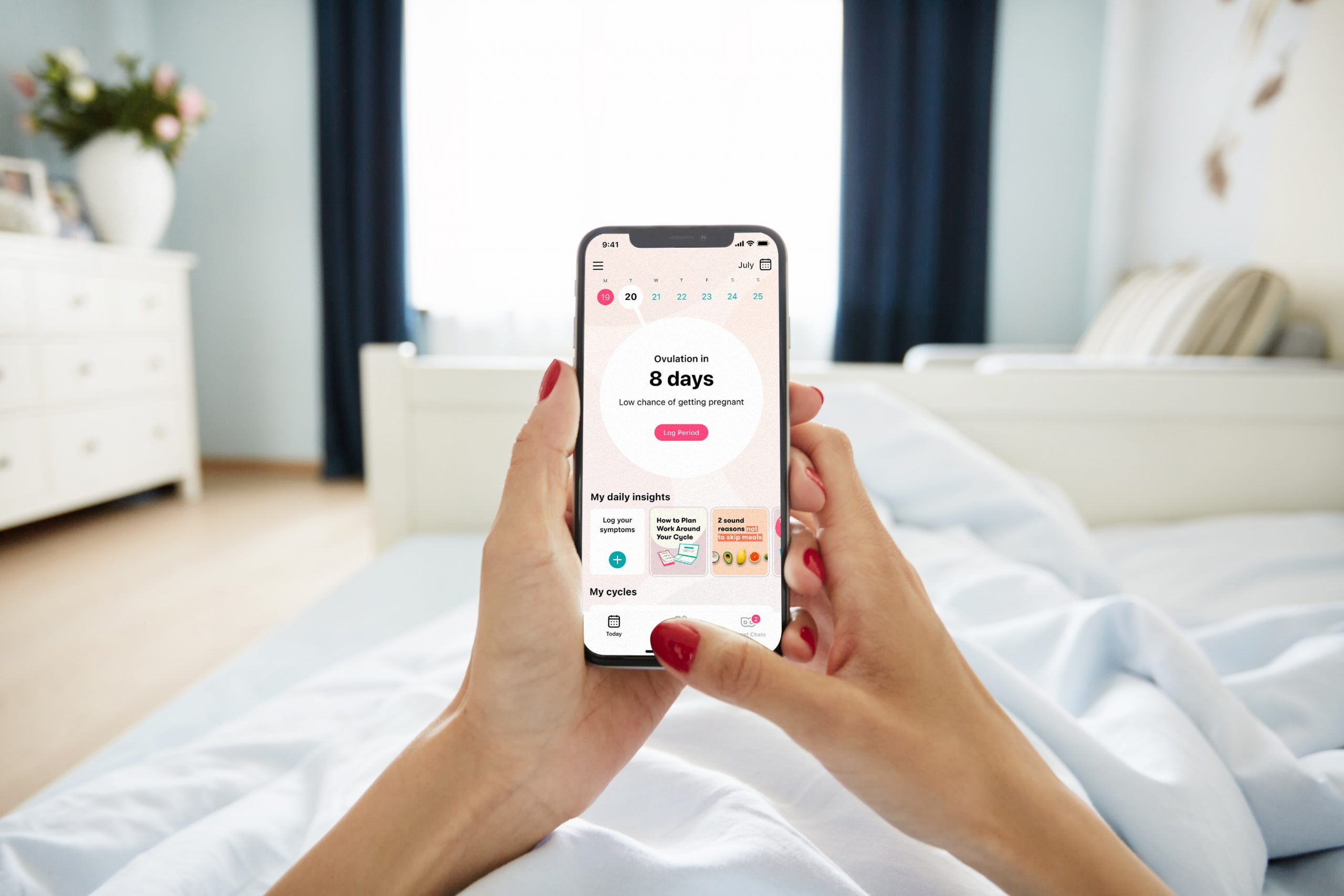
Flo replaces the term ‘morning sickness’ on its platforms
“Flo is committed to creating a better future for female health and this includes providing women with accurate and accessible health information,” says Cath Everett, VP of product and content at Flo Health. “Over 28 million women have logged pregnancy while using Flo, and while morning sickness sounds like something that is confined to just one part of the day, nausea and vomiting in pregnancy can occur at any time of the day. Given that the term is outdated and medically incorrect, we are joining in on the effort to put an end to this term.
“From this point forward, all new content found within the Flo app will refer to ‘morning sickness’ as ‘nausea and vomiting’. We hope that this shift in language will reflect the symptoms more accurately and encourage a greater sense of self-advocacy among those who experience this condition.”
Putney MP Fleur Anderson has also shown her support, tweeting: ‘I fully support this campaign to stop use of ‘morning sickness’ and say ‘pregnancy sickness. I was sick all day, everyday, through every pregnancy. This change will make a huge difference in understanding, support and expectations.”
Terminology and using the correct language can have a huge impact on how people deal with what they are going through, Charlotte Howden adds. “If someone, anyone, had said to me “I am so sorry that your pregnancy sickness is so extreme and I can see how much you are suffering”, it would have gone a long way to help me understand that what I was going through wasn’t normal. Morning sickness doesn’t cut it anymore. So let’s just change it and call it what it is.”
Use #notmorningsickness hashtag to share your own experience and help end the term ‘morning sickness’.


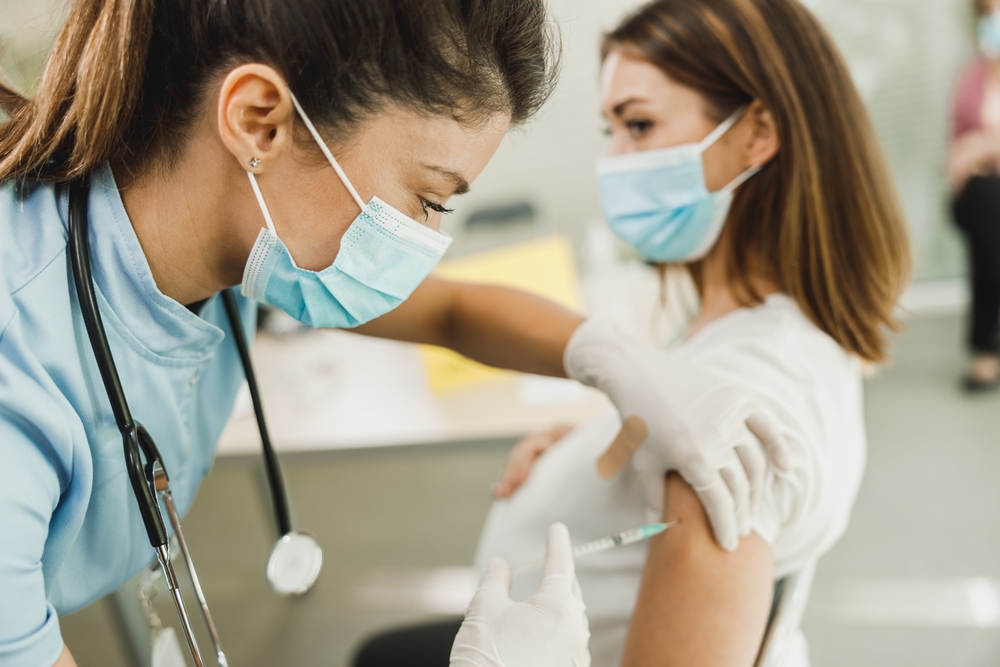
Pregnant women are among the first groups offered the NHS flu vaccine this winter, which has been updated to better match the subclade K strain.
Schoolchildren are also being prioritised and, like pregnant women, can receive the vaccine from September because they can catch and spread flu easily.
Protecting them also helps others, including younger siblings and grandparents.
Other eligible groups, including people aged 65 and over, will be able to receive a free NHS flu vaccine from October and should receive an invitation by phone or post.

Dr Amanda Doyle from NHS England said: “Last year’s flu season came early and was made worse by a new variant, which had a major impact for patients and put enormous pressure on urgent and emergency care services across the country.
“With the NHS experiencing its busiest summer on record, staff have started preparing for this winter earlier than ever – and with services already under significant pressure, it is vital that everyone offered the vaccine comes forward.”
Last winter’s flu season began more than a month earlier than usual as a new mutated strain circulated.
The strain was sometimes referred to as “Super flu”, although this is not a medical term and does not mean the virus is harder to treat. The name reflected that people had yet to build up immunity against it.
Flu vaccines are updated each year to better match the influenza viruses expected to circulate. These viruses continually mutate, so experts must predict how they are likely to change.
This winter’s vaccine includes changes intended to provide a better match for subclade K.
It remains unclear when flu will begin circulating widely this winter or how severe the season will be. Experts often look at flu activity in southern hemisphere countries such as Australia and New Zealand for indications of how the UK season could develop.
Their flu season peaks in July or August. Australia has recorded fewer cases than last year, while New Zealand has experienced high numbers.
Everyone is at risk of catching flu, regardless of age or how fit and healthy they are.
Doyle said: “Flu can really knock you for six, and for some children and pregnant women it can mean becoming seriously ill or ending up in hospital.”
The flu vaccine cannot give you flu. Instead, it helps the body know how to fight the virus.
Children aged two and over receive a nasal spray version, while adults receive an injection. One dose is needed ahead of winter.
Free NHS flu vaccines are available through pharmacies, GPs and schools. People who are not eligible for a free vaccination can pay around £10 to £20.
Schoolchildren and pregnant women can receive a free NHS flu vaccine from September onwards.
From October, free vaccination will also be available to children aged two or older who have not yet started school, people aged 65 and over, those with certain long-term health conditions, care home residents and carers of older or disabled people, including those receiving a carer’s allowance.
It will also be available to people living with someone who has a weakened immune system and those experiencing homelessness or staying in a homeless hostel or night shelter.
More adults will also be offered vaccination against respiratory syncytial virus (RSV), a virus that attacks the lungs, this winter.
From September, adults with certain pre-existing health conditions, such as chronic lung disease, will be invited for the RSV vaccine when they turn 65 rather than waiting until 75.



KOVE Medical has raised €1.7 million to support first-in-human studies of an implantable device designed to reduce preterm birth risk after foetal surgery.
The University of Zurich spin-off is developing a device designed to close defects left by surgical instruments following fetoscopy, a minimally invasive procedure performed inside the womb.
Fetoscopies can treat life-threatening conditions before birth but require surgical instruments to pass through the uterine wall and amniotic sac.
This can weaken the protective membrane, causing fluid leakage or rupture and often leading to preterm birth.
KOVE Medical said in a statement on LinkedIn: “This is a crucial step forward for our company, and we are incredibly grateful for the strong support and trust from our syndicate of visionary angel investors.”
KOVE Medical says its device closes the defect at the end of the procedure, stabilising the membrane and preventing complications. The aim is to make in-utero interventions safe enough to become a standard method of care.
The company plans to use the seed funding to reach first-in-human studies, a key milestone for a medical device seeking regulatory approval.
The CHF1.6m round was backed by a syndicate of angel investors.






 Hormonal health2 weeks ago
Major UK study could be a ‘game-changer’ for heavy periods and endometriosis
 Entrepreneur5 days ago
KOVE Medical raises €1.7 million to improve safety of foetal surgery
 Fertility2 weeks ago
One week left to apply: W Accelerate with Merck KGaA and M Ventures

 Pregnancy6 days ago
UK study aims to transform maternity care for high-risk pregnancies

 Menopause2 weeks ago
Quarter of women miss work due to menstual symptoms, survey finds

 Mental health1 week ago
PMDD after SSRIs or hormones: Why the brain may be the missing treatment target
 Diagnosis1 week ago
Ark Surgical secures further institutional backing to accelerate US expansion

 Insight2 weeks ago
Study to tackle years-long delays in endometriosis diagnosis