




News
Women As One reveals 2026 Mentorship Award Winners


Women As One has announced the winners of the 2026 Mentorship Awards, recognising six exceptional women physicians who are advancing cardiovascular research through mentorship, collaboration, and leadership.
The Women As One Mentorship Awards are designed to accelerate the careers of women in cardiology by supporting impactful mentor-mentee partnerships.
Through funding, structured guidance, and access to a global professional network, the program enables participants to lead meaningful research that improves patient care and addresses critical gaps in cardiovascular medicine.
2026 Mentorship Awards and sponsors
The 2026 Women As One Mentorship Awards are supported by leading industry partners, Alnylam Pharmaceuticals, BridgeBio and Daiichi Sankyo Europe, each committed to advancing cardiovascular science and improving patient outcomes.
Each selected pair collaborates on a dedicated research project over the course of a year. The 2026 awards continue to emphasise innovation and equity in cardiovascular care, supporting research that addresses unmet clinical needs and improves outcomes for diverse patient populations
Meet the winners
Mentorship Pairing #1: AI and equity in ATTR-CM
Sponsored by Alnylam
This award focuses on transthyretin amyloid cardiomyopathy (ATTR-CM) in women, supporting research on sex-specific differences, including AI models trained on female datasets and studies on how women with ATTR-CM interact with healthcare systems.
Mentee: Sarah Abou Alaiwi, MD
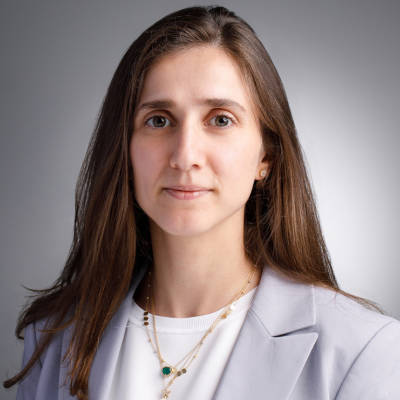
Yale University School of Medicine, United States of America
Mentor: Carolyn Lam, MBBS
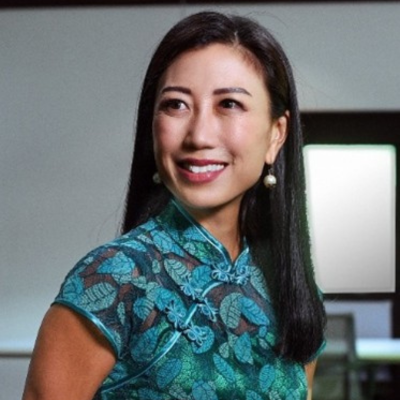
National Heart Centre, Singapore
Mentorship Pairing #2: Women and ATTR-CM detection
Sponsored by bridgebio
Mentee: Artrish Jefferson, MD
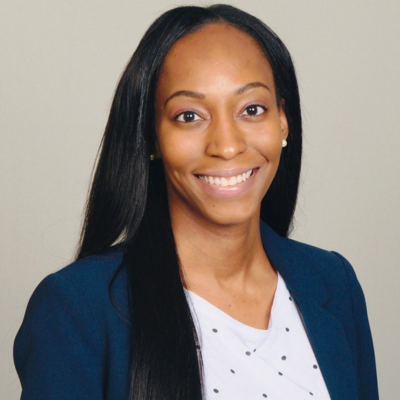
University of Texas Southwestern, United States of America
Mentor: Sara Tabtabai, MD
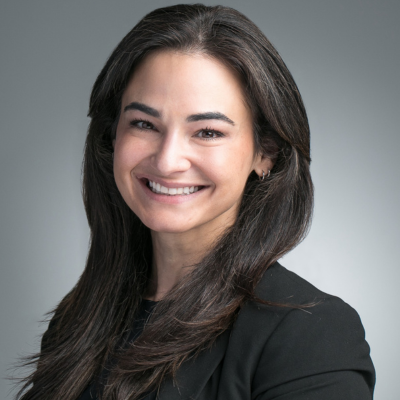
Yale University School of Medicine, United States of America
Mentorship Pairing #3: Adherence to lipid‑lowering therapy in women
Sponsored by Daiichi-Sankyo
This award focuses on adherence to lipid-lowering therapy in women. Cardiovascular disease remains the leading cause of death among women globally, yet treatment adherence gaps persist.
Mentee: Joanna Popiolek-Kalisz, MD, MSc, PhD, DSc

Medical University of Lublin, Poland
Mentor: Jessica Schubert, MD, PhD
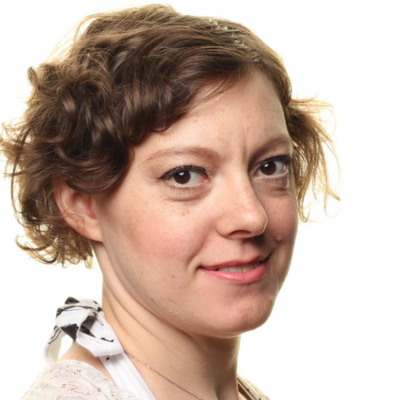
Uppsala University, Sweden
These awardees were selected from an outstanding group of applicants for their commitment to advancing cardiovascular science and their potential to drive meaningful impact through mentorship and collaboration.
Supporting long-term impact for women in cardiology
Mentorship remains a key driver of career progression, particularly in cardiology, where women continue to be underrepresented. The Mentorship Awards foster strong, collaborative relationships between early-career physicians and established leaders, creating opportunities for both scientific advancement and professional growth.
By investing in women physicians, Women As One continues to address disparities in cardiology and contribute to a more inclusive and representative future for the field.
Women As One would like to congratulate the 2026 Mentorship Award winners and look forward to following and supporting their work over the coming year.
Read more about the winners at womenasone.org











The Femtech World Awards is proud to reveal the shortlist for Research Project of the Year as part of the third annual global celebration of innovation, impact and leadership across women’s health.
From fertility science and perimenopause research to regional ecosystem analysis, the shortlisted projects reflect the breadth and growing influence of femtech research worldwide.
The category is sponsored by OncoGenomX, with the winner to be selected by a representative from the organisation.
OncoGenomX is dedicated to offering solutions and providing comprehensive support services that empower Drug Developers, Clinical Researchers, Oncologists,NextGenSeq Diagnostics Laboratories, NextGenSeq Service Organisations, Cancer Diagnostics and Therapeutics Companies to achieve their ambitious goals
The shortlisted entries for Research Project of the Year are:
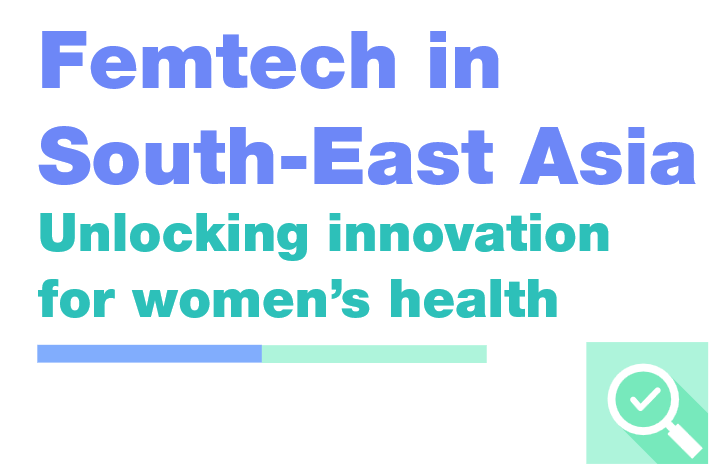
Women’s health remains significantly underserved in South-East Asia, with persistent gaps in access, awareness, and quality of care carrying substantial social and economic costs.
This report examines the femtech landscape in Indonesia, the Philippines, Singapore, Thailand, and Vietnam, highlighting market trends, emerging technologies including artificial intelligence, and the evolving support ecosystem.
It identifies key challenges facing femtech founders, including limited access to finance, low awareness and persistent stigma, marketing constraints linked to content moderation, and gaps in tailored ecosystem support.


Led by Stephanie Willson, MD, of the IVI RMA Global Research Alliance, the study explored whether embryos that show certain chromosome abnormalities during genetic testing may still have the potential to result in a healthy pregnancy and live birth.
The research analysed more than 7,600 frozen embryo transfers and found that some embryos previously considered unlikely to succeed were still capable of leading to successful pregnancies, although at lower rates than embryos without abnormalities.
The findings could help fertility clinics and patients make more informed decisions during IVF treatment, particularly in cases where there are limited embryos available.
Rather than automatically discarding these embryos, the research supports a more evidence-based and personalised approach to fertility care.

For many women, perimenopause can feel confusing and unpredictable, with limited research explaining what is happening in their bodies.
Natural Cycles set out to change that by leading one of the largest studies ever conducted on menstrual and ovulatory patterns, uncovering new insights into how ovulation behaves as women approach menopause.
Conducted in collaboration with researchers from George Washington University, Seattle Clinical Research Center, Gennev and the University of California San Diego, the study analysed nearly one million menstrual cycles from more than 197,000 women aged 18–52 across more than 140 countries.
The scale of this dataset made it possible to explore menstrual patterns and ovulation in far greater detail than has traditionally been possible in women’s health research.
The Femtech World Awards celebrates the innovators, researchers and organisations driving meaningful progress in women’s health.
What happens next
Winners across all categories will be revealed during the virtual ceremony on June 19, with winners receiving a trophy and an interview with a Femtech World journalist.


Osteoporosis may raise the risk of death in postmenopausal women by up to 47 per cent, a new study suggests.
The findings point to an inverse relationship between femoral bone mineral density and mortality risk, especially within certain ranges.
Femoral bone mineral density is the amount of mineral in the thigh bone, which is often measured to assess bone strength and osteoporosis risk.

Dr Monica Christmas is associate medical director for The Menopause Society.
She said: “Osteoporosis often remains a silent threat after menopause, despite its profound effect on women’s lives—from loss of height, poor balance, and reduced mobility to disfigurement, pain, and even premature death.
“Early screening and preventive measures, including a calcium-rich diet (preferably from food sources), regular weight-bearing exercise, and hormone therapy when appropriate, can significantly improve bone health and reduce risks not only of fractures but also cardiovascular disease, certain cancers, and dementia.
“It’s time we bring this conversation to the forefront.”
In the study involving nearly 3,000 postmenopausal women, bone mineral density at four femoral sites was assessed using dual-energy x-ray absorptiometry, a scan commonly used to measure bone strength and fracture risk.
The analysis found that mortality risk was significantly higher when femoral bone mineral density reached the osteoporotic threshold or when osteoporotic fractures were present.
After full adjustment, osteoporosis was associated with a 47 per cent increased risk of mortality.
A stronger inverse association between increased bone mineral density and mortality risk was seen within specific ranges, suggesting bone mineral density could serve as a prognostic marker of wider health.
The relationship appeared especially notable within the range of 0.46 to 0.71 g/cm² for total femur bone mineral density.
Previous research has shown that postmenopausal women face a significantly higher risk of death within one year of hip or vertebral fractures.










 Entrepreneur3 weeks ago
Future Fertility raises Series A financing to scale AI tools redefining fertility care worldwide

 News2 weeks ago
Women’s digital health market set to reach US$5.28 billion in 2026 – report
 Fertility4 weeks ago
Future Fertility partners with Japan’s leading IVF provider, Kato Ladies Clinic
 Diagnosis3 weeks ago
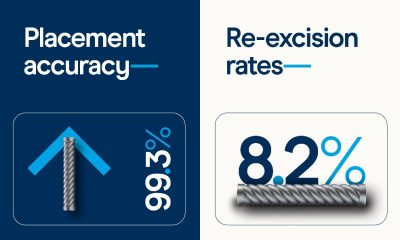
New meta-analysis further supports low re-excisions and high placement accuracy with the Magseed marker

 Menopause4 weeks ago
More research needed to understand link between brain fog and menopause, expert says

 Mental health3 weeks ago
Lifting weights shows mental health and cognitive benefits in older women, study finds

 Menopause3 weeks ago
Resistance training has preventative effects in menopause, study finds

 Diagnosis3 weeks ago
NIPT or NT scan? Why the 2026 evidence supports doing Both