




Menstrual & gynaecological health
Women better protected against early Parkinson’s neurodegeneration, study finds

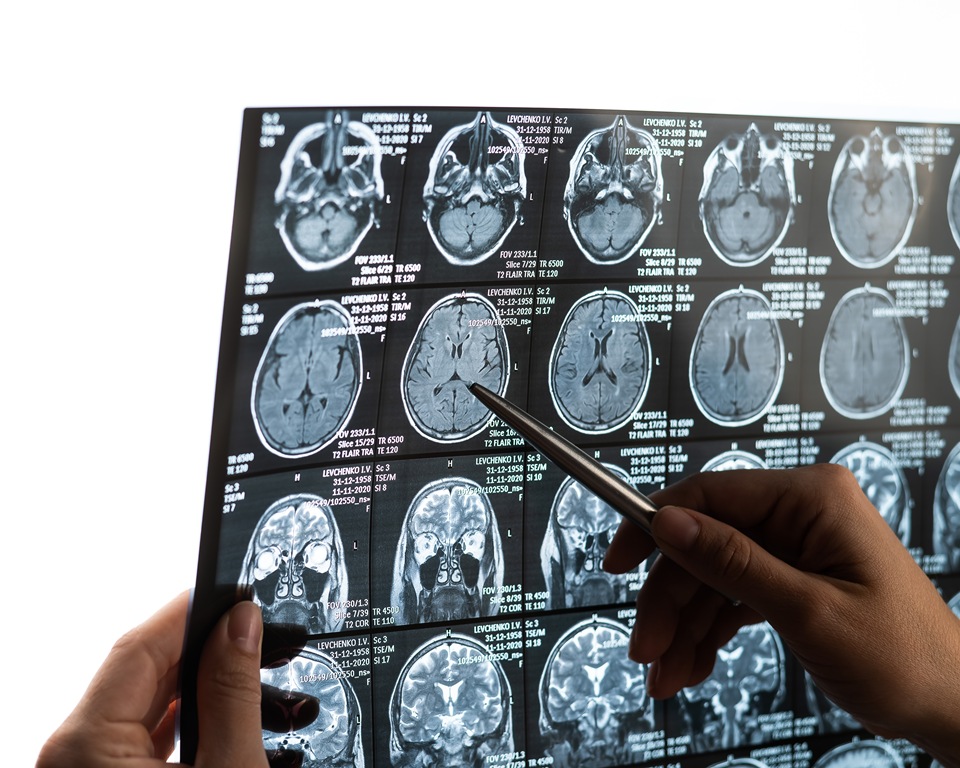
Women with an early precursor to Parkinson’s disease show much less brain shrinkage than men, despite similar disease severity, new research shows.
The discovery could help scientists explore how hormones might one day be used to treat the neurodegenerative condition.
The findings are based on data from nearly 700 participants across nine international research centres.
The study focused on isolated REM sleep behaviour disorder — a condition in which people physically act out their dreams.
It is considered the most reliable early warning sign of diseases caused by toxic protein build-up in the brain.
More than 70 per cent of those affected later develop Parkinson’s disease, Lewy body dementia or multiple system atrophy, which affects several body systems.
Researchers from Université de Montréal analysed 888 brain scans from centres in Canada, the Czech Republic, the UK, France, Australia, Denmark and Italy.
After quality checks, 687 participants were included: 343 patients with the sleep disorder and 344 healthy controls.
The results revealed clear sex-based differences.
While 37 per cent of the cortical areas — the brain’s outer layer responsible for higher functions — showed thinning in men, only one per cent of regions were affected in women.
This difference remained even though participants were of similar age (around 67) and had comparable clinical profiles.
Marie Filiatrault is first author of the study and a doctoral student at Université de Montréal.
The researcher said: “Men show much more extensive and severe cortical thinning — the outer layer of the brain that controls our higher functions — than women, particularly in areas linked to movement, sensation, vision and spatial orientation.”
To understand the protective effect, researchers compared brain images with gene activity in different regions, measured in healthy brains after death.
They found that the less-affected areas in women showed higher expression of genes related to oestrogen function, particularly ESRRG and ESRRA, which produce oestrogen-related hormone receptors.
The ESRRG gene was especially notable, showing greater activity in brain tissue than elsewhere in the body.
These receptors play key roles in mitochondrial function — the cell’s energy production system — and in the survival of dopamine-producing neurons, the cells that die in Parkinson’s disease.
Shady Rahayel is professor at Université de Montréal’s Faculty of Medicine and lead author of the study.
Rahayel said: “This sleep disorder offers a unique window of opportunity to study the mechanisms of neurodegeneration before major motor or cognitive symptoms appear.
“Our results suggest that certain brain areas in women with isolated REM sleep behaviour disorder are better protected than those in men, likely through the action of oestrogens.”
The team chose to study this precursor condition because it allows observation of brain protection mechanisms before major motor symptoms develop.
Although only 25 to 40 per cent of people with Parkinson’s experience REM sleep behaviour disorder, studying this early stage gives insight into how the brain resists damage when it is still limited.
Previous studies have shown that women with established Parkinson’s disease tend to experience slower progression than men, pointing to similar protective effects.
The findings could shape future research and treatment development.
The authors recommend separating men and women in clinical trials, which could improve statistical accuracy and reduce the number of participants required.
The biological mechanisms identified — particularly those linked to the ESRRG gene — could also become potential therapeutic targets.
Early laboratory research suggests that increasing ESRRG activity may protect dopamine-producing neurons from the toxic effects of alpha-synuclein, a protein that builds up abnormally in the brains of people with Parkinson’s.
“This study brings us closer to precision medicine, where treatments could be tailored not only to the disease but also to individual biological characteristics, including sex,” said Rahayel.









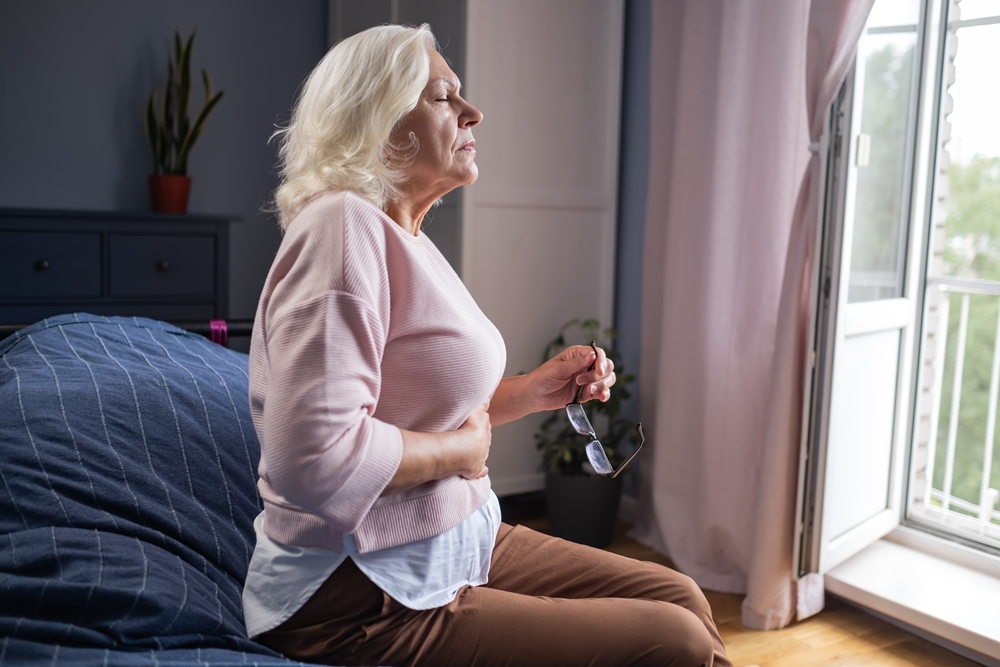
Partners of women going through menopause will be invited to experience hot flushes using a menopause simulator at a support event in Hull next month.
Health group Over The Bloody Moon will bring one of its MenoVests to the Menopaus’ull Support Network event, allowing people to experience a hot flush.
Sarah Weichardt, who co-manages the project, said: “We’re particularly interested in getting men along to come and experience the MenoVest, just so that they can understand what women go through.

“It’s not just a hot flush, it’s what the hot flush brings with it.
“So it could be panic, it could be anxiety. It’s experiencing it all at the same time.”
MenoVest is billed as the ‘world’s first’ wearable menopause simulator – a garment worn over regular clothing that generates realistic, intense hot flush sensations while the wearer carries on with everyday work tasks.
After just a few minutes wearing it, people gain a genuine sense of what these symptoms feel like, building empathy and highlighting why better support matters during this transition.
Weichardt said she hoped the vest would give people a “better understanding of what women are going through”.
“The more people we can get to experience it, the better,” she added.

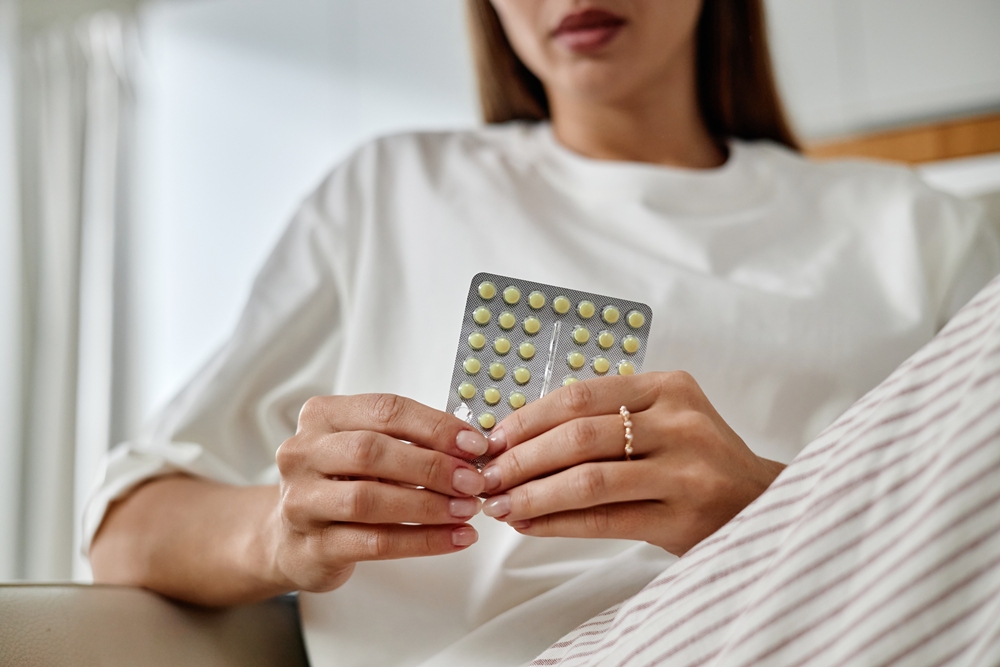
Short-term oral HRT was linked to a 60 per cent higher rate of serious blood clots in women aged 50 to 69, a large study found.
The increased rate was seen among women using oral hormone replacement therapy for less than a year as well as those treated for more than five years.
By contrast, transdermal HRT, delivered through skin patches, gels or sprays, was not associated with the same increased clot risk.
Researchers at North Zealand Hospital in Denmark analysed health registry data from more than one million Danish women aged 50 to 69 between 2003 and 2021.
During the study period, 9,807 women experienced venous thromboembolism, a serious blood clot in a vein. A further 18,460 had a stroke and 11,974 had a heart attack.
Each affected woman was matched by age with five women who had not experienced the same condition. Researchers adjusted the analysis for other factors, including medical history, that could influence risk.
They then examined HRT prescriptions, including the dose and duration of treatment, and looked for associations with blood clots, stroke and heart attack.
Overall, oral HRT was associated with a 60 per cent higher rate of venous thromboembolism, with increased rates seen for both oestrogen-only therapy and treatment combining oestrogen with progestogen.
Venous thromboembolism occurs when a blood clot forms in a vein. A clot in a deep vein can break away and travel to the lungs, causing a potentially fatal pulmonary embolism.
Women taking oral HRT for less than a year had the same raised blood clot risk as those using it for more than five years.
Even a daily oral dose below 1mg was found to significantly increase blood clot risk.
Women taking a daily oral dose above 1mg for more than five years had an 80 per cent higher risk of both heart attack and stroke.
For women taking a high oral dose for more than one year, the study found a 40 per cent higher risk of heart attack and a 50 per cent higher risk of stroke.
The researchers highlighted the importance of choosing the type, dose and duration of treatment carefully, particularly for patients vulnerable to blood clots.
Dr Robert Storey, professor of cardiology at the University of Sheffield, who was not involved in the research, said the findings demonstrated the importance of ensuring cardiovascular risk factors were “well controlled” in women taking oral HRT.
He added: “The study emphasises the superior safety of patches over oral treatment.”

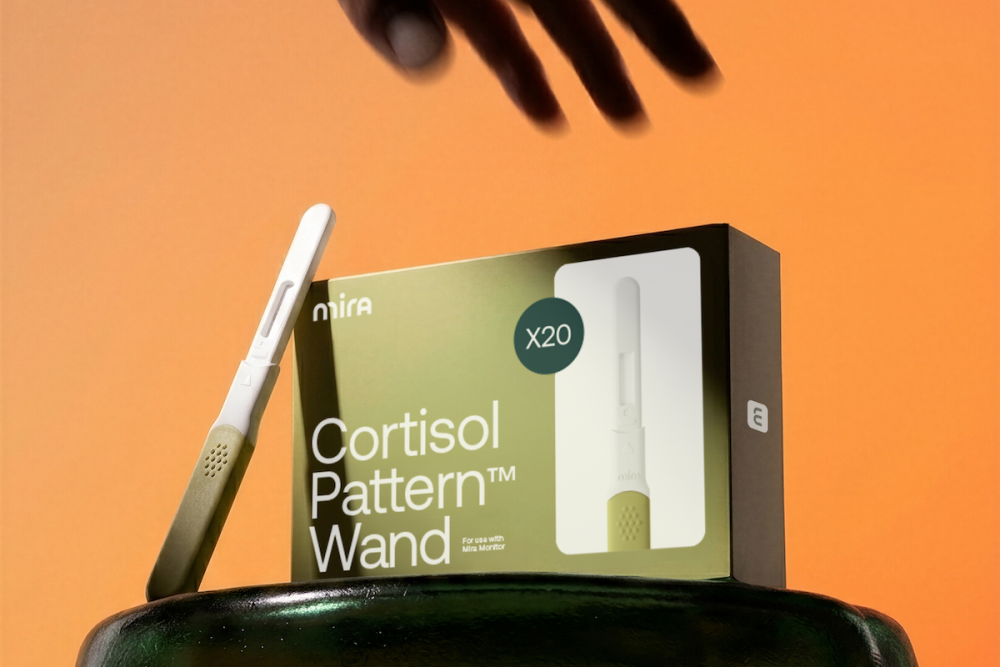
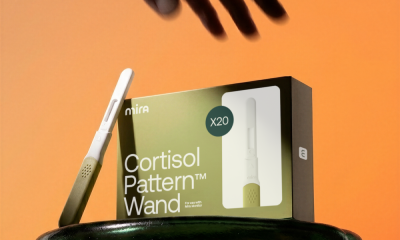
Mira has launched an at-home cortisol tracking kit that allows women to monitor stress-related patterns over time using urine samples.
The Cortisol Pattern Kit measures urinary free cortisol directly from a urine sample and displays results through the company’s existing monitor and app.
The system is intended for repeated testing rather than a single measurement, allowing users to compare results with a personal baseline built from their own data.
Mira said consistent daily testing can establish a baseline in about a week. It recommends testing in the morning and evening to see how cortisol patterns change throughout the day.
Cortisol is involved in the body’s stress response but is not a direct or complete measure of stress. The company said the kit is intended for general wellness use and is not designed to diagnose stress, an endocrine condition or any other medical condition.
The Cortisol Pattern Wands use the same lateral-flow testing format as Mira’s existing hormone tests. Users dip a wand into a urine sample, insert it into the Mira Monitor and view the result in the app within minutes.
The company said cortisol data can be viewed alongside cycle, hormone and daily routine information.
Sylvia Kang, founder and chief executive of Mira, said: “The Cortisol Pattern™ Kit gives women a new way to understand their stress patterns over time, in the context of their own biology.”
She added: “We built Mira to give women answers they had spent far too long searching for, beginning with the TTC journey and expanding into hormone and cycle tracking across life stages, including perimenopause. Now, we’re taking Mira beyond reproductive health and into everyday wellness, bringing personalised stress-pattern tracking directly into women’s homes.”
Mira said more than 350,000 women already use its platform to track their cycle and hormones.
Waitlist sign-ups for the Cortisol Pattern Kit and Cortisol Pattern Wands opened on 22 September, with wand refills available to pre-order in 20- and 30-count options.







 Care & services2 days ago
Trust to decide how far back to review unnecessary breast cancer surgeries

 Research3 days ago
New test could cut need for invasive womb cancer checks
 Healthy ageing5 days ago
Higher BMI in early adulthood linked to lower breast cancer risk after menopause

 Business & startups4 days ago
Personalising women’s health with AI

 Pregnancy2 days ago
UK commits £254m to boost women’s maternal healthcare choices

 Employer / HR2 days ago
Parents given new right to two weeks’ leave after pregnancy loss
 Consumer4 days ago
Mira launches at-home cortisol tracking kit

 Diagnosis4 days ago
Targeted nanotherapy shows endometriosis promise
1 Comment