




News
The forgotten feminists: Why older women are still being left behind and what we can do about it


By Ruth Healey, President of Soroptimist International Great Britain and Ireland (SIGBI).
As the world population ages, an uncomfortable truth is emerging: Women over 50 face a double barrier in the workplace.
Older women continue to be trapped at the crossroads of ageism and gender inequality.
Nowhere is this more evident than in leadership roles – both within the workplace, where experienced and capable older women remain underrepresented and overlooked, and beyond it, where older women contribute significantly through paid and unpaid work.

Across all areas of society, the contributions of older women are too often invisible.
A recent report from Age International warns that older women are underrepresented in data and are, therefore, being sidelined. Especially in the decisions that affect them most.
It’s 2025 — supposedly one of the best times to be alive. Yet, even at the heart of the Information Age, crucial data and representation are still missing — and older women continue to pay the price.
From national strategies and workplace policies to social care systems and even annual UK budget statements, older women are being overlooked.
Without urgent action, these gaps will only widen as populations continue to age. But where do we start?
The Problem Expanded
There is a severe lack of representation of older women in the workplace – a gap often overlooked in diversity and inclusion efforts.
While progress has been made on gender and age separately, the unique challenges and contributions of older women remain largely ignored and rarely reflected.
Despite their skills and experience, older women are often overlooked for promotions and leadership roles, held back by biased stereotypes about adaptability and retirement.
The worse part of this? Older women, like me, are used to it. Women face ageism at every age, but the older you get, the worse you feel it.
And, in the workplace, it’s often masked with phrases like “fresh ideas.”
Maybe ageing comes with certain realities. But if that’s true, why are older men seen as wise, while older women are dismissed as outdated or difficult?
Too often, women quietly accept this as the way things are. They carry on, blending into the background.
But we need role models. We need representation. At every age.
Without visible older women in leadership, sexual harassment, hostile work environments and subtle biases will persist.
Access to powerful, capable female leaders must become normal – not the exception. And not a stereotype.
What Happens When Female Leaders Remain Unseen
Research shows that women are the primary victims of age discrimination in hiring which means they are driven out of the workplace earlier than men.
Older women are often pushed into insecure, low-paid, or part-time work, whether by necessity or because full-time, career-advancing roles are increasingly out of reach.
This not only limits their economic independence but also perpetuates the gender pension gap, leaving many financially vulnerable in later life.
Before that, women generally earn less than men at every stage of their careers.
And, by the age of 65, fewer than one in three women remain in employment.
How Can We Change This?
In the workplace small actions can make an immense impact but it’s businesses that must commit to real, measurable change.
Education is key. Companies need to tackle ageism through training, mentorship, and resource groups that support older workers, especially older women.
Despite being widespread, ageism is often easily ignored. Around 92% of companies worldwide don’t include age in their diversity strategies. This must change.
Performance appraisals should focus on skills and achievements, not age. Not gender.
Gradual retirement options would also help by offering older workers greater flexibility. It would help retain valuable experience while ensuring reasonable adjustments are made to support their needs.
Recognising and challenging age bias must become standard practice. Employers also need to address ‘lookism’ – where appearance unfairly affects perceptions of ability.
Work-life balance must be cultivated for employees at every stage of life, not just early career workers.
Above all, workplace focus must shift firmly to skills and experience.
Unconscious bias, or even conscious bias, won’t be unpicked overnight but workplaces must prioritise gender impact assessments across all age groups, with particular focus on older women.
A gender impact assessment is crucial for identifying and addressing how policies, programmes, or decisions affect people differently based on gender.
It can spot hidden inequalities, promote fairness, better decision-making, empower the voices of women, girls and gender-diverse groups, prevent widening gaps, and ultimately drive economic growth and innovation.
Why Supporting Older Women Strengthens The Workplace
Creating truly inclusive, multi-generational workplaces isn’t just fair. It’s vital for business resilience, talent retention, and future success.
Older women can provide younger women in the workplace with mentorship and guidance, offering diverse perspectives and new skills, while fostering stronger teamwork and workplace equality.
Ultimately, workplaces need to be inclusive environments that promote gender and age equality.
They create the conditions to empower younger women to aspire to leadership positions without age-related barriers.
Because when every generation of women is supported to thrive, organisations – and society as a whole – stand to benefit.









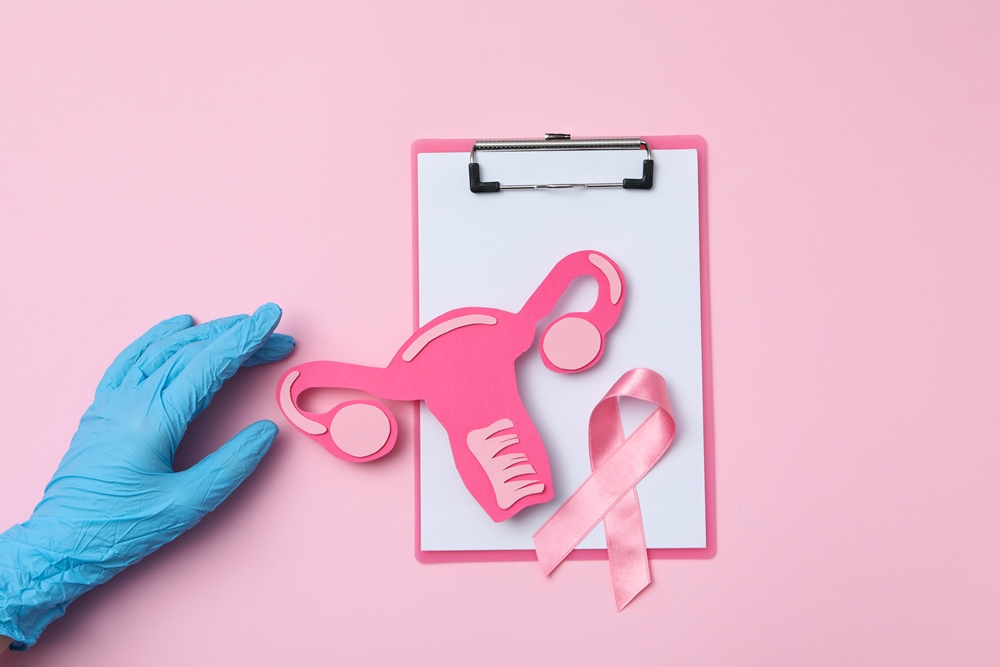
A non-profit has launched an endometriosis documentary featuring Amy Schumer and Marilyn Monroe as it pushes for changes in how the condition is treated and understood.
The Endometriosis Collective has launched to change how endometriosis is researched, treated and understood, starting with a documentary featuring stories from people including Amy Schumer and Marilyn Monroe.
The feature-length documentary, “End of the Cycle”, will premiere in New York on Tuesday, and The Endometriosis Collective is making the film free to stream online.

Schumer, a comedian, writer and actor, has previously spoken of how endometriosis left her “on the floor in pain, vomiting from the pain, the pain that nobody can see.”
Schumer is one of several celebrities featured in the documentary. Other contributors include dancer Julianne Hough, Olympic medallist Brittany Brown and actors Janel Parrish and Folake Olowofoyeku.
The Endometriosis Collective timed the documentary premiere to coincide with the 100th anniversary of Marilyn Monroe’s birth.
Monroe, who died in 1962, starred in films such as “Some Like It Hot” and “Gentlemen Prefer Blondes.”
According to a biography published in 1985, Monroe’s endometriosis was so severe that it destroyed her marriages, her wish for children, her career and ultimately her life.
The Endometriosis Collective said the documentary shares newly uncovered information about Monroe’s experience with endometriosis.
The non-profit said the information connects Monroe’s story to the experiences of women across generations, highlighting how far awareness, research and care still have to go.
A representative of the Marilyn Monroe Estate said: “By sharing this part of her story through ‘End of the Cycle,’ we hope to honour her legacy in a way that brings visibility to endometriosis, encourages more open dialogue and helps inspire the research needed to create change.”
As part of the premiere, The Endometriosis Collective is holding a panel discussion.
Schumer, Brown and Olowofoyeku, the documentary’s co-directors Sammy Jaye and Soraya Simi, and medical experts are due to be part of the premiere.
AbbVie’s Orilissa and Sumitomo Pharma’s Myfembree are among the approved drugs for endometriosis pain.
Hough, one of the participants in the documentary, starred in an Orilissa campaign in 2017.











 Menopause1 week ago
Perimenopause misinformation ‘putting women at risk’

 News4 weeks ago
NIH Grant terminations disproportionately impact minority scientists, research finds

 Adolescent health4 weeks ago
WUKA brings Period-Positive Pool Party to London Aquatics Centre to keep girls swimming through puberty
 Insight3 weeks ago
PCOS renamed after decade-long campaign to end ‘cyst’ misconception
 Events4 weeks ago
WHIS 2026 unveils agenda and first speakers for the leading women’s health summit

 Menopause4 weeks ago
CBT shows promise for menopause insomnia and hot flashes

 Hormonal health2 weeks ago
NHS urged to update website following renaming of PCOS
 News6 days ago
Three menopause innovators shortlisted for Femtech World Award