Connect with us

Cancer

Tumour organoids from breast cancer patients successfully cultivated for the first time

Published

on

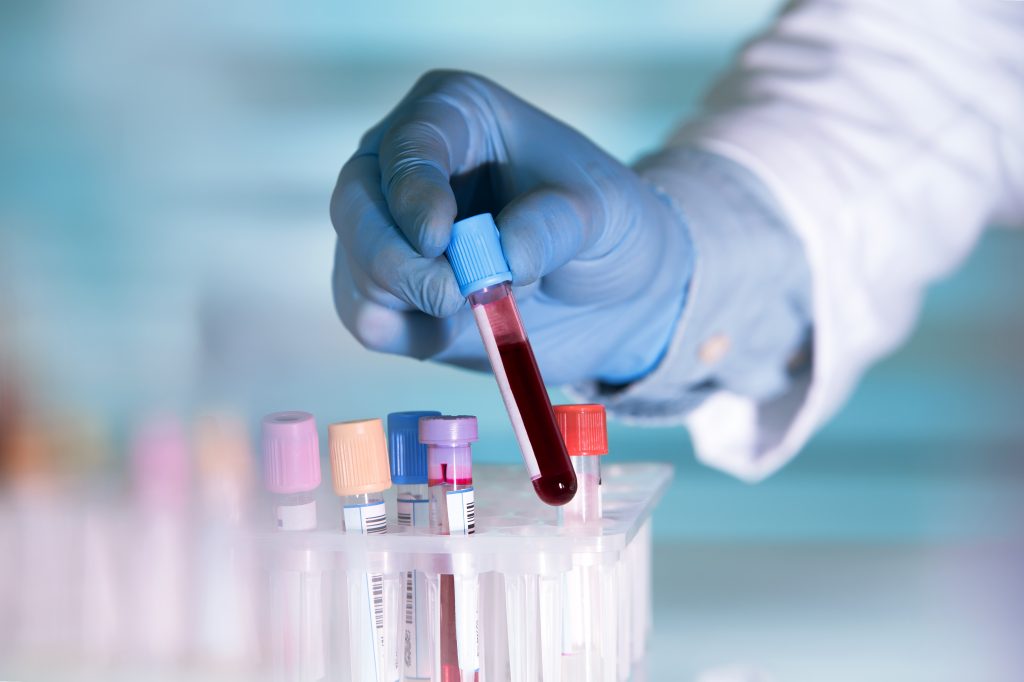
Stable tumour organoids have been directly taken from blood samples of breast cancer patients; in a world first that could speed the development of new treatments

Tumour cells circulating in the blood are the “germ cells” of breast cancer metastases – cancer cells that detach from its original tumour and spread around the body. Until now, these cells could not be  propagated in culture dishes, posing a barrier to research into therapy resistance.

Using these mini-tumours, researchers have deciphered a molecular signalling pathway that ensures the cancer cells’ survival and resistance to therapy, enabling the development of an approach to eliminate them.

The researchers emphasise that these circulating cancer cells (CTCs) are extremely rare and hide among the billions of blood cells.

Andreas Trumpp, head of a research division at the German Cancer Research Center (DKFZ), which carried out the study, had previously shown that only a few CTCs can form a new metastasis in another organ.

Roberto Würth from Trumpp’s lab and first author of the paper said: “This makes it difficult to develop targeted new therapies that directly attack the metastasis-initiating cells. However, if we understand how these cells survive the initial therapy and what drives their resistance, we could tackle the formation of breast cancer metastases at the root and perhaps one day even prevent them.”

The researchers were able to multiply the CTCs and grow them as stable tumour organoids in the culture dish.

The team say that three-dimensional and patient-specific mini-tumours can be cultivated from blood samples several times during the course of the disease and are ideally suited for investigating the molecular mechanisms that enable tumours to survive despite therapy.

They found that the protein NRG1 acts like a fuel, binding to the HER3 receptor on the cancer cells and, together with the HER2 receptor, activates signalling pathways that ensure the growth and survival of the cells, and that an alternative signalling pathway, controlled by FGFR1, ensures growth and survival.

“With the help of such ‘bypasses’, tumours react to external influences, for example to targeted therapies against HER2. This is a crucial mechanism in the development of therapy resistance,” said Würth.

The researchers then used organoids to show that blocking both the NRG1-HER2/3 and FGFR signalling pathways can effectively stop the tumour growth and induce cell death.

Trumpp said: “The possibility of cultivating CTCs from the blood of breast cancer patients as tumour organoids in the laboratory at different time points is a decisive breakthrough. This makes it much easier to investigate how tumour cells become resistant to therapies.

“On this basis, we can develop new treatments that may also specifically kill resistant tumour cells. Another conceivable approach is to adapt existing therapies in such a way that the development of resistance and metastases is reduced or even prevented from the outset.

“As the organoids are specific to each patient, this method is suitable for identifying or developing customised therapies that are optimally tailored to the respective diseases.”

The team say the method must now be tested in clinical trials.
Diagnosis

Researchers teach AI to spot cancer risk by squeezing individual breast cells

Published

on

An AI tool could help spot breast cancer risk by analysing how individual breast cells behave when squeezed under stress, research suggests.

Researchers at City of Hope and the University of California, Berkeley, created a microfluidic platform that assesses women’s breast cancer risk at the cellular level.

The platform squeezes individual breast epithelial cells, which line breast tissue, to measure how they deform, recover and behave under stress.

Because more than 90 per cent of women do not have a known genetic predisposition to breast cancer or a family history of the disease, the researchers said the approach could help fill a key gap in risk assessment.

Mark LaBarge, professor in the department of population sciences at City of Hope, said: “For women with a known genetic risk factor for breast cancer, there are things you can do like follow a higher-risk screening protocol. For everybody else, you’re left wondering, ‘Am I at high risk?’

“By translating physical changes in cells into quantifiable data, this tool gives women something tangible to discuss with their doctors, not just risk estimates, but evidence drawn directly from their own cells.”

The researchers developed a machine learning algorithm that identifies and measures cells showing signs of accelerated ageing, generating an individual breast cancer risk score.

They said the platform uses simple electronics that could be easy and affordable to replicate on a large scale.

Lydia Sohn, chair in mechanical engineering at UC Berkeley, said: “Our team isn’t the first to measure the mechanical properties of cells; however, other approaches require advanced imaging technology that’s expensive, cumbersome and has limited availability.

“In contrast, MechanoAge uses computer chips that are simpler than an Apple Watch and ‘RadioShack parts’ that are cheap and easy to assemble, potentially making the device highly scalable.”

About 6 per cent of women who develop breast cancer carry known genetic mutations.

For women outside this group, risk is usually estimated indirectly using population models or measures such as breast density, which can both overestimate and underestimate individual risk.

The researchers said there is currently no non-genetic test that can identify women at higher risk of breast cancer.

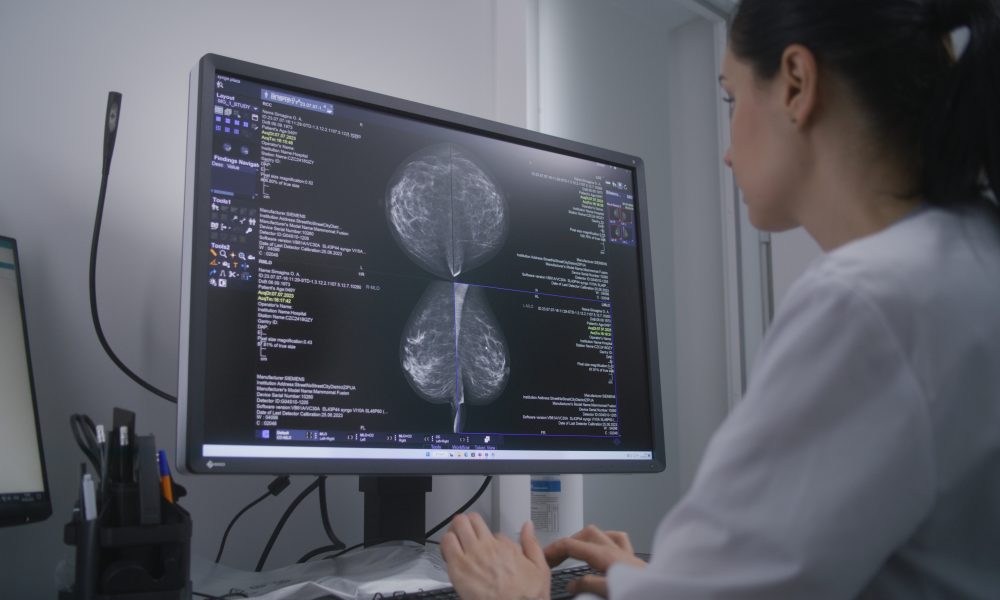
Screening mammograms can detect cancer only once it has started to grow, but the MechanoAge platform aims to assess risk earlier by looking for physical changes in individual cells.

Using the platform, the researchers found that breast cells appear to have a “mechanical age” separate from a person’s chronological age, based on how the cells respond to stress.

They said this is the first time mechanical age has been quantified in biological cells.

Sohn said: “We learned that the older the mechanical age, as determined by how cells respond to being squeezed through our microfluidic device, the higher the risk for breast cancer.”

In this type of mechano-node-pore sensing, an electrical current is measured across a liquid-filled channel.

As cells pass through, they disrupt the current, generating measurements about their size and shape. By narrowing parts of the channel, researchers squeeze the cells and then measure how long each one takes to return to its normal shape.

The team found that cells from older women were stiffer and took longer to bounce back after being squeezed.

They also identified a subset of younger women whose cells behaved more like those from older women. These cells came from women with genetic mutations linked to a higher breast cancer risk.

The researchers then refined the algorithm to assign a risk score based on the cells’ measured mechanical and physical properties. They said it successfully identified women with known genetic risks.

The team then used it to compare cells from healthy women, women with a family history of breast cancer, and cells taken from the healthy breast of women with breast cancer in the other breast.

LaBarge said: “With accuracy, we were able to figure out which women were at high risk of breast cancer and which women didn’t seem to be.”

The work grew out of more than 12 years of collaboration between the two labs, combining engineering with cancer and ageing biology.

Sohn said: “It’s a true collaboration. We’ve learned a lot from each other.

LaBarge added: “In my view, this is what happens when you have a real collaboration that develops over a long time. This result is not what we imagined at the beginning.”

Continue Reading

Diagnosis

Experimental drug drowns triple-negative breast cancer cells in toxic fats

Published

on

An experimental drug slowed triple-negative breast cancer in mice by flooding tumour cells with toxic fats.

Triple-negative breast cancer lacks three common drug targets, making it one of the hardest-to-treat and most aggressive forms of the disease.

The compound, known as DH20931, appears to push cancer cells past their limits by triggering a surge in ceramides, fat-like molecules that place the cells under intense stress until they self-destruct.

In lab experiments, the drug also made standard chemotherapy more effective. When combined with doxorubicin, researchers were able to reduce the dose needed to kill cancer cells by about fivefold.

The drug targets an enzyme known as CerS2 to sharply increase production of these lipids and stress cancer cells. Healthy cells, by contrast, showed lower sensitivity to the drug in lab tests.

While the early results are promising, further preclinical and clinical trials would still be needed to determine the safety and effectiveness of DH20931 in humans.

Satya Narayan, a professor in the University of Florida’s College of Medicine, led the study with an international group of collaborators.

The researchers published their results on human-derived tumours on 21 April and presented their findings on combination therapy at the annual meeting of the American Association for Cancer Research in San Diego.

Narayan likened the drug’s effects to a home’s electrical system handling a power surge.

While healthy cells act like a properly grounded and installed circuit, cancer cells are more like a jumble of mismatched wires and faulty fuses. DH20931 overwhelms cells not with electricity, but with fats.

He said: “When that surge goes into the cancer cells, they cannot handle the amount of power they are getting. The fuses burn out, the cell can’t handle the surge and it dies.”

The compound was developed at the University of Florida in the lab of Sukwong Hong.

Hong, now a professor at the Gwangju Institute of Science and Technology in South Korea, created DH20931 as one of many drug candidates tested for efficacy in Narayan’s lab.

In the study, researchers implanted human triple-negative breast cancer tumours into mice and treated them with DH20931.

The drug significantly slowed tumour growth without causing noticeable weight loss or signs of toxicity in the animals. In separate lab experiments, it also showed activity against other breast cancer subtypes.

In addition to increasing lipid levels, DH20931 triggers a second stress signal by flooding cells with calcium.

Together, these effects disrupt the mitochondria, the structures that produce a cell’s energy, ultimately leading to cell death.

Narayan said: “It does not just follow one pathway but it goes through multiple pathways. It’s a two-hit hypothesis.

“These pathways are common in all breast cancer types and other solid tumours, so we think this drug can be useful not only in triple-negative breast cancer but potentially other cancers as well.”

Continue Reading

Cancer

Elimination of cervical cancer in EU an ‘achievable goal’, report finds

Published

on

Cervical cancer elimination in the EU is becoming achievable as HPV vaccination coverage rises, a new report says.

As Europe marks European Immunisation Week 2026, the European Centre for Disease Prevention and Control said progress in human papillomavirus vaccination is continuing across the EU and European Economic Area.

All EU and European Economic Area countries now recommend HPV vaccination for adolescent girls and boys as part of their immunisation programmes, marking a major step forward in Europe’s cancer prevention efforts.

Bruno Ciancio, head of unit, directly transmitted diseases and vaccine preventable diseases at the European Centre for Disease Prevention and Control, said: “The elimination of cervical cancer in the EU/EEA is becoming an achievable goal, thanks to the HPV vaccination programmes.

“The progress we are seeing across Europe demonstrates what can be accomplished when countries invest consistently in effective immunisation strategies.

“We are closely monitoring this progress and actively supporting countries to accelerate uptake and move faster towards cervical cancer elimination.”

According to the report, three EU and European Economic Area countries, Iceland, Portugal and Norway, have reached the 2024 EU Council Recommendation target of 90 per cent HPV vaccination coverage among girls by the age of 15.

Fifteen years after HPV vaccination programmes were introduced in Europe, a growing body of evidence confirms the vaccine is highly effective in preventing cervical cancer.

Large-scale studies from Sweden, the Netherlands and Denmark, as well as other parts of the world, have shown significant reductions in HPV infections and precancerous lesions, which are abnormal cell changes that can develop into cancer if left untreated, alongside falling cervical cancer rates among vaccinated women.

Since 2020, European countries have reported a decreased incidence of cervical cancer among vaccinated women.

Studies from Sweden, Denmark and the UK show that early administration of the vaccine increases its full protective potential.

A Swedish study suggested that vaccinating girls before their 17th birthday reduced the incidence of cervical cancer by 88 per cent.

An additional six-year follow-up found a sustained reduction in cervical cancer risk and a population-level decline in invasive cervical cancer incidence after HPV vaccination.

The report showed that vaccination programmes and health system design are critical factors in reaching high levels of HPV vaccination coverage.

Evidence from across Europe showed that school-based vaccination programmes are particularly effective and tend to reach higher levels of coverage among both girls and boys.

Continue Reading

Trending

Copyright © 2025 Aspect Health Media Ltd. All Rights Reserved.