




Connect with us

Fertility

IVF success rates higher if egg collection is done in the summer, say researchers
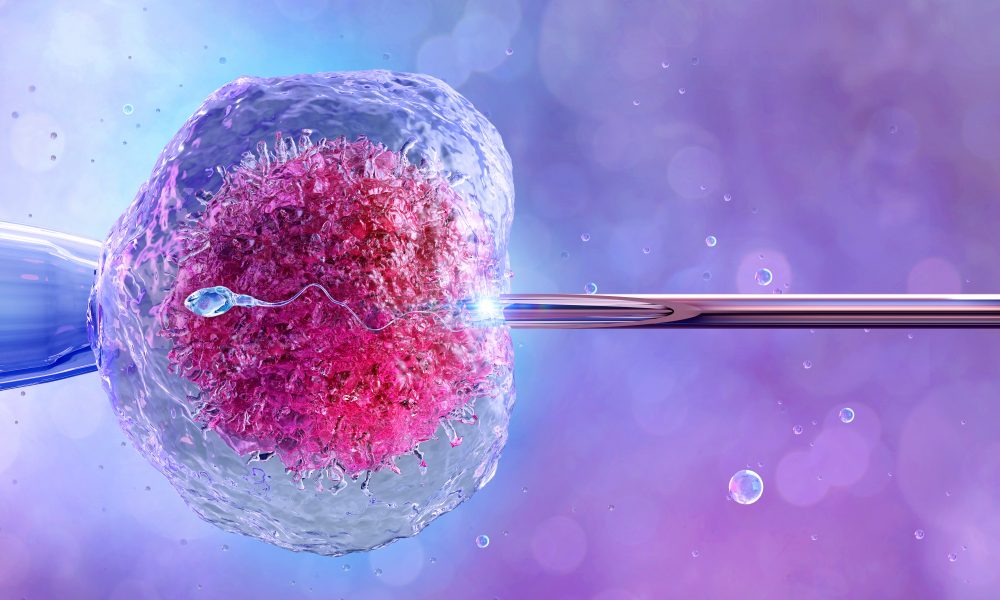
New study suggests the best conditions for live births appear to be associated with summer

Published

on

The time of year when eggs are collected from women’s ovaries during fertility treatment could make a difference to live birth rates, new research has found.

Australian researchers have found that transferring frozen then thawed embryos to women’s wombs from eggs collected in the summer resulted in a 30 per cent higher likelihood of babies born alive than if the eggs had been retrieved in the autumn.

The team found a 28 per cent increase in the chances of a live birth among women who had eggs collected during days that had the most sunshine compared to days with the least sunshine.

“Over the duration of our study, the average live birth rate following frozen embryo transfer in Australia was 27 births per 100 people. In our study, the overall live birth rate following frozen embryo transfer was 28 births per 100 people,” said Dr Sebastian Leathersich, an obstetrician, gynaecologist and fellow in reproductive endocrinology and infertility at Fertility Specialists of Western Australia, City Fertility Centre, and the King Edward Memorial Hospital in Perth, Australia, who led the study.

“If eggs were collected in autumn, it was 26 births per 100 people, but if they were collected in summer there were 31 births per 100 people. This improvement in birth rates was seen regardless of when the embryos were finally transferred to the women’s wombs.

“The live birth rates when eggs were collected in spring or winter lay between these two figures, and the differences were not statistically significant.”

Until now, there have been conflicting findings on the effects of the seasons on pregnancies and live birth rates following egg collection and embryo freezing.

“It’s long been known that there is seasonal variation in natural birth rates around the world, but many factors could contribute to this including environmental, behavioural and sociological factors,” Leathersich explained.

“Most studies looking at IVF success rates have looked at fresh embryo transfers, where the embryo is put back within a week of the egg being collected. This makes it impossible to separate the potential impacts of environmental factors, such as season and hours of sunshine, on egg development and on embryo implantation and early pregnancy development.

“These days, many embryos are ‘frozen’ and then transferred at a later date. We realised this gave us an opportunity to explore the impact of environment on egg development and on early pregnancy separately by analysing the conditions at the time of egg collection independently from the conditions at the time of embryo transfer.”

Leathersich and his colleagues analysed outcomes from all frozen embryo transfers carried out at a single clinic in Perth over a period of eight years, from January 2013 to December 2021.

During this time there were 3,659 frozen embryo transfers with embryos generated from 2,155 IVF cycles in 1,835 patients. Information on outcomes was missing for two frozen embryo transfers and so these were excluded, leaving 3,657 for analysis.

The researchers looked at birth outcomes according to season, temperatures, and the actual number of hours of bright sunshine, as opposed to calculating hours from sunrise to sunset. They obtained the data on weather from the Australian Bureau of Meteorology. They created three groups for duration of sunshine on days when eggs were collected: low sunshine days, medium sunshine days and high sunshine days.

“When we looked specifically at the duration of sunshine around the time the eggs were collected, we saw a similar increase to that seen for egg collection during the summer,” Leathersich explained.

“The live birth rate following a frozen embryo transfer from an egg that was collected on a day with fewer hours of sunshine was 25.8 per cent.

“This increased to 30.4 per cent when the embryo came from an egg that was collected on days with the most hours of sunshine. When we took into account the season and conditions on the day of the embryo transfer, this improvement was still seen.”

The temperature on the day of egg collection did not affect the chances of a live birth. However, the chances of a live birth rate decreased by 18 per cent when the embryos were transferred on the hottest days compared to the coolest days and there was a small increase in miscarriage rates.

The study suggests that the best conditions for live births appear to be associated with summer and increased sunshine hours on the day of egg retrieval, Leathersich said.

“There are many factors that influence fertility treatment success, age being among the most important. However, this study adds further weight to the importance of environmental factors and their influence on egg quality and embryonic development,” he added.

“We effectively separated the conditions at the time of egg collection from the conditions at the time of transfer, demonstrating that environmental factors when the eggs are developing are as, if not more, important than environmental factors during implantation and early pregnancy.

“Optimising factors such as avoiding smoking, alcohol and other toxins and maintaining healthy activity levels and weight should be paramount. However, clinicians and patients could also consider external factors such as environmental conditions.”

Factors that may play a role in the increased live birth rates after egg collection in the summer and during more sunshine hours include melatonin. Levels of this hormone are usually higher in winter and spring, and eggs take three to six months to develop before they are released from the ovaries.

Differences in lifestyles between winter and summer months may also play a role, scientists say. The finding that miscarriage rates were highest when embryo transfer took place on the hottest days are consistent with epidemiological studies that show higher rates of miscarriage in the summer months.

“This suggests that the negative effects of high temperature are more likely related to early pregnancy rather than egg development,” said Dr Leathersich.

Limitations of the study include the fact that it is a retrospective rather than prospective study: looking back at what had already happened. For this reason, it can’t show that conditions at the time of egg collection cause the difference in live birth rates, only that they are associated with them.

“Ideally, these findings should be replicated in other sites with different conditions and different treatment protocols to confirm the findings,” Leathersich concluded.

“It would also be interesting to look at the impact of season and environmental factors on sperm parameters, as this could have contributed to our observations. We are now planning to analyse this same group of patients using air quality data, as there may be seasonal changes in exposure to harmful pollutants which could negatively affect reproductive outcomes.

“Finally, given the huge increase in so-called ‘social egg freezing’ for fertility preservation and the fact that this group generally have flexibility about when they choose to undergo treatment, it would be very interesting to see if these observations hold true with frozen eggs that are thawed and fertilised years later.

“Any improved outcomes in this group could have big impacts for women making decisions about their future fertility, but the long-term follow-up required means it is likely to be some time before we can draw any conclusions for this population.”

Fertility

Older women face lower chance of fertility treatment working, even with donor eggs, study finds

Published

on

IVF success declines with age even when women use young donor eggs, with a marked fall from around 49, research suggests.

The findings challenge the idea that donor eggs can fully “reset” the reproductive clock, although researchers said they should not discourage older couples from trying.

Dr Beatrice Crestani, from an assisted reproduction medical institute in Italy, said reproductive ageing had traditionally been seen mainly as an issue involving the ovaries.

She said replacing older eggs with younger donor eggs was often believed to “reset” the reproductive clock.

Dr Crestani added: “Our findings suggest the picture is more complex.”

The study followed 1,774 women undergoing in vitro fertilisation, or IVF, using donated eggs. IVF involves fertilising an egg in a laboratory before transferring an embryo to the womb.

Women in their mid to late 30s had a 54 per cent chance of becoming pregnant after treatment, compared with around 43 per cent among those aged 49 or older.

Live birth rates fell from 46 per cent to 32 per cent, while miscarriage rates rose from 24 per cent to 38 per cent.

Women aged 49 and older had twice the risk of miscarriage compared with those aged 35 to 40.

Researchers believe changes to the endometrium with age may help explain the difference. The endometrium is the lining of the womb where a fertilised egg or embryo implants and grows.

Although the thickness of the womb lining was similar across the age groups, its condition declined with age.

Researchers said future work might find ways to predict, prevent or improve uterine ageing.

Dr Crestani said: “These findings should not discourage women from pursuing donor-egg treatment, because success rates remain meaningful even at advanced ages.

“However, patients should be counselled that donor eggs cannot completely eliminate the effects of reproductive ageing, particularly beyond 49 years.”

Among women who transferred all their available embryos, the live birth rate was around 80 per cent for those aged 35 to 40 and 62.5 per cent for those aged 49 or older.

Experts stressed that the health of the womb and ovaries differs between women.

There is no legal upper age limit for IVF in the UK, unlike some European countries. Greece has an upper limit of 54.

Women in the UK can donate or share their eggs up to the age of 36.

Regulators ask private UK clinics to assess the welfare of any resulting child and whether the recipient can safely carry a pregnancy.

NHS guidelines recommend offering three IVF cycles to women up to the age of 40 and one cycle to women up to the age of 42.

Patients using donor eggs usually have to fund that part of the treatment themselves.

People conceived using sperm, eggs or embryos from donors registered after 1 April 2005 can request identifying information about their biological donor parent once they turn 18.

The findings are being presented at the European Society of Human Reproduction and Embryology.

Professor Borut Kovacic, chair-elect of the society, said researchers were trying to better understand the “cross-talk” between an implanting embryo and the womb lining. This refers to the biological signals exchanged during implantation.

He said the age threshold associated with the beginning of a loss of uterine function was unlikely to be absolute.

Professor Kovacic added: “It provides important information for patients and offers a valuable foundation for future research aimed at identifying novel biomarkers of uterine ageing.”

Dr Ippokratis Sarris, chair-elect of the British Fertility Society, called for more research.

He said pregnancies could carry greater risks for older women and recommended thorough health checks and counselling for couples beginning fertility treatment.

Continue Reading

Insight

Women with PMOS should have annual NHS checks, new guidance says

Published

on

Women with PMOS should receive annual NHS checks to spot related health risks sooner, according to new draft guidance.

Polyendocrine metabolic ovarian syndrome (PMOS) is a complex condition that can have wide-ranging effects across the body.

It affects around one in eight women and was formerly known as polycystic ovary syndrome. It was renamed in May to better reflect its broader effects.

Draft guidance from the National Institute for Health and Care Excellence (NICE) calls for quicker diagnosis and better monitoring.

Marie Anne Ledingham, consultant clinical adviser for women’s and reproductive health at NICE, described the recommendation for a “simple” annual review as an “important step”.

She said: “This new guideline will help improve consistency of care, increase awareness of the condition, and support earlier diagnosis and management.”

PMOS is a major cause of female infertility. Symptoms can include irregular or absent periods, difficulty becoming pregnant, excessive facial or body hair, weight gain, hair loss, oily skin and acne.

An estimated three million to four million women have the condition in the UK, but NICE says it remains underdiagnosed and inconsistently managed.

The proposed annual reviews would cover current symptoms and longer-term health risks linked to the condition, including diabetes and heart disease.

NICE says lifestyle changes and treatment could help prevent more serious illness.

There is no cure for PMOS, but NHS treatments can help manage its symptoms. These include hormone support and fertility drugs.

The draft guideline does not recommend laser or light therapies for hair reduction because of the cost.

Many women report difficulty understanding the possible cause of their symptoms or experience delays before receiving a diagnosis.

When doctors suspect PMOS, they may use blood tests to assess hormone levels and ultrasound scans to look for the multiple follicles often seen on the ovaries of those affected. Follicles are small, fluid-filled sacs in which eggs develop.

The draft guideline sets out when healthcare professionals should suspect the condition and how women should be assessed and diagnosed.

It also says PMOS should not be ruled out in women who have been through the menopause.

The condition is thought to be more common among black, Asian and mixed-ethnicity women. NICE says healthcare professionals should consider this when assessing symptoms.

PMOS can also have a significant effect on mental health and quality of life, with depression and anxiety described as common among women with the condition.

Women planning a pregnancy should receive advice on weight, diet, nutrition, exercise, sleep and mental health, according to the guidance.

The draft guideline is open for consultation from 1 July to 11 August 2026, with feedback invited from healthcare professionals, patients and the public.

The final guideline is expected to be published in December 2026.

Continue Reading

Fertility

Immunotherapy may temporarily restore fertility in premature menopause

Published

on

Immunotherapy may temporarily restore fertility in women with autoimmune premature ovarian insufficiency, a pilot study suggests.

Three of the 10 women who received treatment later gave birth to healthy babies.

Premature ovarian insufficiency, or POI, affects just over three per cent of women worldwide and occurs when the ovaries stop functioning before the age of 40.

The condition significantly reduces fertility and can have several causes, including autoimmune processes and genetics.

Researchers at Karolinska Institutet examined whether immunotherapy could make the ovaries temporarily responsive to hormonal stimulation in women with POI caused by autoimmunity.

The study included 12 women aged between 18 and 35 with autoimmune POI.

Two withdrew before treatment began. The remaining 10 underwent ovarian hormone stimulation before receiving rituximab and again four to six months after treatment.

Rituximab is an approved and well-established medicine used to treat several autoimmune conditions and cancers.

None of the women responded to ovarian stimulation before receiving the drug.

After treatment, six developed follicles that made it possible to retrieve eggs in response to ovarian stimulation.

Follicles are small sacs within the ovaries where eggs develop.

Professor Angelica Lindén Hirschberg, the study’s first author and a professor at Karolinska Institutet’s Department of Women’s and Children’s Health, said: “The results show that in some women there remains an egg reserve that can be activated when the autoimmune process is suppressed.”

In five women, mature eggs could be frozen or fertilised.

Three later had embryos transferred and all three gave birth to healthy babies.

For safety reasons, the embryo transfers took place no earlier than one year after treatment.

One serious side effect was reported and was linked to the hormone stimulation rather than the immunotherapy.

Women with autoimmune POI commonly have other autoimmune diseases.

All six women who responded to the treatment also had autoimmune Addison’s disease, a condition in which the immune system destroys the adrenal glands.

The study was a proof-of-concept investigation without a control group and involved a small number of participants, meaning the findings must be interpreted cautiously.

A proof-of-concept study is an early investigation designed to assess whether an approach could work before it is tested more widely.

Professor Lindén Hirschberg said: “This is a first step. To determine whether the method is effective and safe, larger, randomised studies are required.”

The research team has launched a larger randomised study.

The work was carried out by researchers at Karolinska Institutet, Karolinska University Hospital and the University of Bergen.

It was funded by organisations including the Swedish Research Council, the Knut and Alice Wallenberg Foundation, the Novo Nordisk Foundation and Region Stockholm.

The researchers reported no conflicts of interest.

POI is also linked to long-term health risks caused by oestrogen deficiency, including osteoporosis, an increased risk of cardiovascular disease, cognitive decline and poorer mental and sexual wellbeing.

Hormone replacement therapy can relieve menopausal symptoms and reduce many of these risks, but no treatment has been reliably shown to restore fertility in women with POI.

Egg donation was previously the only option for women with the condition who wanted to become pregnant.

Continue Reading

Trending

Copyright © 2025 Aspect Health Media Ltd. All Rights Reserved.

