



Insight
Don’t believe the social-media hype: why collagen face masks will probably let your skin down
By Melissa Snover, registered nutritionist and founder of Nourished

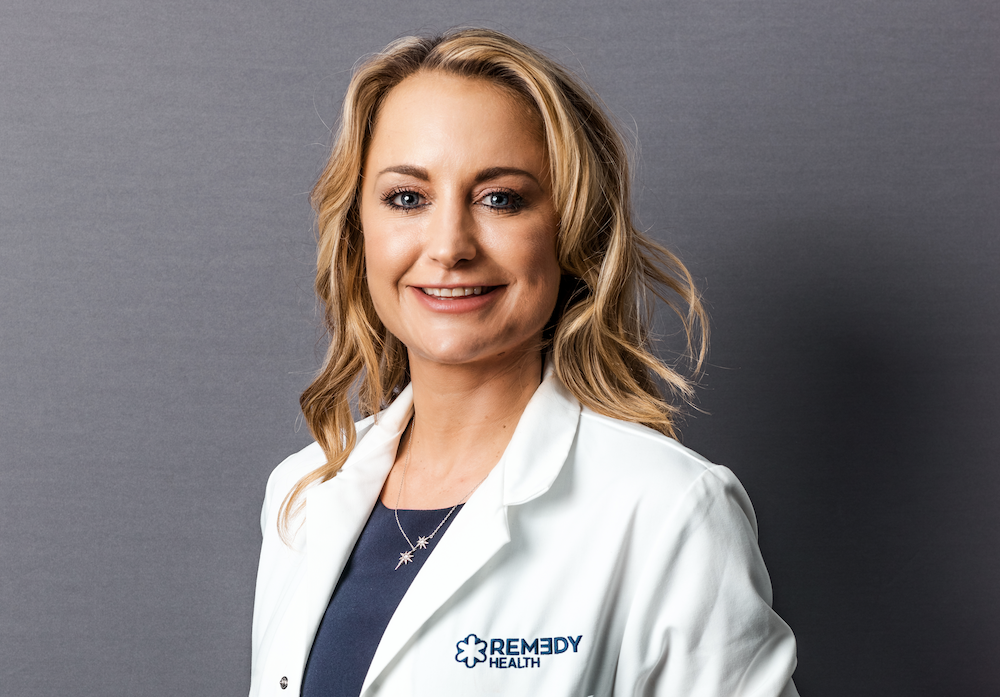
Melissa Snover, registered nutritionist and founder of Nourished personalised nutrient stacks, explains why the claims made for collagen skin treatments should be treated with a great deal of caution
Recently, there has been significant attention on social media and in the press, about how collagen face masks, creams and serums are a wonderful way to have firmer, younger-looking skin.
Beauty influencers have been talking about how masks make their skin plumper and even given them fuller lips. Meanwhile, we’re told that numerous celebrities swear by collagen serums and creams.
Collagen is, indeed, a vital protein for maintaining the health of your skin. As you get older, your body produces less, your skin dries and wrinkles appear.
Boosting your levels is definitely a way of delaying the appearance of aging. Your skin will become more elastic, and it will look fresher and less tired. But collagen creams, face masks and serums aren’t the best way forward. How well they work is open to a great deal of doubt. It should possibly go without saying, but don’t trust everything you see or hear on Instagram, TikTok and the like.
Influencers and marketing teams will tell you that applying a face mask or serum are great ways to absorb collagen into your skin. However, collagen molecules are quite large – usually too large to move through your skin into your bloodstream, which is where they are needed if they are going to be broken down and have real impact.
When placed in a cream or mask, these molecules are largely going to just sit on or near the skin’s surface. Collagen masks and serums may moisturise your skin and make it look healthier and firmer, in the short term. They may contain other ingredients than can help nourish it but they are unlikely to bring any long-term benefits through collagen.
Many social media reviews and posts about collagen creams and masks talk about instant effects. These may even be visible on camera, such as plumper skin reducing the appearance of fine lines, but they don’t tend to focus on long-term benefits.
Influencers aren’t usually qualified dermatologists or nutritionists. They don’t always have an in-depth understanding of how to maintain skin health in a lasting way.
Some collagen masks and serums contain hydrolysed collagen. These are smaller protein chains that you may have heard are easier for the skin to absorb. This is true, to an extent, but be wary of online or marketing exaggeration. The collagen they contain is still very unlikely to penetrate deep enough to have substantial effects.
The best way to get collagen into your system is through nutritional supplements and stacks – pills, drinks and gummies whose ingredients are absorbed quickly by the bloodstream. They supply the body directly with collagen and collagen peptides break down into amino acids to support the body’s own production of further collagen.
Over days and weeks – not instantly, as the TikTok videos may have you believe with face masks – your skin will become more radiant and should have fewer wrinkles. You’ll also boost your joint health.
Pro-collagen skin masks and creams promise to provide ingredients, such as vitamin C, that stimulate the body to produce its own collagen but even these are far less likely to have long-term positive effects than a supplement that contains collagen and pro-collagens.
In an era where social media can often blur the lines between marketing and science, it is crucial to rely on evidence-based practices for health and wellness.
Content creators often lack the expertise of medical experts and can make exaggerated or false claims without scientific studies to back them up.
They may not do this deliberately but they are in the business of likes, views and leaping on to the latest trends, not following carefully conducted research and studies. They also generally can’t give personalised advice, potentially leading to ineffective or even damaging results.
Nourished provides personalised nutrition stacks containing countless combinations of everything from zinc to ginseng and beetroot. They can boost your bones, your heart, energy – and your skin.
Our Collagen+ Stacks, contain Ovoderm®, a premium source of collagen consisting of over 400 proteins and Collagen I, V & X. The product is created from eggshell waste, so is more sustainable than many animal or marine-derived collagen brands, which are associated with poor animal-welfare practices and overfishing.
For more information, visit get-nourished.com/











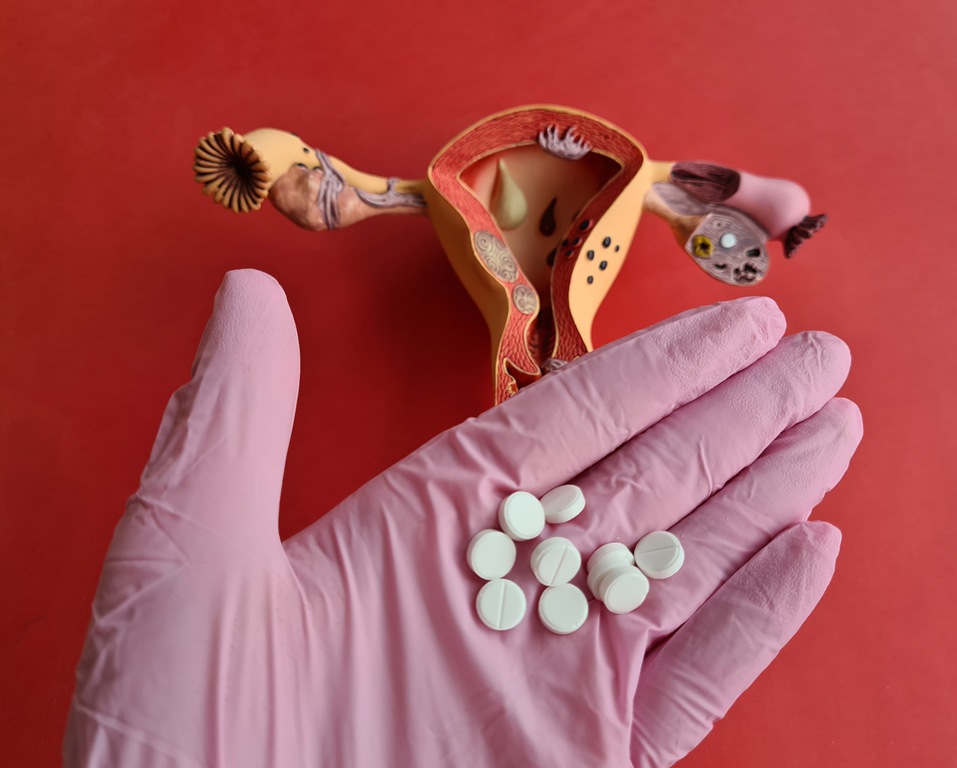
GSK said its ovarian cancer drug shrank or cleared tumours in more than 60 per cent of patients in an early trial as CCO Luke Miels pushes faster development.
The company said that in an early-stage trial, Mocertatug Rezetecan, known as Mo-Rez, shrank or eliminated tumours in 62 per cent of patients with ovarian cancer after chemotherapy had failed, and in 67 per cent of those with endometrial cancer.

Hesham Abdullah, GSK’s global head of cancer research and development, said: “Treatment of gynaecological cancers remains a major challenge, with a pressing need for new therapies that offer improved response rates.
“With Mo-Rez we now have compelling evidence of a promising clinical profile.”
GSK acquired the Mo-Rez treatment, an antibody-drug conjugate, from China’s Hansoh Pharma in late 2023 and has trialled it in 224 patients around the world, including the UK, over the past year.
Only a few patients needed to stop treatment because of side effects, the most common being nausea.
It is given every three weeks by intravenous infusion, meaning directly into a vein.
Combined with data from a separate intermediate trial in China, the results have given the British drugmaker the confidence to go straight to late-stage trials, with five clinical studies planned globally in the next few months, including on patients in the UK.
Speaking to journalists before the conference, Abdullah described Mo-Rez as a “key asset” in the company’s growing cancer portfolio.
It is expected to be a blockbuster drug, with peak annual sales of more than £2bn, which GSK hopes will help it achieve its 2031 sales target of £40bn.
A few years ago GSK did not have any cancer drugs on the market, but it now has four approved medicines and 13 in clinical development.
Last year, oncology generated nearly £2bn in sales, up 43 per cent from 2024, with sales of its endometrial cancer drug Jemperli rising 89 per cent.

Self-employment is linked to lower rates of high blood pressure, obesity, diabetes, poor health and binge drinking in Hispanic women, research suggests.
The findings, published in the peer-reviewed journal Ethnicity & Disease, suggest work structure may be related to cardiovascular disease risk among this group.

Dr Kimberly Narain is assistant professor of medicine in the division of general internal medicine and health services research at the David Geffen School of Medicine at UCLA, senior author of the study, and director of health services and health optimisation research for the Iris Cantor-UCLA Women’s Health Center.
She said: “Hispanic women experience a disproportionate burden of heart disease compared to non-Hispanic women. This is the first study to link the structure of work with risks for heart disease among this group of women.”
The researchers examined 2003 to 2022 data from the Behavioral Risk Factor Surveillance System to assess the association between self-employment, cardiovascular disease risk factors and health outcomes for Hispanic women.
The data included 165,600 Hispanic working women. Of those, about 21,000, or 13 per cent, were self-employed rather than working for wages or a salary.
Overall, the researchers found that self-employed women were less likely to report cardiovascular-disease-associated health problems.
They were also about 11 per cent more likely to report exercising compared with their non-self-employed counterparts.
Specifically, they found that self-employed Hispanic women had a 1.7 percentage point lower chance of reporting diabetes, roughly a 23 per cent decline.
They also had a 3.3 percentage point lower chance of reporting hypertension, roughly a 17 per cent decline.
The study also found a 5.9 percentage point lower chance of reporting obesity, roughly a 15 per cent decline.
It found a 2.0 percentage point lower chance of reporting binge drinking, roughly a 2 per cent decline.
It also found a 2.5 percentage point lower chance of reporting poor or fair overall health, roughly a 13 per cent decline.
The relationship between heart disease risks and the structure of work among Hispanic women was not driven by access to healthcare or differences in income, Narain said.
In fact, the decrease in high blood pressure linked to self-employment was nearly as large as the decrease in high blood pressure linked to being in the highest income group.
The study has some limitations.
The researchers relied on self-reported outcomes, which might be less reliable among ethnic and racial minorities and those from a lower socioeconomic background.
In addition, the researchers’ definition of poor mental health does not entirely match the accepted definition in the fifth edition of the Diagnostic and Statistical Manual of Mental Disorders.
They also did not have data allowing them to examine the specific types of occupations held by the women.
The study design also cannot prove any causal relationship between self-employment and cardiovascular disease risk, which is a subject the researchers will explore.
“The next step in the research is to conduct studies that are able to better assess if the structure of work is a cause of higher heart disease risks among Hispanic women.”
Narain said this.
Study co-authors are Lisette Collins, who led the research, and Dr Frederick Ferguson of UCLA.
Grants from the Iris Cantor-UCLA Women’s Health Center-Leichtman-Levine-TEM program and the UCLA National Clinician Scholars Program supported the research.












 Entrepreneur2 weeks ago
Three sessions that show exactly where women’s health is heading in 2026

 News4 weeks ago
Luna and Kindbody partner to bring data-driven insight to women’s health and fertility care

 Fertility4 weeks ago
Menstruation costs £20,359 a lifetime, sparking calls for Government action

 Menopause3 weeks ago
California plans US$3.4m menopause care overhaul

 News4 weeks ago
Halogen Ventures surpasses 100 investments in female-founded startups

 Menopause3 weeks ago
Watchdog bans five ads for women’s heath claims

 Pregnancy2 weeks ago
How NIPT has evolved and what AI NIPT means in 2026

 Wellness4 weeks ago
Peers push to pardon women criminalised under abortion laws
3 Comments