




Special
How to prepare for an egg freezing consultation
By Jenny Saft, CEO and co-founder of Apryl


Jenny Saft, co-founder of the fertility benefits platform Apryl, shares her tips on how to prepare for your first egg freezing consultation.
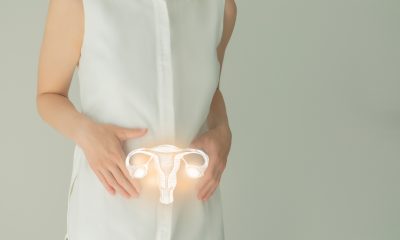
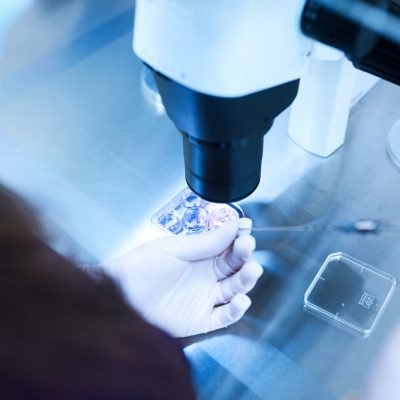
Egg freezing is a procedure that involves collecting a woman’s eggs from her ovaries and freezing them for use in the future.
There are a number of reasons why women may choose to freeze their eggs. Often, women want to preserve their fertility so that they can try and have a family when they are ready at a later date.
This is known as ‘social’ egg freezing. Women may also choose to freeze their eggs before undergoing medical treatment that may impact their fertility, such as chemotherapy. When a woman is ready to use the frozen eggs, they are defrosted and fertilised, before being transferred to the womb.
How to prepare for an egg freezing consultation
Research your clinic
Not all fertility clinics are created equal. So before selecting a clinic for your egg freezing procedure, it’s important to do your research.
Start by making a list of your priorities, such as cost, location or your connection with the fertility doctor. Also consider the areas where you might be willing to compromise. Once you’ve decided on your criteria for a clinic, you’ll be able to narrow down your options.
Comparing different clinics, visiting their facilities and reading reviews are excellent ways to obtain valuable information and build a bigger picture of the clinic before you commit.
Think through the questions you want to ask at your consultation
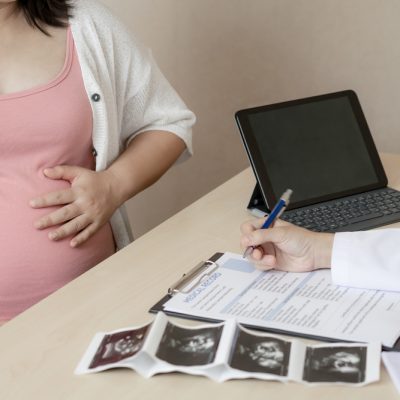
A fertility consultation can feel daunting. Preparing the questions you want to ask in advance can help you ensure you cover everything and don’t forget to ask about something that’s important to you.
A great question to ask (which people often forget) is ‘who are the clinic’s embryologists and how experienced are they?’. The quality of the embryologists will determine the quality of the egg freeze and thaw (should you eventually wish to use them).
Don’t be afraid to ask difficult questions and ask again if the answers you’re given aren’t clear.
Get clarity on costs
The exact cost of egg freezing procedures varies significantly from clinic to clinic – and will also vary depending on whether you eventually use the frozen samples, and how long they are in storage for.
Typically, one egg freezing cycle tends to cost between £3,800 to £5,000 in the UK, with an annual storage fee of up to £350. Sometimes, it can take women two or three cycles to collect the number of eggs they want to freeze.
There is no ‘perfect’ number, and the number of eggs you choose to freeze will depend on your age, ovarian reserves and reason for freezing. However, data does show that if you freeze at least 20 eggs before the age of 35, you have a 90 per cent chance of having at least one birth.
If you choose to fertilise the eggs and go for embryo transfer further down the line, this procedure can cost up to £5,000. So the whole process for egg freezing, thawing and transfer can cost anything up to £10,000, and sometimes more.
Getting clarity on estimated costs at the clinic you choose will help you to prepare financially and will prevent ‘surprise’ or unexpected costs from setting you back.
Check your workplace policy
Increasing numbers of employers are wrapping fertility support into their employee benefits packages. So, before you embark on your egg freezing journey, check what support is in place where you work.
From giving staff paid time off for consultations and treatment-related sickness, to actually funding fertility treatments themselves and supporting people with fertility counselling, there are lots of great ways employers are helping. If your company has a fertility benefits policy in place, use this to your advantage.
Mentally prepare for treatment side-effects
Egg freezing impacts different people’s bodies in different ways. Knowing about the potential side effects will help you to prepare for the ways in which your body might change.
For example, injecting yourself with medication to stimulate ovulation can feel difficult and invasive to begin with; and the drugs themselves can lead to side effects including bloating and mood swings.
The egg retrieval procedure can lead to cramps (similar, for many women, to bad period pains) and bruising around the abdomen. For most women, these side effects are more than worth it for the outcome. But if you know what to expect, you can be better prepared.
Overall, freezing your eggs should feel like an empowering experience and being prepared for your first consultation will help.
It’s important that you feel comfortable throughout the process, are able to trust your clinic and doctor and ask any questions that are on your mind.








Former US first lady Dr Jill Biden visited Imperial College Healthcare NHS Trust and Imperial College London to explore work on women’s health and antimicrobial resistance.
The visit was hosted by professor the Lord Darzi of Denham, who chairs the Fleming Initiative and directs Imperial’s Institute of Global Health Innovation.
Dr Biden, chair of the Milken Institute’s Women’s Health Network, spoke about the impact scientists, clinicians, innovators and investors can have on improving women’s healthcare.

Dr Biden stressed the importance of “collaboration, prevention and education” in improving women’s health globally.
At the museum, Dr Biden and Esther Krofah, executive vice-president of health at the Milken Institute, heard about the worldwide significance of the discovery and the contribution of women who, during wartime Britain, grew penicillin in bedpans to support early experimentation.
The discussion also explored how AMR is a key women’s health issue, with women disproportionately affected in low and middle-income countries, and in high-income settings where women are more likely than men to be prescribed antibiotics.
Dr Biden was shown an architectural model of the Fleming Centre in Paddington, which will bring together research, policy and public engagement to address AMR worldwide.
The second part of the visit brought together Imperial clinicians, researchers and innovators for a roundtable on women’s health priorities, including improving diagnosis, equity in maternity care and support during the menopause transition.
Participants highlighted wide variation in the quality of care for conditions affecting women and called for fairer access to services, with the postcode lottery named as a priority to address.
Professor Tom Bourne, consultant gynaecologist and chair in gynaecology at Imperial’s Department of Metabolism, Digestion and Reproduction, described how AI could improve diagnostic accuracy for conditions such as endometriosis.
Equity emerged as a central theme.
Professor Alison Holmes, professor of infectious diseases at Imperial College London and director of the Fleming Initiative, highlighted persistent gaps in women’s representation in clinical trials, including antibiotic studies, which limits the ability to optimise care and treatments.
Dr Christine Ekechi, consultant obstetrician and gynaecologist at Imperial College Healthcare NHS Trust, drew on national maternity investigations to underline the importance of valid data, meaningful engagement with affected communities and rebuilding trust.
Menopause and midlife health were also identified as priorities for clinical research.
Professor Waljit Dhillo, consultant endocrinologist and professor of endocrinology and metabolism in Imperial’s Department of Metabolism, Digestion and Reproduction, described a new treatment for hot flushes, including for women unable to take hormone replacement therapy, such as those with a history of breast cancer.
The discussion then turned to bringing innovation into health systems. Innovators shared how data and technology are being used to close gaps in women’s health, while noting challenges in accessing funding to grow and scale.
Dr Helen O’Neill and Dr Deidre O’Neill, co-founders of Hertility Health, described predictive algorithms using self-reported data to help diagnose gynaecological conditions at scale.
Embedded into clinical workflows, the technology could reduce waiting times, identify conditions earlier and improve outcomes. They noted how “we have cures for the rarest genetic conditions but don’t even have the answers to common women’s health issues.”
Dr Lydia Mapstone, Dr Tara O’Driscoll and Dr Sioned Jones, co-founders of BoobyBiome, outlined work creating products that harness beneficial bacteria found in breast milk to support infant health.
By isolating and characterising key microbial strains, BoobyBiome has created synbiotics, combinations of beneficial bacteria and the food that nourishes them, to make these benefits accessible to all babies.
Speakers throughout the visit stressed the need to reduce variation in care quality and outcomes for women, strengthen prevention and education, and address power and equity in women’s health.
Professor the Lord Ara Darzi said: “It was a privilege to welcome Dr Biden and the Milken Institute to Imperial to meet some of the outstanding researchers, clinicians and innovators advancing women’s health.
“Imperial’s unique combination of clinical excellence and world-leading research positions us at the forefront of tackling the biggest health challenges facing society and the UK’s ambition for innovation demands nothing less.
“For too long, the health needs of women and girls across their life course have not received the attention they deserve.
“By working together across borders and disciplines, we can transform equitable access to care, accelerate the detection and treatment of disease, and ultimately improve health outcomes for millions of women in the UK and around the world.”











 News4 days ago
UK femtech investment surges 194% in a decade, research finds

 Insight2 weeks ago
Natural Cycles receives sixth FDA clearance for fertility algorithm
 Wellness1 week ago
Cancer patient receives ‘landmark’ treatment in world-first

 Insight2 weeks ago
Experimental treatment significantly slows progression of fatal brain disease in women, study finds

 Sponsored Content2 weeks ago
The room is filling up at WHW Europe 2026 with super early bird pricing ending this Friday

 Entrepreneur5 days ago
TidalSense raises £14m to expand five-minute COPD test across NHS

 Insight2 weeks ago
Johnson & Johnson offers to pay US$5.5bn to settle talc cancer lawsuits

 Insight1 week ago
Women urged to be wary of menopause misinformation on social media
Pingback: Fertility care is a necessity, not a luxury: how fintech can pave accessible pathways to parenthood - FemTech World
Pingback: Ivy Fertility acquires California-based fertility practice - FemTech World
Pingback: Record numbers of women are freezing their eggs, data shows - FemTech World
Pingback: New service to allow women with cancer in Hong Kong to preserve ovarian tissue - FemTech World