




Fertility
Overture Life secures US$57m to automate IVF


Overture Life has raised US$20.6m, bringing its total funding to US$57m from leading industry investors, to support additional clinical research and product development designed to make IVF affordable to more people.
VF is currently inaccessible for many people, with inefficiencies driving up costs. Overture’s newest platform, DaVitri, addresses essential lab steps that historically rely on manual precision.
By standardising these procedures with precise timing and controlled cryoprotectant exposure, DaVitri has demonstrated improved oocyte survival rates in early clinical evaluations, potentially reducing repeated IVF cycles that can drain resources and emotional energy.
In addition, its streamlined, gentler freezing process helps clinics maintain consistent lab results, allowing embryologists to handle more cycles without compromising quality.

“This new funding allows us to accelerate our expansion of IVF capabilities and demonstrates the value of operating within a CLIA-licensed laboratory environment, highlighting not only our technological leadership but also our commitment to the highest standards of clinical validation,” said Hans Gangeskar, CEO of Overture Life.
“DaVitri has already shown potential to significantly increase clinical throughput while ensuring reproducibility in critical freezing and warming processes, allowing embryologists to prioritise personalised patient care. Our approach is rigorous and evidence-based because we understand how deeply personal this journey is for families.”
“Automation and standardisation in the embryology lab is an exciting step towards optimizing efficiency and efficacy in IVF. It allows us to deliver consistent and excellent care, while still giving us the flexibility to fine-tune protocols for our patients,” said Serena H. Chen, a reproductive endocrinologist at CCRM Fertility of NJ.
“We’re very excited about the potential to serve more patients by increasing lab capacity without sacrificing quality.”
This strategic round, supported by Overwater Ventures, GV (formerly Google Ventures), and Khosla Ventures, reflects a deep conviction in Overture’s science-led mission: to expand fertility access by making IVF labs more reproducible, efficient, and ultimately less cost-intensive.
“Fertility intersects healthcare, economics, and the most personal of human wishes,” said Kristina Simmons, Founder and managing partner at Overwater Ventures.
“Women have long faced irreversible biological timelines, and by making egg freezing cheaper, easier, and more clinically effective and predictable, it allows women and families to regain choice and opportunity. Overture’s platform provides a precise alternative that can run more cycles successfully, enabling women to freeze their eggs or pursue IVF on their own terms and timelines.
“By fitting the embryology protocols into a compact, desk-sized system, Overture is reinventing egg freezing and IVF for a better patient experience and strong, clinically reproducible outcomes with proven science.”






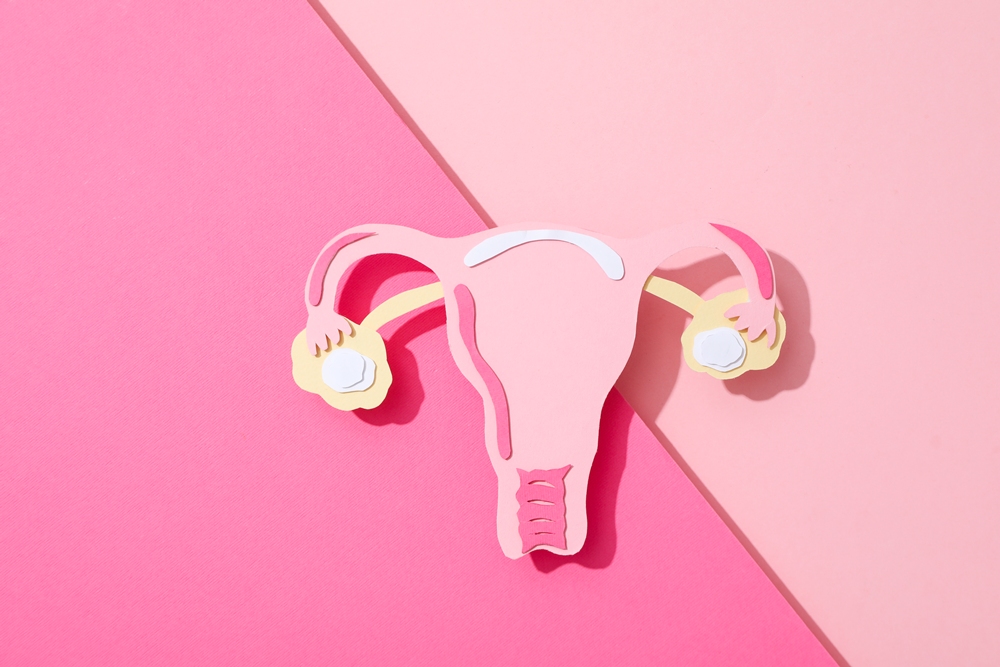
Softening ageing ovaries could help women remain fertile for longer, early animal research suggests.
Fertility declines with age for several reasons, including poorer egg quality, fewer ovarian follicles and the gradual stiffening of ovarian tissue.
Existing fertility treatments, including hormone therapy and in vitro fertilisation, mainly address hormonal imbalances or help eggs mature or become fertilised.
Scientists are now examining whether changing the physical structure of the ovaries could provide another route for future fertility treatments.
Stuart A. Cook, of the Cardiovascular and Metabolic Disorders Programme at Duke-National University of Singapore Medical School, published an accompanying commentary on the research.
Researchers led by Shixuan Wang at Huazhong University of Science and Technology in Wuhan, China, collected healthy ovarian tissue from younger, middle-aged and older women.
They also examined samples from patients with polycystic ovary syndrome, known as PCOS, premature ovarian insufficiency, or POI, and endometriosis.
PCOS is a hormonal condition that can disrupt ovulation. POI occurs when the ovaries stop working normally before the age of 40, while endometriosis causes tissue similar to the womb lining to grow elsewhere in the body.
Tests of protein levels and gene activity found higher levels of the inflammatory protein interleukin-11, or IL-11, in ageing and diseased ovaries.
In laboratory experiments, the researchers exposed ovarian fibroblasts to IL-11. Fibroblasts are cells that produce connective tissue.
The protein caused the cells to produce excess collagen, a structural material that can build up during scarring and make tissue stiffer.
The researchers then genetically modified mice so they could not respond to IL-11. The animals developed less ovarian stiffening and maintained better ovarian function as they aged.
Similar results were seen in mouse models of PCOS and POI caused by chemotherapy.
In the final part of the experiment, older mice and rats were injected with a nanoparticle treatment containing small interfering RNA, or siRNA, designed to switch off IL-11.
The treatment made the animals’ ovaries less stiff and improved fertility.
Pregnancy rates among older mice rose from 25 per cent to 50 per cent, while average litter sizes also increased.
More rats treated with the therapy became pregnant and produced larger litters.
The approach remains highly speculative and will require considerably more research before its safety or effectiveness in women can be established.
However, the researchers said blocking the inflammatory pathway could eventually form the basis of new fertility treatments.
They said: “We propose that anti-IL-11 therapy represents a promising translational strategy for delaying ovarian ageing.”
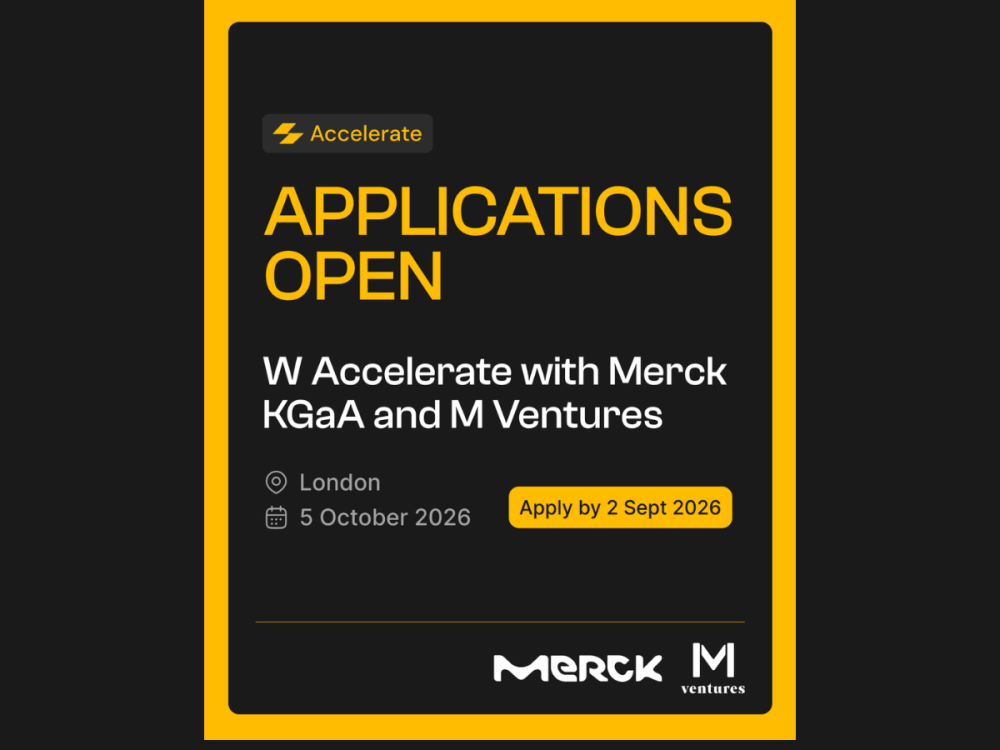
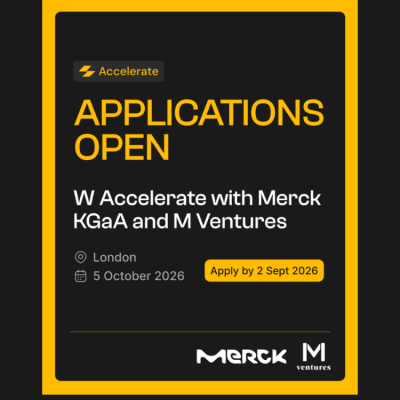
W Group has opened applications for W Accelerate with Merck KGaA and M Ventures, inviting reproductive and maternal health startups, scaleups and spinouts to pitch for direct access to global pharma partnership and strategic investment.
Selected companies will pitch on 5th October, competing for the chance to accelerate their growth through commercial partnerships, investment, or both.
This is the third time Merck KGaA, a global leader in reproductive health, has partnered with W Group on the programme, which exists to close the innovation and investment gap in women’s health by connecting the sector’s most promising startups directly with the corporates and investors positioned to scale them.
What Merck KGaA and M Ventures are looking for
This year’s call is focused on breakthrough solutions in female infertility, fertility preservation, adenomyosis, endometriosis, polyendocrine metabolic ovarian syndrome (PMOS), ovarian insufficiency, preeclampsia and pregnancy comorbidities.
New for this round, applicants choose between three pathways depending on what they need from the programme:
- The Partnership Lane, for companies seeking commercial collaborations and strategic relationships
- The Investment Lane, for founders looking to connect with investors and secure funding to scale
- The Dual Lane, for innovators pursuing both partnership and investment opportunities
How the Accelerate event works
Selected companies get a 1:1 pitch practice session ahead of time, then a private 30-minute session with Merck KGaA and M Ventures leadership on the day itself, small-group sessions with regulatory and investment strategy experts, an “Ask Merck Anything” roundtable, and a VIP networking reception.
Key dates
- Open call launches: 8th July
- Open call closes: 2nd September
- Notification of successful companies: 11th September
- Pitch day: 5th October
Applications are open now at wplatform.typeform.com/to/KGzviBQM.

Fertility
Older women face lower chance of fertility treatment working, even with donor eggs, study finds

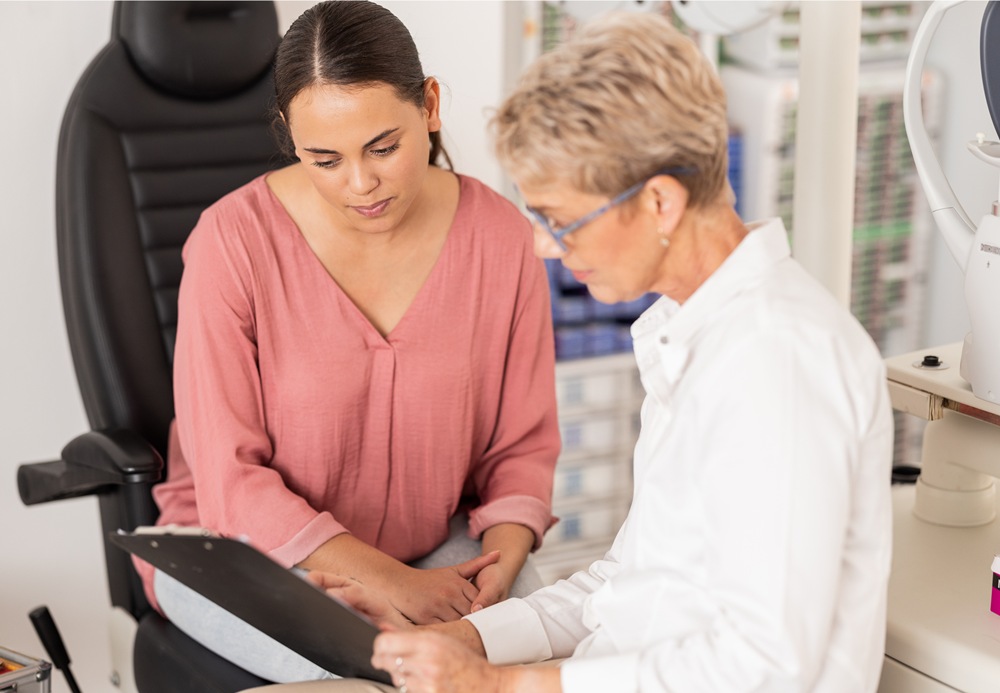
IVF success declines with age even when women use young donor eggs, with a marked fall from around 49, research suggests.
The findings challenge the idea that donor eggs can fully “reset” the reproductive clock, although researchers said they should not discourage older couples from trying.

Dr Beatrice Crestani, from an assisted reproduction medical institute in Italy, said reproductive ageing had traditionally been seen mainly as an issue involving the ovaries.
She said replacing older eggs with younger donor eggs was often believed to “reset” the reproductive clock.
Dr Crestani added: “Our findings suggest the picture is more complex.”
The study followed 1,774 women undergoing in vitro fertilisation, or IVF, using donated eggs. IVF involves fertilising an egg in a laboratory before transferring an embryo to the womb.
Women in their mid to late 30s had a 54 per cent chance of becoming pregnant after treatment, compared with around 43 per cent among those aged 49 or older.
Live birth rates fell from 46 per cent to 32 per cent, while miscarriage rates rose from 24 per cent to 38 per cent.
Women aged 49 and older had twice the risk of miscarriage compared with those aged 35 to 40.
Researchers believe changes to the endometrium with age may help explain the difference. The endometrium is the lining of the womb where a fertilised egg or embryo implants and grows.
Although the thickness of the womb lining was similar across the age groups, its condition declined with age.
Researchers said future work might find ways to predict, prevent or improve uterine ageing.
Dr Crestani said: “These findings should not discourage women from pursuing donor-egg treatment, because success rates remain meaningful even at advanced ages.
“However, patients should be counselled that donor eggs cannot completely eliminate the effects of reproductive ageing, particularly beyond 49 years.”
Among women who transferred all their available embryos, the live birth rate was around 80 per cent for those aged 35 to 40 and 62.5 per cent for those aged 49 or older.
Experts stressed that the health of the womb and ovaries differs between women.
There is no legal upper age limit for IVF in the UK, unlike some European countries. Greece has an upper limit of 54.
Women in the UK can donate or share their eggs up to the age of 36.
Regulators ask private UK clinics to assess the welfare of any resulting child and whether the recipient can safely carry a pregnancy.
NHS guidelines recommend offering three IVF cycles to women up to the age of 40 and one cycle to women up to the age of 42.
Patients using donor eggs usually have to fund that part of the treatment themselves.
People conceived using sperm, eggs or embryos from donors registered after 1 April 2005 can request identifying information about their biological donor parent once they turn 18.
The findings are being presented at the European Society of Human Reproduction and Embryology.
Professor Borut Kovacic, chair-elect of the society, said researchers were trying to better understand the “cross-talk” between an implanting embryo and the womb lining. This refers to the biological signals exchanged during implantation.
He said the age threshold associated with the beginning of a loss of uterine function was unlikely to be absolute.
Professor Kovacic added: “It provides important information for patients and offers a valuable foundation for future research aimed at identifying novel biomarkers of uterine ageing.”
Dr Ippokratis Sarris, chair-elect of the British Fertility Society, called for more research.
He said pregnancies could carry greater risks for older women and recommended thorough health checks and counselling for couples beginning fertility treatment.









 Insight1 week ago
Women with PMOS should have annual NHS checks, new guidance says

 Diagnosis6 days ago
Two “gamechanger” tests set to speed up endometriosis diagnosis on the NHS

 Cancer5 days ago
Thousands of women could avoid painful cancer exam with new AI blood test

 Entrepreneur2 weeks ago
Korea’s Femtech Industry Goes Global as Vespexx Hosts Korea Femtech Summit 2026

 AI1 week ago
Breast cancer biosensor and low-cost ultrasound startups win women’s health AI competition

 News1 week ago
Clue spotlights seven women’s health journeys in new campaign

 Entrepreneur4 days ago
Applications open for the third W Accelerate with Merck KGaA and M Ventures
 Fertility6 days ago
Older women face lower chance of fertility treatment working, even with donor eggs, study finds