



That is according to a new study evaluating meditation for chronic lower back pain by researchers at University of California San Diego School of Medicine.
pain conditions
Women and men use different biological systems to reduce pain – study


Synthetic opioid drugs, such as morphine and fentanyl, are the most powerful class of painkilling drugs available. Women are known to respond poorly to opioid therapies, which use synthetic opioid molecules to bind to the same receptors as naturally-occurring endogenous opioids.
This aspect of opioid drugs helps explain why they are so powerful as painkillers, but also why they carry a significant risk of dependence and addiction.
Fadel Zeidan, professor of anesthesiology at UC San Diego Sanford Institute for Empathy and Compassion, said: “Dependence develops because people start taking more opioids when their original dosage stops working.
“Although speculative, our findings suggest that maybe one reason that females are more likely to become addicted to opioids is that they’re biologically less responsive to them and need to take more to experience any pain relief.”
The study combined data from two clinical trials involving a total of 98 participants, including both healthy individuals and those diagnosed with chronic lower back pain. Participants underwent a meditation training program, then practiced meditation while receiving either placebo or a high-dose of naloxone, a drug that stops both synthetic and endogenous opioids from working.
At the same time, they experienced a very painful but harmless heat stimulus to the back of the leg. The researchers measured and compared how much pain relief was experienced from meditation when the opioid system was blocked versus when it was intact.
The study found that blocking the opioid system with naloxone inhibited meditation-based pain relief in men, suggesting that men rely on endogenous opioids to reduce pain.
Also, naloxone increased meditation-based pain relief in women, suggesting that women rely on non-opioid mechanisms to reduce pain. In both men and women, people with chronic pain experienced more pain relief from meditation than healthy participants.
“These results underscore the need for more sex-specific pain therapies, because many of the treatments we use don’t work nearly as well for women as they do for men,” said Zeidan.
The researchers conclude that by tailoring pain treatment to an individual’s sex, it may be possible to improve patient outcomes and reduce the reliance on and misuse of opioids.
“There are clear disparities in how pain is managed between men and women, but we haven’t seen a clear biological difference in the use of their endogenous systems before now,” said Zeidan. “This study provides the first clear evidence that sex-based differences in pain processing are real and need to be taken more seriously when developing and prescribing treatment for pain.”












Vipoglanstat has reached the halfway point for patient recruitment in a phase 2 endometriosis trial.
Gesynta Pharma said 50 per cent of the target of 190 patients have been randomised in the NOVA trial.
The study is evaluating vipoglanstat, described by the company as a novel, non-hormonal, non-opioid drug candidate for the treatment of endometriosis.

Endometriosis is a chronic inflammatory condition where tissue similar to the lining of the womb grows outside the uterus, often causing severe pain and, in some cases, infertility.
The condition affects more than 10 per cent of women of reproductive age.
Top-line results from the study are expected in 2027.
The NOVA trial is a randomised, double-blind, placebo-controlled phase 2 proof-of-concept study evaluating vipoglanstat in women with endometriosis across Europe.
This means patients are assigned to treatment groups by chance, neither participants nor researchers know who receives the drug or placebo during the study, and the results are intended to show whether the treatment has enough evidence to move into later testing.
The trial is assessing the efficacy and safety of two dose levels of vipoglanstat and will provide information for the design of a subsequent phase 3 programme.
Eva Johnsson, chief medical officer and vice president of clinical development at Gesynta Pharma, said:
“Reaching the halfway point in patient recruitment marks a major milestone for our Phase 2 clinical trial in endometriosis. Achieved well ahead of schedule, the rapid progress reflects strong participation from clinical sites and great interest among eligible participants. This momentum highlights the urgent need for better treatments.
“We are now eager to complete enrolment and proceed to the next phase of evaluation.”
Patric Stenberg, chief executive of Gesynta Pharma, said:
“The NOVA trial is a significant advancement in a field with few ongoing clinical trials, and a key step toward establishing a strong foundation for a future Phase 3 programme for vipoglanstat.
“Given the immense medical need, our focus remains on delivering a treatment that is highly effective, safe, and well-tolerated.”
Vipoglanstat is an orally active drug candidate designed to reduce pain and inflammation by targeting mPGES-1, an enzyme that produces prostaglandin E2, a substance linked to inflammation in endometriotic lesions.
A preclinical proof-of-concept study in an advanced endometriosis model found that vipoglanstat significantly reduced pain-related behaviours and endometriotic lesion burden.
Gesynta said previous clinical studies have supported the drug candidate’s safety, tolerability and pharmacodynamic effects in humans. Pharmacodynamic effects refer to how a drug acts in the body.
NOVA stands for the Non-hormonal Option, a Vipoglanstat Assessment trial.
Endometriosis commonly presents with severe period pain, known as dysmenorrhoea, pain between periods, pain during sexual intercourse, gastrointestinal symptoms and infertility.
Current management is typically limited to painkillers, hormonal therapies and surgery.
Despite its prevalence, Gesynta said endometriosis remains a critically underserved area of women’s health.
The company said the disease is significantly underdiagnosed and undertreated, with few new treatment options available to patients.
Approximately 190 patients aged 18 to 45 will receive vipoglanstat or placebo over four menstrual cycles.
The primary objective is to evaluate the effect of vipoglanstat on endometriosis-related pain during non-menstrual days.
Secondary objectives include assessing the effect on menstrual pain, known as dysmenorrhoea, pain during sexual intercourse, known as dyspareunia, use of opioid rescue medication and quality-of-life measures.
Changes in endometriotic lesions, areas of tissue linked to the condition, will also be explored using MRI scans.
Gesynta Pharma said its research on targeting mPGES-1 began at Karolinska Institutet in Sweden.
The company said a second drug candidate, GS-073, is ready to enter clinical phase 1 for the treatment of chronic inflammatory pain.
Gesynta Pharma’s shareholders include Hadean Ventures, Industrifonden, Innovestor Life Science, Linc, HealthCap, XGen Venture and other specialist investors.
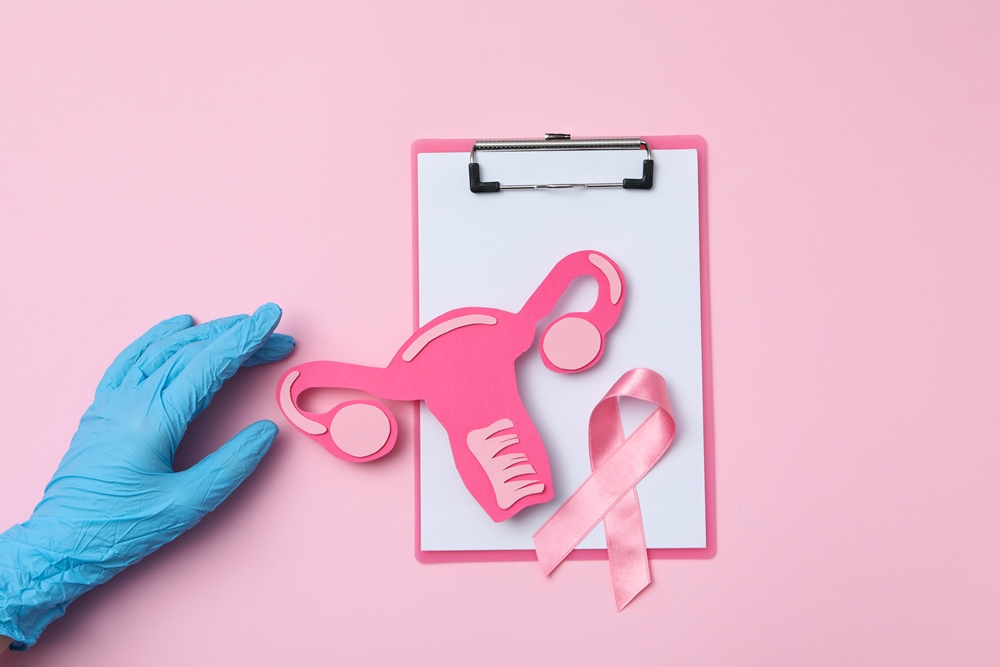
A non-profit has launched an endometriosis documentary featuring Amy Schumer and Marilyn Monroe as it pushes for changes in how the condition is treated and understood.
The Endometriosis Collective has launched to change how endometriosis is researched, treated and understood, starting with a documentary featuring stories from people including Amy Schumer and Marilyn Monroe.
The feature-length documentary, “End of the Cycle”, will premiere in New York on Tuesday, and The Endometriosis Collective is making the film free to stream online.

Schumer, a comedian, writer and actor, has previously spoken of how endometriosis left her “on the floor in pain, vomiting from the pain, the pain that nobody can see.”
Schumer is one of several celebrities featured in the documentary. Other contributors include dancer Julianne Hough, Olympic medallist Brittany Brown and actors Janel Parrish and Folake Olowofoyeku.
The Endometriosis Collective timed the documentary premiere to coincide with the 100th anniversary of Marilyn Monroe’s birth.
Monroe, who died in 1962, starred in films such as “Some Like It Hot” and “Gentlemen Prefer Blondes.”
According to a biography published in 1985, Monroe’s endometriosis was so severe that it destroyed her marriages, her wish for children, her career and ultimately her life.
The Endometriosis Collective said the documentary shares newly uncovered information about Monroe’s experience with endometriosis.
The non-profit said the information connects Monroe’s story to the experiences of women across generations, highlighting how far awareness, research and care still have to go.
A representative of the Marilyn Monroe Estate said: “By sharing this part of her story through ‘End of the Cycle,’ we hope to honour her legacy in a way that brings visibility to endometriosis, encourages more open dialogue and helps inspire the research needed to create change.”
As part of the premiere, The Endometriosis Collective is holding a panel discussion.
Schumer, Brown and Olowofoyeku, the documentary’s co-directors Sammy Jaye and Soraya Simi, and medical experts are due to be part of the premiere.
AbbVie’s Orilissa and Sumitomo Pharma’s Myfembree are among the approved drugs for endometriosis pain.
Hough, one of the participants in the documentary, starred in an Orilissa campaign in 2017.











 Menopause4 weeks ago
Perimenopause misinformation ‘putting women at risk’

 Entrepreneur3 weeks ago
Women’s Health Innovation Summit opens submissions for 2026 Innovation Showcase

 Insight2 weeks ago
British women among angriest in Europe, health survey reveals

 News3 weeks ago
Women still being failed when they reach menopause, experts say

 Menopause3 weeks ago
Sweden eyes domestic production of oestrogen patches amid menopause treatment shortage

 News3 weeks ago
Three menopause innovators shortlisted for Femtech World Award

 News1 week ago
Femtech World Awards 2026: Winners revealed

 Menopause2 weeks ago
Apple Health adds menopause and perimenopause tracking
1 Comment