




News
The best smart rings for women in 2024
Discover the five smart rings for women worth trying this year


Smart rings are booming, and it looks like they’re here to stay.
Although smart rings are a relatively new gadget to the wearable technology market, they have certainly gained popularity in recent years for their compact, minimalist design.
When it comes to health, these tiny yet mighty rings can serve as continuous health monitors, allowing users to track vital metrics, like heart rate, sleep patterns and activity levels, and helping them identify patterns and potential irregularities.
More importantly, the convenience of having this health data readily accessible on these devices enables women to make informed decisions about their lifestyle, promoting a more proactive, holistic approach.
To help you find the right smart ring for you, we’ve put together a list of the ones worth trying in 2024.
Oura Generation 3

The Oura ring, developed by the Finnish health technology company ŌURA, is a smart device that delivers personalised health data, insights and daily guidance.
Validated against medical gold standards and driven by continuous monitoring of individual biometrics, the Oura ring is one of the most accurate wearables available.
The ring measures blood volume pulse directly from the palmar arteries of the finger with infrared LED sensors. From that data, Oura’s algorithms calculate resting heart rate and heart rate variability, while also offering women information about their body temperature, respiratory rate and sleep stages.
Armed with these data points, users can work toward decreasing stress and increasing heart health with personalised, easy to understand reports.
The ring offers a range of reproductive health features, including Cycle Insights and integrations with the period tracking app Clue and the contraception app Natural Cycles.
Its Cycle Insights feature uses temperature deviations to track, predict and visualise women’s monthly cycle, allowing users to better understand the stages of their menstrual cycle.
ArcX

For many people, the thought of exercising in silence is unimaginable: the ArcX smart ring is designed for those who need and love, to listen to music while engaged in any one of a host of different sports.
The ring is a new type of wearable providing intuitive, hands-free control of other devices during exercise. Developed by ArcX Technology, a UK/US sports tech start-up, the device allows users to store their smartphone in a pocket or backpack while controlling playlists and other phone functions simply and easily, on the move.
While music control is still the main use case ArcX is hugely versatile. There’s an inbuilt SOS function; in the event of an accident or an emergency a quick press of the joystick and ArcX makes an outgoing call and sends an SMS with the wearer’s Google Map location.
It can also connect to any other Bluetooth enabled device such as sports cameras, wireless speakers, tablets, laptops, e-readers, TVs and AR/VR headsets.
The patented design enables the module to be swapped among different sized medical grade silicone rings or two types of strap mounts that allows the user to attach the device to a handlebar, kayak paddle, ski pole or other piece of sports equipment.
The ring boasts an impressive 20 day stand by with a battery that delivers five days of typical use from a one-hour charge time and is waterproof.
There is also a great health and safety benefit to a remote controller like ArcX, particularly for those activities that involve speed such as skiing, snowboarding, cycling and running.
Evie
 The Evie ring, developed by the US company Movano Health, is the first women-focused smart ring, promising to redefine the wearable category with a unique band design, female-specific data interpretation and AI-based trend analysis.
The ring utilises highly sensitive medical-grade sensors to optimise vital sign measurement on women’s fingers, which tend to be smaller and have less blood flow than men’s, and leverages newer studies that consider women-specific factors such as hormonal changes combined with an AI engine to search for correlations across menstrual health, mood, energy, sleep and activity.
Whether it’s “We’ve noticed your mood improves when you get 1000 more steps than your average” or “Your sleep may be interrupted during this phase of your menstrual cycle due to a dip in progesterone,” these insights can help women modify their behaviours to optimise their daily routines.
Other key features include a unique Spot Check function enabling users to see their pulse rate and blood oxygen levels at any time day or night, the ability to log mood, menstrual symptoms and other information, and four days of battery life.
New features to be added include enhanced menstrual health insights and additional visualisations of menstrual data.
Femometer
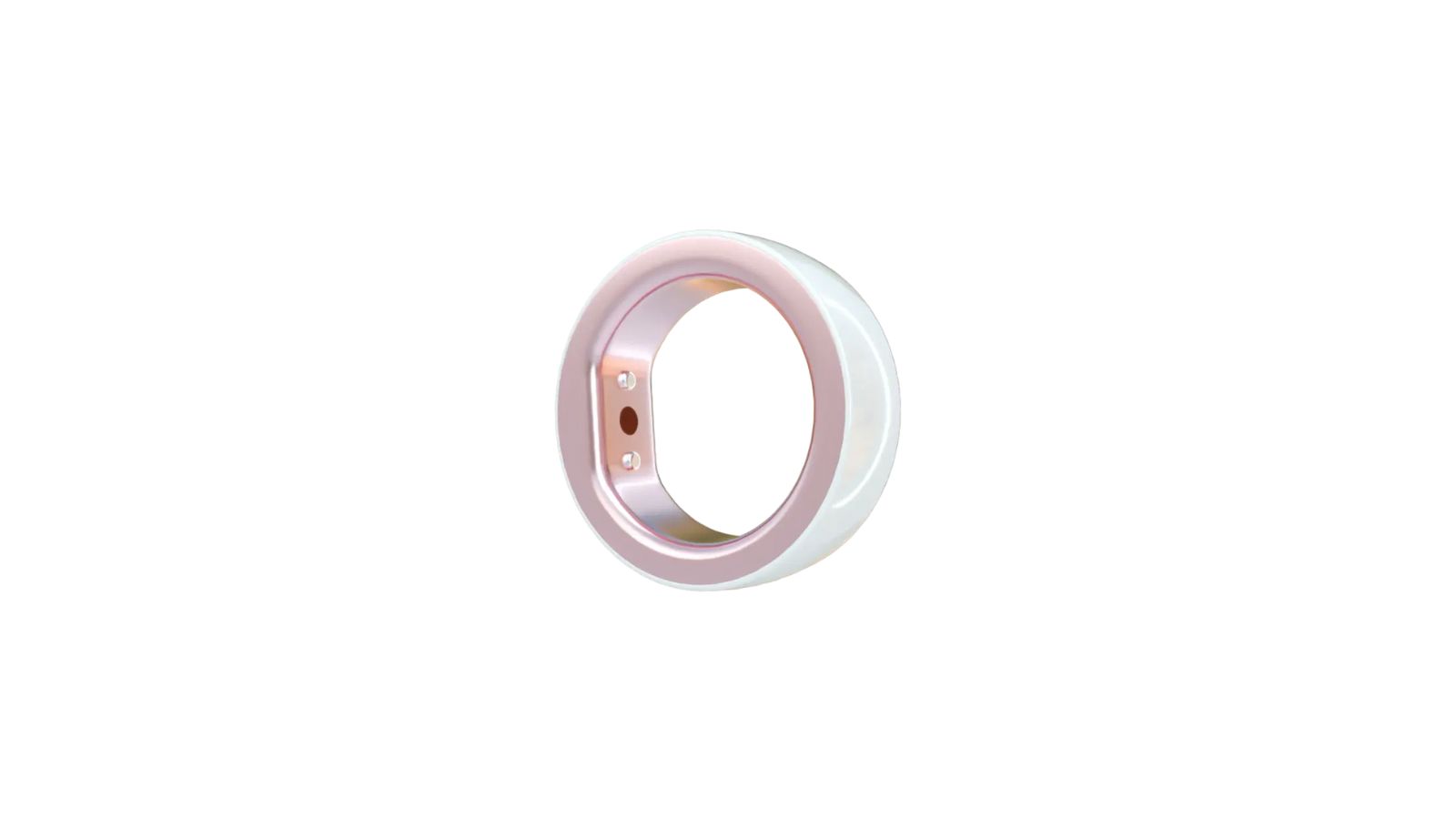
The world’s first smart ring made for women’s fertility and sleep tracking, Femometer aims to help women increase their chances of natural conception with daily fertility insights and expert guidance.
Much like Oura’s innovative approach to social sleep features for health trackers, Femometer promises to deliver an innovative solution that empowers women to better understand their body and reproductive health.
The device, which caters to women seeking to conceive and those grappling with irregular menstrual cycles and sleep disruption, helps users gain insights into their cycle patterns, hormone fluctuations and sleep variations.
The ring offers continuous monitoring of basal body temperature (BBT) for precision in fertility insights, predicts fertile windows, analyses sleep stages during various menstrual cycle phases and their correlation to fertility and offers tailored suggestions for overall wellbeing.
Sleepon Go2sleep tracker

Good sleep is critical to improving brain performance, mood, and health. With research showing women are twice as likely to experience sleep problems as men, it is important to understand whether you’re getting enough quality rest every night.
Sleepon, a smart ring designed specifically to give people an in-depth understanding of their sleep trends and patterns, generates detailed sleep reports and shares useful metrics like heart rate, heart rate variability, blood oxygen and sleep stages.
The device, which replaces paper sleep diaries, revises memory bias and automatically processes and analyses data, helping women improve their sleep quality and restore their circadian rhythm.
To receive the Femtech World newsletter, sign up here.





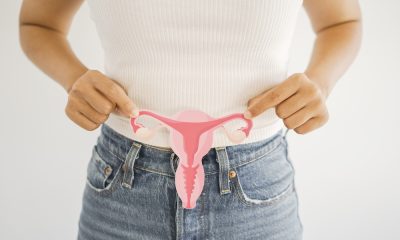

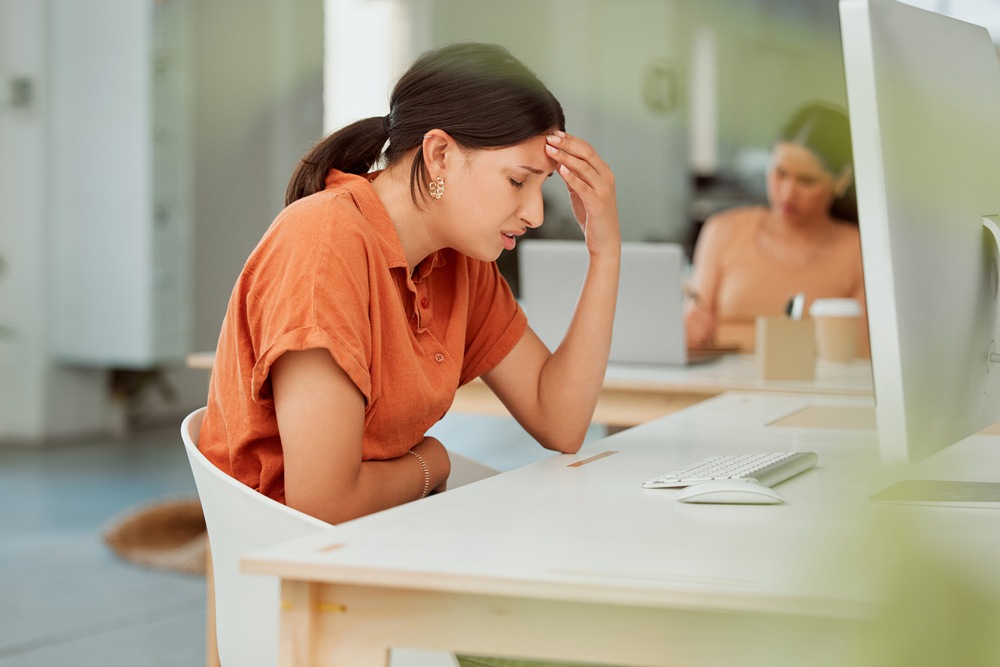
Women with endometriosis say menstrual leave and flexible working would help most, as research estimates yearly income losses of €1,757 (£1,502).
Pain and fatigue were linked to more frequent work absences and reduced job performance.
The first large-scale study of its kind in Central and Eastern Europe estimated that women with the condition lose an average of €1,757 in income each year, roughly equal to one month’s average salary in Hungary.
The estimate covers income lost through work absences and does not include reduced productivity while at work or healthcare costs.
Researchers at Semmelweis University analysed data from 566 women with endometriosis and 447 women without the condition.
Using internationally validated questionnaires, they assessed work productivity, absenteeism and work ability.
Women with endometriosis lost an average of 12.7 working hours over four weeks because of health-related problems, compared with 5.7 hours among women in the control group.
Based on the hours missed, researchers estimated an average annual income loss of €1,757 for each affected woman.
Dr Dóra Balogh, assistant professor in the Department of Obstetrics and Gynaecology at Semmelweis University and senior author, said: “The impact of endometriosis is not only a health issue but also a major social and economic one.
“The condition affects women during one of the most active stages of their lives, meaning it can influence employment, career development, and long-term financial security.”
Endometriosis affects about 10 per cent of women of reproductive age worldwide.
It is a chronic gynaecological condition in which tissue similar to the lining of the womb grows outside the womb, causing chronic pelvic pain, painful periods, fatigue and, in some cases, infertility.
Symptoms often persist for many years before the condition is diagnosed.
The study found that 42 per cent of women with endometriosis had poor work ability, compared with 17.9 per cent of women in the control group.
Poor work ability means a person’s health makes it harder to perform their job and increases the risk of prolonged work disability or leaving the workforce.
Dr Dominika Miklós, resident physician in the Department of Obstetrics and Gynaecology at Semmelweis University and first author, said: “The most surprising finding was that nearly half of the women with endometriosis fell into this category.
“Without appropriate support, the condition may not only make day-to-day work more difficult but also threaten women’s ability to remain in the workforce over the long term.”
Researchers also found that many workplaces were not adequately prepared to support employees with endometriosis.
Some 54 per cent of respondents said their employer had little or no knowledge of the condition, while only 17 per cent believed their workplace was sufficiently informed about it.
Participants said they would most value menstrual leave, flexible working hours, remote or hybrid working and greater understanding and support from employers.
Some European countries, including Spain and Portugal, already allow menstrual leave in certain circumstances.
The research formed part of the international FEMaLe, or Finding Endometriosis with Machine Learning, programme, launched in 2020.
At Semmelweis University, the project is led by Dr Attila Bokor, associate professor in the Department of Obstetrics and Gynaecology.
The programme aims to improve understanding of endometriosis, promote earlier diagnosis and investigate its health, social and economic impact.
Researchers said it was the first comprehensive study in Central and Eastern Europe to examine work productivity, work ability and workplace support at the same time.
The findings were consistent with studies from Western Europe and Australia, suggesting the effect of endometriosis on working life is similar across regions.
Researchers concluded that flexible working arrangements and better-informed employers could help women with endometriosis remain in the workforce.

Pregnancy
Adverse pregnancy outcomes linked to greater social needs in Black and Latina women – study

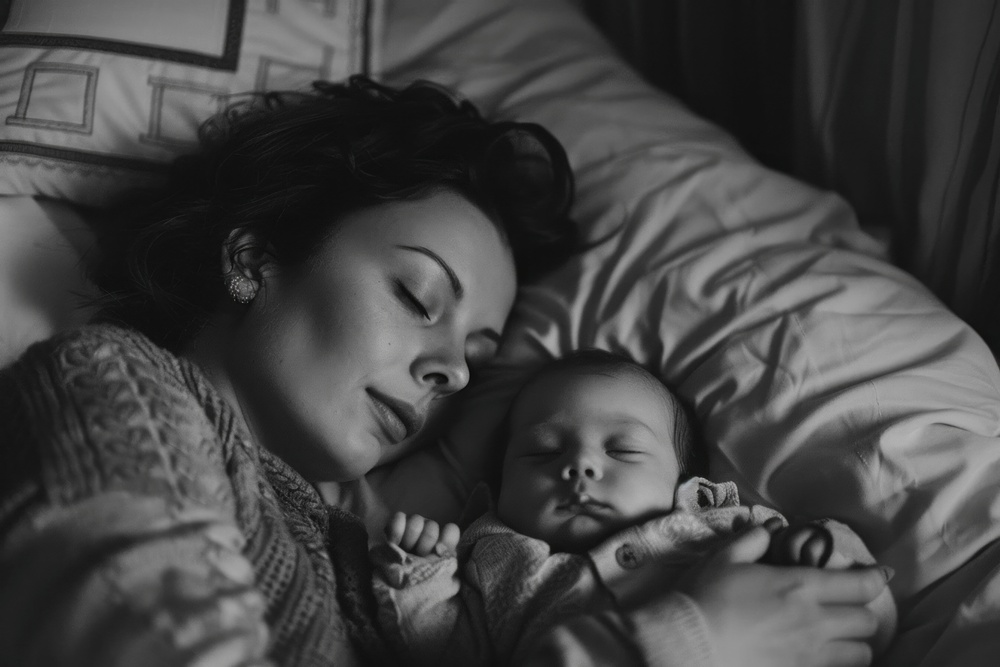
Pregnancy complications are linked to greater health-related social needs among Black and Latina women, a study has found.
Adverse pregnancy outcomes include pre-eclampsia, gestational hypertension, gestational diabetes, low birth weight and preterm birth.
These complications are associated with risks of further complications, chronic disease and cardiovascular disease, and disproportionately affect Black and Latina women.
Researchers from Mass General Brigham found that adverse pregnancy outcomes among Black and Latina women were also associated with substantially greater health-related social needs.
These included education, transport, food security, financial strain, employment and social support.
The researchers said integrating assessments of social needs into postpartum care could help improve long-term maternal health and reduce disparities.
Michael C. Honigberg, cardiologist and researcher with the Mass General Brigham Heart and Vascular Institute and senior author, said: “Pregnancy can offer a critical window of engagement for patients and providers.
“Pregnancy complications should be viewed as an opportunity not only for cardiovascular risk prevention but also for screening for and addressing social needs.”
Honigberg and colleagues from Mass General Brigham’s Heart and Vascular Institute and Department of Obstetrics and Gynecology analysed data from the BUSY-BP cohort study.
The study included Black and Latina women recruited from hospitals and health centres affiliated with Mass General Brigham.
Participants completed a screening tool covering their living situation, food, transport, utilities, safety, financial strain, employment, family and community support, education and other needs.
The study included 883 women who had previously been pregnant, including 400 participants, or 45.3 per cent, who had experienced one or more adverse pregnancy outcomes.
Researchers found that the rate of adverse pregnancy outcomes increased as the burden of health-related social needs rose, particularly for needs related to education.
These included help with starting or completing job training, gaining a high school diploma or obtaining a General Educational Development equivalency certificate.
The authors said further research is needed to separate cause and effect and identify interventions based on the findings that could improve health outcomes.
Honigberg said: “Identifying and testing interventions, such as social support programmes that can help women during the postpartum period, will be critical for improving downstream health outcomes for women and babies.”
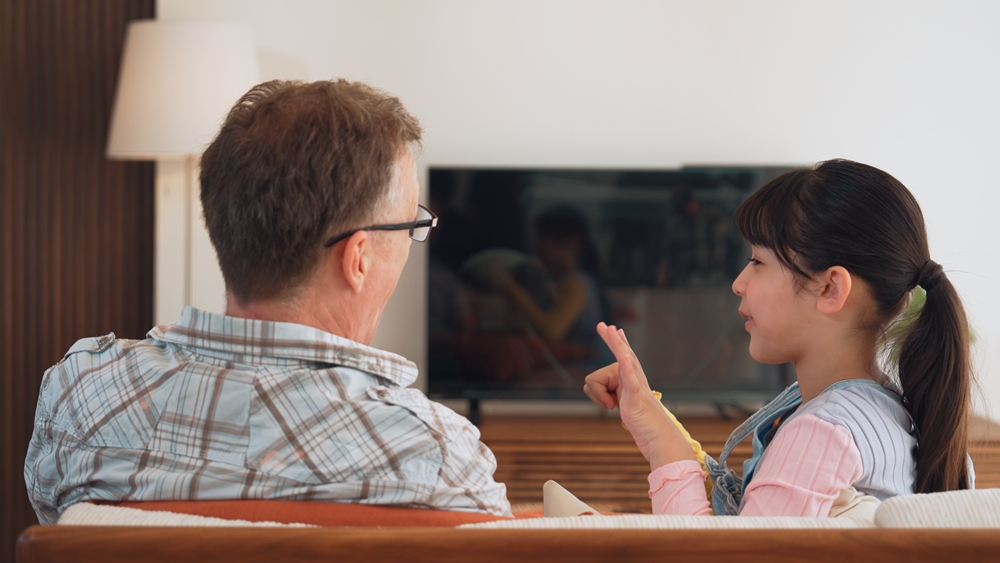
By Ruby Raut, founder, WUKA
Every time we post a dad talking to his daughter about periods, the internet seems to split in two.
One side says: “This is brilliant. I wish my dad had spoken to me like this.”
The other says: “Why on earth are men talking about periods?”

And I always find that second reaction fascinating.
- Because men might not menstruate, but they live in a world with people who do.
- Your daughter might get her first period while you are the only parent at home.
- Your teenage niece might bleed through her clothes while you are driving her somewhere.
- Your girlfriend might wake up at 3am with cramps.
- Your wife might suddenly realise she has run out of period products.
- A colleague might bleed through her trousers during a meeting.
- A girl you coach might quietly tell you she cannot play because she has started her period.
At some point in your life, there is a very good chance a woman or girl will have a period around you.
And at that moment, you have two options. You can be calm, informed and useful. Or you can stand there looking as if nobody ever taught you what a period actually involves.
So perhaps we need a Haynes manual for men and periods. Not a biology degree or a lecture.Just the information every man should probably know.
First: yes, men should know what a period actually is
Let us start with the basics. A period is not simply “a bit of blood once a month”.
Menstruation is part of the menstrual cycle. The lining of the uterus builds up and, if there is no pregnancy, that lining is shed.
That is the bleeding part. But for many women and girls, the experience can also involve cramps, back pain, headaches, bloating, tiredness, diarrhoea, tender breasts, mood changes and generally feeling pretty rotten.
Some barely notice their period. Others are completely floored by it. This is important because one of the least helpful things you can say to somebody struggling with their period is:
“Is it really that bad?”
You do not need to experience period pain to believe someone when they tell you they are in pain.
Second: if a girl tells you she has started her period, do not panic
This one is particularly important for dads.
Imagine your daughter gets her first period while Mum is out. What does she need from you? Probably not a horrified expression or you shouting across the house, “YOUR PERIOD HAS STARTED!”
She needs you to behave as though this is an entirely normal bodily function.
Because it is. Ask her what she needs. Find her a period product. If there is blood on her clothes, help her sort it out without making a huge fuss. If she does not know how to use a pad or period underwear, help her find clear instructions.
And please do not make jokes about her “becoming a woman”.
For a young girl, a first period can already feel confusing, embarrassing and frightening. Your job is not to make it into a ceremony but to make her feel safe. Sometimes the most useful sentence a dad can say is simply:
“Okay. No problem. What do you need?”
Third: learn what period products actually are
Pads.Tampons.Period underwear.Menstrual cups.Period swimwear. You do not have to develop strong opinions about all of them. You just need to know they exist.
If someone asks you to buy pads, do not behave as though you have been sent into a nuclear reactor without protective clothing.
Go to the period aisle. Text them a photo if you are unsure. Ask which absorbency they want. Buy the product. Come home.
And if you are the father of a daughter, having a few period products in the bathroom before she starts menstruating is a very sensible idea.
You keep toilet roll in your house before somebody needs it. Period products should not feel radically different.
Fourth: never announce a period stain
This should be basic human etiquette.
If you notice that a woman or girl has bled through her clothes, tell her quietly and discreetly.
Do not point, laugh, or whisper about it to someone else. And definitely never announce it to the room.
If you have a jumper or jacket she can tie around her waist, offer it. If there is somewhere she can clean up or change, help her get there. Then move on with your life.
Period leaks happen. The embarrassment surrounding them is often far worse than the actual blood.
Fifth: stop using periods as an explanation for every emotion
“Are you on your period?”
Four words capable of making almost any disagreement significantly worse.
Sometimes a woman is angry because she is angry and sometimes she disagrees with you because she disagrees with you. Sometimes you genuinely are being annoying.
Hormonal changes can affect mood for some people, but using menstruation to dismiss a woman’s feelings is patronising and incredibly unhelpful.
If your partner says she feels emotional before her period, listen to her. That does not permit you to diagnose every future disagreement as PMS.
Sixth: period pain is not something every woman should simply put up with
There is an extraordinary tendency to tell girls from a young age that painful periods are just part of being female. For some, mild cramps are manageable.
For others, period pain can be severe enough to disrupt school, work, sleep, exercise and everyday life. So if your daughter is doubled over in pain every month, repeatedly missing school, fainting, vomiting or unable to function normally, do not tell her to toughen up.
Take her seriously and help her seek medical advice.
Being a supportive dad does not require you to know what is causing her symptoms. It requires you to believe her when she says something is wrong.
Seventh: men talking about periods does not take anything away from women
This is perhaps the strangest objection to our Dads and Periods campaign. The idea that periods somehow belong in a conversation that only women are allowed to have.
Women should absolutely lead conversations about their own bodies and experiences. But understanding periods should not be restricted to people who menstruate.
We teach children about digestion even though they are not gastroenterologists and about first aid even though most people are not doctors.
We teach boys about pregnancy even though they will never be pregnant. Knowledge is not ownership. A father understanding periods does not make periods less female. It makes him a better prepared father.
A boy understanding periods does not mean he suddenly understands exactly what menstruation feels like. It means he is less likely to laugh when a girl gets a stain on her skirt.
A male coach understanding periods does not make him an expert on women’s bodies.
It means a teenage player might feel able to tell him why she needs five minutes off the pitch instead of inventing an excuse.
A male partner understanding periods does not mean he has to track every detail of his girlfriend’s cycle. It might simply mean that when she says, “My cramps are awful today,” his response is not, “Again?”
So should men talk about periods?
Yes.
But perhaps “talk” is not even the most important word.
Men should know about periods. Men should be comfortable hearing about periods. Men should know what to do when someone starts one unexpectedly. Men should know how to buy period products. Men should know not to make somebody feel ashamed about bleeding.
And fathers, in particular, should be able to talk about periods with their daughters without embarrassment.
Because there is a bigger point here. Girls learn very quickly which subjects make adults uncomfortable.
If Dad goes silent every time periods are mentioned, she notices. If he leaves every period conversation to Mum, she notices. If he wrinkles his nose at period products, she notices. And she may quietly absorb the message that this part of her body is something men find disgusting or embarrassing.
That is exactly the message we should be trying to dismantle.
At WUKA, we started our Dads and Periods campaign because we want fathers to feel capable of having these conversations.
Not perfectly. Not scientifically. Not with a PowerPoint presentation about the uterus over Sunday lunch. Just normally. Periods happen.
Roughly half the population will experience them at some point in their lives. The other half should probably know what they are.
And if the choice is between a dad who knows what a period is, knows where the period products are kept and can calmly help his daughter when she needs him, or a dad hovering helplessly outside the bathroom shouting, “SHALL I CALL YOUR MUM?”
I know which one I would rather have.
Learn more about WUKA at wuka.co.uk


 News6 days ago
UK femtech investment surges 194% in a decade, research finds
 Wellness1 week ago
Cancer patient receives ‘landmark’ treatment in world-first
 Entrepreneur1 week ago
TidalSense raises £14m to expand five-minute COPD test across NHS
 Entrepreneur7 days ago
Cross-Border Impact Ventures raises US$58m for women and children’s health
 Insight1 week ago
Women urged to be wary of menopause misinformation on social media
 Insight2 weeks ago
Johnson & Johnson offers to pay US$5.5bn to settle talc cancer lawsuits

 Motherhood2 weeks ago
Parenthood impacts women’s health more than men’s, research finds
 News1 week ago
Cultural stigma is a barrier to menopause help, black women say
23 Comments