



Pregnancy
Fine particulate air pollution may play a role in adverse birth outcomes


For pregnant women, exposure to fine particulate air pollution (PM2.5) was associated with altered immune responses that can lead to adverse birth outcomes, according to a new study.
The study is the first to examine the relationship between PM2.5 and maternal and foetal health on a single-cell level and highlights the health risk of PM2.5 exposure for pregnant women.
“This study represents a substantial step forward in understanding the biological pathways through which PM2.5 exposure affects pregnancy, maternal health, and foetal development,” said corresponding author Kari Nadeau, John Rock professor of climate and population studies and chair of the Department of Environmental Health.
“Its advanced methodology represents a significant innovation for how we study immune responses to environmental exposures.”
Previous research has found associations between exposure to PM2.5 and maternal and child health complications including preeclampsia, low birth weight, and developmental delays in early childhood.
To understand these associations on a cellular level, the researchers used air quality data collected by the Environmental Protection Agency to calculate study participants’ average PM2.5 exposure.
Harnessing innovative technology
Participants were both non-pregnant women and 20-week pregnant women. The researchers then used an innovative technology to understand how pollution modified the DNA of participants’ individual cells.
Within each cell they were able to map changes to histones, the proteins that help control the release of cytokines—proteins that help control inflammation in the body and that can affect pregnancy.
The study found that PM2.5 exposure can influence the histone profiles of pregnant women, disrupting the normal balance of cytokine genes and leading to increased inflammation in both women and foetuses. In pregnant women, this increase in inflammation can correspond with adverse pregnancy outcomes.
“Our findings highlight the importance of minimising air pollution exposure in pregnant women to protect maternal and foetal health,” said co-author Youn Soo Jung, research associate.
“Policy interventions to improve air quality, as well as clinical guidelines to help pregnant women reduce their exposure to pollution, could have a direct impact on reducing pregnancy complications.”


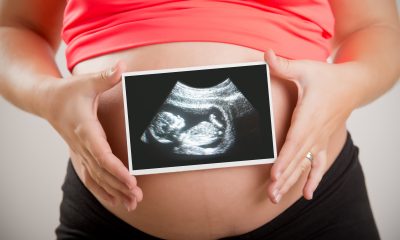


Caesarean births (surgical births) have overtaken vaginal deliveries in England for the first time, with 45 per cent of births now by caesarean, NHS data show.
Last year, 44 per cent of births were through natural vaginal deliveries and 11 per cent were assisted with instruments such as forceps or ventouse, according to data published on Tuesday covering April 2024 to March 2025. Assisted deliveries use instruments to help the baby out during birth.
More than four in ten caesareans carried out by NHS England were elective, planned operations. For women under 30, natural vaginal birth remained the most common method, while for women aged 30 and over, caesareans were most common. For women aged 40 and over, 59 per cent of births were by caesarean.

In total, 20 per cent of births in 2024-25 were planned caesareans and 25.1 per cent were emergency, with both figures at record highs.
There were 542,235 deliveries in NHS England hospitals during this period, down from 636,643 in 2014-15. One in four births were to mothers aged over 35.
In 2014-15, caesarean deliveries made up 26.5 per cent of births. The increase over the past decade has been attributed to growing numbers of complex pregnancies, linked to factors including rising obesity rates and women waiting until they are older to have children.
Donna Ockenden, one of the UK’s most senior midwives who is leading the inquiry into maternity failures in Nottingham, told BBC Radio 4’s Today programme that the rise was a “complex” and “evolving picture over time”.
She said: “The thousands of women I’ve spoken to want a safe birth above everything else, so we should not vilify or criticise women who make those decisions.”
“In the reality of today’s maternity services – where women are living in poverty, deprivation, they’ve got pre-existing illnesses – obstetricians, midwives, nurses can only do so much, and we don’t always do enough in all cases to optimise women’s health prior to pregnancy.”
Soo Downe, a professor of midwifery at the University of Lancashire, added: “In some cases women are going for caesarean sections as a kind of least-worst option because they don’t really believe they’re going to have the kind of support they need to have a safe, straightforward, positive labour and birth in hospital.
“Or because their birth centres are being closed … or because they go into labour wanting a home birth and the midwife isn’t able to come to them because the midwife’s called somewhere else.
“But for some of them, it becomes the only choice on the table … and for other women, they choose a caesarean because they really want one, and that’s absolutely fine.”

Pregnant women who received a Covid-19 vaccine were far less likely to experience severe illness or deliver prematurely, according to a major new study.
The research, drawing on data from nearly 20,000 pregnancies across Canada, found that vaccination was strongly associated with lower risks of hospitalisation, intensive care admission and preterm birth. Preterm birth means delivery before 37 weeks.
These benefits persisted as the virus evolved from the Delta variant to Omicron.

Dr Deborah Money is a professor of obstetrics and gynaecology at UBC and senior author of the study.
She said: “Our findings provide clear, population-level evidence that COVID-19 vaccination protects pregnant people and their babies from serious complications.
“Even as the virus evolved, vaccination continued to offer substantial benefits for both mother and child.”
The findings revealed that vaccinated women were about 60 per cent less likely to be hospitalised and 90 per cent less likely to require intensive care compared with those unvaccinated at the time of infection.
Vaccination was also linked to fewer premature births, reducing the risk by 20 per cent during the Delta wave and 36 per cent during the Omicron wave.
Notably, the analysis found that women vaccinated during pregnancy, as opposed to before pregnancy, had even lower rates of preterm birth and stillbirth.
“But our data suggest there may be added benefits to receiving the vaccine during pregnancy,” said Dr Elisabeth McClymont, lead author and assistant professor in UBC’s department of obstetrics and gynaecology.
The findings arrive amid evolving vaccine guidance for pregnant women.
In the US, the Advisory Committee on Immunization Practices recently did not include a specific recommendation for Covid-19 vaccination during pregnancy in its updated adult immunisation schedule.
Meanwhile, public health officials in Canada and at the World Health Organization continue to recommend that pregnant women receive a Covid-19 vaccine.

The risk of women in England suffering severe post-birth bleeding has risen to its highest level in five years, prompting fresh concerns about NHS maternity care.
The rate of postpartum haemorrhage, where a mother loses a dangerous amount of blood after delivery, has increased from 27 per 1,000 births in 2020 to 32 per 1,000 this year, a rise of 19 per cent.
NHS England figures analysed by the Liberal Democrats show last year had the largest number of incidents in the five years since records began, with 16,780 cases despite falling birth rates.
This compares with 15,780 in 2023 and 15,230 in 2022.
Helen Morgan is the Liberal Democrats’ health spokesperson.
She said: “The growing risk to mothers of suffering serious and potentially fatal bleeding following childbirth is terrifying.
“We know that severe blood loss contributes to nearly one in 10 maternal deaths [in the UK].
“Every birth involves risk, but rising rates of these incidents will be a source of real fear for women and families across the country.
“It’s completely heartbreaking to see just how many families experience unacceptable injuries and trauma at a time that should be full of excitement and joy.”
The data cover incidents where a woman has lost at least 1.5 litres of blood after giving birth.
While many women bleed after delivery without concern, severe blood loss is the leading cause of maternal death worldwide and accounts for one in 14 maternal deaths in the UK.
The findings add to evidence that NHS maternity care quality and safety are declining.
Last week, Valerie Amos, chair of a government-commissioned investigation into maternity care, said some mothers were receiving unacceptable care that had led to “tragic consequences”.
Obstetricians and gynaecologists say births are becoming more complex, with higher obesity rates and more older mothers raising the risk of complications.
“The reported increase in postpartum haemorrhage is concerning,” said professor Asma Khalil, a consultant obstetrician and maternal-foetal specialist (a specialist in high-risk pregnancy) and spokesperson for the Royal College of Obstetricians and Gynaecologists.
“But it must be understood in the context of births becoming more clinically complex.
“More women are entering pregnancy and birth with factors that can raise the risk of heavy bleeding, for example high blood pressure and a higher body weight, though most will not experience a haemorrhage.”
The Liberal Democrats are urging health secretary Wes Streeting to draw up a “maternity rescue plan” to bring all units up to the Care Quality Commission’s good standard.
In a letter signed by 60 of the party’s MPs, they describe the failure to implement recommendations from previous maternity inquiries as an insult to families harmed by poor care.
Lady Amos said last week it was “staggering” that many of the 750 recommendations made over the last decade had not been put into practice.
A Department of Health and Social Care spokesperson declined to comment directly on the Liberal Democrats’ findings.
They said: “As Baroness Amos set out this week, too many families have been let down by maternity and neonatal services, with devastating consequences.
“That’s why the secretary of state has ordered a rapid review of maternity services and will chair a new national maternity and neonatal taskforce to address deep-rooted issues.”










-

 Features1 week ago
Cannabis compounds kill ovarian cancer without harming healthy cells, research finds
-

 Insight3 weeks ago
Femtech in 2025: A year of acceleration, and what data signals for 2026
-

 News4 weeks ago
Innovate UK relaunches £4.5m women founders programme
-

 News4 weeks ago
Doctors push back on ‘data-free’ ruling on menopause hormone therapy
-

 Insight2 weeks ago
Meta removes dozens of abortion advice and queer advocacy accounts
-

 Opinion4 weeks ago
Why women’s health tech is crucial in bridging the gender health gap
-

 News3 weeks ago
Round up: First wearable detects symptoms of perimenopause, and more
-

 Insight2 weeks ago
Sperm donor with cancer-causing gene fathered nearly 200 children across Europe