




Menopause
Menopause: The second spring

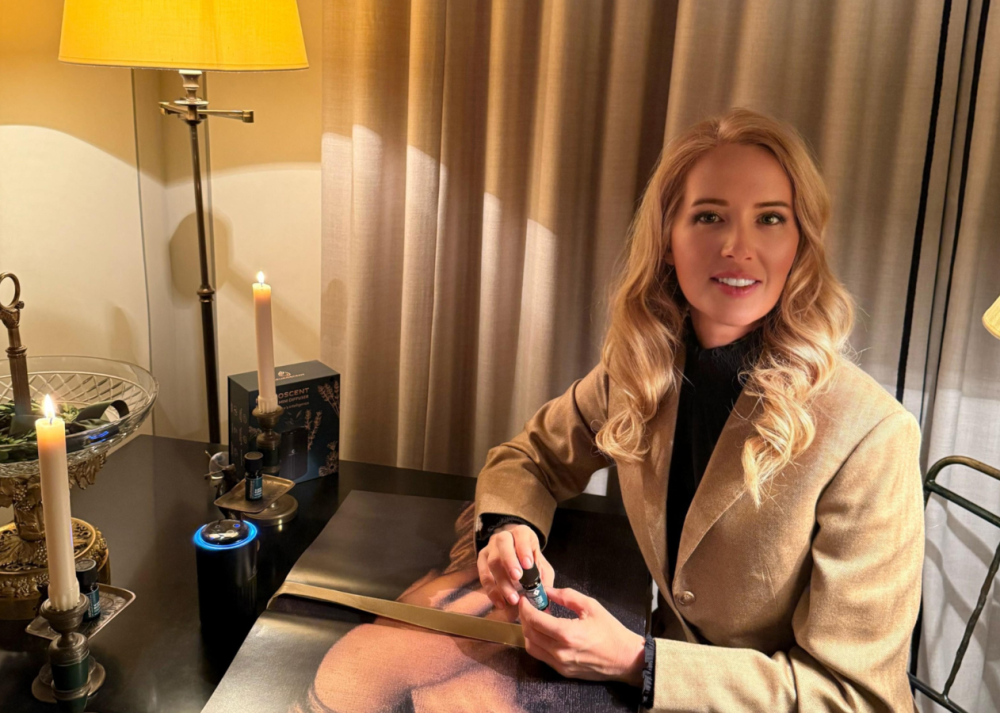
By Olga Melita, founder, NeuroScent
In the East, menopause is not feared – it is revered.
It is known as The Second Spring – a time when a woman’s vital energy, once directed outward toward nurturing, creating, building and holding space for others, begins to return inward.

This is not the end of youth – and it is not a deterioration. It is a transformation.
It is the beginning of something deeper: wisdom, inner peace, clarity and the flowering of the true self.
Yet in the West, menopause is still too often viewed through the lens of loss. As if a woman were fading, when in truth, she is deepening.
But what if the only thing we truly need to lose is the outdated story we’ve been told?
Hormonal shifts can bring undeniable changes: to the body, the emotions, the mind. Sleep may become fragile. Moods may swell and dip like ocean tides. Energy may flicker, and the familiar rhythm of life may begin to feel unpredictable.
But none of this means you are broken.
In Eastern medicine, these are not signs of decline – they are signs of rebalance. Your body is not betraying you. It is speaking to you, asking for a new level of care, connection and presence.
This stage of life is not a crisis – it is a calling.
You are becoming more of who you really are.
How do we support this transition?
We begin by turning toward the body, not away from it.
We begin with listening, with nourishing, with rituals that are both modern and ancient.
- Gentle herbal allies, mindful movement, time in nature and restorative sleep help us align with a more sustainable kind of vitality.
- Breathwork with essential oils becomes emotional alchemy – a direct, sensory pathway to safety and calm.
When you inhale the soul of a plant, it’s as if Mother Earth embraces her daughter, whispering: “You are safe. You are loved. You are whole.”
Let your breath carry you into presence. Let scent become your sanctuary.
- Chamomile is like Mother Teresa – calming, nurturing, gently soothing your nervous system like a warm hand over your heart.
- Clary Sage harmonizes hormones and awakens intuitive knowing – especially powerful during hormonal recalibration.
- Lavender restores emotional balance and quiets the noise, like a twilight sky over still water.
- Uplifting citrus oils – Mandarin, Bergamot, Sweet Orange – bring lightness, joy and a sense of hope.
- Adaptogenic conifer oils – Pine, Fir, Spruce – help build resilience. They reconnect you to the strength of the forest.
- Neroli, Jasmine and Rose – special feminine flowers – awaken sensuality, ease emotional tension and remind you of your softness.
Breathe them in during meditation. Diffuse them in your space. Massage them into your skin with intention. Place a drop on your pillow before sleep. These small acts become powerful rituals to support your wellbeing.
NeuroScent has crafted the purest natural blends such as Balance, De-stress, Sleep and others to nurture your mental and emotional wellbeing.
Using them in a small portable waterless diffuser can uplift your mood, sharpen your brain or relax you on the go. When a woman feels more safe and happy in her body and mind, then she can ride her menopausal waves more gracefully.
Biohacking for Menopause:
Menopause may be natural, but that doesn’t mean it has to be uncomfortable.
This is where modern biohacking meets ancient wisdom – helping to make the Second Spring a smoother, more supported experience.
- Wearable tech like the Oura Ring or Whoop can track temperature, sleep quality and heart rate variability – alerting you to stress and helping you understand your rhythms in real-time.
- Precision supplements based on bloodwork, DNA or microbiome tests (e.g., through Viome or InsideTracker) allow you to target exactly what your body needs – from estrogen metabolism to inflammation balance.
- Saunas support detoxification and improve sleep – both essential during hormonal shifts.
- Neurofeedback and light therapy tools can enhance emotional stability, reduce anxiety and support cognitive clarity.
- Sleep optimisation becomes sacred: magnesium, glycine, weighted blankets, sound machines, blue-light blockers and intentional evening rituals can return you to deep rest.
- Nutrition becomes your ally by focusing on phytoestrogens, adaptogens, omega-3s and antioxidant-rich foods that support hormonal pathways without disrupting natural rhythms.
- Functional adaptogens such as Rhodiola, Ashwagandha, help buffer the effects of stress and replenish depleted adrenal reserves.
And at the center of it all: nervous system regulation.
If you have tools to help you to rise above psychological patterns and become the architect of your emotional responses. It helps make your transition smooth and nurturing.
The Second Spring Is a Sacred Return
Just like in spring, when blossoms rise from bare branches, your Second Spring is a return to your essence – powerful, centered, alive.
You are not meant to go through this time alone.
You are not fading – you are evolving.
Not to become someone else, but to become more of yourself.
Menopause is not a problem to fix. It is a path to walk, with grace, with support, with remembrance.
And every breath, every ritual, every choice to listen to your body becomes a step into the woman you are still becoming.
About Olga Melita and NeuroScent
Olga Melita is a London-based psychologist and aromatherapist who artfully weaves neuroscience, psychology and botanical intelligence into tools for emotional and cognitive transformation.
As the founder of NeuroScent, a premium British wellbeing brand, she brings new paradigms of mental health – one where olfaction becomes a bridge to recalibration, resilience, clarity and peak performance.







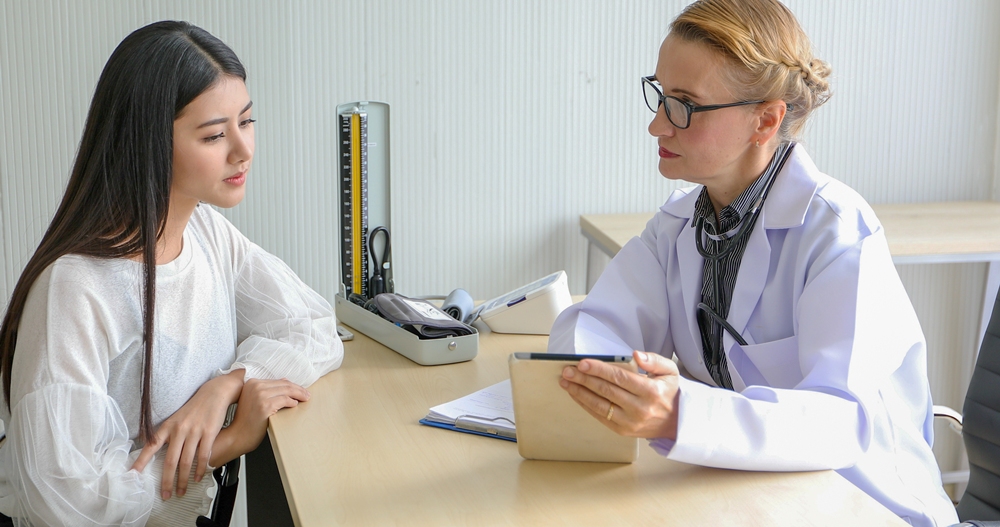
One in three US women older than 35 are no sure whether they are in perimenopause, new research has revealed.
The findings suggest uncertainty remains common, largely because of knowledge gaps, symptom confusion and difficulty getting confirmation or care.
Perimenopause is the transitional stage before a woman’s final period, when hormone levels fluctuate and symptoms can change over time.
It usually begins in the mid-40s, although timing varies widely, and can last for around four to eight years.
Symptoms can include hot flushes, psychological symptoms and urogenital symptoms, which affect the urinary and genital areas.
Dr Stephanie Faubion, medical director for The Menopause Society and one of the study authors, said: “This large study showed that one in three US women aged older than 35 years are not sure whether they are in perimenopause.
“Further, the study highlights that symptom confusion, misconceptions, and barriers to care are leaving many women without the clarity and support they need during the menopause transition.
“Recognising perimenopause uncertainty as a common experience can help shift the conversation from searching for a diagnosis to providing women with the information, validation, and support they need to navigate this natural life transition with confidence.”
More than 7,600 US women aged 35 and older took part in the study, which looked at how common uncertainty around perimenopause is and what may be driving it.
Overall, 34 per cent of participants said they were unsure of their reproductive stage.
Uncertainty varied by age and symptom burden, reaching 42 per cent among women aged 40 to 44 and 37 per cent among those with severe symptoms.
Symptom confusion was the most common factor, cited in 56 per cent of responses.
This included difficulty making sense of bodily changes and telling perimenopause apart from other possible causes, such as premenstrual syndrome, thyroid disease or mental health conditions.
Knowledge gaps and information-seeking made up 28 per cent of responses, reflecting limited awareness, age-based assumptions and attempts to find reliable information.
Barriers to confirmation and care made up 16 per cent, including dismissive healthcare encounters and reluctance to acknowledge perimenopause.
Younger women aged 35 to 39 were more likely to cite knowledge gaps, while healthcare barriers were most common among women aged 40 to 44.
The researchers said clinicians should take a more flexible approach to recognising the emotional, cognitive and physical symptoms that can occur during perimenopause.
They said healthcare professionals should not rely too heavily on irregular periods as the main sign, because some women have symptoms before major cycle changes.

A new menopause drug has been approved for NHS use in Scotland, offering a non-hormonal option for women who cannot take HRT.
The Scottish Medicines Consortium has recommended that women can now be prescribed fezolinetant, also known as Veoza, for symptoms such as hot flushes and night sweats.
Some women cannot take HRT, leaving them with limited treatment options for symptoms that can be severe and long-lasting.
Dr Timir Patel, medical director of Astellas UK, said the company was “pleased that this important additional treatment option will be available to women in Scotland, helping to support more personalised care for those experiencing hot flushes and night sweats”.
Fezolinetant works by selectively blocking a neurotransmitter in the brain involved in triggering hot flushes.
Clinical trials have shown the drug can reduce both the frequency and severity of hot flushes and night sweats.
About 400,000 women in Scotland are said to be of menopausal age, with manufacturer Astellas Pharma Ltd saying up to 48,000 could benefit from the treatment.
Dr Rob Peel, chair of the Scottish Medicines Consortium, said: “We know that menopausal hot flushes and night sweats can substantially affect quality of life.
“For those who cannot take HRT, effective treatment options are limited. Fezolinetant provides a non-hormonal treatment option, and we know our decision will be welcomed.”
Dr Kay McAllister, consultant gynaecologist and clinical lead for menopause services at NHS Glasgow and Greater Clyde, said: “Today’s decision marks a positive development for the wellbeing of Scottish women.
“In clinical practice, I see how hot flushes and night sweats impact sleep and overall quality of life in my patients.
“The availability of this targeted treatment offers a welcome choice and further options for patients.”

Avni Wellness has secured Rs 4 crore, around US$470,000, in seed funding to expand its products and digital commerce capabilities.
The Mumbai-based women’s health start-up plans to strengthen its online retail operations and increase its presence across digital marketplaces.
It will also expand its cycle nutrition product range and grow its women-led network of micro-entrepreneurs.

Founded in 2021 by Sujata Pawar and Apurv Agarwal, Avni Wellness offers science-backed, toxin-free products spanning adolescence, reproductive years and menopause.
Its portfolio includes a patented antimicrobial reusable sanitary pad and a liposomal iron supplement designed to address iron deficiency among women in India.
Liposomal supplements encase nutrients in tiny fat-like particles intended to support absorption.
The company also offers products for polycystic ovary syndrome, or PCOS, calcium supplementation, urinary and vaginal health and seed-based hormonal nutrition. PCOS is a condition that can affect hormone levels, periods and fertility.
Proteus Partners led the funding round, with participation from angel investors Puru Gupta, Sreejith Moolayil, A. Velumani and Somya Nigam.
Avni Wellness said it aims to address gaps in women’s healthcare in India by focusing on hormonal health, nutrition and long-term wellbeing while incorporating livelihood generation and sustainability into its model.




 Diagnosis2 weeks ago
Two “gamechanger” tests set to speed up endometriosis diagnosis on the NHS

 Insight2 weeks ago
Women with PMOS should have annual NHS checks, new guidance says

 News4 days ago
New menopause drug approved for use by NHS in Scotland

 Cancer1 week ago
Thousands of women could avoid painful cancer exam with new AI blood test

 Entrepreneur1 week ago
Applications open for the third W Accelerate with Merck KGaA and M Ventures
 Fertility2 weeks ago
Older women face lower chance of fertility treatment working, even with donor eggs, study finds

 News1 week ago
We built Ema like a nurse: Here’s why that matters

 News2 weeks ago
Experts call for regulation of toxic period product chemicals