




Ageing
Hormone therapy heart-safe for under 60s with menopause symptoms


Hormone therapy is safe for treating menopause symptoms such as hot flushes and night sweats in women aged 50–59, but should not be started after 70 due to cardiovascular risks, research shows.
The study analysed 20 years of data from over 27,000 women aged 50–79 with moderate to severe menopausal symptoms who received either treatment or placebo.
Women who began therapy between 50 and 59 showed no higher risk of heart disease compared with placebo.

In contrast, those over 70 faced substantially increased risk of atherosclerotic cardiovascular disease – a build-up of plaque in arteries that can lead to heart attacks and strokes.
Co-author JoAnn Manson is chief of the division of preventive medicine at Brigham and Women’s Hospital.
She said: “This paper has a very important message for clinicians and women considering HT use: HT is appropriate and has a favourable benefit: risk profile for treating hot flushes among women below age 60, but it’s important to avoid starting treatment after age 70 among women with hot flushes.
“Our findings support current HT guidelines but help to clarify that risk varies strongly by age.”
Researchers at Brigham and Women’s Hospital examined data from the Women’s Health Initiative trials, addressing long-standing fears about hormone therapy and heart safety.
The study is the first to look closely at links between hot flushes, hormone treatment and cardiovascular risk across different age groups.
Many women have avoided hormone therapy – used to ease hot flushes, night sweats and other symptoms – since earlier studies raised concerns about heart disease.
The new analysis showed clear age-related differences. Women starting treatment in their 50s had no added heart risks, while those beginning after 70 faced substantially higher danger.
Manson, a founding member of the Mass General Brigham healthcare system, is one of the principal investigators of the Women’s Health Initiative.
The findings offer guidance for treatment decisions during menopause, when falling oestrogen levels cause symptoms that can disrupt daily life. Hormone therapy replaces these hormones to reduce symptoms.
The heart safety profile differs sharply by age.
For women in their 50s, therapy carries no extra cardiovascular risk while easing symptoms. But beginning after 70 brings substantial risks, particularly of atherosclerotic disease.
The results support current clinical guidelines while adding clearer, age-specific evidence to help women and doctors make informed choices based on individual risk.
The distinction between age groups is key for treatment planning, offering reassurance to younger women considering therapy while warning against late initiation in older age.







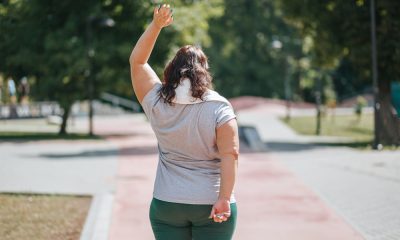






Women who do strength training may have a lower risk of major cardiovascular disease, particularly alongside aerobic activity, a study suggests.
Cardiovascular disease is the leading cause of death worldwide. Aerobic activities such as brisk walking, jogging, cycling and swimming are already established ways to help reduce the risk.
Strength or resistance training, also known as RT, is less established as a prevention strategy. It makes muscles work against a force and can involve body weight, free weights, resistance bands or machines.

Current US guidelines recommend at least two days of strength training and 150 minutes of moderate-to-vigorous aerobic activity each week.
They also recommend limiting sedentary behaviour, including prolonged television viewing, which is considered an independent risk factor for cardiovascular disease.
Dr Tianyue Zhang, lead study author and scientist in the department of nutrition at the Harvard T.H. Chan School of Public Health, said: “Despite its established health benefits, RT is often overlooked as a prevention strategy for CVD, and its impact on CVD risk, especially in middle-aged and older women, remains understudied.
“A key question is, how much does it add beyond aerobic activity alone?”
Researchers analysed data from 117,025 women participating in the Nurses’ Health Study and Nurses’ Health Study II.
The two groups had average starting ages of 66.8 and 48.1 years respectively.
The women reported their resistance training every four years, with exercises involving the arms and legs recorded separately.
Time spent watching television was used as the main measure of sedentary behaviour.
The researchers examined exercise and television-viewing habits alongside the incidence of major cardiovascular disease.
Major cardiovascular events included fatal or non-fatal heart attacks, strokes, coronary artery bypass surgery and percutaneous coronary intervention.
Coronary artery bypass surgery redirects blood around narrowed or blocked heart arteries. Percutaneous coronary intervention uses a small balloon, often followed by a stent, to open a narrowed artery.
Higher levels of strength training were associated with a lower risk of major cardiovascular disease, particularly heart attacks.
No statistically significant link with stroke was found when resistance exercise was considered separately.
Women completing at least two hours of strength training a week had a 20 per cent lower risk of major cardiovascular disease and a 44 per cent lower risk of heart attack than those doing none.
Each additional hour a week was associated with a five per cent lower risk of major cardiovascular disease and a 14 per cent lower risk of heart attack.
The associations weakened somewhat after researchers accounted for body mass index and conditions including diabetes, high blood pressure and high cholesterol, but remained clear.
Body mass index, or BMI, compares weight with height and is commonly used to assess whether someone is within a healthy weight range.
Strength training was also linked to additional benefits among women who did aerobic activity.
Women completing at least two hours of strength training and 150 minutes of aerobic activity each week had a 45 per cent lower risk of heart attack than those reporting no physical activity.
Women who met recommendations for strength training, aerobic activity and reduced television viewing had the lowest risks of major cardiovascular disease, heart attack and stroke compared with those who met some or none of the recommendations.
Zhang said: “These findings suggest that, within an already active population, RT is associated with additional reductions in CVD risk above and beyond overall aerobic activity.
“Alongside aerobic activity and reductions in sedentary behaviour, RT may be an important component of public health strategies for cardiovascular prevention in women.”
The study relied on participants reporting their own resistance training, meaning the data may not always have been precise.
Researchers also noted the possible influence of unmeasured factors and the limited diversity of participants.
They were unable to fully separate the effects of the type of resistance training performed from the overall amount completed.
Dr Harlan M. Krumholz, professor at Yale School of Medicine, said: “We have long encouraged resistance training, and this study provides strong evidence to reinforce that message.
“It should be included in a well-rounded health routine to support function and longevity.”

A first-in-human clinical trial of an immune rejuvenation therapy designed to restore the function of worn-out T cells is expected to begin later this year, building on research led by UCL scientists into the mechanisms of immune ageing.
The Phase 1 trial will focus on exhausted or senescent T cells, which accumulate with age and in chronic disease and become less effective at coordinating immune protection.
Researchers hope that metabolically resetting these cells may help the immune system regain characteristics associated with younger, healthier immune responses. The work may have clinical utility for diseases such as cancer, HIV and dementia.
Our immune system protects us from infection, cancer and disease. However, as we age, some immune cells become exhausted and lose their ability to function effectively. This process, known as immune ageing, can leave people more vulnerable to illness and less able to respond to health challenges.
The new therapy, developed by biotech company SenTcell founded by Dr Alessio Lanna (UCL Medicine), is designed to rejuvenate these worn-out immune cells. Rather than attacking diseased cells directly, it works by restoring the immune system’s natural ability to recognise and respond to threats.
The treatment is a liquid formulation administered by intramuscular injection, similar to many commonly used vaccines. Once delivered, it is designed to reprogramme key pathways that drive immune dysfunction, helping immune cells regain characteristics of younger, healthier cells.
The goal is to improve immune resilience, enhance protection against disease and ultimately support healthier ageing.
Dr Lanna said: “People living with HIV are now able to live long and healthy lives thanks to major advances in treatment, but many still experience features of accelerated immune ageing. Similar patterns of immune dysfunction are also seen in cancer and other chronic diseases.
“This trial is an important step towards testing whether we can safely rejuvenate exhausted immune cells and restore aspects of healthy immune function. Our goal is to help establish immune rejuvenation as a new way of treating diseases linked to immune ageing and dysfunction.”
The trial builds on research suggesting that some dysfunctional T cells – a type of white blood cell that helps coordinate the body’s immune response – can be restored to a more youthful, functional state. Researchers are focusing on CD4+ T cells, often described as the “conductors” of the immune system because they help direct other immune cells to respond to infection, cancer and disease.
Inside every cell, chromosomes are protected by structures called telomeres, which sit at their ends like protective caps. Telomeres help shield genetic material from damage and gradually shorten as cells divide over time, making them a well-established marker of biological ageing.
Previous laboratory studies suggest that rejuvenated CD4+ T cells may be able to release telomere-containing structures into the bloodstream. Researchers have termed these structures “telomere rivers” and are investigating whether they could help explain how rejuvenated immune cells influence the health and function of other tissues throughout the body. This idea remains under active investigation and has not yet been demonstrated in humans.
The research programme has received support through the Medicines and Healthcare products Regulatory Agency’s (MHRA) Innovative Licensing and Access Pathway (ILAP), recognising its potential to address significant unmet needs associated with age-related immune decline and immune dysfunction.
UCL researchers are preparing for Phase 1 of the trial, which will carefully select adult participants and is expected to focus initially on people with evidence of immune dysfunction, including immune ageing and chronic viral infection. Participants will undergo detailed immune profiling before and after treatment.
Investigators will look at whether the therapy can restore features of healthy immune function. As an early-stage trial, the primary goals are safety and biological activity rather than demonstrating clinical benefit.
If successful, the programme could establish immune rejuvenation as a new therapeutic approach: restoring the immune system’s protective capacity instead of targeting each pathogen or disease process separately.
Researchers believe the strategy could eventually have relevance for conditions characterised by immune exhaustion, including chronic infections, autoimmune disease and cancer, while also informing broader efforts to improve healthy ageing.

Weightlifting can improve memory and mental health in older women, whether they lift heavier or lighter weights, a clinical trial has found.
The study suggests structured exercise could offer a non-drug way to help protect the ageing mind.
As people age, physical abilities often decline and the risk of cognitive impairment rises.

Women can also face a higher risk of depression and anxiety later in life because of menopause, hormonal changes and shifting social factors.
Over time, poor mental health can speed up physical and cognitive decline.
Medical professionals often recommend cardiovascular and resistance training to help preserve physical independence.
Beyond building muscle and strength, lifting weights may also help protect the brain.
The research team recruited 120 women with an average age of 68 who were not taking part in any structured exercise programmes.
Before the intervention, independent cardiologists screened the volunteers using diagnostic stress tests to make sure they could take part safely.
The researchers then divided the women into three equal groups based on their baseline physical strength to ensure a balanced comparison.
The first group followed a resistance training programme using heavier weights for eight to 12 repetitions.
The second performed the same exercises using slightly lighter weights for 10 to 15 repetitions. The third acted as a control group and remained sedentary throughout the trial.
For three months, the active groups visited the university fitness facility three mornings a week.
Under the direct supervision of qualified fitness experts, participants completed three sets of eight different full-body exercises. These included weight machines and free weights, with movements such as chest presses, leg extensions, seated rows and bicep curls.
As the women grew stronger over the 12 weeks, supervisors progressively increased the weight they lifted.
This ensured participants stayed within their assigned repetition range while maintaining proper breathing and movement technique. Researchers also told all participants not to start any new exercise outside the laboratory setting.
The scientists carried out a broad set of cognitive and psychological tests before the programme began and again shortly after it ended.
They used the Montreal Cognitive Assessment to measure spatial skills, short-term memory and language processing.
The team also used several standardised surveys to track symptoms of geriatric depression and general anxiety.
Other tests assessed executive function, the mental processes involved in planning, focusing attention and multitasking.
In the Trail Making Test, the women had to connect a scattered sequence of numbers and letters as quickly as possible to assess cognitive flexibility.
In another verbal test, they had to name as many words beginning with the letter F, or as many animals as possible, within 60 seconds.
The researchers also used a computerised Stroop test to assess inhibitory control. In this visual test, the women saw words such as “red” or “black” displayed in conflicting ink colours, such as green.
They had to suppress the automatic urge to read the word and instead press a button matching the ink colour.
After the three-month intervention, both groups of weightlifters showed clear improvements in their test scores.
Their performance on the overall cognitive assessment rose, and their reaction times in executive function tests fell substantially.
The control group showed no such improvements, and in some categories their mental performance worsened slightly.
The structured exercise also reduced the severity of mood disorders among the active participants.
Scores for depressive symptoms fell by roughly 34 per cent in the lower repetition group and 24 per cent in the higher repetition group. Anxiety scores fell by more than 40 per cent in both groups.
The researchers said these improvements met the threshold for a clinically meaningful difference.
In practical terms, that means the psychological benefits were large enough for the women to notice in their daily emotional state.
The trial found no major differences in outcomes between the two repetition strategies, suggesting both intensities worked equally well against cognitive decline.
The study has several caveats that may shape future research into the neurological benefits of structured exercise.
The testing relied heavily on self-reported psychological surveys, which can be affected by subjective bias or temporary changes in mood.
The team also did not closely track differences in the women’s light daily physical activity outside the gym.
The researchers also said the social structure of the fitness programme may have contributed to the emotional benefits.
For 12 weeks, the active participants exercised in a shared, supportive environment, with regular contact with peers and supervisors.
This kind of consistent social interaction can help reduce loneliness and provide psychological relief.
Future trials will need to isolate whether different exercise durations or extra social interaction change these positive neural effects.
Even so, the results suggest resistance training could offer an accessible way to help treat mild cognitive and mood problems.
Regular weightlifting may benefit the mind as well as the muscles in older adults.











 Diagnosis2 weeks ago
Major UK study could be a ‘game-changer’ for heavy periods and endometriosis

 Entrepreneur1 week ago
KOVE Medical raises €1.7 million to improve safety of foetal surgery

 Fertility2 weeks ago
One week left to apply: W Accelerate with Merck KGaA and M Ventures

 Pregnancy1 week ago
UK study aims to transform maternity care for high-risk pregnancies

 Mental health2 weeks ago
PMDD after SSRIs or hormones: Why the brain may be the missing treatment target

 Diagnosis2 weeks ago
Ark Surgical secures further institutional backing to accelerate US expansion

 Menopause5 days ago
Menopause hormone treatment may ease brain fog, study suggests

 Motherhood2 weeks ago
Thousands of UK women develop undiagnosed PTSD after childbirth each year – study