Connect with us

Menopause

The Irish start-up on a mission to help women navigate menopause
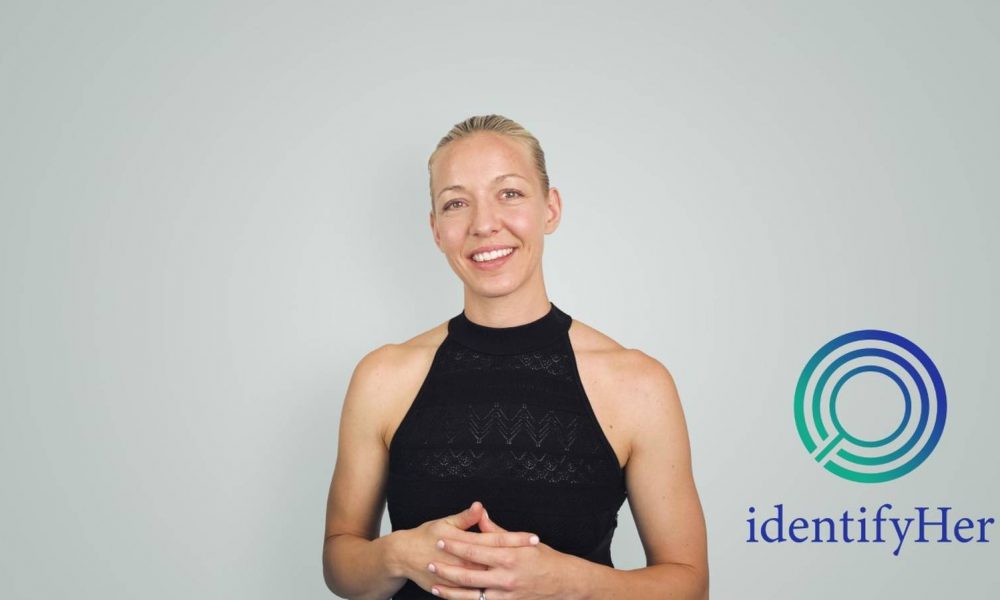
identifyHer’s medical device will be able to monitor menopausal symptoms and help clinicians give a better diagnostic

Published

on

Heidi Davis, co-founder of identifyHer

Disease prevention means data. Heidi Davis, co-founder of the Irish start-up identifyHer, tells FemTech World why a medical wearable device is essential in understanding menopause and predicting future disease. 

The effect of menopausal symptoms on women’s future health is rarely talked about.

In the UK and Ireland, 3.7 million women are experiencing  symptoms that negatively affect their lives during perimenopause and menopause and untreated, such symptoms can lead to chronic diseases.

“Understanding menopause is extremely important to assess the future risks of disease,” says Heidi Davis, co-founder of identifyHer. The Irish digital health company focuses on predictive health services for women going through menopause, guiding personalised management of menopausal symptoms.

“When we started, we realised that nobody knew anything about menopause and that there was no real objective data to understand this life stage,” the co-founder explains. “So, we looked at a range of symptoms that we believed we could capture with a wearable sensor that could identify those physiological changes.

“We collected data from women who were going through menopausal symptoms and we understood that they are the ones who are looking for this information, who need this information and who are desperate to understand what’s going on.”

Along with the American manufacturing company, Analog Devices, the identifyHer team is developing a medical device that uses AI-enabled technology to capture physiological signals and personalise the management of menopausal symptoms to reduce the risk of disease in the future.

“The symptoms women experience [during perimenopause and menopause] can overlap with other symptoms that happen in daily life,” Davis points out.

“For that reason, clinicians find it hard to diagnose and give treatment because they don’t have diagnostic tests that can give a clear image. So, our mission is to help them differentiate those symptoms and provide objective data.”

The identifyHer tracker, which can be used from perimenopause onwards, sits under the breast and is activated by an app. The wearer goes about their business as normal and they will get daily, weekly, and monthly reports on their menopausal symptoms and lifestyle data.

The woman will wear the sensor for three months to track her symptoms and the data collected during that time will be used to initiate or evaluate the treatment she is already on.

The device will not only save clinicians time, but it will also offer them a better diagnostic tool and help them improve and change the treatment accordingly.

“Managing those symptoms correctly can actually set women up for a better future post-menopause because the severity and the frequency of the symptoms themselves are indicators of future risk of disease,” Davis adds.

“Women who seek medical help will be offered our solution and get remote monitoring of their symptoms while clinicians can use it for diagnosis and treatment.”

The device will be regulated both for cybersecurity and data protection and it will first launch in the UK and Ireland, followed by the EU and the US. The company will be working with health insurance companies on a paying claim policy and hopes that with time, the tracker will be integrated into the national healthcare systems.

“It’s been great to be working in women’s health,” the entrepreneur tells me. “It has been challenging, but the overall experience was good.

“We are hoping to close a round of €2.2 million by the end of this year and our aim is to become the gold standard in clinics to diagnose and help women get the right treatment. So far, we’ve had some good conversations and we are moving forward.”

Before we wrap up our Zoom call, I ask Heidi what is her biggest achievement since establishing identifyHer.

“Building the team. We wouldn’t be where we are now, if it wasn’t for the people that have helped us along the journey. It took us a long time to find them, but we knew they were the right people straight away.

“I hope we can continue growing it with as good people as we have now.”

For more info, visit identifyher.ai.


Fertility

Infertility may be risk factor for early menopause, study suggests

Published

on

Women with primary infertility may face a higher risk of early menopause and reach it about a year earlier, a study suggests.

The findings suggest women with primary infertility may be more likely to enter menopause before the age of 45.

The increased risk appeared most notable among women with unexplained infertility or a history of endometriosis.

Dr Stephanie Faubion, medical director for The Menopause Society, said: “This study shows that women with primary infertility, specifically those with unexplained infertility or a history of endometriosis, were at risk for early menopause.

“Given that early menopause is linked to adverse long-term health consequences, these women may benefit from counselling that they are at risk of early menopause.

“This will allow them to monitor for early menopause and to seek treatment with hormone therapy, if indicated.”

Early menopause is usually defined as menopause before age 45, while premature menopause is menopause before age 40.

Women who experience menopause earlier may face symptoms for longer and have a higher risk of long-term health problems.

These can include cardiovascular disease, osteoporosis and neurocognitive disorders. Osteoporosis weakens bones, while neurocognitive disorders affect memory, thinking or brain function.

The study, highlighted by The Menopause Society, involved nearly 700 people, roughly half of whom had been diagnosed with primary infertility.

It found that women with a history of primary infertility underwent natural menopause about one year earlier than those without such a history.

Researchers found no association between infertility and premature menopause.

Infertility affects around one in six people globally and can have consequences beyond family planning.

Previous research has linked infertility with higher rates of cancer and cardiovascular disease, although causes vary and may involve genetic, hormonal, in-utero or lifestyle factors.

In-utero factors are influences that occur while a baby is developing in the womb.

Earlier studies looking at links between infertility and early or premature menopause have produced mixed results, with some not accounting for different types of infertility.

The new study suggested that women with unexplained infertility or a history of endometriosis may have an increased risk of early menopause.

Endometriosis is a condition where tissue similar to the lining of the womb grows elsewhere in the body. It can cause pain, heavy periods and fertility problems.

Known risk factors for early or premature menopause include tobacco use, low body mass index, not having given birth and starting periods at a younger age.

Women who have had more childbirths and those with a history of oral contraceptive use have previously been linked to later menopause.

The researchers said women with primary infertility may benefit from additional counselling because of the systemic and long-term health effects of early menopause.

They also said women should be encouraged to seek evaluation and treatment if they experience a new loss of menstrual cycles.

Continue Reading

Menopause

Smartwatch data helps researchers study menopause transition

Published

on

Smartwatch data may help track menopause sleep changes after researchers analysed more than 94,000 nights of Apple Watch sleep records.

The study analysed more than 94,000 nights of sleep data from 338 participants in the Apple Women’s Health Study.

It found that many participants spent more time awake during the night in the 12 months before and after their final logged menstrual period.

For the past several years, Apple has used the Apple Watch to support large-scale health studies through the Apple Research app.

These include the Apple Women’s Health Study, the Apple Heart and Movement Study, and the Apple Hearing Study, which launched in 2019 with research partners including Harvard, Brigham and Women’s Hospital, the American Heart Association and the University of Michigan.

In February 2025, Apple said those studies had grown to more than 350,000 participants across the US.

Recently, researchers at Harvard T.H. Chan School of Public Health published results on how sleep patterns change during perimenopause.

The study looked at wake after sleep onset, or WASO, which measures how much time a person spends awake after first falling asleep.

In the 18 months leading up to menopause, 60 per cent of women with sleep tracking data showed increased WASO compared with the previous six months.

The average increase was 7 per cent.

Researchers also found that, in the 12 months before and after the last logged menstrual period, participants spent about 0.8 per cent more of their sleep time awake after menopause than before.

However, the findings varied widely between participants.

Some women had much larger increases in time awake after menopause, while others had no meaningful sleep change at all.

The researchers said this reflects the fact that each person experiences perimenopause and menopause differently.

Participants who tracked sleep also logged menopause symptoms.

Hot flushes were reported by 82.3 per cent of participants, irritability by 68.1 per cent, mental exhaustion by 65.7 per cent and sexual symptoms by 65.6 per cent.

Among participants with more severe menopause symptoms, the symptoms most closely linked with worse sleep were bladder symptoms, joint symptoms, heart discomfort and depressive symptoms.

The researchers also shared recommendations that may help women sleep better during perimenopause.

These include maintaining a cool sleeping environment, keeping a consistent sleep schedule, getting regular movement, avoiding common bladder irritants and limiting fluids in the hours before bedtime, and prioritising relaxation or mindfulness techniques as part of a bedtime routine.

Continue Reading

News

Women still being failed when they reach menopause, experts say

Published

on

Women are still being failed by menopause care despite a surge in online advice, with experts saying symptoms are too often minimised or dismissed.

The researchers exposed a gap between the surge of menopause information available online and the quality of medical care women receive.

A team of anthropologists and psychologists explored the physical and emotional toll of menopause, including its impact on work and personal lives, through interviews with 60 women aged 45 to 61 between March and June 2021.

The findings were published in a new book, We Need to Talk About Menopause.

The interviews showed how women continue to “needlessly suffer” as they sort through misinformation from influencers, celebrities and so-called experts.

The authors said: “You would think in an age where humans are developing commercial space flight, self-driving cars, and AI personal assistants who can project movies onto the palm of your hand, we would understand more about menopause, something a little over half of the population is guaranteed to experience in their lives.”

The interviews revealed wide variation in women’s experiences of doctors.

Some felt they could have an open dialogue, while others said they were “shut down”, including being told they were too young for menopause.

One woman said she bled heavily for a year before she was taken seriously.

The authors said menopause is still poorly understood, with disagreement over whether it should be seen as a medical condition or a natural part of ageing.

There are more than 100 recognised symptoms, although some women experience none.

Among those interviewed, 78 per cent reported weight gain and redistribution, particularly around the belly area, which was resistant to diet and exercise.

Fifty-eight per cent experienced mood disturbances including anxiety, depression, irritability and unprecedented levels of rage.

Many women said they were blindsided by symptoms they had never known existed.

One participant said she only realised rage was a menopause symptom after seeing it mentioned in a television commercial.

Women also described severe memory problems and brain fog that colleagues mistook for incompetence, leading successful professionals to question their abilities at the peak of their careers.

Brain fog can include problems with concentration, memory and clear thinking.

According to Statistics Canada, 70 per cent of women turn to the internet as their primary source of menopause information.

The authors said this information vacuum has spawned a £14.7bn global “meno-tech” industry, with influencers, celebrities and telehealth companies offering products ranging from £98 creams to unnecessary blood tests.

They said: “The growth of interest in menopause has also been accompanied by a wave of unsubstantiated information.

“Many websites market expensive creams, supplements, and weight-loss schemes that promise to keep women youthful and attractive, with little evidence to support their claims.

“Reliable, accessible information about menopause and perimenopause is still lacking. Despite increased attention to the importance of physician training and the search for menopause specialists, the medical profession as a whole continues to provide limited support in this area.”

The authors also highlighted the effect of menopause in the workplace.

The House of Commons Women and Equalities Committee has warned that Britain is “haemorrhaging talent” because of menopause, with 14 million workdays lost each year, according to the Office for National Statistics.

Despite this, studies have shown 80 per cent of UK employers have yet to implement proper support measures for menopausal women.

Some women said simple workplace adjustments made a significant difference.

Continue Reading

Trending

Copyright © 2025 Aspect Health Media Ltd. All Rights Reserved.